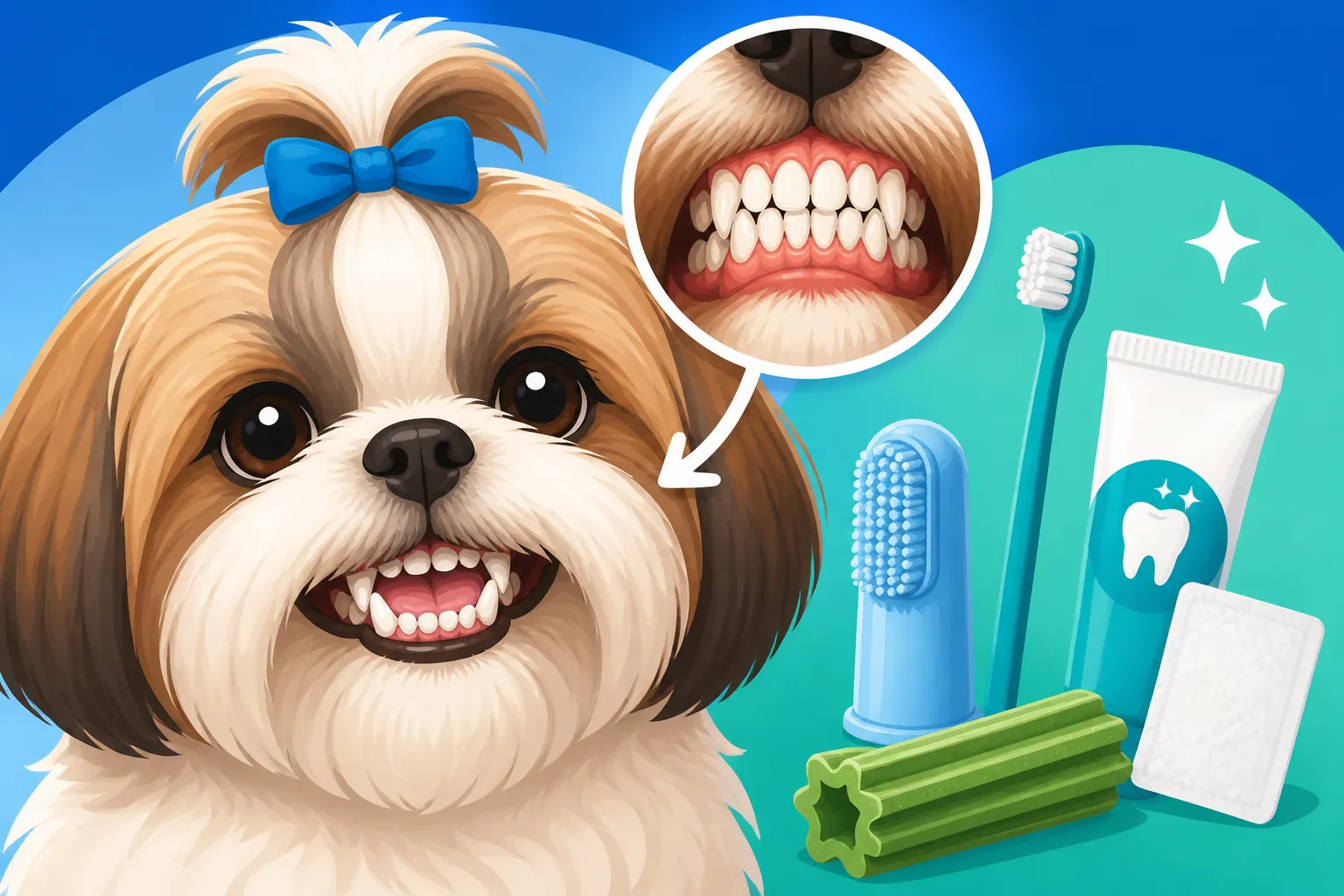
Dental Supplies for a Crowded Shih Tzu Mouth
If you're a Shih Tzu parent, you've likely already noticed that their adorable, short muzzles come with a unique set of challenges, especially when it comes to their pearly whites. That tiny, crowded mouth is a magnet for dental issues, making daily care not just important, but absolutely essential to their overall health and happiness. This guide is here to walk you through the world of dental supplies specifically chosen to tackle the unique oral landscape of your beloved Shih Tzu, helping you keep their smile bright and their breath fresh.
Understanding Your Shih Tzu's Unique Dental Challenges
It's easy to look at a Shih Tzu's sweet face and not immediately think about the complexities happening inside their mouth. Yet, this is often where some of their biggest health battles begin. Their distinctive brachycephalic (flat-faced) skull structure, while undeniably charming, creates a crowded oral environment that's highly predisposed to dental problems. Understanding these foundational issues is the first step toward effective home care.
The Crowded Mouth Conundrum
Imagine trying to fit a standard set of 42 adult teeth into a jaw designed for a much larger dog. That's essentially the predicament of a Shih Tzu. Their compact jaws simply don't have enough space for all those teeth to align properly. This overcrowding often leads to rotated, misaligned, or even impacted teeth, creating tight crevices and overlaps where food particles and bacteria can easily get trapped. These hidden pockets are incredibly difficult to clean, even with diligent brushing, and become prime locations for plaque to accumulate and harden into tartar.
This isn't just an aesthetic concern; it's a structural flaw that directly contributes to rapid dental decline. Unlike dogs with well-spaced teeth, a Shih Tzu's teeth are constantly rubbing against each other or the gums in abnormal ways, causing irritation and wear. You can learn more about this specific issue in our article on Why a Shih Tzu Mouth Cannot Hold Forty-Two Teeth. It's this anatomical reality that makes every dental care effort for a Shih Tzu an uphill battle, but one that is absolutely worth fighting.
The Risk of Dental Disease
Given their crowded mouths, it's perhaps not surprising that Shih Tzus are highly susceptible to periodontal disease, a progressive condition affecting the tissues surrounding the teeth. This disease starts innocently enough with plaque buildup, which then mineralizes into tartar. Tartar acts like a rough scaffolding, inviting more bacteria to cling on and proliferate below the gum line. This bacterial invasion triggers inflammation of the gums (gingivitis), which, if left unchecked, progresses to periodontitis, causing irreversible damage to the bone and ligaments supporting the teeth.
The statistics are sobering: a significant percentage of Shih Tzus show signs of dental disease by just three years of age, and it becomes almost universal in older dogs. This chronic infection doesn't just impact the mouth; the bacteria can enter the bloodstream and travel to vital organs like the heart, kidneys, and liver, potentially leading to more serious systemic health issues. Recognizing the early signs of issues like Tartar on Shih Tzu Teeth Before Age Three and Gum Recession in a Shih Tzu is critical for intervention. This is why a proactive approach to dental care, starting early in their life, is non-negotiable for Shih Tzu owners.
Behavioral Resistance to Brushing
Let's be real: convincing a tiny, spirited Shih Tzu to sit still while you poke around their mouth with a toothbrush isn't always a walk in the park. Many owners face significant resistance, which can make consistent daily brushing feel like a battle rather than a routine. This isn't necessarily because your Shih Tzu is "naughty"; it's often a combination of a natural aversion to having their mouths handled, especially if not introduced gently and early, and the discomfort of manipulating tools in an already crowded and sensitive area.
The fear or discomfort can be amplified if they've already experienced pain or sensitivity due to existing dental issues. A dog whose gums are inflamed might naturally pull away from brushing, making you feel like you're causing distress. This behavioral hurdle often leads owners to give up on daily brushing, inadvertently accelerating the very dental problems they're trying to prevent. Finding the right tools and employing positive reinforcement techniques are key to overcoming this common challenge and ensuring your Shih Tzu's mouth gets the attention it needs.
Essential Dental Supplies for Daily Home Care
With the challenges laid out, let's talk solutions. Equipping yourself with the right dental supplies is paramount to maintaining your Shih Tzu's oral hygiene at home. These aren't just generic pet products; they need to be specifically suited to the delicate, crowded nature of their mouths. Think of this as building your Shih Tzu's personal dental toolkit.
The Right Toothbrush Matters
When it comes to brushing a Shih Tzu's teeth, size and design are everything. A human toothbrush is far too large and abrasive for their tiny mouths and sensitive gums. You need a brush that can navigate those tight spaces and reach the often-neglected back teeth without causing discomfort.
- Finger Brushes: These slip over your finger and are great for puppies or Shih Tzus just starting their dental journey. They offer a more tactile experience, allowing you to feel the teeth and gums. However, their cleaning power is limited, and they might not reach all the nooks and crannies in a truly crowded adult mouth. They are excellent for desensitization, though.
- Petite or Micro-Headed Toothbrushes: These are the gold standard for most Shih Tzus. Look for brushes specifically designed for small breeds, often with an angled neck and a very small head that can maneuver around individual teeth. The bristles should be extra soft to avoid irritating delicate gum tissue. Some brands even offer double-ended brushes with different head sizes for various areas of the mouth.
- Multi-Angled or 360-Degree Brushes: These can be a game-changer for resistant dogs. Their design allows them to clean multiple surfaces of the tooth with less precise angling from you. This can make brushing quicker and more effective if your Shih Tzu isn't thrilled about the process, reducing the time they need to tolerate it.
No matter which type you choose, aim for daily brushing, even if it's just for a minute or two. Consistency trumps intensity, especially when you're working with a tiny, sometimes unwilling, patient. Remember, the goal is to physically remove plaque before it hardens into tartar.
Pet-Specific Toothpaste is Non-Negotiable
This point cannot be stressed enough: never use human toothpaste on your Shih Tzu. Human toothpaste contains fluoride, xylitol (a common artificial sweetener), and detergents that are toxic if swallowed by dogs. Since dogs don't spit, they will ingest the toothpaste, which can lead to serious health issues, from an upset stomach to liver failure.
Pet toothpaste, on the other hand, is formulated to be safe for ingestion and often comes in flavors dogs love, like poultry, beef, or peanut butter, making the experience more palatable. Many also contain enzymatic formulas that help break down plaque even after brushing, offering an extra layer of protection.
When selecting a toothpaste, consider the following:
- Enzymatic Formulas: These contain enzymes that continue to work in the mouth, helping to reduce bacteria and plaque even after you've finished brushing. This is particularly beneficial for Shih Tzus who might not tolerate long brushing sessions.
- Flavor: Experiment to find a flavor your Shih Tzu genuinely enjoys. This can turn a chore into a treat-like experience, significantly reducing resistance. Many owners find that a tasty toothpaste makes all the difference in gaining cooperation from their furry friend.
- Texture: Most pet toothpastes are gels or pastes. Ensure it's not too thick, as this can make it harder to spread across the tiny teeth and gums.
Oral Rinses and Water Additives
While brushing is the foundation, oral rinses and water additives can act as excellent supplementary tools, especially for a breed prone to dental issues. It's crucial to understand they are not a substitute for brushing, but rather an enhancement to your overall dental care strategy.
- Oral Rinses: These are typically applied directly to the gums or teeth, often using a small applicator or cotton swab. They contain ingredients like chlorhexidine or zinc that have antiseptic properties, helping to kill bacteria and reduce inflammation. For a Shih Tzu who is particularly resistant to brushing, a rinse can be a good intermediate step to improve oral hygiene, or a daily supplement on top of brushing. Just be sure to choose one specifically formulated for pets, as human mouthwashes are toxic.
- Water Additives: These are solutions you simply add to your dog's drinking water daily. They work systemically or by releasing ingredients that help reduce plaque, tartar, and bad breath over time. This is often the easiest method for owners who struggle with direct application of any kind. Brands like Healthy Mouth offer VOHC-accepted water additives. While passive, they contribute to a healthier oral environment. When considering an additive, ensure it's flavorless and odorless so your Shih Tzu doesn't refuse their water. Many owners find them a convenient way to support dental health without any fuss, complementing regular brushing. You can often find a good selection of these on sites like Chewy, making it easy to compare options and read reviews.
Beyond Brushing: Supplementary Dental Tools
Even with the best brushing routine, a Shih Tzu's unique mouth structure means you might need a few extra tools in your arsenal. These supplementary aids can help tackle plaque buildup in hard-to-reach areas, provide mental stimulation, and contribute to overall oral health, acting as an important backup for their crowded teeth.
Dental Chews and Treats
Dental chews and treats can be a fantastic addition to your Shih Tzu's dental routine, but they come with a big asterisk: not all dental chews are created equal. For a Shih Tzu, choosing the right chew is even more critical due to their small size, flat faces, and delicate digestive systems.
- Look for VOHC (Veterinary Oral Health Council) Seal: This is the most important factor. The VOHC seal means the product has met specific scientific standards for reducing plaque and/or tartar. Products without this seal might do little more than provide a snack, and some can even be detrimental.
- Size and Texture: Ensure the chew is appropriately sized for a Shih Tzu. Too large, and they won't be able to effectively chew it; too small, and it could be a choking hazard. The texture should be firm enough to provide abrasive action against the teeth but pliable enough not to damage their tiny teeth or jaws. Hard chews like bones or antlers are generally not recommended for Shih Tzus, as they can lead to fractured teeth, which are painful and expensive to fix. Softer, digestible chews are usually a safer bet.
- Calorie Content: Dental treats often contain calories, so factor them into your Shih Tzu's daily caloric intake to prevent obesity. Many brands offer low-calorie options or give clear guidance on how much to feed based on your dog's weight. You can easily find a vast array of VOHC-approved dental chews for small breeds on platforms like Chewy, allowing you to filter by size and dietary needs. These can be a useful way to provide some mechanical cleaning for your Shih Tzu's crowded teeth.
Wipe-on Gels and Sprays
For those particularly stubborn Shih Tzus who view a toothbrush as an instrument of torture, wipe-on gels and sprays offer a compromise. While they don't provide the same mechanical cleaning action as brushing, they can deliver active ingredients directly to the tooth surface and gum line, helping to reduce bacteria and plaque.
- How They Work: These products typically contain enzymes or antibacterial agents that work to inhibit bacterial growth and break down plaque. You apply a small amount directly to the teeth and gums using your finger, a cotton swab, or the product's applicator.
- Ease of Use: Their primary advantage is ease of application. If your Shih Tzu tolerates having their mouth opened briefly for a quick swipe or spray, these can be a viable daily solution. They require less fuss and less time than brushing, making them appealing for busy owners or highly resistant dogs.
- Limitations: Remember, they are a supplemental tool. They cannot physically remove existing tartar, nor can they reach into every tiny crevice in a severely crowded mouth as effectively as a toothbrush. However, they can definitely help maintain a healthier oral environment and freshen breath between professional cleanings, especially around the areas of Shih Tzu Tooth Crowding in a Tiny Jaw.
Water-Free Foams and Gels
Similar to wipe-on gels, water-free foams and gels provide another option for owners whose Shih Tzus might be averse to traditional brushing or even oral rinses. These products often have a lighter texture and can be applied directly to the teeth and gums, sometimes requiring no rubbing at all, simply dissolving or adhering to the tooth surface.
- Application Method: Many come with a small nozzle or can be applied with a clean finger. The idea is to distribute the product over the tooth surfaces, where its active ingredients (often enzymes or mild abrasives) can begin working to neutralize bacteria and loosen plaque. Some formulations create a barrier that helps prevent plaque reattachment.
- Benefits for Sensitive Dogs: For a Shih Tzu who finds the sensation of a toothbrush too intrusive, a quick application of a foam or gel can be less stressful. It's a low-impact way to introduce some daily dental care without the potential struggle of full brushing.
- Complementary Care: Again, these are best used as part of a multi-pronged approach to dental hygiene. They are excellent for maintaining health, reducing bad breath, and slowing down the accumulation of new plaque. However, for established tartar or significant periodontal disease, professional veterinary intervention will still be necessary. These gentle options are fantastic for daily maintenance, especially when your Shih Tzu is already dealing with some level of Periodontal Disease in a Five Year Old Shih Tzu.
Making Dental Care a Positive Experience (and What to Do When It's Not)
Dental care for your Shih Tzu doesn't have to be a battle. With patience, the right approach, and a healthy dose of positive reinforcement, you can make it a tolerable, or even enjoyable, part of your dog's daily routine. But it's also crucial to know when to seek professional help and understand the financial implications.
Introducing Tools Gently
The key to success with any dental tool is a gradual, positive introduction. Think of it as a training exercise, not a forced procedure.
- Start Early: If you have a puppy, begin handling their mouth from day one. Gently lift their lips, touch their gums, and introduce a finger brush with a tiny smear of delicious pet toothpaste. The earlier they get used to it, the easier it will be as an adult.
- Short Sessions, High Rewards: Keep initial sessions incredibly brief – just a few seconds. Follow immediately with praise, a favorite treat, or playtime. The goal is for your Shih Tzu to associate mouth handling and dental tools with positive outcomes.
- Gradual Progression: Slowly increase the duration and intensity. Start with just touching the brush to their lips, then briefly touching a tooth, then brushing one or two teeth, gradually working up to all of them. Don't rush it. If they show signs of stress, back off and try again later with a simpler step.
- Make it Fun: Use a happy, encouraging tone of voice. Turn it into a game or a cuddle session. Consistency in positive experiences will build trust and reduce anxiety over time. This gentle approach is vital for ensuring your Shih Tzu accepts the daily care needed for their delicate oral health.
The Importance of Professional Dentals
Despite your best efforts at home, professional dental cleanings by a veterinarian are absolutely indispensable for a Shih Tzu. Home care helps manage plaque, but it simply cannot remove the hardened tartar that accumulates, particularly in those crowded, hard-to-reach areas.
- What a Professional Dental Involves: A professional cleaning, often referred to as a COHAT (Comprehensive Oral Health Assessment and Treatment), is performed under anesthesia. This allows the vet to thoroughly examine every tooth, including below the gum line, where most periodontal disease hides. They will scale (clean) each tooth, removing plaque and tartar, and then polish the teeth to smooth the surface and make it harder for new plaque to adhere. X-rays are typically taken to assess the health of the tooth roots and bone structure, identifying issues that aren't visible to the naked eye, such as those that might lead to Shih Tzu Tooth Extractions and Eating After.
- Why Anesthesia is Necessary: Anesthesia is crucial for several reasons. It allows for a pain-free, stress-free procedure for your dog. It also enables the vet to perform a thorough cleaning, probe pockets, and take x-rays without your dog moving, which is impossible with an awake animal. For flat-faced breeds like the Shih Tzu, anesthesia carries a slightly higher risk due to their compromised airways, which is why Anesthesia on a Flat-Faced Shih Tzu requires careful pre-anesthetic testing and monitoring. This is where a conversation with your vet about Pre-Anesthetic Testing Before a Shih Tzu Dental becomes vital.
- Frequency: The frequency of professional cleanings depends on your Shih Tzu's individual needs, but many will require them annually, or even more frequently if they have advanced periodontal disease. Your vet can advise you on the best schedule. These regular cleanings are essential for preventing progressive disease and maintaining long-term oral health for your furry friend.
Budgeting for Dental Health
Let's face it: pet ownership comes with costs, and dental care for a Shih Tzu can be a significant one. It's an area where many new owners are caught by surprise. From daily supplies to professional veterinary procedures, these expenses add up, and it's wise to budget for them.
A comprehensive annual dental cleaning can run into the hundreds, if not thousands, of dollars, especially if extractions or specialized procedures are needed. And remember, that's often an annual cost. Beyond the vet bills, there's the ongoing cost of toothbrushes, pet-specific toothpaste, dental chews, and water additives. While each item might seem small, they accumulate over time.
This is where pet insurance can be a lifesaver. While many routine dental cleanings are not covered by standard pet insurance policies, unexpected issues like fractured teeth, advanced periodontal disease requiring multiple extractions, or oral surgeries due to other conditions often are covered, provided they are not pre-existing conditions. Companies like Healthy Paws offer coverage that can significantly alleviate the financial burden of these unforeseen (but common) dental problems. It's always a good idea to research Shih Tzu Pet Insurance for a Flat-Faced Toy early in your dog's life, before any dental issues arise, to ensure maximum coverage. Proactive budgeting and insurance planning can spare you a lot of stress and ensure your Shih Tzu gets the care they need without compromise. As we often discuss, there are many The Shih Tzu Costs Nobody Warns You About, and dental care is certainly one of them.
Disclaimer
This article is for general informational purposes only and does not constitute professional advice. Laws, prices and regulations vary by location and change over time. Consult a qualified professional for guidance on your specific situation.