Shih Tzu Costs in Year One Against Year Eight
Bringing a Shih Tzu into your life is an incredible joy, but many new owners, and even some seasoned ones, can get caught off guard by the financial realities that shift over the years. It's a common misconception that the biggest expenses are all upfront when you first bring home that fluffy little puppy. The truth is, the costs of caring for your beloved companion evolve significantly as they grow from a playful youngster to a dignified senior, and failing to plan for these changes can lead to difficult situations down the road. This comprehensive guide will walk you through the typical financial journey of Shih Tzu ownership, contrasting the bustling expenses of year one with the often higher and more specialized costs you'll face in year eight and beyond, offering realistic expectations for every stage.
The Initial Investment: Puppyhood Expenses
That first year with a Shih Tzu puppy is a whirlwind of cuteness, discovery, and, let's be honest, a fair amount of expense. While the sheer excitement often overshadows the financial outlay, it's crucial to understand where your money is going during this foundational period.
Upfront Costs and First-Year Essentials
When you first decide to welcome a Shih Tzu into your home, the most significant initial cost is, of course, the puppy itself. The price can vary wildly depending on factors like the breeder's reputation, the puppy's lineage, health testing performed on the parents, and even your geographical location. Typically, you can expect Shih Tzu Puppy Prices Between $1,000 and $2,500, though some show-quality puppies or those from highly sought-after lines might go for even more. This isn't just "the cost of the dog"; it often covers the breeder's investment in health clearances, proper nutrition for the mother and puppies, early vet checks, and initial vaccinations. It’s an investment in a healthy start.
Beyond the purchase price, your puppy will need a series of veterinary visits during its first few months for vaccinations, deworming, and a microchip. These appointments are crucial for building your pup's immunity and ensuring they're properly identified. Think about the basic supplies too: a comfortable crate for training and safe resting, a cozy bed, stainless steel food and water bowls, a properly fitted harness (collars can put strain on a Shih Tzu's delicate neck and airway), a sturdy leash, and a variety of safe, size-appropriate toys to keep them entertained and redirect their chewing. Don't forget initial grooming tools like a soft slicker brush, a wide-toothed comb, and puppy-friendly shampoo and conditioner. These early purchases quickly add up, easily creating a substantial The First Year Budget for a Shih Tzu that often surprises new owners.
Early Training and Socialization
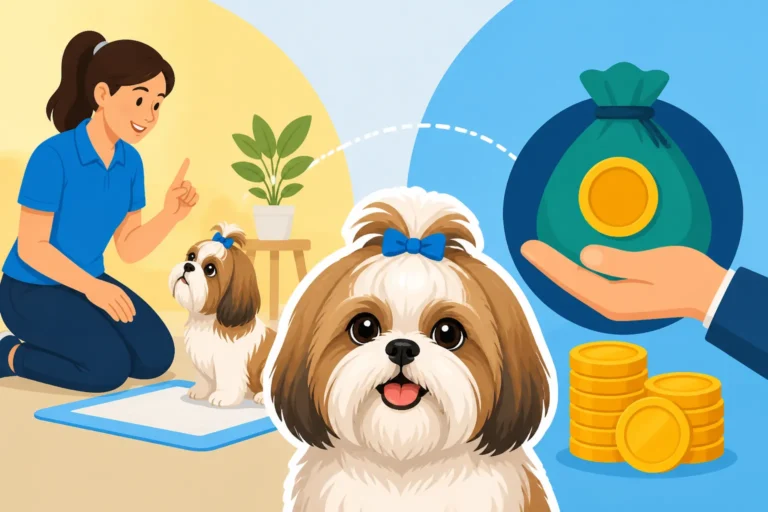
Bringing home a puppy isn't just about providing food and shelter; it's about shaping a well-adjusted companion. This requires a significant investment of time and, often, money into training and socialization. Puppy classes are an invaluable resource, offering a controlled environment for your Shih Tzu to learn basic commands like sit, stay, and come, while also interacting safely with other puppies and people. These classes typically run for several weeks and cost anywhere from $150 to $300, depending on the facility and instructor. They are especially important for a breed like the Shih Tzu, which, despite its cuddly nature, can be prone to stubbornness if not guided consistently. Finding Puppy Classes That Suit a Shih Tzu means looking for instructors who understand toy breeds and use positive reinforcement methods.
Sometimes, puppy classes aren't enough, or your schedule doesn't permit group sessions. Private training sessions, while more expensive (often $75-$150 per hour), can be incredibly beneficial for addressing specific behavioral challenges or for owners who prefer one-on-one guidance. Beyond formal training, socialization is key. This means carefully exposing your puppy to a variety of sights, sounds, people, and other vaccinated, friendly dogs in a positive way during their critical development period. While many socialization experiences can be free, attending puppy playgroups, dog-friendly cafes, or enrolling in doggy daycare for supervised play can incur costs, but the payoff in a confident, well-behaved adult dog is immeasurable. Ignoring this early investment can lead to behavioral issues down the line that are far more costly, both emotionally and financially, to correct.
Routine Annual Costs for an Adult Shih Tzu (Years 2-7)
Once your Shih Tzu is past the rambunctious puppy stage, typically around one year old, the nature of the costs shifts from initial setup to ongoing maintenance. While there are fewer "big ticket" purchases, the cumulative effect of regular veterinary care, grooming, and everyday supplies forms the backbone of your annual budget.
Standard Veterinary Care
For a healthy adult Shih Tzu in their prime, routine veterinary care is generally predictable. You’ll typically schedule an annual check-up, which includes a thorough physical examination to ensure everything from their eyes to their joints is in good order. During this visit, your vet will likely administer necessary booster vaccinations, such as for distemper, parvovirus, and rabies, ensuring your dog's immunity remains strong. You might refer back to information on Shih Tzu Vaccination and Toy Breed Reactions to understand the importance of tailoring vaccine protocols to small breeds.
Beyond vaccinations, a significant ongoing cost is parasite prevention. Monthly heartworm medication, which is vital even for indoor dogs, can cost around $8-$15 per month. Flea and tick prevention, whether topical or oral, adds another $15-$30 per month. These aren't optional; these preventatives protect your Shih Tzu from debilitating and potentially fatal diseases. Some vets also recommend annual or bi-annual routine bloodwork for adult dogs, especially as they approach middle age, to catch any underlying health issues early. While a relatively healthy adult Shih Tzu might not incur huge veterinary bills each year, these standard preventative measures are non-negotiable and form a steady, calculable expense within your annual budget.
Grooming and Nutritional Needs
The Shih Tzu's luxurious double coat is one of its most defining features, but it's also a major commitment in terms of grooming, and consequently, cost. While you can certainly learn to do some grooming at home, most Shih Tzu owners opt for professional grooming every 4-8 weeks to keep their dog's coat healthy, mat-free, and looking its best. A typical Shih Tzu Grooming at $50 to $90 a Session can quickly add up, easily becoming one of the largest regular expenses. Factors like coat condition (matted coats incur extra fees), the complexity of the desired style (like a full show coat versus a simple puppy cut), and location can push these prices higher.
Even with professional grooming, daily or every-other-day home brushing is essential to prevent mats and tangles, especially in longer coats. This means investing in quality brushes, combs, detangling sprays, and nail clippers. Regular bathing at home between professional grooms is also often necessary. When it comes to nutrition, feeding a Shih Tzu typically involves a high-quality dry kibble, wet food, or even fresh food options. For a dog that typically weighs around Feeding a Shih Tzu at Twelve Pounds, they don't eat a huge amount, but quality food isn't cheap. Brands like Ollie, for example, offer fresh, human-grade food delivered to your door, which can be an excellent option for sensitive stomachs but comes at a premium price. Factor in the cost of healthy training treats and occasional dental chews, which are crucial for maintaining good oral hygiene in their crowded little mouths.
Everyday Supplies and Miscellaneous
Beyond the vet and grooming salon, there's a constant trickle of everyday necessities that add up over the course of the year. Think about replacing worn-out toys – Shih Tzus, despite their small size, can be surprisingly enthusiastic chewers! You'll also go through countless rolls of waste bags, especially if you live in an urban environment where frequent outdoor potty breaks are the norm. Dental care products, like dog-specific toothpaste and toothbrushes, are essential for home care, given the breed's predisposition to dental issues.
As your Shih Tzu grows, their bedding might need replacing due to wear and tear, or you might upgrade their leash and harness. And let's not forget the occasional unexpected expense that falls into the "miscellaneous" category. Perhaps you need a new car seat or booster for safe travel, or you're planning a vacation and need to consider pet sitting or boarding fees. Finding Who Will Board a Flat-Faced Shih Tzu can sometimes be a challenge, as some facilities have restrictions due to their brachycephalic breathing risks. These costs might not hit every month, but when they do, they can add a significant chunk to your budget.
Rising Costs in Senior Years (Year 8 and Beyond)
The beautiful thing about Shih Tzus is their relatively long lifespan, often living 10-16 years, with many reaching their mid-teens. However, as they enter their senior years, typically around age eight or nine, the financial landscape of their care begins to shift significantly, often leaning heavily towards managing age-related health issues.
Increased Veterinary Expenses
This is where the costs really start to escalate for many Shih Tzu owners. As dogs age, their bodies, much like ours, become more susceptible to various health conditions. You'll likely find yourself making more frequent trips to the veterinarian, not just for annual check-ups, but for monitoring specific health concerns. Senior pets often require comprehensive senior blood panels and urinalysis more frequently, perhaps every 6-12 months, to screen for conditions like kidney disease, liver issues, and diabetes. Early detection can lead to more effective management and a better quality of life. For more on what to expect, consider reading about Senior Shih Tzu Care Past the Age of Ten.
Common age-related conditions in Shih Tzus include:
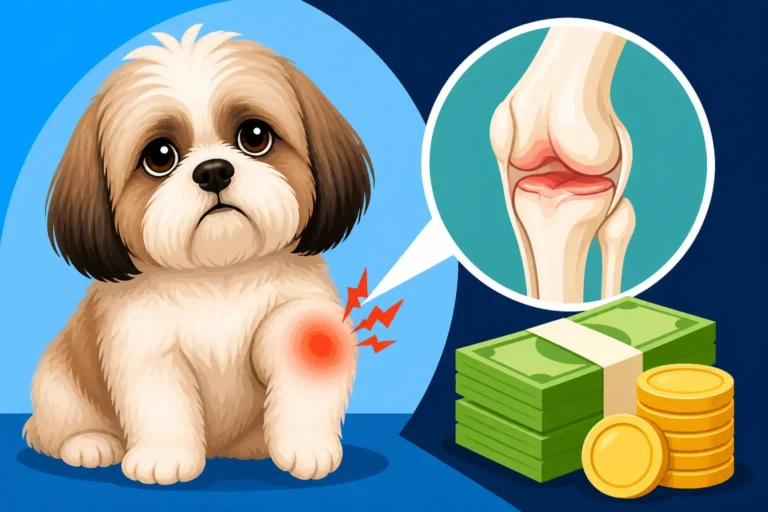
- Arthritis: Many older Shih Tzus develop Shih Tzu Arthritis After the Age of Nine, requiring pain management, anti-inflammatory medications, and potentially joint supplements. These medications can become a recurring monthly cost.
- Dental Disease: Despite diligent home care, many Shih Tzus will need more frequent professional dental cleanings under anesthesia in their senior years, and often multiple tooth extractions due to severe Shih Tzu Dental Disease at 13 Percent of the Breed. These procedures are expensive, often costing hundreds to over a thousand dollars per cleaning, especially with extractions.
- Heart Issues: Mitral valve disease is common in small breeds, and an aging Shih Tzu might develop a heart murmur or even congestive heart failure. Managing Shih Tzu Heart Murmurs and Valve Disease involves medications like diuretics, ACE inhibitors, and other cardiac drugs, which are daily, lifelong expenses.
- Kidney Disease: This can lead to increased thirst, urination, and a decline in appetite. Management often involves prescription diets and medications.
- Vision and Hearing Loss: While not always requiring expensive treatments, vision and hearing loss can necessitate changes to your home environment or routine, which can have indirect costs.
These conditions often require ongoing prescription medications, specialized diagnostic tests (like X-rays or ultrasounds), and potentially referrals to veterinary specialists, all of which come with a hefty price tag. It's not uncommon for a senior Shih Tzu's veterinary bills to double or even triple compared to their younger adult years.
Specialized Care and Comforts
Beyond medical treatments, senior Shih Tzus often benefit from specialized care and comforts that can also add to the monthly budget. Many senior dogs require specialized diets tailored to their changing nutritional needs or specific health conditions. For instance, a Shih Tzu with kidney disease might need a prescription renal diet, which is typically more expensive than regular kibble. Similarly, dogs with severe dental disease might require softer foods or specific dental formulations. Online retailers like Chewy are excellent resources for finding these specialized foods, often at a better price than veterinary clinics, but they are still a premium expense.
Mobility aids can significantly improve a senior Shih Tzu's quality of life. As arthritis or Shih Tzu Disc Disease and Sudden Back Pain progresses, ramps become indispensable for allowing them to safely access furniture without jumping, which can exacerbate back problems. Investing in Ramps for a Shih Tzu With a Long Spine or orthopedic beds can provide comfort and prevent further injury. You might also find yourself purchasing slings or supportive harnesses to help a wobbly senior navigate stairs or get outside. Grooming needs can also change; an older dog with sensitive joints might require more gentle handling, or their coat might become thinner, making them more prone to matting if not brushed carefully. Regular professional grooming may even become more frequent for those who can no longer tolerate extensive home brushing.
The Role of Pet Insurance and Emergency Funds
Given the unpredictable nature of pet health, especially as a Shih Tzu ages, understanding how to mitigate financial risk is paramount. Pet insurance and a dedicated emergency fund are two vital tools in your financial planning arsenal.
Understanding Pet Insurance for Shih Tzus
Pet insurance can be a literal lifesaver, transforming potentially devastating vet bills into manageable monthly premiums and deductibles. For a flat-faced toy breed like the Shih Tzu, insurance is particularly relevant due to their predispositions to certain health issues, such as brachycephalic airway syndrome, eye proptosis, and dental disease. When considering Shih Tzu Pet Insurance for a Flat-Faced Toy, it's crucial to compare policies carefully. Look at the annual premium, the deductible (how much you pay before coverage kicks in), the reimbursement rate (typically 70-90% of eligible costs), and the annual maximum payout.
It's vital to enroll your Shih Tzu as early as possible – ideally as a puppy. Pet insurance policies typically have waiting periods for certain conditions, and more importantly, they generally do not cover pre-existing conditions. This means if your Shih Tzu develops an eye issue before you enroll or during the waiting period, that specific condition may be excluded from coverage for the life of the policy. For instance, if you wait until your dog experiences Shih Tzu Eye Proptosis, the Emergency Owners Miss to enroll, that emergency and any related future eye care would likely be considered pre-existing. Some policies, such as those from Healthy Paws, are known for comprehensive coverage, but even they will have specific terms regarding hereditary or congenital conditions common in Shih Tzus. Understanding these nuances before a problem arises is key to maximizing the benefit of your policy.
The Importance of an Emergency Fund
While pet insurance is fantastic for unexpected illnesses and accidents, it's not a silver bullet. Most policies don't cover routine wellness exams, vaccinations, or preventative medications. There are also usually deductibles you need to meet, and some conditions might have specific exclusions or lower reimbursement rates. This is where a dedicated emergency fund comes into play. Imagine your Shih Tzu suddenly experiencing Shih Tzu Disc Disease and Sudden Back Pain, leading to an emergency vet visit, an MRI, and potentially surgery, which could easily cost several thousand dollars. Even with insurance, you'd still be responsible for your deductible and a percentage of the total bill.
Having a separate savings account specifically for pet emergencies ensures you can cover these immediate costs without stress or delay. A good rule of thumb is to aim for at least $2,000 to $5,000 in your pet emergency fund. This fund can cover the deductible, the portion of a vet bill not covered by insurance, or procedures that might not be covered at all. It provides a crucial safety net, allowing you to make medical decisions based on what's best for your Shih Tzu, rather than what you can afford at that very moment. Building this fund gradually throughout their younger years means you're prepared when they inevitably hit those senior years and the higher vet bills that often come with them.
Comparing the Financial Journey: Year One vs. Year Eight
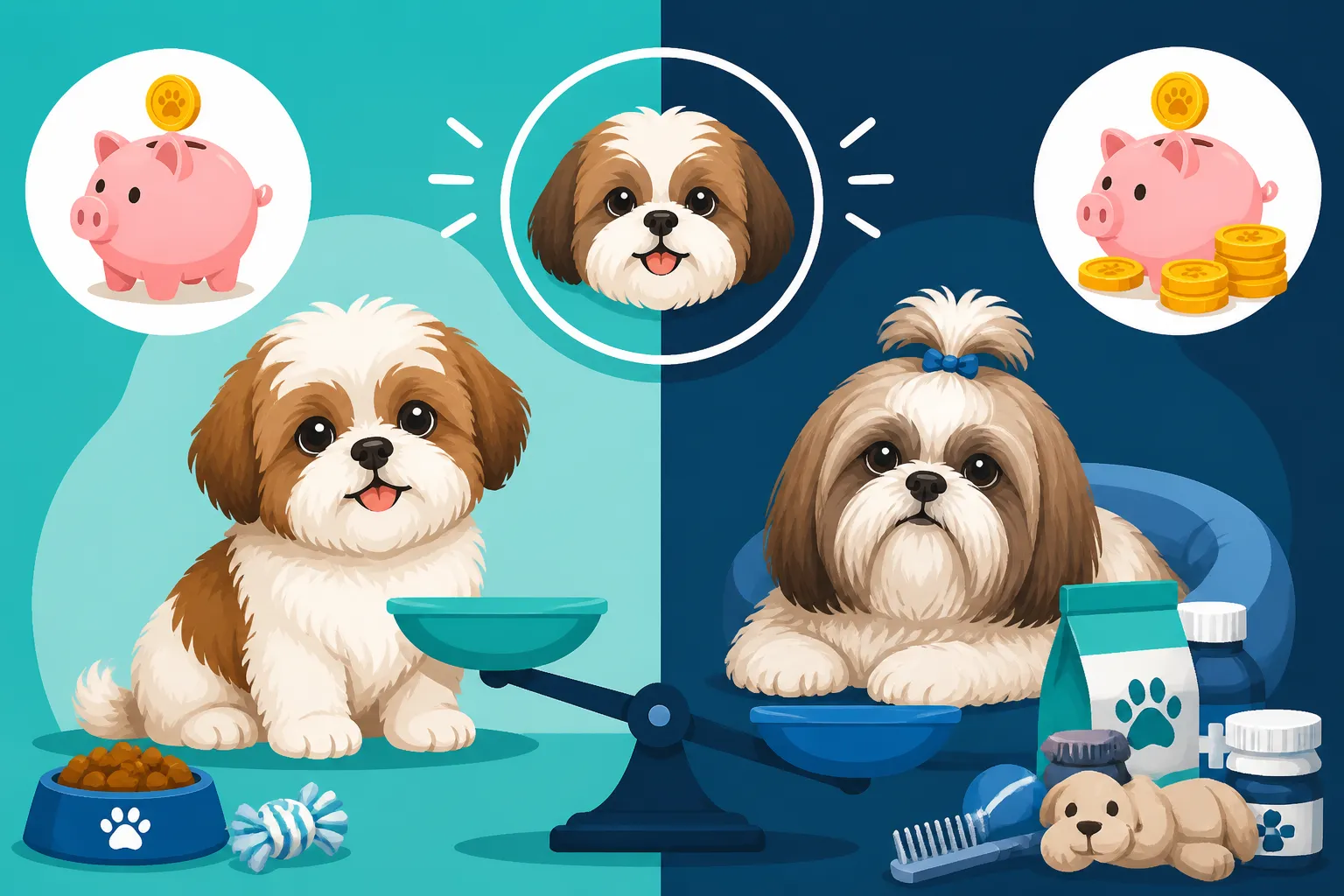
It’s clear that the financial demands of Shih Tzu ownership aren't static; they ebb and flow with your dog’s life stages. Understanding this shift is essential for responsible pet parenting.
Shifting Cost Priorities
In year one, the financial focus is heavily on initial acquisition, setting up your home for a puppy, and foundational preventative care and training. You're investing in getting your Shih Tzu off to the best possible start, with costs centered around puppy shots, spaying/neutering (if applicable), microchipping, crate, bed, food, and training classes. These are often one-time or short-term expenses that lay the groundwork for a happy, healthy life. The expenditures tend to be high initially but then stabilize for several years.
By year eight, your priorities have almost completely reversed. The upfront costs are long gone, replaced by a consistent, often increasing, stream of expenses related to maintaining the health and comfort of a senior dog. The focus shifts dramatically towards managing age-related health conditions, specialized diets, more frequent veterinary visits, ongoing medications, and comfort aids. While the monthly grooming and food costs remain, they are often overshadowed by the medical bills. The sheer volume of medical expenses in a senior dog's life can be astounding, making that initial puppy purchase seem almost negligible in comparison.
Here’s a simplified breakdown to illustrate the difference:
| Category | Typical Cost in Year One (Estimate) | Typical Cost in Year Eight (Estimate) | Notes |
|---|---|---|---|
| Purchase Price/Adoption Fee | $1,000 – $2,500 | $0 | One-time cost. |
| Initial Vet Care (Vax, Deworm, Microchip) | $200 – $500 | $0 (boosters covered below) | Puppy-specific vet visits. |
| Spay/Neuter | $200 – $800 | $0 | One-time surgical cost. |
| Annual Vet Wellness Exam | $100 – $250 | $150 – $400+ | Often includes more tests (bloodwork, urinalysis) for seniors. |
| Ongoing Medications (Heartworm/Flea/Tick) | $200 – $400/year | $200 – $400/year | Consistent throughout life. |
| Grooming (Professional) | $300 – $600/year | $300 – $800+/year | May increase with age if coat care is harder for the dog/owner, or more frequent visits are needed. |
| Food & Treats | $300 – $600/year | $400 – $900+/year | Specialized senior or prescription diets are more expensive. |
| Basic Supplies (Crate, Bed, Bowls, Leash) | $200 – $400 | $50 – $200/year | Replacement items, or new comfort items (ortho bed, ramp). |
| Training Classes | $150 – $300 | $0 | Primarily a puppy expense. |
| Unexpected Medical Costs (Emergency/Chronic Disease) | $0 – $500 | $500 – $3,000+/year | High potential for emergencies (e.g., Shih Tzu Eye Proptosis, the Emergency Owners Miss) or chronic disease management in later years. |
| Pet Insurance Premiums | $300 – $600/year | $500 – $1,000+/year | Premiums often rise with age and claims history. |
| Total (Approximate) | $3,000 – $7,000+ | $2,000 – $7,000+ | Note: Year 1 is heavily upfront, Year 8 is often ongoing and less predictable due to health. Does not include insurance reimbursement effect. |
Please note: These are estimates and actual costs can vary greatly based on location, individual dog's health, and owner choices.
Long-Term Financial Planning for Your Shih Tzu
Understanding the changing cost structure is the first step toward effective long-term financial planning for your Shih Tzu. It's not enough to just budget for the puppy phase; you need to envision the financial commitment across their entire lifespan, which for a Shih Tzu could easily be well over a decade. Looking at the Thirteen Years of Shih Tzu Costs Added Up can truly put things into perspective.
Here are some actionable tips for planning:
- Start an Emergency Fund Early: As discussed, this is non-negotiable. Aim to build it up during their healthy adult years when veterinary expenses are usually lower.
- Consider Pet Insurance: Research and purchase a comprehensive policy when your Shih Tzu is young to get the best rates and avoid pre-existing condition exclusions. Understand what it covers and what it doesn't.
- Factor in Age-Related Increases: Mentally (and financially) prepare for higher vet bills, prescription costs, and specialized care as your Shih Tzu enters their senior years. Don't be caught off guard.
- Prioritize Preventative Care: Regular vet visits, quality food, and consistent grooming can help prevent more serious and expensive health issues down the line. An ounce of prevention is truly worth a pound of cure.
- Be Realistic: Owning a Shih Tzu is a significant financial commitment. It's not just about the cute puppy; it's about providing quality care for a companion who will rely on you completely for potentially 15 years or more. Understanding these costs from the outset helps ensure you can provide the loving, responsible home they deserve at every stage of their life.
Disclaimer
As a friendly lifestyle blogger, I am not a veterinarian or financial advisor. The information provided in this article is for general informational and entertainment purposes only, and does not constitute professional advice. Always consult with a qualified veterinarian for any health concerns or before making any decisions about your pet's health or medical treatment. For financial advice, please consult a certified financial planner.