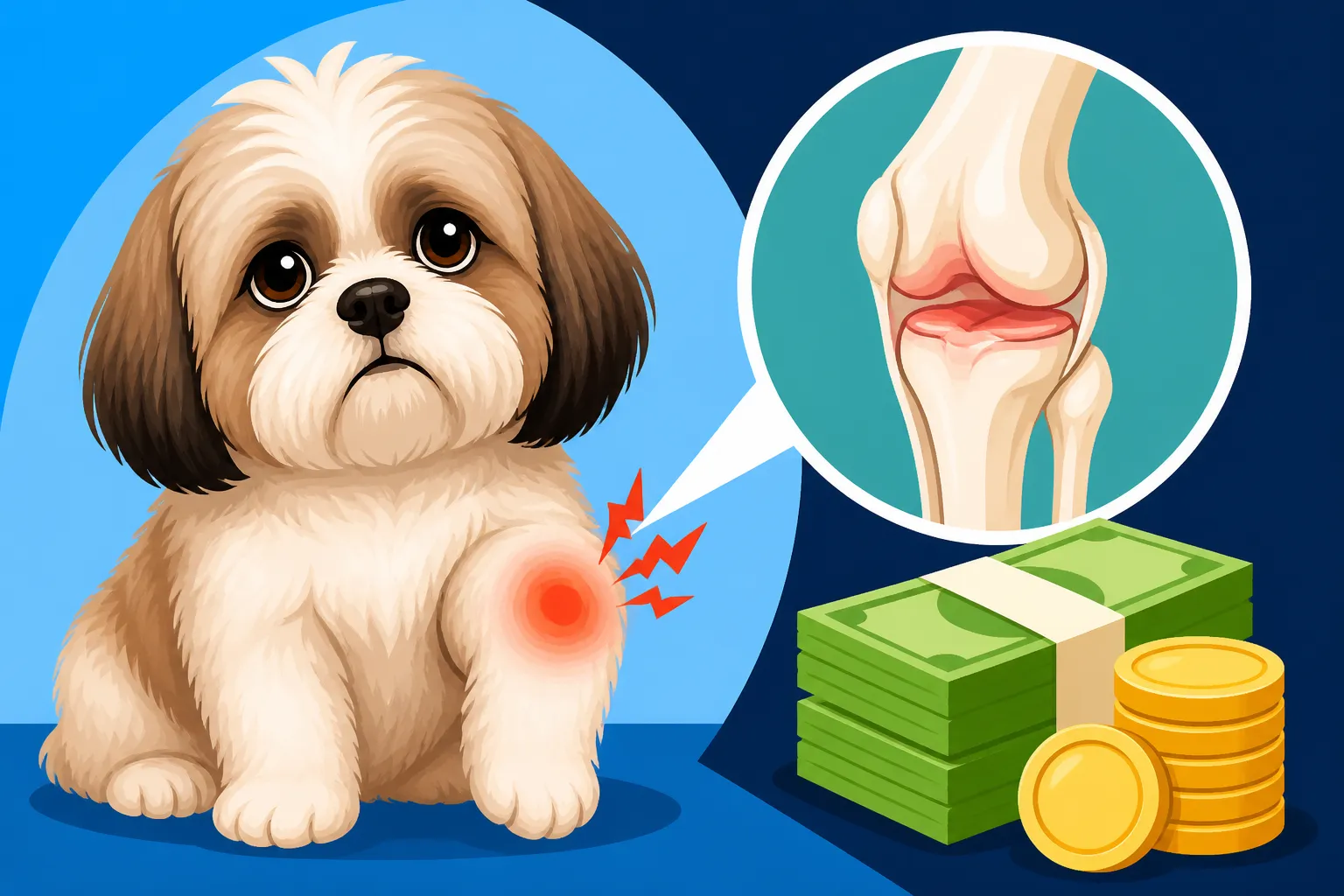
What One Shih Tzu Knee Costs to Repair
There's nothing quite like the heart-stopping moment when your bouncy little Shih Tzu suddenly yelps, skips a step, or starts limping, favoring one of their adorable back legs. Your mind immediately races, wondering what happened and, let's be honest, how much it might cost to fix. When it comes to a common orthopedic issue like a knee problem, specifically patellar luxation, the costs can indeed add up. This guide is here to walk you through the various financial aspects you might face, from initial diagnosis to complex surgical repairs and the long road of recovery.
Unraveling the Mystery: Why Shih Tzus Face Knee Issues and Initial Diagnostic Costs
Shih Tzus are a toy breed known for their charming personalities and flowing coats, but like many small dogs, they come with a predisposition to certain health conditions. One of the most prevalent orthopedic issues that can plague their active little legs is patellar luxation, which simply means a kneecap that slips out of place. It can be a scary discovery, leaving you wondering why your precious pup is suddenly struggling.
Understanding Patellar Luxation, the Most Common Culprit
Patellar luxation is a condition where the patella, or kneecap, dislocates from its normal groove in the thigh bone (femur). It can slip either to the inside (medial luxation) or the outside (lateral luxation) of the leg. This might sound minor, but imagine your own kneecap constantly popping out – it's painful and can lead to further damage over time. Shih Tzus, due to their unique conformation, including sometimes shallower femoral grooves and slightly bowed legs, are particularly susceptible.
The condition is graded from 1 to 4, with Grade 1 being a kneecap that only occasionally slips out and can easily be put back into place, often by the dog itself with a little skip or shake. Grade 4, on the other hand, means the kneecap is permanently dislocated, causing significant lameness and discomfort. It's often noticed when your Shih Tzu performs a sudden movement, jumps off furniture, or even just during regular walks, manifesting as a sudden lift of the leg, a yelp, or a reluctance to put weight on it. Understanding the specific mechanics of Patellar Luxation in a Shih Tzu is the first step toward finding a solution.
The Cost of the First Vet Visit and Diagnosis
When you first notice your Shih Tzu showing signs of knee discomfort, your general veterinarian is your first port of call. This initial consultation is crucial for evaluating the lameness, checking the range of motion in the joint, and manually assessing the kneecap's stability. During this visit, your vet will perform a thorough physical exam, which usually costs anywhere from $60 to $150, depending on your location and the clinic's fees.
To get a clearer picture of the underlying issue and rule out other potential causes of lameness, your vet will likely recommend X-rays of the affected leg and possibly the hips. X-rays can show the alignment of the bones, the depth of the trochlear groove, and any signs of arthritis that may be developing due. A set of X-rays can range from $150 to $400, sometimes requiring light sedation to ensure proper positioning, which adds another $50 to $150 to the bill. This diagnostic phase is essential to confirm patellar luxation and determine its severity, setting the stage for treatment discussions.
When a Specialist is Needed: Orthopedic Consultation Costs
In many cases, especially if the luxation is severe (Grade 3 or 4), or if your general vet believes there are complicating factors, they might recommend a consultation with a board-certified veterinary orthopedic specialist. This isn't just a fancy title; these specialists have extensive training and experience in diagnosing and treating complex bone and joint conditions. Their expertise can be invaluable in determining the best course of action.
A specialist consultation often involves a more in-depth examination, reviewing your dog's history and previous X-rays, and possibly taking additional, more specific diagnostic images. Because of their specialized knowledge and advanced equipment, these consultations come at a higher price point, typically ranging from $200 to $500. While it's an added expense, getting a definitive diagnosis and a tailored treatment plan from an expert can save you money and worry in the long run by avoiding unnecessary or ineffective treatments. They can also provide a more accurate prognosis for recovery.
The Core of the Expense: Shih Tzu Knee Surgery Costs
Once patellar luxation is diagnosed, especially if it's causing consistent pain, lameness, or is a higher grade, surgery is often the recommended path to restore comfort and mobility. The cost of this surgery is usually the most significant portion of the total expense, encompassing several intricate procedures.
Decoding Patellar Luxation Surgery Techniques and Prices
Patellar luxation surgery isn't a one-size-fits-all procedure; it involves a combination of techniques tailored to correct the specific anatomical abnormalities causing the kneecap to slip. The primary goals are to deepen the trochlear groove, realign the quadriceps mechanism, and tighten or release surrounding soft tissues. Common surgical techniques include:
- Trochlear Sulcoplasty (or Wedge Resection/Block Recession): This involves deepening the groove in the femur where the kneecap sits, preventing it from slipping out.
- Tibial Crest Transposition: This procedure involves moving the bony attachment of the patellar ligament on the shin bone (tibia) to a more appropriate position, ensuring the quadriceps muscle, patella, and patellar ligament are all in a straight line.
- Soft Tissue Release or Tightening: Depending on whether the kneecap is luxating medially or laterally, the soft tissues on one side may be too tight and on the other side too loose. The surgeon will adjust these to help stabilize the kneecap.
The complexity of these procedures, the grade of luxation, and regional veterinary costs all influence the price. Generally, you can expect patellar luxation surgery for one Shih Tzu knee to cost anywhere from $1,500 to $4,000. If both knees require surgery, the cost will obviously be higher, though sometimes a discount is offered for the second procedure if done simultaneously or soon after. This cost usually includes the surgeon's fees, the surgical materials, and a portion of the post-operative care. Learning about Shih Tzu Kneecap Surgery and Recovery can help you prepare for what's ahead.
Surgical Facility Fees, Anesthesia, and Hospitalization
Beyond the surgeon's specific fees for the procedure itself, there are significant costs associated with the surgical facility. These typically include:
- Anesthesia: As a brachycephalic (flat-faced) breed, Shih Tzus can have increased risks associated with anesthesia due to their compromised airways. This often means more intensive monitoring by a dedicated technician throughout the surgery and recovery, which contributes to the cost. Pre-anesthetic bloodwork is also mandatory to ensure your dog is healthy enough for anesthesia. These costs can range from $300 to $800. We often discuss the specific needs of brachycephalic dogs when considering procedures like Anesthesia on a Flat-Faced Shih Tzu.
- Operating Room and Equipment Use: The sterile environment, specialized instruments, and support staff all factor into the overall cost.
- Hospitalization: Most Shih Tzus will need to stay overnight, sometimes for a few days, after knee surgery for pain management, wound care, and close monitoring. Daily hospitalization fees can range from $100 to $300 per night.
These "hidden" costs are standard components of any major surgery and are crucial for ensuring your Shih Tzu's safety and successful recovery. They are usually itemized on your final bill, so don't be surprised when you see them.
Potential Complications and Their Financial Impact
While patellar luxation surgery has a high success rate, complications can occur, and it's important to be prepared for the possibility, both emotionally and financially. Some potential issues include:
- Infection: Despite sterile environments, infections can sometimes happen. This might require additional antibiotics, wound care, or in severe cases, another surgical procedure to clean the site, adding hundreds to thousands of dollars to the total.
- Implant Failure: If pins or wires are used to stabilize the bone, they can occasionally loosen or cause irritation, potentially requiring removal surgery.
- Re-luxation: In some instances, the kneecap can luxate again, especially if the initial luxation was severe or if your Shih Tzu is overly active during recovery. This would likely necessitate another corrective surgery.
- Arthritis Development: Even with successful surgery, the joint may still be prone to developing Shih Tzu Arthritis After the Age of Nine, which can lead to ongoing management costs.
These complications, though uncommon, can significantly increase the total cost of knee repair. It's wise to discuss these possibilities with your veterinary surgeon during the consultation so you're fully informed.
The Road to Recovery: Post-Operative Care and Long-Term Expenses
The surgical procedure is only one part of the journey. The recovery period is just as critical for a successful outcome and involves its own set of costs, ranging from medications to rehabilitation therapies and essential home adjustments.
Managing Pain and Rehabilitation: Medications and Physical Therapy
Post-operative pain management is paramount to your Shih Tzu's comfort and helps facilitate a smooth recovery. Your vet will prescribe various medications, typically including:
- Pain Relievers: Non-steroidal anti-inflammatory drugs (NSAIDs) and other analgesics to manage discomfort. A month's supply might cost $30 to $100.
- Antibiotics: To prevent infection, especially in the initial weeks post-surgery. These might run $20 to $70.
- Sedatives: Sometimes prescribed to keep overly active dogs calm during the critical initial healing phase.
- Joint Supplements: Your vet might recommend supplements like glucosamine and chondroitin for long-term joint health. Products from brands available on Chewy, like Cosequin or Dasuquin, can cost $20 to $50 per month.
Physical therapy (PT) can play a huge role in optimizing recovery, restoring full range of motion, and building muscle strength around the joint. This might involve controlled exercises, hydrotherapy, laser therapy, or massage. A single physical therapy session can cost anywhere from $50 to $150, and your Shih Tzu might need several weeks or months of these sessions, adding hundreds of dollars to the total recovery bill. This comprehensive approach to Joint Support for a Shih Tzu Back and Knees is vital for overall mobility.
Essential Recovery Supplies and Home Adjustments
Bringing your Shih Tzu home after surgery requires a bit of preparation and some essential supplies to ensure their comfort and prevent re-injury. These might include:
- E-Collar (Cone of Shame): Essential to prevent your dog from licking or chewing at their incision site. This usually costs $15 to $40.
- Orthopedic Bed: A comfortable, supportive bed can aid recovery, especially for a dog with joint issues. High-quality orthopedic beds might cost $50 to $150.
- Ramps or Stairs: To prevent jumping on or off furniture, which can strain the healing knee. Ramps can be an investment of $50 to $150. This is particularly important for small breeds where Why Stairs Are Hard on a Shih Tzu Spine is a concern.
- Non-Slip Mats or Rugs: To provide traction on slippery floors, reducing the risk of slips and falls that could re-injure the knee.
- Sling or Support Harness: For assisting with mobility during the initial recovery, especially for going outside. These typically cost $20 to $60.
- Specialized Food: Your vet might recommend a prescription diet to aid healing or manage weight, which can be purchased from places like Chewy.
While some items are one-time purchases, others, like joint supplements or specialized food from brands like Ollie, might be ongoing expenses.
Ongoing Care and Preventing Future Joint Problems
Even after your Shih Tzu has fully recovered from surgery, ongoing care is important to maintain their joint health and prevent future issues. This includes:
- Weight Management: Keeping your Shih Tzu at a healthy weight is paramount to reducing stress on their joints. Even a couple of extra pounds can significantly impact a small breed like a Shih Tzu. This is a critical aspect of managing Shih Tzu Obesity on a Sixteen Pound Frame. High-quality food options like those offered by Ollie can help maintain an ideal weight.
- Regular Exercise: Controlled, low-impact exercise helps maintain muscle mass and joint flexibility without overstraining the knee.
- Routine Veterinary Check-ups: Regular visits allow your vet to monitor joint health and address any emerging issues promptly.
- Joint Supplements: Continued use of supplements can support cartilage health.
- Environmental Modifications: Continuing to use ramps or restricting access to high furniture can prevent future injuries.
These long-term strategies, while seemingly small individually, contribute to the overall cost of ownership over your Shih Tzu's lifespan but are invaluable for their quality of life.
Navigating the Financial Landscape: Strategies to Afford Your Shih Tzu's Knee Repair
The costs associated with Shih Tzu knee repair can be substantial, often catching owners off guard. Fortunately, there are several strategies and resources available to help you manage these expenses.
The Lifeline of Pet Insurance: What It Covers and What to Expect
Pet insurance can be an absolute lifesaver when facing unexpected veterinary bills like knee surgery. If you enrolled your Shih Tzu before the patellar luxation developed or was diagnosed, your policy could cover a significant portion of the costs. Many providers, such as Healthy Paws, offer plans that reimburse you for a percentage of your veterinary expenses after you meet your deductible.
It's crucial to understand that pet insurance typically does not cover pre-existing conditions. This means if your Shih Tzu was diagnosed with patellar luxation before you purchased a policy or during a waiting period, the surgery might not be covered. This highlights the importance of enrolling your pet in insurance when they are young and healthy. When looking into policies, always read the fine print regarding hereditary conditions and look for any Brachycephalic Exclusions on a Shih Tzu Policy that might apply to your breed. Understanding Shih Tzu Insurance Premiums Month by Month is key to factoring it into your budget.
Exploring Payment Plans and Veterinary Financing Options
If you don't have pet insurance or if your policy doesn't cover the full cost, don't despair. Many veterinary clinics understand the financial burden of major surgeries and offer solutions:
- In-House Payment Plans: Some clinics offer their own payment plans, allowing you to pay the total cost over several months. Be sure to ask about any interest rates or fees associated with these plans.
- Veterinary Credit Cards (e.g., CareCredit): Services like CareCredit are specifically designed for healthcare expenses, including veterinary care. They offer special financing options, often with deferred interest if the balance is paid within a promotional period. Applying for Vet Credit Lines for a Shih Tzu Emergency can provide immediate relief.
- Financial Aid Programs: Several non-profit organizations exist to help pet owners who are struggling to afford veterinary care. Programs like The Pet Fund, RedRover, or breed-specific rescues might offer grants or assistance. A quick online search for "veterinary financial aid for dogs" or "Shih Tzu rescue financial help" can yield relevant results.
It's always worth having an open and honest conversation with your veterinary team about your financial concerns. They often have resources or suggestions you might not be aware of.
Budgeting for the Unexpected and Emergency Funds
The best defense against unexpected veterinary costs is a good offense: a dedicated emergency fund. Setting aside a small amount each month into a savings account specifically for your pet's healthcare can make a huge difference when a sudden illness or injury strikes. This isn't just for knees; it covers everything from a sudden dental issue to an emergency visit for a stomach upset. Considering the average Thirteen Years of Shih Tzu Costs Added Up, building such a fund is a prudent part of responsible pet ownership.
Even if you have insurance, an emergency fund can cover your deductible, co-pays, or expenses not covered by your policy. For breeds like the Shih Tzu, with their predispositions to specific health issues, planning for the unexpected is simply a part of being a loving owner. Knowing What a Shih Tzu Costs Each Month With Grooming In can help you plan your overall budget to include potential emergency savings.
| Expense Category | Estimated Cost Range (USD) | What It Includes |
|---|---|---|
| Diagnosis | ||
| Initial Vet Exam | $60 – $150 | Physical exam, palpation of joint |
| X-rays (incl. sedation) | $200 – $550 | Radiographs of affected limb, mild sedation if needed |
| Specialist Consultation | $200 – $500 | In-depth orthopedic exam, review of history, specialist advice |
| Surgery | ||
| Patellar Luxation Surgery (per knee) | $1,500 – $4,000 | Surgeon's fees, surgical techniques (sulcoplasty, tibial crest transposition, etc.) |
| Anesthesia & Monitoring | $300 – $800 | Pre-anesthetic bloodwork, anesthesia administration, vital signs monitoring |
| Hospitalization (1-3 days) | $100 – $300 per night | Overnight stay, nursing care, pain management administration |
| Post-Operative Care | ||
| Medications (1st month) | $100 – $300 | Pain relievers, anti-inflammatories, antibiotics, sedatives |
| Physical Therapy (per session) | $50 – $150 | Therapeutic exercises, hydrotherapy, laser therapy |
| Recovery Supplies | $100 – $300+ | E-collar, orthopedic bed, ramps, slings, non-slip mats |
| Joint Supplements (monthly) | $20 – $50 | Glucosamine, chondroitin, fish oil for long-term joint health |
| Potential Complications (if applicable) | $500 – $3,000+ | Treatment for infection, revision surgery for re-luxation, implant removal |
| Total Estimated Cost (Excluding Complications) | $2,580 – $7,050+ | This range is for one knee and varies significantly based on grade, location, etc. |
Important Disclaimer
The information provided in this guide is for general informational purposes only and does not constitute veterinary advice. The costs mentioned are estimates and can vary significantly based on your geographic location, the specific veterinary clinic or specialist, the severity of your Shih Tzu's condition, and any complications that may arise. Always consult with a qualified veterinarian for an accurate diagnosis, treatment plan, and cost estimate for your individual pet. Pet insurance policies vary, and coverage depends on your specific plan and the timing of enrollment relative to diagnosis.