What a Shih Tzu Costs Each Month With Grooming In
Bringing a Shih Tzu into your life is an absolute delight, filled with endless cuddles and charming antics, but many new owners quickly realize that the initial puppy price is just the tip of the iceberg. The ongoing, month-to-month expenses can be a real surprise, and without a clear understanding, budgeting can feel impossible. This comprehensive guide will break down all the typical monthly costs you can expect when caring for your beloved Shih Tzu, from food and grooming to healthcare and unexpected incidentals, helping you plan ahead and ensure your furry friend thrives.
The Reality of Monthly Shih Tzu Expenses: More Than Just Food
When you first bring home that adorable, fluffy Shih Tzu puppy, your mind is often focused on the immediate joys – the tiny barks, the wagging tail, the sweet puppy breath. What often gets overlooked in the excitement is the long-term financial commitment. It’s easy to think of "dog costs" as just food, but the reality for a breed like the Shih Tzu is far more nuanced. These aren't just pets; they're family members with specific needs that translate into regular outlays.
Beyond the Initial Puppy Price
That initial purchase price for your Shih Tzu, whether it was $1,000 or even $3,000 from a reputable breeder, is a one-time fee. But the moment that little ball of fluff steps across your threshold, the monthly meter starts running. Think about it: a human baby has a nursery to set up, but then there's formula, diapers, clothes they outgrow every few weeks. A Shih Tzu is no different in terms of recurring needs. You're not just paying for a dog; you're investing in a lifestyle that includes their care.
Many owners find themselves caught off guard because they didn't factor in things like regular vet check-ups, specialized grooming for that magnificent coat, or even the cost of keeping them entertained with safe, small toys. The emotional connection we form with our Shih Tzus often means we want the absolute best for them, and "the best" usually comes with a price tag. Ignoring these ongoing costs can lead to stress, or worse, cutting corners on your dog's care, which is something no loving owner wants to do.
Understanding the "Toy Breed Tax"
It might sound odd, but there’s almost a "toy breed tax" that comes with owning smaller dogs like Shih Tzus, and it impacts your monthly budget in several ways. While they eat less than a Great Dane, their specialized needs can sometimes add up to comparable or even higher costs in certain categories. Their tiny size, for example, makes them prone to certain orthopedic issues like patellar luxation, which can lead to expensive vet bills down the line if not managed or prevented. Their unique facial structure, while undeniably cute, predisposes them to eye issues like Shih Tzu Corneal Ulcers and Dry Eye and Brachycephalic Breathing in a Shih Tzu, requiring specific care and sometimes lifelong medication.
Furthermore, their luxurious double coat, which is a hallmark of the breed, isn't low maintenance. It demands consistent, specialized attention to prevent painful matting and skin issues. This isn't just a matter of aesthetics; it's a critical health concern. So, while you might save a bit on kibble volume compared to a larger dog, you often find those savings reallocated to other essential areas of care that are unique to the Shih Tzu. It's a trade-off, and understanding these breed-specific needs upfront is key to accurate budgeting.
Food: Nailing Down the Daily Kibble Bill
Feeding your Shih Tzu isn't just about putting food in a bowl; it's about providing the right nutrition for their size, energy level, and unique health considerations. The sheer variety of dog food available can be overwhelming, and prices vary wildly, making this one of the most flexible, yet critical, components of your monthly budget.
Kibble vs. Fresh Food: What Your Shih Tzu Eats
When it comes to feeding, you generally have a few main options, each with its own cost implications. The most common choice is dry kibble. For a Shih Tzu, which typically weighs between 9 and 16 pounds, their daily caloric needs are relatively low. Our guide on Feeding a Shih Tzu at Twelve Pounds provides excellent insights into proper portions. A good quality kibble, formulated for small breeds, can range from $20 to $60 for a 10-15 lb bag. Given their small appetites, a single bag can often last a month or even longer, making it the most budget-friendly option on a per-month basis. When choosing kibble, look for brands with high-quality protein as the first ingredient and avoid excessive fillers.
However, many owners are exploring alternatives like fresh-cooked or raw food diets, swayed by perceived health benefits and improved palatability. Services like Ollie deliver pre-portioned, human-grade meals right to your door. While these options often boast superior ingredients and can be fantastic for your Shih Tzu’s coat and digestion, they come at a significantly higher cost. For a small dog like a Shih Tzu, you could be looking at anywhere from $50 to $150 or more per month for fresh-cooked food, depending on the brand and specific plan. Raw diets, if prepared at home, can also incur higher costs for sourcing quality meats and supplements, not to mention the time commitment. It's a balance between your budget and your desire for premium nutrition.
Treats and Supplements: The Little Extras That Add Up
Beyond their main meals, most Shih Tzus enjoy a variety of treats, whether for training, dental health, or just because they're irresistibly cute. While individual treats seem inexpensive, they absolutely add up over the course of a month. Training treats, especially if you're working on basic commands or house training, are a daily necessity. Look for low-calorie, small-sized options that won't contribute to weight gain, especially since Shih Tzu Obesity on a Sixteen Pound Frame is a real concern and can exacerbate other health issues. A bag of quality training treats might cost $5-$15 and could last anywhere from two weeks to a month depending on how generous you are.
Dental chews are another common monthly purchase. Given that Shih Tzu Dental Disease at 13 Percent of the Breed is prevalent due to their crowded mouths, dental hygiene is paramount. Specific dental chews designed for small breeds can help reduce plaque and tartar buildup between professional cleanings. These often cost between $10-$30 for a month's supply. Additionally, some Shih Tzus might benefit from supplements, such as fish oil for a shiny coat, joint support for their little legs and back, or probiotics for sensitive stomachs. These can add another $15-$40 to your monthly bill. It's crucial to factor these "little extras" into your budget, as they contribute significantly to your Shih Tzu's overall well-being and happiness.
Grooming: The Non-Negotiable Monthly Investment
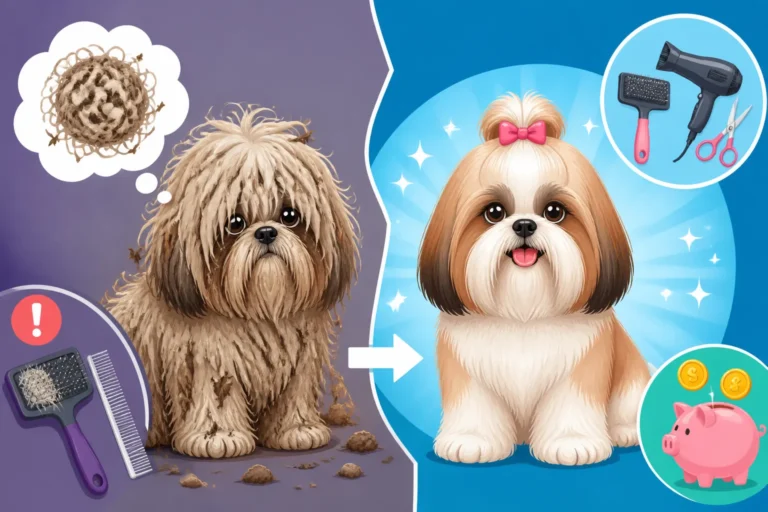
The Shih Tzu's magnificent double coat is one of its most defining features, but it also comes with a significant responsibility – and cost. This isn't a "wash and wear" breed; their hair requires constant attention to prevent matting, skin irritation, and discomfort. Grooming isn't a luxury; it's a fundamental part of their health and well-being.
Professional Grooming vs. DIY: A Cost Breakdown
For many Shih Tzu owners, professional grooming is an indispensable monthly or bi-monthly expense. The average cost for a full professional groom for a Shih Tzu ranges from $50 to $90 a session, depending on your location, the groomer's experience, and the condition of your dog's coat. This usually includes a bath, blow-dry, brush-out, haircut (often a "puppy cut" for easier maintenance), nail trim, ear cleaning, and sometimes anal gland expression. If your Shih Tzu is matted, groomers often charge an additional fee due to the extra time and effort required, or they may even insist on a full shave-down to prevent pain. Most Shih Tzus need a full groom every four to six weeks to keep their coat healthy and manageable, meaning you could be looking at $50 to $180 per month just for professional services.
Alternatively, some dedicated owners choose to groom their Shih Tzu at home. While this can significantly reduce your monthly cash outlay, it requires a substantial upfront investment in equipment and, more importantly, a significant time commitment and skill development. You'll need quality clippers, various blades, a slicker brush, a comb that can reach through both layers of their coat, dog-specific shampoo and conditioner, nail clippers, ear cleaning solution, and a good dryer. Our guide on The Brush and Comb a Shih Tzu Coat Demands can help you choose the right tools. This initial investment can easily run from $150 to $400 or more. Beyond the tools, you'll spend several hours each week bathing, drying, and meticulously brushing your Shih Tzu to prevent mats. If you're not confident in your grooming skills, or if your dog is particularly resistant, a professional groomer is often the safer, less stressful, and ultimately more effective option.
Maintaining the Shih Tzu Coat Between Grooms
Even with professional grooming appointments, the Shih Tzu's coat requires daily attention from you. This isn't a breed where you can skip brushing for a few days without consequences. Their double coat is prone to rapid matting, especially behind the ears, under the legs, and where a harness sits. These mats aren't just unsightly; they pull on the skin, causing pain, irritation, and potential skin infections. Daily brushing, as detailed in our guide Brushing a Shih Tzu Double Coat Every Day, is non-negotiable.
Your monthly budget for between-groom maintenance might include detangling sprays, which can cost $8-$20 and usually last a month or two. You’ll also need to regularly purchase shampoo and conditioner if you're doing partial baths or quick touch-ups between professional sessions. Special tear stain removers and eye wipes are also often needed to keep their delicate facial area clean and prevent unsightly reddish-brown streaks, which can be an additional $10-$25 monthly. These small purchases, while seemingly minor, are crucial for maintaining your Shih Tzu's comfort and hygiene and must be factored into the overall grooming cost.
Specialty Grooming Needs for a Flat-Faced Breed
The Shih Tzu's adorable flat face, or brachycephalic structure, comes with its own set of grooming challenges and monthly costs. The hair around their eyes grows quickly and can easily irritate the cornea, leading to conditions like corneal ulcers. Many owners opt for a regular "topknot" to keep the hair out of their eyes, which means buying hair ties or bows (around $5-$15 per month for replacements if they're frequently lost or chewed). Alternatively, regular face trims are essential, and some owners might pay a groomer a smaller fee for just a face trim between full grooms. Our guide on The Shih Tzu Topknot and Keeping Hair Out of the Eyes offers great tips for managing this.
Another unique need is cleaning their facial folds, if your Shih Tzu has pronounced ones around their nose. Food, moisture, and debris can get trapped there, leading to skin irritation and infections. Regular cleaning with a mild, pet-safe wipe is necessary, adding a small, recurring cost to your supplies. Their long, floppy ears also mean that hair grows deep inside the ear canal, trapping moisture and wax and predisposing them to ear infections. While some groomers will pluck ear hair, it’s a debated practice; regular cleaning with an ear solution (another $10-$20 every month or two) is definitely a must to prevent painful infections. All these small, breed-specific grooming tasks contribute to the overall monthly expenditure, ensuring your Shih Tzu remains happy and healthy.
Health & Wellness: Planning for the Unexpected and Routine
When it comes to your Shih Tzu's health, it’s not just about crisis management; it’s about proactive, preventative care that keeps them vibrant and happy. These monthly or annual costs, when spread out, are crucial investments in their long-term well-being.
Preventative Care: Flea, Tick, and Heartworm
One of the most fundamental aspects of monthly Shih Tzu care is preventative medication for parasites. Fleas, ticks, and heartworms pose serious health threats, and prevention is far less costly and stressful than treatment. Most vets recommend a monthly oral or topical medication for flea and tick control, and a separate monthly oral medication for heartworm prevention. For a small dog like a Shih Tzu, these medications are dosed by weight, and the monthly cost typically ranges from $25 to $50, depending on the specific products prescribed by your veterinarian.
It’s tempting to skip a month or try to save money on cheaper, over-the-counter options, but this is one area where cutting corners can lead to dire consequences. A single case of heartworm can be devastating and incredibly expensive to treat, not to mention the discomfort and risk to your dog. Similarly, a flea infestation can be notoriously difficult and costly to eradicate from your home. Consistent, veterinarian-approved preventative care, as detailed in our resource on Preventives Dosed for a Twelve Pound Shih Tzu, is a non-negotiable monthly expense that safeguards your Shih Tzu’s health.
Pet Insurance: Your Monthly Safety Net
While it’s not a direct healthcare cost in the traditional sense, pet insurance is an increasingly popular monthly investment that acts as a vital safety net for unexpected medical emergencies or chronic conditions. For a Shih Tzu, a breed known for certain predispositions like eye issues, respiratory problems (due to their flat face), and patellar luxation, pet insurance can be a lifesaver. Monthly premiums vary widely based on your location, the age of your dog, the deductible you choose, and the reimbursement percentage.
On average, you can expect to pay between $30 and $70 per month for a comprehensive pet insurance plan for a Shih Tzu. Providers like Healthy Paws are often recommended for their broad coverage. It's important to read the fine print, as most policies have waiting periods and do not cover pre-existing conditions, so it's best to enroll your Shih Tzu when they are young and healthy. While it adds a line item to your monthly budget, the peace of mind knowing that a sudden illness or accident won't bankrupt you can be invaluable. Considering that emergency vet visits can run into thousands of dollars, pet insurance can turn a financial catastrophe into a manageable reimbursement.
Prescription Maintenance: Ongoing Medical Needs
For some Shih Tzus, particularly as they age or if they develop chronic conditions, monthly prescription maintenance becomes a regular budget item. For example, many Shih Tzus are prone to dry eye (keratoconjunctivitis sicca or KCS) or pigmentary keratitis, which often requires daily eye drops, sometimes for life. These prescription eye drops can easily cost $20-$60 per month, depending on the medication and dosage. Our guide on Dry Eye in a Shih Tzu and Lifelong Drops can help explain more about this condition.
Other common conditions that might require ongoing medication include allergies, mild arthritis, or even heart conditions in senior dogs. Allergy medications, whether oral antihistamines, steroids, or specialized immune-modulating drugs, can add $20-$100+ to your monthly bill. Joint supplements for Shih Tzu Arthritis After the Age of Nine might be another regular purchase. If your Shih Tzu is on a special prescription diet for kidney disease or bladder stones, that too will incur a higher monthly food cost than standard kibble. These ongoing pharmaceutical and dietary needs are a reality for many Shih Tzu owners, and it's essential to budget for them to ensure your furry friend maintains their quality of life.
| Category | Low-End Monthly Estimate | High-End Monthly Estimate | Notes |
|---|---|---|---|
| Food | $20 | $150 | Kibble vs. Fresh Food, includes treats and some supplements |
| Grooming | $15 | $180 | DIY supplies + occasional trim vs. professional groom every 4-6 weeks |
| Preventative Meds | $25 | $50 | Flea, tick, heartworm |
| Pet Insurance | $30 | $70 | Varies by age, coverage, deductible |
| Medical (Ongoing) | $0 | $100 | For chronic conditions like dry eye, allergies (if applicable) |
| Supplies | $15 | $40 | Potty pads, waste bags, shampoo, toys, chew replacements |
| Training/Enrichment | $0 | $150 | Classes, daycare, puzzle toys, chews |
| Miscellaneous/Cont. | $10 | $50 | Buffer for small unexpected items, occasional boarding |
| Total Monthly Est. | $115 | $790 | This is a broad range; individual costs will vary significantly based on choices |
Supplies & Accessories: The Everyday Essentials
Beyond food and health, there's a constant need for various supplies and accessories that support your Shih Tzu's daily life. These might seem like small individual purchases, but they contribute to a steady monthly outflow as items wear out, run low, or simply need updating.
Replenishing Basics: Potty Pads, Bags, and Toys
Every month, you'll find yourself needing to restock certain consumables. If you're still house training a puppy, or if your adult Shih Tzu uses indoor potty pads, these are a recurring expense. A large pack of potty pads, depending on brand and size, can cost $15-$40 and might last a month or more, depending on usage. Even if your Shih Tzu exclusively goes outside, waste bags are a daily necessity, and a bulk roll typically costs $5-$15 and lasts several months.
Toys are another regular expense. Shih Tzus, despite their small size, enjoy playing and need mental stimulation. Toys wear out, get lost, or become less exciting over time. Having a rotation of safe, appropriately sized toys is important. Expect to spend $10-$30 monthly on replacing or adding to their toy collection. When shopping for these essentials, online retailers like Chewy can be a great resource, offering subscription services and bulk discounts that can help manage these ongoing costs. These items might not be glamorous, but they are crucial for your Shih Tzu's comfort, hygiene, and happiness.
Bedding and Bowls: Durability and Replacement
While items like dog beds and food bowls aren't typically monthly purchases, they do wear out and occasionally need replacement, which means factoring in a small amount each month for their eventual renewal. A good quality dog bed, especially one designed to support a Beds That Suit a Shih Tzu Back, can cost $40-$100 or more, but with proper care, it should last a year or two. When it eventually needs replacing, that cost will hit your budget. Setting aside $5-$10 per month can help soften the blow when it's time for a new one.
Similarly, food and water bowls, especially if made of ceramic or stainless steel, are durable but not indestructible. Plastic bowls can scratch and harbor bacteria, so they may need more frequent replacement. Many Shih Tzu owners opt for specific bowl shapes to prevent their long ear hair and beard from getting wet or dirty during meals. An elevated feeder or a "whisker-friendly" bowl might be a consideration. While a quality set of bowls might last for years, putting aside a small amount monthly for potential replacements or upgrades is a sensible budgeting strategy.
Training & Enrichment: Investing in a Well-Adjusted Companion
Training isn't just for puppies; it's an ongoing journey that strengthens your bond and ensures your Shih Tzu is a well-behaved, happy member of the family. Enrichment activities are equally vital for their mental and physical well-being, preventing boredom and potential behavioral issues.
Ongoing Training and Socialization
Many Shih Tzu owners invest in puppy classes or private training sessions during the first year, but training shouldn't stop there. Maintaining good manners and reinforcing commands is an ongoing process. While formal classes might not be a monthly commitment for an adult dog, you might occasionally opt for a refresher course, specialty classes (like trick training), or private sessions to address specific behavioral quirks. Group classes can range from $100-$300 for a multi-week course, which, when amortized, might add $10-$30 to your monthly budget during those periods.
Socialization also continues throughout your dog's life. This might involve regular trips to dog-friendly parks (where small dog areas are ideal for a Shih Tzu), playdates with trusted canine friends, or simply exposing them to new sights and sounds in a positive way. While these activities often don't have a direct monthly cost, they do require your time and sometimes small expenses like gas or entry fees to specific venues. A well-socialized and trained Shih Tzu is less prone to anxiety, fear-based aggression, or excessive barking, saving you potential costs related to behavior modification or property damage down the line.
Daycare and Walkers: When You Can't Be There
For Shih Tzu owners who work long hours, travel frequently, or simply want to provide extra enrichment, services like doggy daycare or dog walkers become a monthly consideration. Shih Tzus are companion animals through and through; they thrive on interaction and can suffer from separation anxiety if left alone for extended periods. Our guide on Whether a Shih Tzu Should Be Left All Day highlights the importance of managing their alone time.
Doggy daycare, especially facilities that offer separate play areas for small breeds, can be an excellent way to ensure your Shih Tzu gets supervised play and socialization. A full day of daycare typically costs between $25-$50. If you send your dog two or three days a week, this can easily add $200-$600 to your monthly budget. Alternatively, a dog walker can provide a mid-day potty break and a short stroll. A 20-30 minute walk usually costs $15-$25. If you employ a walker three times a week, that’s another $180-$300 per month. These services provide peace of mind and contribute significantly to your Shih Tzu's quality of life, but they are substantial monthly expenses.
Miscellaneous & Contingency: The Hidden Costs
No matter how meticulous your budget, life with a Shih Tzu will inevitably present unexpected expenses. Ignoring these "hidden" or infrequent costs can leave you unprepared when they arise, causing stress and potentially impacting your Shih Tzu's care.
Unexpected Vet Visits and Emergencies
This is the big one that can throw any budget off track. Despite the best preventative care and even pet insurance, unexpected illnesses, accidents, or sudden injuries happen. A Shih Tzu, with its delicate structure and brachycephalic features, can sometimes be prone to these kinds of emergencies. An eye injury from rough play, an upset stomach from eating something they shouldn't have, or a sudden bout of Shih Tzu Disc Disease and Sudden Back Pain can lead to an emergency vet visit.
A typical emergency vet visit can range from $200-$500 just for the examination and basic diagnostics. If surgery or extended hospitalization is required, the costs can quickly climb into the thousands. While pet insurance helps, you'll still be responsible for your deductible and any co-pay. Therefore, having a dedicated emergency fund for your Shih Tzu is critical. Many experts recommend having at least $1,000-$3,000 readily available. While you won't spend this monthly, putting aside $20-$50 into a "Shih Tzu emergency savings" account each month is a wise strategy to prevent future financial strain. This way, when those unexpected bills hit, you're prepared.
Boarding and Travel Expenses
Life happens, and sometimes you need to travel without your furry companion. When that occurs, you'll need to factor in the cost of boarding or a pet sitter. The daily rate for a kennel or a professional pet sitter for a Shih Tzu typically ranges from $30-$70. If you go on a week-long vacation, you could be looking at $210-$490. Even if you only travel a couple of times a year, amortizing that cost over 12 months means setting aside $35-$80 monthly for boarding.
If you choose to travel with your Shih Tzu, there are often additional costs involved. Airlines charge fees for pets in the cabin (usually $100-$200 per flight). Pet-friendly hotels often have nightly pet fees (typically $25-$75). You'll also need to consider a travel carrier, appropriate harnesses, and any calming aids. While these aren't strictly monthly, they are recurring throughout your Shih Tzu's lifespan. Our article on Traveling With a Shih Tzu in Warm Weather offers important considerations for taking your furry friend on the road. It's vital to think about these potential travel-related expenses when planning your overall monthly budget.
Budgeting for Your Shih Tzu: Practical Strategies
Understanding all the potential costs is the first step; the next is creating a realistic plan to manage them. Effective budgeting ensures your Shih Tzu receives the best care without causing undue financial stress for you.
Creating a Realistic Monthly Budget
Once you've identified all the potential categories of expenses, sit down and create a detailed monthly budget. Be honest with yourself about where you're willing to splurge and where you need to save. Look at your income and outgoing expenses, and allocate specific amounts for each Shih Tzu-related category: food, treats, grooming, preventative medicine, insurance, supplies, and a contingency fund. Don't forget those less frequent, but inevitable, costs like an annual vet check-up, licensing fees, or replacement beds. You can average these annual costs out to a monthly figure.
For example, if an annual vet check-up is $150, that's $12.50 per month. If you groom every 6 weeks, that's roughly 8-9 grooms a year; at $70 a groom, that's $595-$660 annually, or $50-$55 per month. The key is consistency. Use a budgeting app, a spreadsheet, or even just a notebook to track your actual spending against your planned budget. This will help you identify areas where you might be overspending or where you have room to allocate more funds. A realistic budget isn't about deprivation; it's about mindful spending that ensures your Shih Tzu's needs are consistently met.
Saving for Future "Big Bills"
Beyond the monthly flow, it's crucial to prepare for the larger, less frequent, but significant expenses that will undoubtedly arise over your Shih Tzu's 13+ year lifespan. Think of these as "big bills" that could be financially crippling if not anticipated. These include major surgeries (like those for Shih Tzu Back Problems and Disc Disease or patellar luxation), extensive dental work beyond routine cleaning (which often includes extractions), or lifelong management of a chronic illness like kidney disease. Our guide Thirteen Years of Shih Tzu Costs Added Up gives a broader perspective on lifetime expenses.
To prepare, establish a dedicated savings account for your Shih Tzu, separate from your emergency fund. This isn't for the unexpected accident but for the anticipated large expenses that come with aging or breed-specific issues. Even putting away $25-$50 a month can add up significantly over a few years, creating a cushion for when that $2,000 dental bill or $5,000 knee surgery eventually becomes necessary. This proactive saving ensures that you won't have to make difficult financial decisions regarding your beloved companion's health and allows you to provide them with the best possible care throughout their entire life.
Disclaimer
The information provided in this article is for general informational purposes only and is not intended as veterinary advice. Always consult with a qualified veterinarian for any health concerns or before making any decisions about your Shih Tzu's care, diet, or treatment. Individual costs may vary based on location, provider, and specific pet needs.