Whether a Shih Tzu Should Be Left All Day
One of the most agonizing dilemmas for any Shih Tzu owner is the question of leaving their furry companion home alone, especially when a full workday beckons. We adore our little lion dogs, and the thought of them pining away, feeling lonely or anxious, can fill us with guilt. This comprehensive guide aims to explore the realities of leaving a Shih Tzu by themselves, addressing how long is too long, and offering practical strategies to ensure their comfort and well-being even when you can't be by their side.
Understanding the Shih Tzu's Natural Temperament for Alone Time
Shih Tzus were bred, first and foremost, as companion animals. They spent centuries nestled in the laps of Chinese royalty, never far from human touch and attention. This rich history shapes their modern temperament, making them incredibly devoted, affectionate, and people-oriented. It's not just a cute quirk; it's ingrained in their very being.
The Companion Breed's Innate Need for Company
Unlike some working breeds that are more independent, a Shih Tzu thrives on interaction and being part of the family unit. They love to follow you from room to room, settle at your feet, or even demand a spot on your lap. This strong bond, while wonderful, means they can be particularly sensitive to prolonged periods of isolation. Their world revolves around their human companions, and when those companions disappear for hours on end, it can be a source of genuine distress for them. It’s not just about boredom; it's about a fundamental need for connection.
This isn't to say a Shih Tzu can't be alone, but it underscores the importance of intentional training and management. Simply locking them up and hoping for the best is a recipe for potential problems. Owners often describe their Shih Tzus as little shadows, and that shadow yearns for its person. Their entire breeding history points to a dog that thrives on companionship, making careful consideration of alone time crucial for their emotional health.
Why Shih Tzus Might Struggle with Solitude
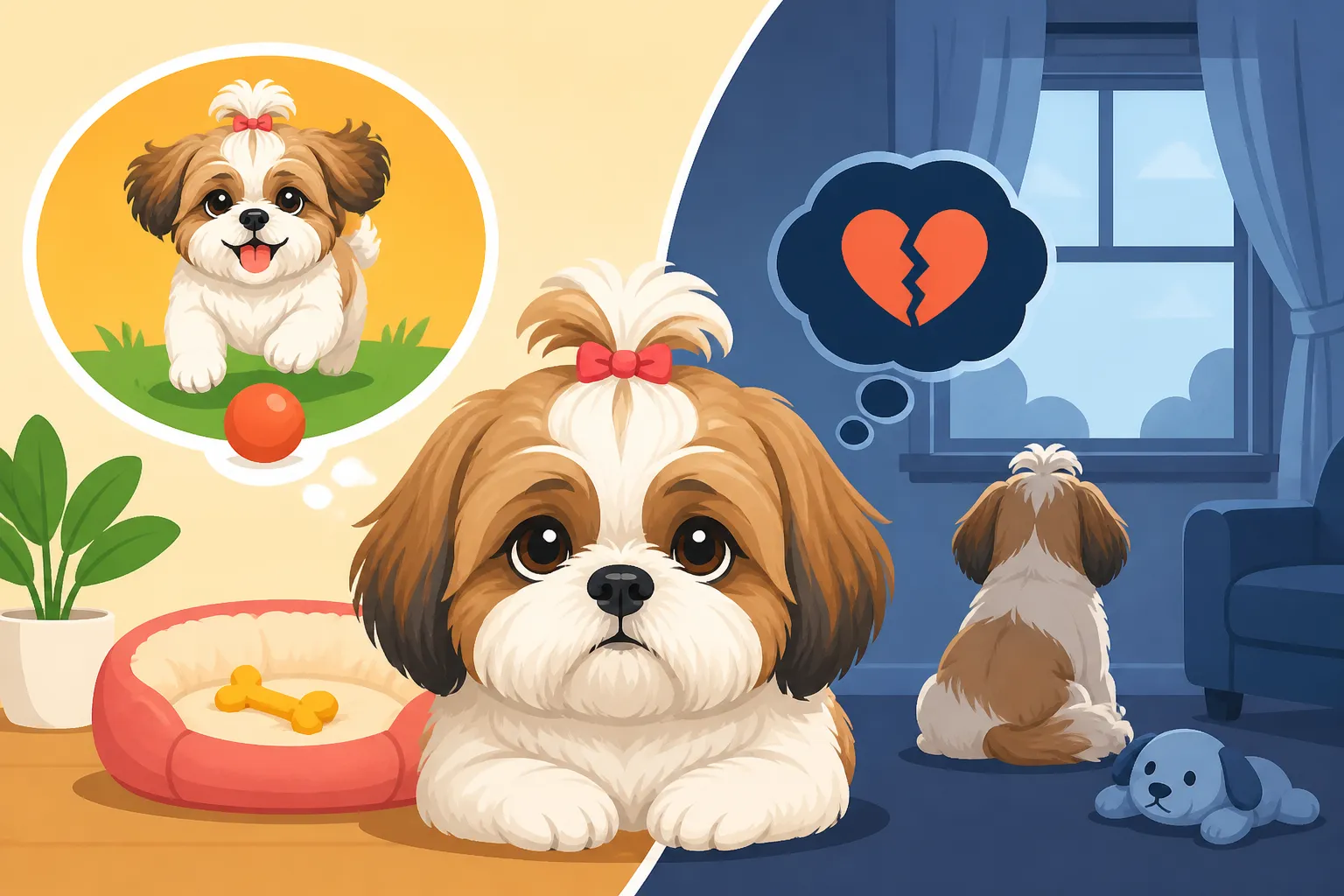
Many Shih Tzus struggle with solitude because it goes against their core programming. When you leave, their sense of security can diminish, and they might wonder if you're ever coming back. This isn't just dramatic human projection; it's a real emotional response for many dogs, particularly those bred to be constant companions. The quiet house, the lack of stimulation, and the absence of their primary caregivers can lead to feelings of anxiety or even outright panic.
You might notice subtle signs of this distress even before you leave – clinginess, trying to block the door, or refusing to eat. When they are left alone, this can escalate into destructive chewing, inappropriate urination or defecation, or persistent barking and whining. These behaviors aren't about being "bad"; they are often cries for help, indicators that your Shih Tzu is genuinely struggling with the situation. Understanding that their emotional needs are distinct from a more independent breed is key to finding effective solutions.
Factors Influencing a Shih Tzu's Ability to Cope Alone
While the breed's nature leans towards companionship, not every Shih Tzu reacts to alone time in the same way. There are a multitude of factors that can significantly influence how well an individual Shih Tzu copes with being by themselves. Recognizing these variables can help you tailor your approach to your specific dog.
Age and Temperament Differences
A young Shih Tzu puppy often has a harder time with solitude than a well-adjusted adult. Puppies require more frequent potty breaks, more supervision, and are still developing their sense of security in the world. Leaving a young puppy alone for a full eight-hour workday is generally not recommended, as it can hinder house training, encourage separation anxiety, and lead to destructive habits simply due to boredom and lack of appropriate outlets. Shih Tzu Puppy Training Month by Month delves into their developmental needs.
Conversely, some older Shih Tzus, particularly those with existing health issues or cognitive decline, might also find alone time more challenging. Their bladder control might not be as strong, their hearing or vision might be failing, making them more easily startled or disoriented when left alone. On the other hand, a calm, confident adult Shih Tzu who has been gradually accustomed to alone time from a young age might be perfectly content to snooze away most of the day. Each dog is an individual, and their unique personality and life experiences play a huge role.
Training and Socialization History
A Shih Tzu who has been properly crate trained and gradually introduced to alone time from puppyhood is far more likely to cope well than one who hasn't. Crate training, when done positively, can provide a safe, den-like space where your dog feels secure and can relax. Crate Training a Shih Tzu Properly is a vital read for new owners. Early and consistent positive reinforcement training helps build confidence and teaches them that your departures are temporary and followed by your return. If a Shih Tzu's early experiences involved long stretches of isolation or stressful confinement, they might develop negative associations that are harder to overcome later.
Socialization also plays a role. A well-socialized Shih Tzu who has been exposed to various sights, sounds, and people is generally more adaptable and less prone to fear-based behaviors, which can manifest as anxiety when left alone. Dogs that are easily startled or overstimulated might find the quiet of an empty house unsettling. On the flip side, a dog whose entire world is their human might struggle more, simply because they haven't learned to entertain themselves or be comfortable in their own skin when their human isn't present.
Environmental Enrichment and Routine
The environment you leave your Shih Tzu in, and the routine you establish, are critical. A barren, silent house offers little to stimulate a dog, leading to boredom, which can quickly escalate into destructive chewing or barking. Providing plenty of engaging toys, puzzle feeders, and a comfortable resting spot can make a huge difference. Imagine being left in an empty room versus a room with your favorite books and a cozy chair – it's similar for a dog.
A consistent routine helps tremendously. Dogs thrive on predictability. Knowing when you typically leave, when a dog walker arrives, and when you're likely to return can reduce anxiety. Even subtle cues, like picking up your keys or putting on your shoes, can become part of this routine. If their daily schedule is chaotic and unpredictable, a Shih Tzu might feel more insecure and therefore struggle more when left alone. Consistency breeds confidence, and a confident Shih Tzu is much more likely to be a calm one when you're away.
Preparing Your Shih Tzu for Extended Alone Time
Leaving your Shih Tzu alone for an extended period, such as a full workday, isn't something you can just spring on them. It requires careful preparation, gradual training, and a thoughtful approach to ensure their comfort and prevent the development of separation anxiety. Think of it as a marathon, not a sprint.
Gradual Desensitization and Alone Time Training
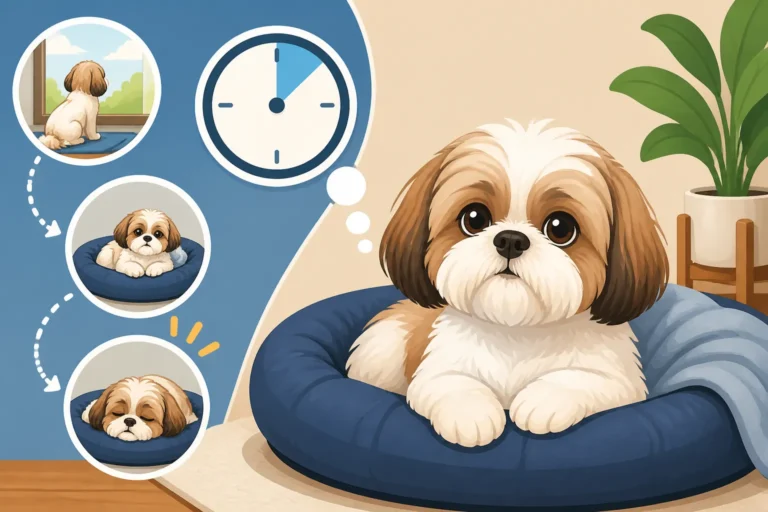
The key to a successful alone-time strategy is gradual desensitization. You wouldn't expect a child to go from always being with you to being alone for eight hours overnight, and the same applies to your Shih Tzu. Start small: leave them alone for just a few minutes, then return. Gradually increase the duration over days and weeks. This teaches them that you always come back, reducing the panic associated with your departure. Practicing your departure routine – picking up keys, getting your coat – without actually leaving can also desensitize them to these cues. Building Alone Time for a Shih Tzu offers a step-by-step approach.
When you do leave, make your departures and arrivals low-key. Avoid making a big fuss, which can heighten their anxiety. A calm, quiet "I'll be back soon" is often better than an emotional goodbye. Upon your return, wait until they are calm before offering greetings. This reinforces that calm behavior is rewarded, not frantic excitement. You can find excellent resources for this kind of positive reinforcement training on platforms like BAXTER & Bella, which offer structured programs to help owners build confidence in their dogs.
Creating a Safe and Stimulating Environment
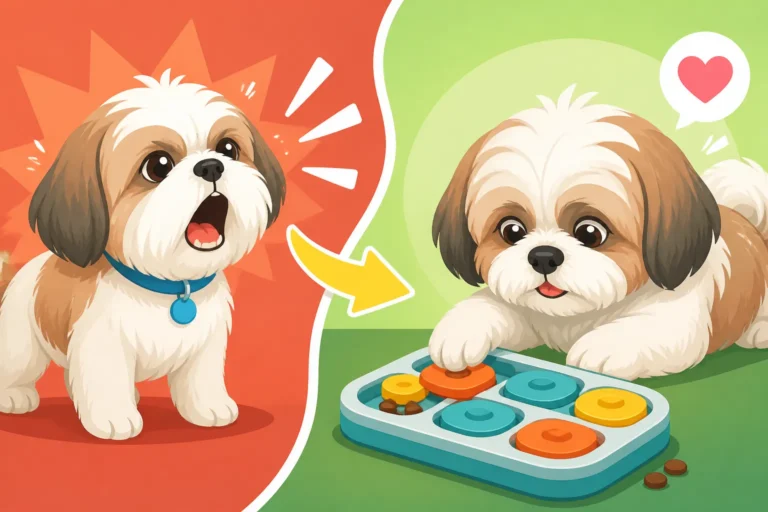
Your Shih Tzu's "alone zone" needs to be both safe and stimulating. This might be a crate, a playpen, or a dog-proofed room. Ensure there are no hazards they could chew or get into. Provide a comfortable bed or blanket, a familiar scent from you (like an old t-shirt), and a selection of appropriate chew toys or puzzle feeders. Interactive toys, especially those that dispense treats slowly, can keep their minds busy for a significant amount of time. Amazon offers a vast selection of these types of enrichment items, from Kongs to treat-dispensing balls, which can be lifesavers for a bored pup.
Consider leaving on a radio or TV tuned to a calm channel, or even a white noise machine, to mask outdoor sounds that might trigger barking or anxiety. Some dogs find classical music or specific dog-calming playlists incredibly soothing. The goal is to create an environment where they feel secure, have appropriate outlets for their energy and curiosity, and are less likely to become distressed by the silence or external stimuli.
| Alone Time Solution | Pros | Cons | Best For |
|---|---|---|---|
| Crate Training | Security, den-like space, aids house training | Can be stressful if not introduced properly | Puppies, anxious dogs, short-term confinement |
| Playpen/Dog-Proofed Room | More space, less confined | Still requires supervision/proofing for safety | Dogs transitioning from crate, longer periods |
| Dog Walker | Potty break, exercise, human interaction | Cost, availability, trust in individual | Owners with long workdays, active Shih Tzus |
| Doggy Daycare | Socialization, constant supervision, exercise | Cost, potential for overstimulation, illness risk | Social Shih Tzus, owners seeking full-day care |
| Pet Sitter | In-home care, customized attention, no travel | Cost, trust in individual, scheduling | Anxious dogs, multi-pet households, vacations |
| Work From Home | Constant supervision, frequent breaks | Not always feasible, can still be distracting | Flexible schedules, severe anxiety |
Strategies for Managing a Full Workday Away
Leaving a Shih Tzu alone for a standard 8-9 hour workday can be a stretch for many dogs, especially those prone to anxiety or with specific physical needs. It's crucial to acknowledge this and implement strategies that break up their solitude and provide necessary care.
Breaking Up the Day with Visits or Walks
The most straightforward way to manage a full workday for your Shih Tzu is to arrange for someone to break up their day. A midday visit from a trusted dog walker or neighbor can be a game-changer. This provides a much-needed potty break, a chance to stretch their legs, and some human interaction. For a breed that loves companionship, even a short 30-minute visit can significantly reduce stress and boredom. It also helps reinforce positive behavior, as they learn that the middle of the day brings a friendly face and activity.
Many professional dog walking services are available, and it's worth investing in a reliable one. Look for walkers who have experience with small breeds and who are insured and bonded. Be clear about your Shih Tzu's specific needs, such as a preference for a gentle walk or a tendency to get chilly in cooler weather. For owners worried about their tiny pup's back, remember that Ramps for a Shih Tzu With a Long Spine can prevent injuries, and a walker can ensure they don't jump off furniture. This mid-day interaction isn't just a convenience; it's a vital component of their emotional and physical health.
Considering Doggy Daycare or Pet Sitters
For Shih Tzus who are social and enjoy the company of other dogs and people, doggy daycare can be an excellent option. It provides supervised play, mental stimulation, and consistent human interaction throughout the day. This completely eliminates the problem of extended alone time, as your Shih Tzu will be engaged and entertained. However, not all Shih Tzus are suited for daycare. Some can be overwhelmed by larger, boisterous dogs, or find the constant noise and activity too stressful. It’s important to find a daycare that caters to smaller breeds and offers quieter resting areas.
Alternatively, a pet sitter who comes to your home can be ideal, especially for Shih Tzus who are shy, elderly, or have specific medical needs. A sitter can maintain your dog's routine in their familiar environment, offering personalized attention. This often feels less disruptive for the dog than going to an unfamiliar facility. Whether it's daycare or a sitter, thorough vetting is crucial. Always check references, read reviews, and ideally, do a trial run to ensure your Shih Tzu is comfortable and happy with the arrangement. For senior dogs, who might experience Cognitive Decline in a Shih Tzu Past Twelve, a familiar environment and routine are especially important.
Utilizing Technology for Connection
Modern technology offers some fantastic tools for checking in on your Shih Tzu while you're away. Pet cameras with two-way audio allow you to see what your dog is doing, talk to them, and even dispense treats remotely. This can be comforting for both you and your Shih Tzu, allowing you to soothe them if they seem anxious or reward calm behavior. Watching a Shih Tzu on Camera While You Are Out can be incredibly insightful for owners.
There are also various smart toys and automatic feeders that can help provide entertainment or meal delivery on a schedule. While these are not substitutes for human interaction, they can be valuable additions to an overall strategy. For instance, an automatic feeder can ensure your Shih Tzu gets their midday meal even if a dog walker is delayed, or a treat-dispensing camera can provide a moment of positive interaction. These gadgets can alleviate some of the guilt and uncertainty that comes with leaving your beloved pet alone.
Recognizing Signs of Stress and How to Respond
Even with the best preparation, some Shih Tzus may still exhibit signs of stress or separation anxiety when left alone. It's crucial for owners to recognize these indicators early and respond appropriately to prevent the behaviors from becoming ingrained and more severe. These signs are not about spite; they are about distress.
Common Indicators of Separation Anxiety
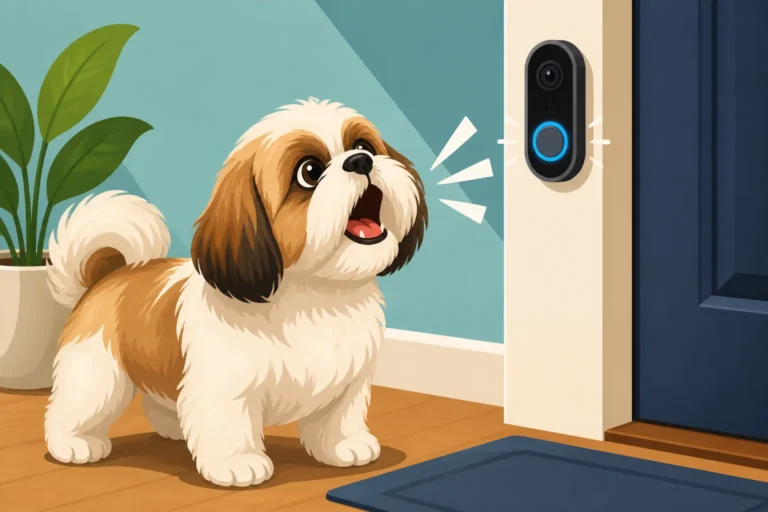
Separation anxiety in Shih Tzus can manifest in various ways, from subtle cues to more overt behaviors. One of the most common signs is excessive vocalization: incessant barking, whining, or howling that starts shortly after you leave and continues for extended periods. Neighbors often report this, and it's a clear signal of distress. Another frequent indicator is destructive chewing, particularly directed at entry and exit points like doors or windows, or items that smell strongly of you, like shoes or clothing. This is often an attempt to escape or to self-soothe with your scent. Shih Tzu Behavior Problems That Start Early can often predict these issues.
Inappropriate urination or defecation, even in a previously house-trained Shih Tzu, can also be a sign of anxiety rather than a training lapse. They aren't "getting back at you"; they're simply unable to control their bodily functions due to extreme stress. Other signs include pacing, drooling excessively, panting, self-mutilation (like licking or chewing their paws raw), or refusing to eat or drink when you're gone. If you suspect your Shih Tzu is experiencing severe separation anxiety, recording them while you're out with a pet camera can provide invaluable evidence to share with your vet or a professional trainer. The Signs a Shih Tzu Cannot Settle Alone offers more details on these indicators.
When to Seek Professional Help
If your Shih Tzu's distress behaviors are severe, persistent, or don't improve with your efforts at gradual desensitization and environmental enrichment, it's time to seek professional help. This could be a certified professional dog trainer specializing in separation anxiety, or your veterinarian. A vet can rule out any underlying medical conditions that might be contributing to the behavior (such as urinary tract infections for accidents) and can sometimes prescribe medication to help manage severe anxiety in conjunction with behavior modification.
A professional trainer can assess your specific situation, identify triggers, and develop a tailored behavior modification plan. This plan might involve counter-conditioning (associating your departure with positive things, like a special long-lasting treat they only get when you leave) and systematic desensitization. Remember, punishing these behaviors will only make the anxiety worse, as it adds fear to their already stressed state. The goal is to teach your Shih Tzu to feel safe and calm when alone, and sometimes, a professional's guidance is essential to achieve this. Finding a Trainer for a Toy Breed is important as they understand the unique needs of Shih Tzus.
Long-Term Considerations for Shih Tzu Alone Time
As Shih Tzus age, their needs and tolerance for alone time can change. What worked perfectly for a spry five-year-old might not be suitable for a senior dog entering their second decade. Planning for these shifts is part of being a responsible and empathetic owner.
Adjusting to Age-Related Needs
A senior Shih Tzu might develop conditions that make extended alone time more difficult. Decreased bladder control due to aging or conditions like Shih Tzu Kidney Values on Routine Bloodwork might mean they simply cannot hold it for as long, requiring more frequent potty breaks. Arthritis or other mobility issues, common in older dogs, could make it harder for them to comfortably move around, access water, or even get into a favorite bed if it's too high. Shih Tzu Mobility Decline in Old Age means they will need more assistance.
Their eyesight or hearing might also decline, making them feel more vulnerable and disoriented when left by themselves. A previously confident dog might become more clingy or anxious as their senses fade. For these reasons, what was once acceptable alone time might need to be drastically reduced, or alternative care, like a dedicated pet sitter or more frequent visits, might become necessary. Being attentive to these changes and adapting your care is key to maintaining their quality of life.
The Impact of Lifestyle Changes on Your Shih Tzu
Life happens, and our routines aren't static. A job change, a new baby, a move to a different home, or even children leaving for college can all impact your Shih Tzu's alone time. Any significant shift in household dynamics can be unsettling for a dog who thrives on routine and companionship. If you anticipate a major lifestyle change, it's wise to gradually introduce new routines or care arrangements beforehand. For example, if you know you'll be returning to the office after working from home, start practicing alone time well in advance.
The goal is to minimize abrupt changes and provide consistency wherever possible. If you adopt a Shih Tzu who has previously been accustomed to constant companionship, be prepared for a period of adjustment as they learn to cope with your schedule. Patience, understanding, and proactive planning are your best tools to help your Shih Tzu navigate these transitions successfully and continue to feel loved and secure, even when they're home alone.
Disclaimer
This article is for general informational purposes only and does not constitute professional advice. Laws, prices and regulations vary by location and change over time. Consult a qualified professional for guidance on your specific situation.