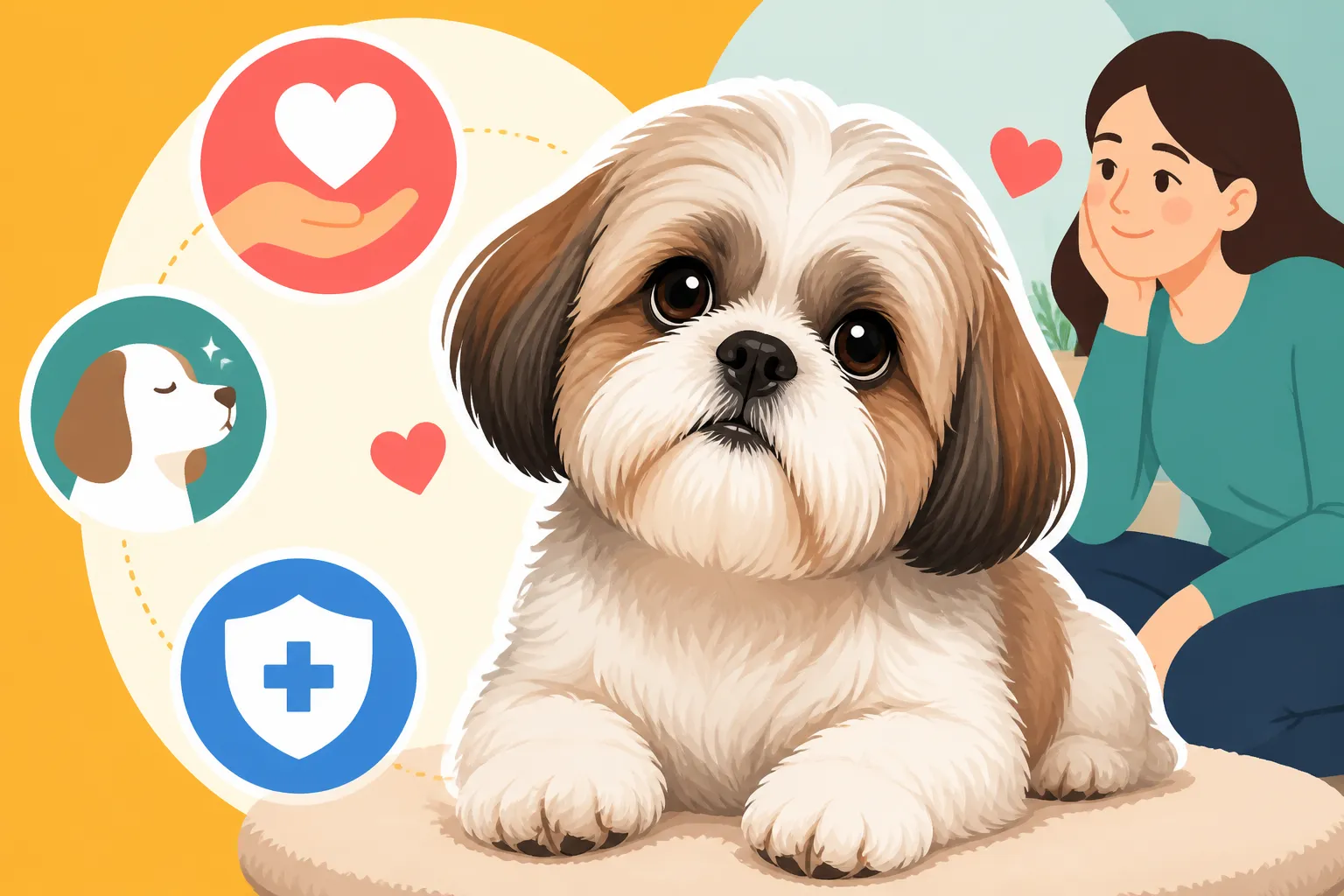
Taking On a Shih Tzu That Is Already Nine
Bringing an older Shih Tzu into your home can be one of the most heartwarming, yet sometimes daunting, experiences. Many loving individuals feel a profound desire to offer a soft landing to a senior dog, but they worry about the unknown health issues, behavioral quirks, and financial commitments that come with adopting a nine-year-old companion. This comprehensive guide is here to walk you through everything you need to know to ensure a smooth transition and a fulfilling life together with your new, wise old friend.
The Unique Joys and Challenges of a Senior Shih Tzu
Adopting a senior Shih Tzu is a truly special act of compassion. These sweet dogs often come with a lifetime of love to give, seeking comfort and a quiet, secure place to spend their golden years. However, their advanced age also brings a distinct set of considerations that new owners must be prepared for, from understanding their typical lifespan to managing age-related health issues.
Understanding the Nine-Year Mark in Shih Tzu Lifespan
When you welcome a nine-year-old Shih Tzu, you’re adopting a dog that is firmly in its senior years. For many Shih Tzus, the average lifespan hovers around the thirteen-year mark, which means your new companion has already lived a significant portion of its life. While some lucky Shih Tzus can certainly live longer, reaching into their late teens, nine years old is a good point to start thinking about them as a true senior. This isn't to say their time is short, but rather to emphasize the importance of making their remaining years as comfortable, happy, and healthy as possible. They've earned it.
At this age, a Shih Tzu typically slows down quite a bit. The boisterous puppy energy is long gone, replaced by a preference for naps, gentle strolls, and plenty of lap time. This calmer demeanor can be a huge bonus for households seeking a more relaxed companion, or for those who simply don't have the energy for a young, rambunctious pup. However, it also means you'll need to be extra vigilant about their comfort and any subtle changes in their behavior that might signal a health concern. Their joints might be stiffer, their eyesight not as sharp, and their hearing might be fading – all things that contribute to a slower pace of life.
Common Health Considerations for Older Shih Tzus
Senior Shih Tzus, like many small breeds, are prone to certain health issues that become more prevalent with age. It's not a question of if these issues might arise, but when and how you'll manage them. One of the most common concerns is Shih Tzu Dental Disease at 13 Percent of the Breed. By nine, many Shih Tzus have significant plaque and tartar buildup, which can lead to painful infections and tooth loss if not addressed. Regular professional dental cleanings become even more critical, though sometimes teeth may need to be extracted.
Beyond dental health, joint problems are also a major consideration. Conditions like arthritis, exacerbated by years of jumping and everyday activity, can lead to Shih Tzu Joint Problems in a Toy Frame. You might notice your senior struggling with stairs, hesitant to jump on furniture, or moving a little stiffly after naps. This decline in mobility often requires careful management to maintain their quality of life. Additionally, kidney function can start to decline in older dogs, and some Shih Tzus may develop Renal Dysplasia and the Shih Tzu Kidney earlier in life, but it's something to monitor as they age. Your vet will likely recommend regular blood and urine tests as part of their The Senior Panel a Shih Tzu Needs at Ten to catch these issues early.
Setting Up Your Home for a Nine-Year-Old Shih Tzu
Bringing any new dog home requires preparation, but for a senior Shih Tzu, a little extra forethought in setting up your environment can make a world of difference to their comfort and sense of security. They might not adapt as quickly as a puppy, and their physical limitations mean you need to be proactive about their safety and accessibility.
Adapting Your Space for Comfort and Safety
Your home, which seems perfectly normal to you, might present obstacles for a senior Shih Tzu experiencing Shih Tzu Mobility Decline in Old Age. Consider placing ramps or steps next to sofas and beds so your dog can safely access these elevated spots without jumping, which can be hard on their delicate backs. Hardwood or tiled floors can be slippery and difficult for older dogs with stiff joints. Lay down non-slip mats or rugs in high-traffic areas to provide better traction and prevent falls.
Comfort is key for an older dog, so multiple cozy, easily accessible beds around the house are a must. Look for orthopedic beds that offer good support for aging joints. Think about drafty areas – a senior Shih Tzu might feel the cold more, so ensure their sleeping spots are warm and away from chilly breezes. If your new Shih Tzu is experiencing vision or hearing loss, try to keep furniture arrangements consistent. These dogs rely on their memory and other senses to navigate, and sudden changes can be disorienting and stressful. Think about quiet spaces where they can retreat when the house is busy, away from the hustle and bustle.
Establishing a Gentle Routine for Your New Senior
Consistency and a predictable routine are incredibly comforting for an adopted senior Shih Tzu, especially one that might have come from an uncertain past. While a puppy thrives on exploration and novelty, your nine-year-old friend will appreciate knowing what to expect each day. This includes regular meal times, consistent potty breaks, and predictable times for gentle walks or cuddle sessions.
Start by establishing a schedule that works for both of you, but be flexible if needed. They might need more frequent potty breaks than a younger dog, for example, so be prepared to take them out every few hours, especially after waking up and eating. Quiet, calm interactions are best in the initial weeks. Avoid overwhelming them with too many new people or places. Let them approach you on their own terms, building trust at their own pace. A senior Shih Tzu often wants nothing more than a warm lap and a kind hand, and a stable routine helps them settle into that new, safe existence.
Nutrition, Grooming, and Vet Care for Your Adopted Senior
The specific needs of a nine-year-old Shih Tzu diverge quite a bit from those of a younger dog. Their metabolism slows down, their teeth and gums are more fragile, and their overall health requires more attentive care. Getting these aspects right is fundamental to their well-being.
Tailoring Diet and Exercise to an Older Shih Tzu
As Shih Tzus age, their caloric needs typically decrease, and their activity levels naturally drop. It's crucial to adjust their diet to prevent weight gain, which can put unnecessary strain on their joints and exacerbate other health issues. Look for senior dog food formulas that are specifically designed for older dogs, often lower in calories but still providing essential nutrients. Brands like Ollie offer customized, fresh food meal plans that can be tailored to an older dog's specific dietary needs and portion sizes, which can be fantastic for palatability for older dogs with less robust appetites.
Beyond diet, exercise remains important, but it needs to be modified. Gone are the days of long, strenuous hikes. Instead, focus on short, gentle walks a few times a day. These walks provide mental stimulation and help maintain muscle tone without overtaxing their joints. Indoor play, like gentle fetch or puzzle toys, can also keep their minds sharp and bodies moving without putting stress on their physical limitations. Remember to always consider the weather, as Shih Tzus can overheat easily due to their brachycephalic (flat) faces. Monitor their breathing and energy levels closely, and never push them too hard.
Maintaining Coat and Dental Health in Senior Years
The glorious double coat of a Shih Tzu still requires diligent care, even in their senior years. Regular daily brushing is paramount to prevent painful mats, which can pull at their skin and become breeding grounds for infections. If your senior Shih Tzu isn't accustomed to grooming, or has a history of matting, you might consider a shorter "puppy cut" to make maintenance easier for both of you. This can greatly reduce the stress of daily brushing.
Dental health becomes even more critical for a nine-year-old Shih Tzu. Many have significant dental disease by this age. While professional dental cleanings under anesthesia are often necessary, daily at-home care, such as brushing with dog-specific toothpaste, can help slow the progression of plaque buildup. If your new Shih Tzu has already lost some teeth or has a very sensitive mouth, you might need to adjust their diet to softer foods or wet food to make eating more comfortable. Chewy offers a wide range of dental care products, from brushes and toothpastes to dental chews designed for senior dogs, making it easy to find suitable options. Don't forget to regularly clean their facial folds, if they have prominent ones, to prevent skin irritation and infection.
Navigating Veterinary Care and Potential Costs
Taking on a senior dog means taking on a higher likelihood of vet visits and associated costs. A thorough initial vet check-up is essential to establish a baseline of health and identify any existing conditions. This will likely include a full physical exam, blood work, and urine tests. Subsequent regular check-ups, perhaps twice a year, are recommended for senior dogs. For more information on what to expect, read our article on Vet Visit Frequency for a Shih Tzu Past Ten.
Potential costs can range from ongoing medications for arthritis or heart conditions to more complex procedures if, for example, your Shih Tzu develops cataracts or requires significant dental work. This is where pet insurance can be a real lifesaver. Companies like Healthy Paws offer plans that can cover a significant portion of unexpected veterinary bills. While pre-existing conditions won't be covered, having insurance in place can protect you from the financial burden of new conditions that arise after enrollment. Understanding Budgeting for a Shih Tzu With Chronic Eye Disease or other common senior ailments can help you prepare financially for the future.
Here's a quick overview of common senior Shih Tzu needs:
| Need | Description | Action Steps |
|---|---|---|
| Dental Health | Prone to severe dental disease, pain, and infection. | Regular vet dentals, daily brushing, soft foods if needed. |
| Joint Mobility | Arthritis, stiffness, difficulty with stairs/jumping. | Ramps/steps, orthopedic beds, Joint Support for a Shih Tzu Back and Knees. |
| Vision/Hearing | Gradual loss of sight or hearing, cataracts. | Keep home layout consistent, gentle commands, avoid startling. |
| Kidney Function | Potential decline in kidney efficiency. | Regular blood/urine tests, prescription diets if necessary. |
| Weight Management | Slower metabolism, prone to obesity. | Senior-specific food, portion control, gentle exercise. |
| Coat Care | Matting can be painful, skin can become more fragile. | Daily brushing, consider puppy cut, gentle shampoos. |
Building a Bond and Managing Behavioral Changes
Adopting an older dog, especially one who may have experienced neglect or multiple homes, requires an extra dose of patience and understanding. The bond you form with a senior Shih Tzu is incredibly rewarding, but it takes time and a compassionate approach.
Patience and Understanding in the Adjustment Period
Your nine-year-old Shih Tzu has a lifetime of experiences, some good, some not so good, that they bring into your home. It's completely normal for them to need a significant adjustment period, sometimes weeks or even months, to truly settle in. Don't expect them to be perfectly integrated from day one. They might be quiet, withdrawn, or even a little anxious at first. They are learning a whole new environment, a new routine, and new people.
The best thing you can offer during this time is patience and a stable, loving environment. Keep interactions calm and positive. Use gentle praise and treats to reward desired behaviors, even small ones like settling in their bed or approaching you for a pet. Avoid forcing interactions; let them initiate contact. Remember that their past might be unknown, so some behaviors might stem from previous experiences. For instance, if they seem nervous around certain objects or sounds, try to minimize exposure or gradually desensitize them with positive reinforcement. Your steadfast love and consistency will eventually help them feel safe and loved.
Recognizing and Addressing Age-Related Behavioral Shifts
Just as their bodies change, a senior Shih Tzu's mind can also undergo shifts. Some older dogs experience cognitive dysfunction, sometimes referred to as "doggy dementia." Signs might include disorientation (getting lost in familiar rooms), changes in sleep-wake cycles (waking up at night), altered interactions (less responsive to their name), or increased anxiety. While this can be distressing for owners, understanding that these are age-related changes, not intentional misbehavior, is key. Our article on Cognitive Decline in a Shih Tzu Past Twelve offers more insights.
If you notice these changes, consult your veterinarian. There are often dietary supplements, medications, or environmental adjustments that can help manage the symptoms and improve your dog's quality of life. For example, keeping a nightlight on, providing softer beds, or sticking to a very strict schedule can sometimes alleviate disorientation and anxiety. Other behavioral changes might simply be due to pain; a Shih Tzu with undiagnosed arthritis might become grumpy when touched, not because they're suddenly mean, but because they hurt. Any sudden or significant change in behavior warrants a vet visit to rule out underlying medical causes. Remember, your senior Shih Tzu is relying on you to be their advocate as they navigate their golden years.
Disclaimer
This article is for general informational purposes only and does not constitute professional advice. Laws, prices and regulations vary by location and change over time. Consult a qualified professional for guidance on your specific situation.