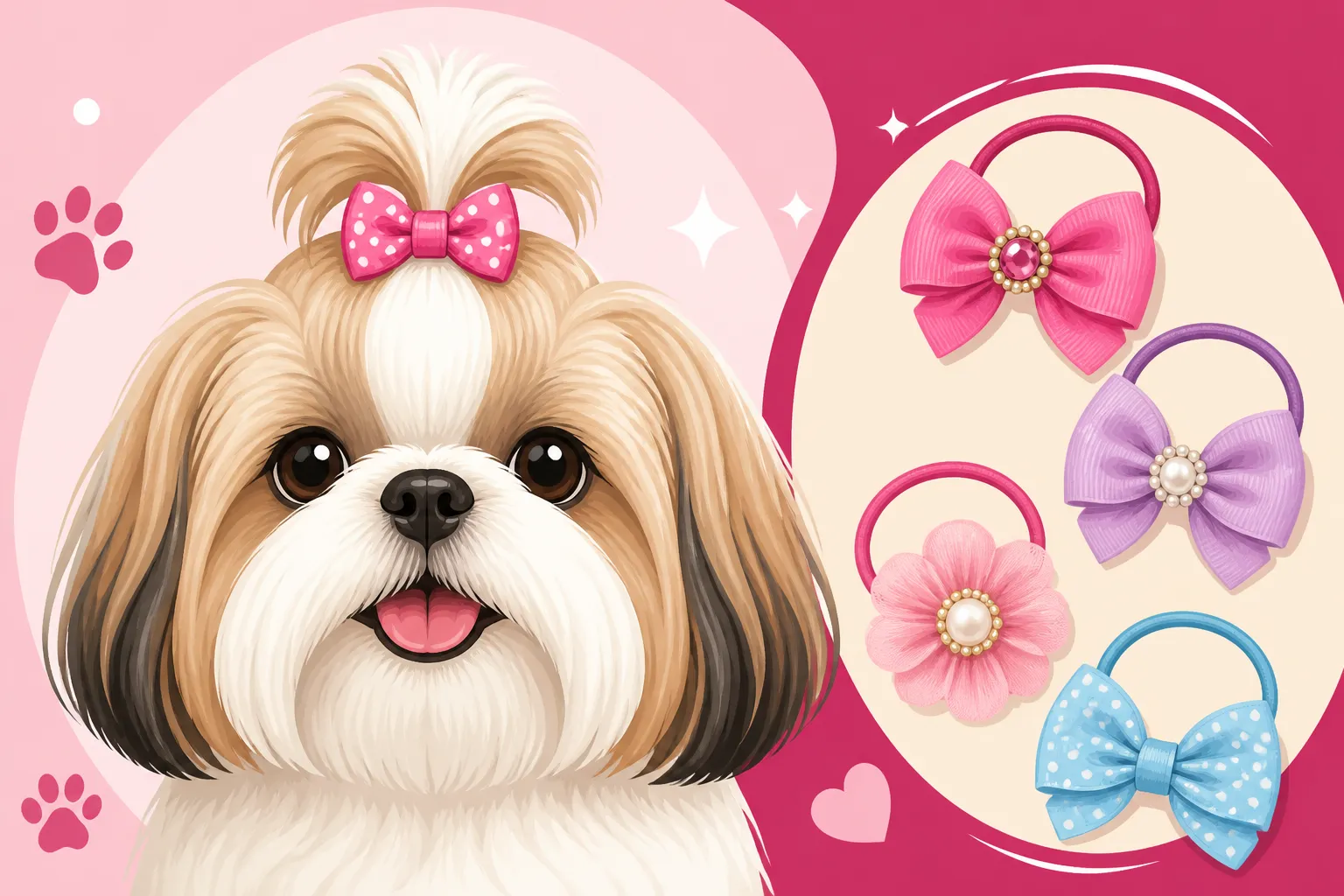
Shih Tzu Topknot Bands and Bows
Living with a Shih Tzu means dealing with that gorgeous, flowing hair, especially around their sweet, expressive eyes. It's not just about looking cute; stray hairs constantly irritating the delicate eye surface can lead to real problems, from minor discomfort to serious corneal damage. This guide is all about mastering the art of the Shih Tzu topknot, using the right bands and bows to keep your furry friend comfortable, healthy, and looking their absolute best.
The Essential Role of a Shih Tzu Topknot
For many new Shih Tzu parents, the topknot might seem like an aesthetic choice, a fancy accessory for a pampered pup. But for this breed, with their long facial hair and prominent, often shallow-set eyes, it’s far more than just a fashion statement. It's a critical component of their daily care, directly impacting their health and comfort. Ignoring it can lead to preventable issues that cause discomfort and even require veterinary intervention.
Protecting Delicate Shih Tzu Eyes
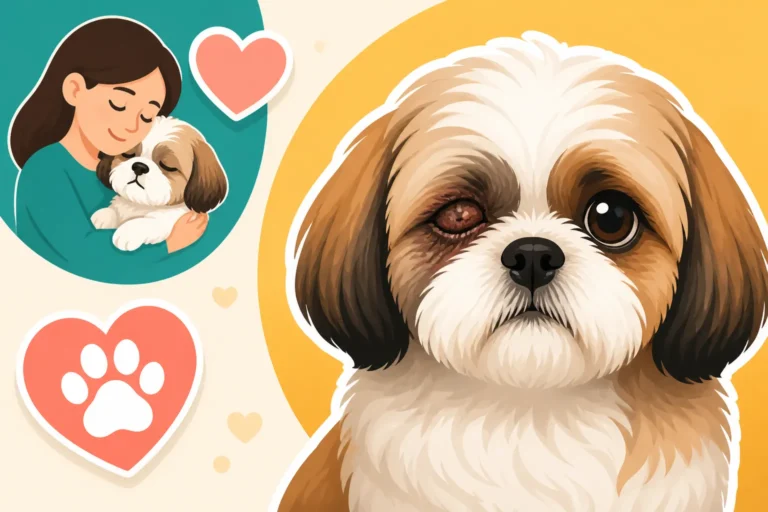
The most significant reason for keeping your Shih Tzu's facial hair out of their eyes is protection. Imagine having strands of hair constantly tickling and poking your own eyeballs—it would be incredibly annoying, right? For a Shih Tzu, it's not just an annoyance; it's a genuine health risk. Their large, often bulging eyes are already somewhat exposed due to their brachycephalic (flat-faced) structure, making them prone to various eye conditions.
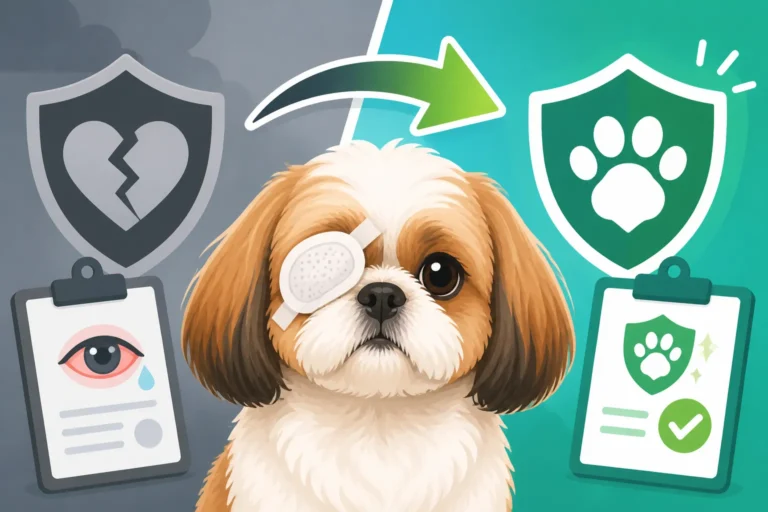
Loose hair rubbing against the cornea can cause chronic irritation. This irritation, over time, can lead to conditions like corneal ulcers, which are painful open sores on the eye's surface. These aren't just minor scrapes; corneal ulcers can become infected and, if left untreated, can even lead to vision impairment or loss. By creating a topknot, you're building a physical barrier, ensuring that those soft, silky strands don't scratch or poke. It's a proactive step in preventing painful and costly eye issues. Keeping that hair tied up also helps to keep dust, debris, and even allergens from easily reaching the eye, offering another layer of defense for those precious peepers.
Maintaining Cleanliness and Hygiene
Beyond eye protection, a well-maintained topknot contributes significantly to overall hygiene, particularly around your Shih Tzu's face and mouth. Shih Tzus are known for their long beards and mustaches, which are adorable but can quickly become messy, especially during meal times or when drinking water. Food particles, saliva, and moisture can easily get trapped in the hair around their muzzle and eyes.
When this hair is constantly wet or soiled, it creates a breeding ground for bacteria and yeast. This can lead to skin irritation, foul odors, and stubborn tear stains, which are often exacerbated by moisture and microbial growth. A topknot helps to minimize this by gathering a significant portion of the facial hair away from direct contact with food and water. While you'll still need to be diligent about cleaning your Shih Tzu's face after every meal, having the hair secured makes this task much easier and more effective. It reduces the amount of hair that needs wiping and keeps it from becoming saturated with every drink, promoting better skin health and a cleaner appearance.
Selecting the Right Topknot Bands and Bows
Choosing the perfect bands and bows for your Shih Tzu isn't just about what looks cutest. The right accessories can make all the difference in comfort, effectiveness, and preventing hair damage. With so many options out there, it can feel a little overwhelming to figure out what’s best for your furry companion. We'll dive into the materials, sizes, and crucial safety considerations to help you pick wisely.
Materials That Protect Your Shih Tzu's Hair
When it comes to topknot bands, material matters. Your Shih Tzu's hair is fine and can be prone to breakage, especially when repeatedly tied up. Traditional rubber bands, while cheap and readily available, are often too harsh and can cause significant damage, breaking hair strands and even pulling them out.
Look for elastic bands specifically designed for pet grooming or human infant hair. These are typically latex-free and covered in a soft fabric like nylon, silk, or satin. Silk and satin-covered bands are particularly gentle, minimizing friction and reducing the likelihood of breakage. Brands like Top Performance and Paw Brothers offer a variety of these softer, coated elastic bands that are much kinder to delicate Shih Tzu hair. You can often find a good selection of these on sites like Chewy, making it easy to stock up. These gentler options not only protect the hair but also make the topknot more comfortable for your dog, which can go a long way in making the grooming process a more positive experience.
| Band Material | Pros | Cons | Best Use |
|---|---|---|---|
| Latex Rubber Bands | Strong hold, inexpensive | Harsh on hair, causes breakage, pulls hair | Avoid for daily use |
| Silicone Rubber Bands | Good grip, less harsh than latex | Can still pull/break hair if not careful | Short-term hold, practice |
| Fabric-Covered Elastics | Gentle on hair, minimizes breakage | May stretch out over time, can slip | Daily topknots, comfort |
| Terry Cloth Mini-Scrunchies | Very gentle, soft, good for sensitive skin | Less firm hold, can absorb moisture | Puppies, sensitive dogs, casual wear |
Size and Comfort Considerations
The size of the band and bow is just as important as the material. A band that's too large won't hold the hair securely, allowing it to fall back into your Shih Tzu's eyes. Conversely, a band that’s too small or wrapped too many times can be uncomfortably tight, putting strain on the hair follicles and potentially causing skin irritation or even headaches.
For most Shih Tzus, small to extra-small elastic bands are ideal. You typically want to wrap the band just two or three times, creating a snug but not overly tight hold. As for bows, choose lightweight ones that won't pull down on the hair. Heavy or overly large bows can cause discomfort and strain on the delicate hair. Remember, the primary goal is function over fashion. If your dog is constantly pawing at their topknot, it might be too tight, too heavy, or simply uncomfortable. Paying attention to these cues from your dog is key. If you notice any redness or irritation where the band sits, it’s a clear sign to adjust your technique or switch to a different type of band. You want the topknot to be a pleasant part of their daily routine, not a source of stress.
Prioritizing Safety in Accessories
Beyond comfort and hair health, safety is paramount. Any accessory that goes on your dog should be free from small, easily detachable parts that could become choking hazards. This is especially true for bows with small embellishments like beads, sequins, or tiny plastic elements. Your Shih Tzu might try to chew at their topknot, especially when they are puppies or if they find it irritating.
Always opt for bows that are securely constructed with no loose pieces. Non-toxic materials are also important, just in case your dog does manage to get a piece in their mouth. Supervise your dog, especially when they first start wearing topknots and bows, to ensure they aren't trying to eat them. If you have a particularly curious or destructive chewer, consider sticking to simple, fabric-covered elastic bands without any added decorations, at least initially. When shopping online, many reputable pet supply retailers clearly label products as "pet-safe" or "non-toxic," giving you peace of mind. Investing in quality, safe accessories is part of being a responsible pet parent, ensuring their well-being alongside their stylish appearance.
Crafting the Perfect Shih Tzu Topknot
Creating a topknot that stays put, looks neat, and is comfortable for your Shih Tzu takes a little practice and patience. Don't get discouraged if your first attempts aren't picture-perfect. Remember that this is a bond-building exercise, and your calm demeanor will go a long way in making your pup feel at ease. It's not just about pulling hair up; it's about technique, positive reinforcement, and understanding your dog's specific needs.
Step-by-Step Topknot Creation
Before you begin, gather your tools: a fine-toothed comb, a pin brush, your chosen elastic bands, and a few small, yummy treats.
- Brush and Detangle: Start by thoroughly brushing your Shih Tzu's entire coat, paying special attention to the hair on their head and face. You want to ensure there are absolutely no tangles or mats, as pulling on matted hair can be painful and make your dog resistant to future grooming sessions. Using a detangling spray can help, especially if your dog has a thick or long coat. Regular daily brushing is crucial for a Shih Tzu's double coat anyway, so this is a great habit to reinforce.
- Section the Hair: This is the trickiest part. Using your comb, draw a line from the outside corner of one eye, diagonally up towards the center of the skull, and then down to the outside corner of the other eye. This creates an inverted "V" shape or a semi-circle of hair on top of their head. This section should include all the hair that would naturally fall into their eyes. Be careful not to include any ear hair, as this can pull uncomfortably.
- Gather and Smooth: Gently gather the sectioned hair between your thumb and forefinger. Use your comb to smooth out any bumps or loose strands, ensuring the hair is neatly pulled together. Make sure the base of the section is even and lies flat against the scalp. This creates a clean foundation for the topknot and prevents irritation.
- Secure with a Band: Take one of your gentle elastic bands. With one hand holding the gathered hair firmly but not tightly, use your other hand to carefully wrap the elastic band around the base of the hair bundle two or three times. The goal is secure, but not painfully tight. You should be able to slip a pinky finger under the band without much effort. If you're struggling to secure it neatly, consider having a partner help you, one holding the dog gently while the other focuses on the hair.
- Add a Bow (Optional): Once the elastic band is in place, you can carefully clip a decorative bow over the band if you wish. Ensure the clip is smooth and doesn't pinch the skin or pull hair. Again, make sure the bow is lightweight and doesn't add unnecessary bulk or weight that could pull the hair down or cause discomfort.
Remember to keep your tone calm and reassuring throughout the process. Offer praise and treats liberally, especially if your Shih Tzu is new to topknots. Making it a positive experience from the start will make future grooming sessions much easier.
Making it a Positive Grooming Experience
For many Shih Tzus, grooming, especially around the sensitive face, can be a challenge. They might be wiggly, resistant, or even try to snap if they've had bad experiences. The key to successful topknot creation lies in consistent positive reinforcement and patience.
Start early, ideally when your Shih Tzu is a puppy. Short, frequent sessions are much more effective than long, infrequent struggles. Spend a few minutes each day gently handling their face and head, offering praise and high-value treats. Introduce the comb and brush slowly, allowing them to sniff and investigate. When you start tying the topknot, make it quick and rewarding. Even if the topknot isn't perfect, lavish them with praise and a favorite treat immediately after it's done. Over time, your Shih Tzu will associate the topknot process with good things. If your dog is particularly anxious, you might even break down the process into smaller steps: day one, just brushing the head; day two, sectioning the hair; day three, putting in the band. Building alone time can also help them tolerate handling better. It's about building trust and showing them that this necessary part of their care is not something to fear. A positive attitude from you makes all the difference for a "nervous Shih Tzu."
Daily Maintenance and Troubleshooting
A topknot isn't a "set it and forget it" solution; it requires daily attention to ensure your Shih Tzu remains comfortable and free from matting and skin issues. Neglecting daily care can quickly turn a beneficial topknot into a source of discomfort and potential health problems. This section will walk you through how to properly maintain a topknot and address common issues you might encounter.
The Importance of Daily Removal
One of the biggest mistakes owners make is leaving a topknot in for too long. While it might seem convenient, leaving the same elastic band in for days on end is a recipe for disaster for a Shih Tzu's delicate hair. The constant tension on the hair, combined with the natural movement and rubbing throughout the day, can lead to severe matting at the base of the topknot. These mats can be incredibly painful to remove and may even require shaving if they become too tight against the skin.
Furthermore, leaving the band in place can cause hair breakage and skin irritation. The band can rub the skin, leading to redness or sores, especially in a breed already prone to skin sensitivities. Therefore, it is absolutely crucial to remove the topknot band every single day. Ideally, do it before bedtime or whenever your Shih Tzu's playtime is over. When removing the band, do so gently. Cut the elastic with grooming scissors if necessary, rather than trying to pull it out. A quick snip is much kinder to their hair and skin than tugging and pulling. After removal, always give the hair a gentle brush to ensure no tangles have started to form.
Preventing Hair Breakage and Skin Irritation
Even with gentle bands and daily removal, constant tying can still take a toll on your Shih Tzu's hair. To minimize breakage and keep their coat healthy, consider rotating the placement of the topknot slightly each day. Instead of always tying it in the exact same spot, shift it forward or backward a tiny bit. This distributes the pressure and wear on different sections of hair.
Using a good quality detangler spray before and after tying the topknot can also add a layer of protection, making the hair more supple and less prone to snapping. Consider high-quality shampoos and conditioners that are formulated for long, delicate coats. Products that contain moisturizing ingredients like argan oil or oatmeal can help maintain hair strength. For their overall health and coat quality, ensuring your Shih Tzu is on a high-quality diet, perhaps even a fresh food option like those offered by Ollie, can contribute to stronger, healthier hair that is more resilient to breakage. Remember, hair health often starts from within, so good nutrition is a foundational aspect of preventing hair issues. If you notice any redness, flakiness, or excessive scratching around the topknot area, consult your vet, as it could indicate an allergy or skin infection that needs attention.
When a Topknot Just Isn't Working
Despite your best efforts, sometimes a topknot just isn't the right solution for every Shih Tzu. Perhaps your dog has extremely fine, brittle hair that breaks easily, or they simply refuse to tolerate anything in their hair, no matter how much positive reinforcement you offer. Don't despair! There are other excellent ways to keep that precious face hair out of their eyes.
The most common alternative, and one many Shih Tzu owners opt for, is a "puppy cut" or a shorter face trim. Regularly trimming the hair above their eyes with blunt-nosed scissors (always with extreme caution and ideally professional guidance) can keep it short enough to stay out of the way naturally. Many owners choose a short clip for ease of maintenance, especially if they are not keen on the daily brushing required for a full coat. This approach might mean more frequent trips to the groomer for face trims, but it eliminates the need for daily topknot management. For those concerned about maintaining a pristine look, remember that even a functional short trim can still be stylish and comfortable for your dog. For other areas of the face, you might also consider Trimming Face Hair Away From Shih Tzu Eyes as a complementary strategy to a topknot.
Managing the Full Shih Tzu Coat Alongside Topknots
While topknots are fantastic for keeping hair out of the eyes, they are just one piece of the puzzle when it comes to managing a Shih Tzu's luxurious double coat. The full coat requires comprehensive daily care to remain healthy, tangle-free, and comfortable for your dog. Neglecting any aspect of their grooming can quickly lead to painful mats and skin problems that overshadow the benefits of a neatly tied topknot.
The Daily Brushing Routine
For a Shih Tzu with a full coat, daily brushing is non-negotiable. Their unique double coat, consisting of a silky outer layer and a soft, dense undercoat, is highly prone to matting, especially in areas of friction like behind the ears, under the legs, and where a harness might sit. A topknot helps with facial hair, but the rest of the body still needs attention.
Start by using a pin brush to gently work through the top layer of hair, then use a slicker brush to get down to the undercoat. Many owners find working in sections, using a line brushing technique, is most effective to ensure you reach all layers. Always brush down to the skin, but be gentle to avoid scratching. If you encounter a mat, resist the urge to pull. Instead, use a detangling spray and your fingers to carefully tease it apart, or a wide-toothed comb to gently work through it. Never bathe a matted Shih Tzu, as water will only tighten the mats, making them nearly impossible to remove without shaving. Understanding how to thoroughly brush their complex coat is key, and resources like Brushing a Shih Tzu Double Coat Every Day and Getting a Brush Through Both Shih Tzu Layers can provide even more detailed guidance.
Addressing Tear Staining and Face Cleanliness
Even with a topknot, Shih Tzus are often prone to tear staining around their eyes and muzzle, especially if they have lighter colored coats. This red-brown discoloration is caused by porphyrins, pigments excreted in tears and saliva, which can darken when exposed to light and bacteria. While a topknot helps keep hair away, it doesn't entirely prevent the staining.
To combat this, a consistent face cleaning routine is essential. After every meal and drink, gently wipe your Shih Tzu's face with a damp cloth or a pet-safe, tear-stain-specific wipe. Products containing boric acid or witch hazel can be effective in reducing the appearance of stains, but always use products specifically formulated for pets and avoid harsh chemicals. Keeping the hair around their eyes and muzzle trimmed neatly can also help, as shorter hair is less likely to hold moisture and bacteria. If tear staining is severe or persistent, it's worth discussing it with your veterinarian, as it can sometimes be a sign of underlying issues like blocked tear ducts, allergies, or even a problem related to their diet.
The Role of Professional Grooming
While daily home grooming is critical, professional grooming plays an invaluable role in maintaining a Shih Tzu's coat, especially for those with a full, long coat. Groomers have specialized tools, expertise, and often better facilities to handle the unique grooming needs of the breed. They can ensure thorough bathing, conditioning, and drying right down to the skin, which is often difficult to achieve at home with a dense double coat.
Professional groomers are also skilled at spotting potential skin issues, ear infections, or beginning mats that might be hidden under the long hair. They can provide essential services like sanitary trims, paw pad trims (to prevent slipping), and nail trims. For many owners, scheduling regular professional grooming appointments every 4-6 weeks is the best way to keep their Shih Tzu comfortable, healthy, and looking their best. Even if you choose a shorter "puppy cut" for your Shih Tzu, regular professional maintenance is still highly recommended to keep the cut neat and the coat healthy. These regular visits can also be an opportunity to discuss specific concerns, like issues with Shih Tzu Ear and Skin Infections Under the Coat or persistent tear staining, allowing a professional to offer tailored advice.
Disclaimer
This article is intended for informational purposes only and does not constitute veterinary advice. Always consult with a qualified veterinarian for any health concerns or before making any changes to your pet's care routine.