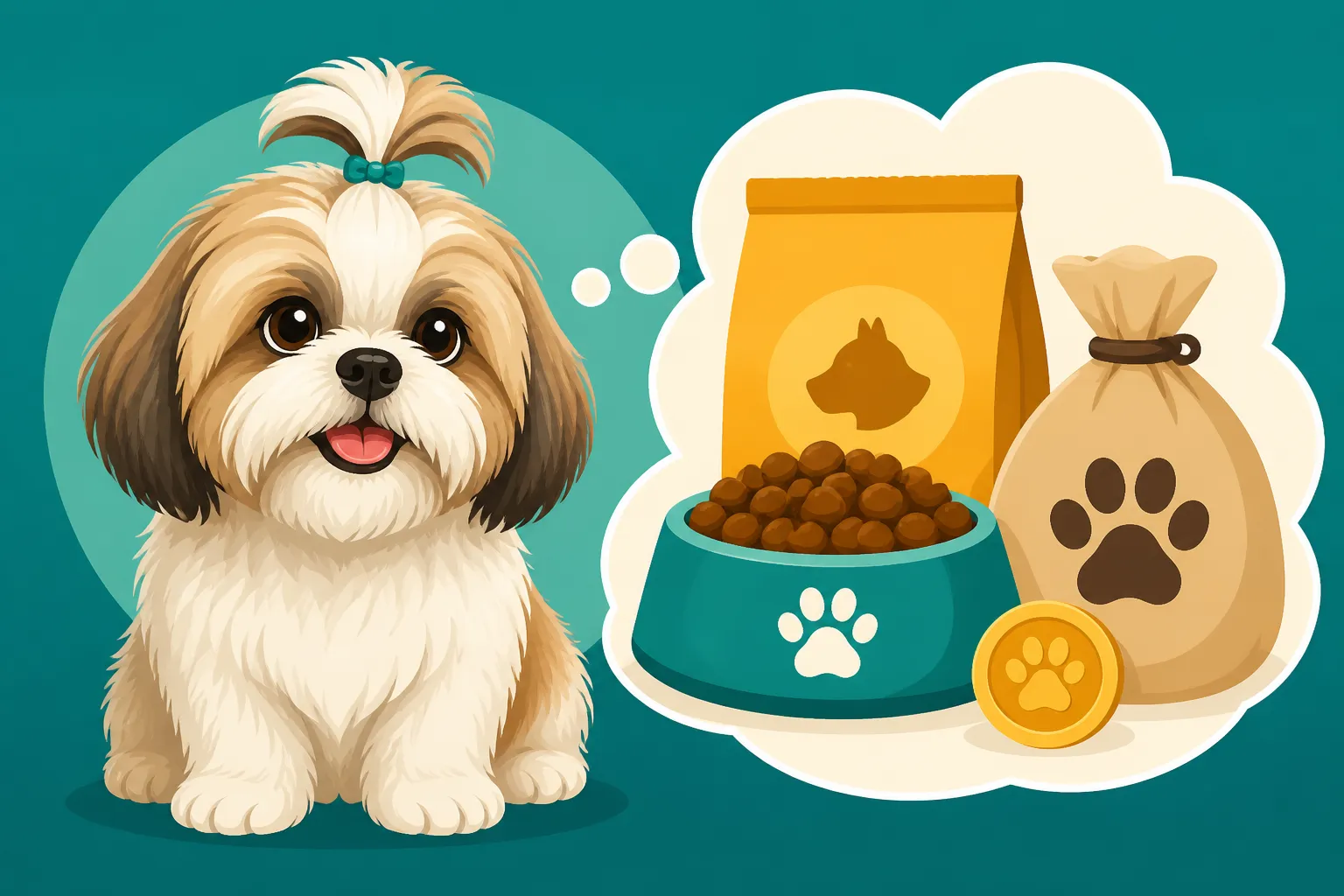
Monthly Food Cost for a Twelve Pound Shih Tzu
One of the biggest questions new Shih Tzu parents often have, or even seasoned owners find themselves re-evaluating, is just how much it truly costs to keep their fluffy companion well-fed each month. It’s not just about picking a bag off the shelf; our little lion dogs have unique needs, from their tiny mouths to their propensity for certain health issues. This guide will meticulously break down the various factors that contribute to your Shih Tzu's monthly food bill, helping you budget wisely without compromising their health and happiness.
Understanding Your Shih Tzu's Unique Dietary Needs
It’s easy to think all dogs eat pretty much the same, but for a Shih Tzu, their charming features also come with specific dietary considerations. Their small size, their distinctive flat face, and even their luscious coat mean that what and how they eat plays a huge role in their overall well-being. Getting this right from the start can save you a lot of headaches and vet bills down the road.
Caloric Demands of a Small, Brachycephalic Breed
A twelve-pound Shih Tzu isn’t just a smaller version of a larger dog; their metabolism and energy needs are quite particular. Typically, a moderately active twelve-pound adult Shih Tzu will need somewhere between 350 to 500 calories per day. This isn't a hard and fast rule, though. Factors like age – a spry youngster might burn more than a senior enjoying their golden years – activity level, and individual metabolism all play a significant role. If your Shih Tzu is a couch potato, they'll need fewer calories than one who enjoys daily walks and vigorous indoor play. It's so easy for these little guys to pack on the pounds, especially under a thick coat, so monitoring their caloric intake is crucial. Obesity can exacerbate many of the breed's common health issues, like back problems and breathing difficulties. To dive deeper into ensuring your pup gets the right amount, read about their specific needs in our guide on how many daily calories for a Shih Tzu.
Moreover, their brachycephalic (flat-faced) nature can sometimes affect how enthusiastically or comfortably they eat. Some Shih Tzus might eat slower or take more breaks, which can be normal, but it's important to ensure they're finishing their meals without undue stress. Overheating, a common concern for brachycephalic breeds, can also reduce appetite during warmer months. Providing food that is easily digestible and palatable can encourage consistent eating habits, supporting their energy levels without overfeeding.
The Impact of a Shih Tzu's Jaw and Teeth on Food Choice
Have you ever looked closely at your Shih Tzu’s mouth? It’s a marvel of canine dentistry, often featuring an adorable underbite, but it also presents challenges. Their small, often crowded jaws mean that the size and shape of kibble are paramount. Tiny kibble pieces are easier for them to pick up, chew, and swallow, reducing the risk of choking or frustration during meal times. Larger kibble can be a real struggle, leading to uneaten food or even dental issues from improper chewing.
Beyond kibble size, the overall dental health of a Shih Tzu is a significant concern. They are highly prone to dental disease, with many developing issues like tartar buildup and gum recession early in life. This isn't just about bad breath; severe dental disease can lead to pain, tooth loss, and even systemic infections. Food choices can either contribute to or help mitigate these problems. While kibble alone won't solve dental issues, some kibble designs claim to help scrape teeth, and supplementing with dental chews or proper dental hygiene is essential. To understand why their dental health is so critical, you might want to read about why a Shih Tzu mouth cannot hold forty-two teeth.
Common Health Concerns Influenced by Diet
Shih Tzus, like all breeds, have their predispositions. Allergies are quite common, manifesting as skin irritation, ear infections, or digestive upset. Many owners find themselves trying different protein sources or limited-ingredient diets to identify and manage these sensitivities. A diet tailored to avoid allergens can make a world of difference in your Shih Tzu's comfort and coat health. Sometimes, what seems like endless scratching or recurring ear problems can be traced back to a specific food ingredient. You can learn more about managing these issues in our article on food allergy itching under a Shih Tzu coat.
Furthermore, Shih Tzus can be prone to conditions like bladder stones or kidney issues, which may necessitate specific therapeutic diets prescribed by a veterinarian. While not every Shih Tzu will face these challenges, understanding that diet plays a protective and therapeutic role is key. For example, some specialized diets can help manage urinary pH to prevent stone formation, or provide appropriate protein levels for kidney support. These prescription foods often come at a higher price point than regular commercial diets, which will definitely factor into your monthly budget.
Deconstructing the Cost of Different Shih Tzu Food Types
Now that we understand why certain food choices matter, let’s talk about the dollars and cents. The sheer variety of dog food on the market can be overwhelming, with price tags varying wildly. It’s important to strike a balance between quality and affordability, ensuring your Shih Tzu gets the best nutrition you can reasonably provide.
Dry Kibble: Budget-Friendly to Premium Options
Dry kibble is often the most common and generally the most budget-friendly option for Shih Tzu owners. The cost can range significantly based on ingredients, brand reputation, and where you purchase it.
- Economy Kibble: On the lower end, you might find bags of kibble costing around $20-$30 for a large bag (say, 15-20 lbs). For a twelve-pound Shih Tzu, a bag this size could last several months, bringing your monthly cost down to $10-$15. However, these brands often contain a lot of fillers, less digestible ingredients, and artificial additives. While seemingly cheap, they might not provide optimal nutrition, potentially leading to more frequent or larger stools, and could even contribute to health issues down the line, ironically leading to higher vet bills.
- Mid-Range Kibble: Stepping up, mid-range kibble typically costs $40-$60 for a similar-sized bag. These brands usually offer better quality protein sources, fewer fillers, and often include beneficial supplements like omega fatty acids for coat health. Your monthly cost here would likely be in the $20-$30 range. For many Shih Tzus, this strikes a good balance between quality and cost. You can often find a great selection, including specialized small-breed formulas, on platforms like Chewy, making it easy to compare ingredients and prices from various reputable brands.
- Premium/High-End Kibble: At the top tier, you’ll find premium kibble brands that focus on human-grade ingredients, single-source proteins, grain-free options, or specialized formulas for sensitive stomachs or allergies. These bags can easily run $70-$100+, making your monthly expenditure for a twelve-pound Shih Tzu closer to $35-$50. While a higher investment, the improved ingredient quality can sometimes lead to better coat condition, fewer digestive issues, and overall better health, potentially reducing other care costs in the long run.
Wet Food: Enhancing Meals and Addressing Hydration
Wet food, whether fed exclusively or mixed with kibble, comes with its own set of costs and benefits. Many Shih Tzus adore wet food for its palatability, and it can be an excellent way to boost hydration, which is especially important for smaller dogs.
- As a Topper: If you're just adding a spoonful or two to kibble for a little extra flavor and moisture, the cost is relatively low. A few cans or trays a month, costing $2-$4 each, might add $10-$20 to your monthly bill. This can be a great way to entice picky eaters or provide an extra treat.
- Full Wet Food Diet: Feeding an all-wet food diet is generally more expensive than kibble. A twelve-pound Shih Tzu might need 1-2 small cans per day, depending on the caloric density of the brand. With cans ranging from $1.50 to $4.00 each, this could easily amount to $45-$120 per month. Brands like Wellness Core or Blue Buffalo offer a variety of wet food options suitable for small breeds. While expensive, it provides excellent hydration and can be easier on sensitive teeth.
- Mixed Diet: Many owners opt for a mixed approach, using less expensive kibble as the base and adding a smaller portion of higher-quality wet food. This helps keep costs down while still providing the benefits of wet food. Your monthly cost here would fall somewhere in between the pure kibble and pure wet food figures, perhaps $30-$70.
Fresh and Specialty Diets: The Premium Price Tag
The trend towards fresh, human-grade, and raw food diets for dogs has grown, and with it, a new tier of pricing. These diets often promise superior nutrition, better digestion, and improved overall health.
- Fresh Cooked Food: Services like Ollie deliver freshly cooked, human-grade meals tailored to your dog's specific needs, including their weight and activity level. These meals are typically more expensive, often costing $3-$5 per day for a small dog like a Shih Tzu. This translates to a monthly bill of $90-$150 or even more. The advantage is customized nutrition, high digestibility, and often a noticeable improvement in coat, energy, and stool quality. For owners willing to invest, this can be a fantastic option.
- Raw Diets: Raw food diets involve feeding uncooked meat, bones, and organs. This can be complex to prepare safely and nutritiously at home, but pre-made raw formulas are available. The cost is comparable to, or sometimes even higher than, fresh cooked food, often in the $100-$200+ per month range, depending on the brand and protein source. While advocates swear by the benefits, it's crucial to consult with your vet to ensure a balanced raw diet, as improper formulation can lead to nutritional deficiencies.
- Veterinary Therapeutic Diets: As mentioned earlier, if your Shih Tzu develops specific health issues like kidney disease, severe allergies, or certain digestive disorders, your vet might prescribe a therapeutic diet. These specialized foods, available only through veterinary channels or with a prescription, are meticulously formulated to manage particular conditions. They are often more expensive than premium commercial foods, typically adding $50-$100+ to your monthly budget, depending on the condition and brand. This is a non-negotiable cost if your Shih Tzu needs it for their health.
Here’s a quick overview of estimated monthly food costs:
| Food Type | Estimated Monthly Cost (12 lb Shih Tzu) | Key Benefits | Considerations |
|---|---|---|---|
| Economy Dry Kibble | $10 – $15 | Most affordable | Lower quality ingredients, potential fillers |
| Mid-Range Dry Kibble | $20 – $30 | Good balance of quality and cost, better ingredients | Still dry, may need dental supplements |
| Premium Dry Kibble | $35 – $50 | High-quality ingredients, specialized formulas | Higher initial cost |
| Wet Food (Topper) | $10 – $20 | Adds flavor, moisture, enticing for picky eaters | Adds to kibble cost, not a full meal |
| Wet Food (Full Diet) | $45 – $120 | Excellent hydration, highly palatable, soft on teeth | Most expensive per calorie, can be messy |
| Fresh Cooked Diets | $90 – $150+ | Human-grade, customized nutrition, high digestibility | Premium price, subscription services |
| Raw Diets (Pre-made) | $100 – $200+ | Proponents claim superior health benefits | Requires careful handling, vet consultation advised |
| Veterinary Therapeutic | $50 – $100+ | Specifically formulated for health conditions | Requires vet prescription, higher cost |
Hidden Costs and Budget Busters Beyond the Bag
When you’re calculating your Shih Tzu’s food budget, it’s easy to focus solely on the main meal. However, many other items that go into their mouth contribute to the overall monthly expenditure. Ignoring these can lead to unexpected expenses that throw your carefully planned budget completely off track. Thinking about all these small additions can really help you get a clearer picture of your ongoing costs.
Treats, Dental Chews, and Supplements
Let’s be honest, who can resist those adorable Shih Tzu eyes begging for a treat? Treats are an indispensable part of training, bonding, and just spoiling our pups. But they add up. A bag of high-quality training treats can cost $5-$15 and might only last a couple of weeks, especially if you're consistent with training sessions. Many Shih Tzus are food motivated, so you might go through treats faster than you think! For instance, if you're working on basic obedience or house training, you might be giving out dozens of tiny treats daily. You might want to consider breaking larger treats into smaller pieces to make them last longer and help manage your Shih Tzu's weight.
Beyond regular treats, dental chews are practically a necessity for a Shih Tzu. Given their crowded mouths and propensity for dental issues, a good dental chew can help scrape away plaque and stimulate gums. Brands like Greenies or dental sticks can cost anywhere from $10-$20 for a small pack, which might only last a month or even less if given daily. These aren't just treats; they're a vital part of their oral hygiene routine, and skimping on them could lead to more costly dental cleanings down the line. Moreover, many Shih Tzu owners choose to use joint supplements for a Shih Tzu back or coat supplements like fish oil for that luscious double coat. These can add another $15-$40+ to your monthly budget. While not food in the traditional sense, they are ingested and contribute to their overall dietary intake and, crucially, your spending.
Veterinary-Prescribed Diets and Allergy Management
As we touched on earlier, specific health conditions can lead to the need for veterinary-prescribed diets. These are not optional if your Shih Tzu has been diagnosed with a condition that requires dietary management, such as kidney disease, pancreatitis, or severe food allergies. These foods are scientifically formulated to manage symptoms and support organ function, and they come at a premium. A bag of prescription kibble or a case of wet food can easily run you $60-$120 per month or more.
Managing allergies, even if not severe enough for a full prescription diet, can also increase costs. Many owners opt for limited-ingredient diets or novel protein sources to avoid common allergens like chicken or beef. These specialty foods, while available commercially without a prescription, are generally more expensive than standard kibble. Finding the right food might involve trial and error, which means buying several different types before settling on one that works, leading to some wasted bags and extra initial costs. It’s a process that demands patience and often a slightly larger budget to get right.
Smart Strategies for Savvy Shih Tzu Owners
Feeding your Shih Tzu well doesn’t have to break the bank, but it does require a bit of savvy planning and consistent effort. There are several ways to ensure your furry friend gets the nutrition they need while keeping your budget in check. These tips can help you stretch your dollar further without sacrificing quality.
Maximizing Value: Where and How to Buy
One of the easiest ways to manage your monthly food cost is by being strategic about where and how you purchase your Shih Tzu’s food. Buying in bulk, when appropriate, can offer significant savings. While a massive 30lb bag might seem like overkill for a small Shih Tzu, you can often find larger bags of premium food that last 2-3 months, which can be more cost-effective per pound than smaller bags. However, ensure the food stays fresh and doesn’t go stale before your pup can finish it. Airtight containers are your best friend here.
Online retailers like Chewy are often a fantastic resource. They frequently offer competitive pricing, subscription services with discounts, and free shipping for larger orders. Setting up an auto-ship for your preferred brand means you save money and never run out of food. Plus, you can often find sales and loyalty programs that further reduce the cost. Sometimes, local pet stores might price match or have their own loyalty programs, so it’s always worth checking around. Comparing prices between online and local stores can yield surprising differences.
The Importance of Regular Weight Checks and Portion Control
This might sound simple, but it’s probably one of the most impactful ways to manage your Shih Tzu’s food budget and their health. It's incredibly easy for a Shih Tzu to become overweight. Their small size means even an extra pound or two is a significant percentage of their body weight, and their luxurious double coat can hide weight gain. An overweight Shih Tzu will not only cost more to feed but is also at a much higher risk for a host of health problems, including joint issues like patellar luxation, breathing difficulties, and back problems. You can learn more about this by reading our article on Shih Tzu obesity on a sixteen pound frame, which emphasizes how critical weight management is for this breed.
Regularly weighing your Shih Tzu (a small kitchen scale works perfectly for this) and sticking strictly to recommended portion sizes is key. Use a measuring cup, or better yet, a digital kitchen scale, to portion out their meals accurately. Don't just eyeball it. Even a slight overestimation each day adds up over a month. If your Shih Tzu is gaining weight, don’t immediately switch to a "diet food"; first, try reducing their current food by a small amount and increasing their exercise slightly. This ensures you’re not spending extra money on specialized diet foods unless truly necessary. Learning how to weigh Shih Tzu food instead of scooping can be a game-changer for precise feeding.
Consulting Your Vet for Personalized Advice
Ultimately, your veterinarian is your best partner in managing your Shih Tzu’s health and, by extension, their food budget. Before making any significant dietary changes, or if you notice any changes in your Shih Tzu's weight, appetite, or energy levels, schedule a check-up. They can provide guidance on the most appropriate food type, portion sizes, and whether any supplements are truly necessary based on your dog's individual health profile, age, and activity level. Their advice can prevent costly mistakes and ensure your Shih Tzu is getting exactly what they need.
Your vet can also help you navigate complex issues like allergies or chronic conditions that require specific dietary interventions. Sometimes, spending a bit more on a vet-recommended diet can prevent more expensive treatments down the line. They can also advise on how frequently a Shih Tzu needs a dental to avoid issues from their crowded mouth. Don't hesitate to discuss your budget concerns openly with them; they can often recommend high-quality, cost-effective options that meet both your Shih Tzu’s needs and your financial constraints. Regular vet visits, especially as your Shih Tzu enters their golden years, are crucial for staying ahead of potential health and dietary needs, so keeping up with their vet visit frequency for a Shih Tzu past ten years old is very important.
Disclaimer
This article is for general informational purposes only and does not constitute professional advice. Laws, prices and regulations vary by location and change over time. Consult a qualified professional for guidance on your specific situation.