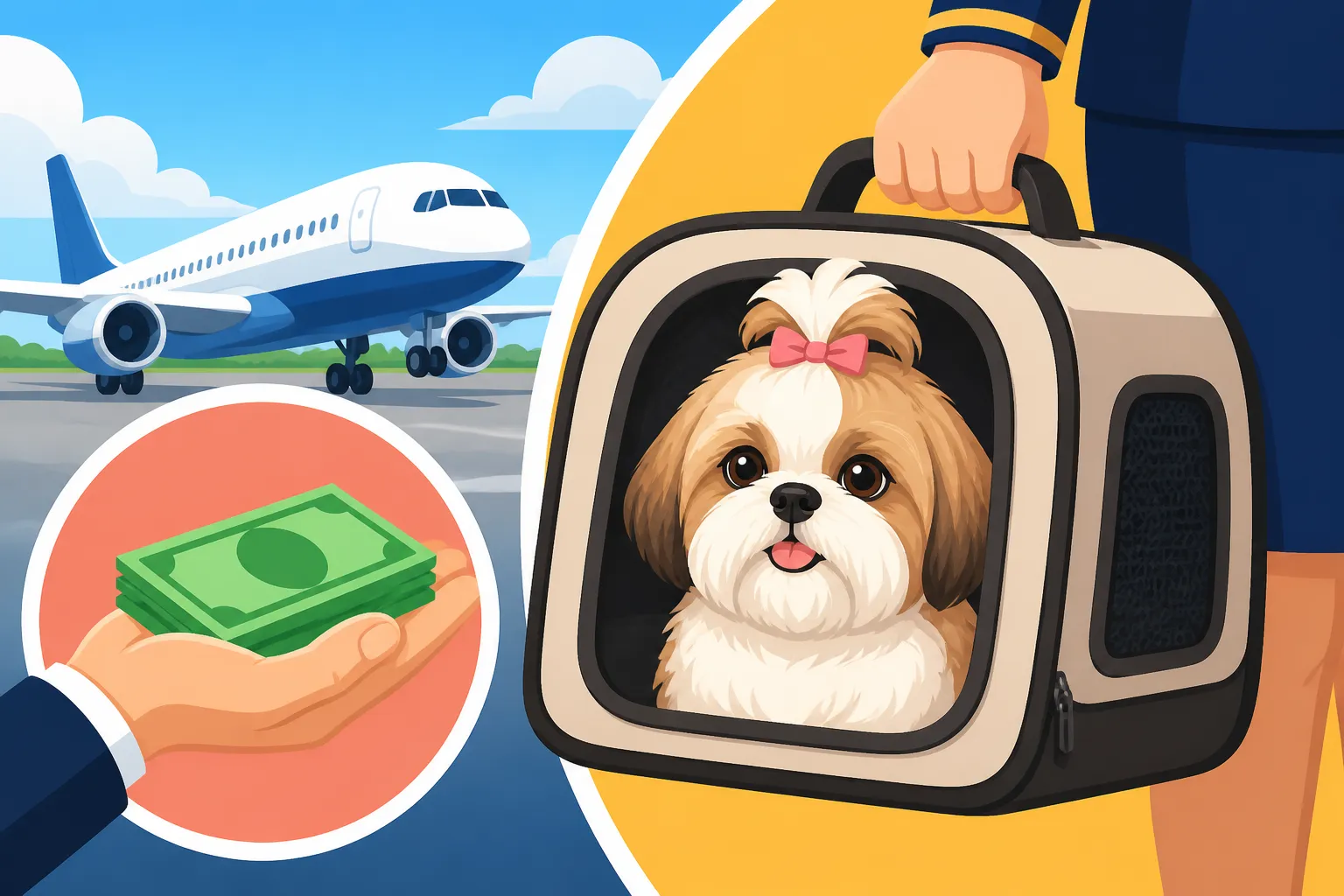
What an Airline Charges for a Shih Tzu Carrier
Planning to fly with your beloved Shih Tzu can feel like navigating a maze of regulations and fees, especially when you're trying to figure out what an airline charges just for their carrier. It’s not simply a matter of buying a ticket for yourself; there’s a whole separate set of considerations for our flat-faced companions. This guide will help you understand the various factors that influence the cost of flying with your Shih Tzu's carrier, distinguishing between in-cabin and cargo options, and how to best prepare for a smooth journey.
Carry-on vs. Cargo: The Big Divide for Your Shih Tzu
When it comes to flying with your Shih Tzu, the first and most critical decision you'll face is whether they will travel with you in the cabin as a carry-on, or in the cargo hold. This choice profoundly impacts the fees you'll pay and, more importantly, your Shih Tzu's safety and comfort. For a brachycephalic breed like the Shih Tzu, this distinction isn't just about cost; it's about well-being.
In-Cabin Travel: Your Shih Tzu Under the Seat
Most Shih Tzu parents desperately want their furry family member to travel in the cabin right by their feet, and for good reason. In-cabin travel means your Shih Tzu is considered a carry-on item, fitting snugly in an approved carrier under the seat in front of you. This option is generally much safer and less stressful for your dog, as they remain in your sight and can be comforted by your presence.
The fees for in-cabin pets typically involve a flat rate per flight segment. This rate can vary significantly between airlines, and even on different routes. It's often non-refundable, so ensure your travel plans are solid. Space for pets in the cabin is highly limited – usually only a few per flight – which means you need to book this well in advance. Sometimes, you might find that an airline already has its quota of pets for your chosen flight, forcing you to consider other options or adjust your schedule. When selecting a carrier, make sure it’s a soft-sided option that complies with the airline's specific dimensions, which can often be found on their website or when you're booking your Shih Tzu Carriers for Cabin Travel. Many owners find excellent, airline-approved carriers through pet retailers like Chewy, ensuring they meet the necessary specifications.
Cargo Travel: A Risky Proposition for Brachycephalic Breeds
While cargo travel might seem like a solution if your Shih Tzu doesn't fit the in-cabin criteria or if cabin space is unavailable, it carries significant risks, especially for brachycephalic (flat-faced) breeds. Airlines often have specific restrictions or even outright bans on transporting Shih Tzus and similar breeds in cargo, particularly during warmer months. This is because these dogs are prone to overheating and respiratory distress due to their unique physiology. If you've ever wondered Why a Shih Tzu Overheats So Easily, you know their short snouts make it difficult to cool down effectively, and the fluctuating temperatures and stress in a cargo hold can be incredibly dangerous.
Cargo fees tend to be higher than in-cabin fees, often calculated based on the combined weight of your Shih Tzu and their carrier, as well as the destination and route. These fees can escalate quickly for international travel due to additional customs, veterinary inspections, and sometimes even quarantine requirements. The carrier itself must be rigid, IATA-compliant, and large enough for your Shih Tzu to stand, turn around, and lie down comfortably. Even with proper ventilation, the environment can be incredibly stressful and potentially life-threatening for a Shih Tzu. This is why many experts strongly advise against cargo travel for these breeds, a sentiment echoed in discussions like Whether a Shih Tzu Should Ever Fly in Cargo.
Factors Influencing Your Shih Tzu's Carrier Fees
The price you pay for your Shih Tzu's carrier on an airplane isn't a one-size-fits-all number. Several variables come into play, from the specific airline you choose to your destination, and even the type of carrier you’re using. Understanding these factors will help you budget and plan more effectively.
Airline-Specific Policies and Restrictions
Every airline has its own set of rules and a unique fee structure for pet travel. There's no universal standard, which can be incredibly frustrating for pet parents. Some airlines might charge a slightly lower flat fee for in-cabin pets, while others could be considerably higher. They also differ in their maximum carrier dimensions, weight limits for the pet-plus-carrier, and the number of pets allowed per flight. It's crucial to check the specific airline's pet policy before booking your tickets. Don't assume that because your carrier worked on one airline, it will on another. Some carriers are very strict about the flexibility of soft-sided carriers needing to fit perfectly under the seat, so even a slightly too-tall carrier could be rejected. These policies often include health requirements too, such as specific vaccination records or a recent vet check, adding to your pre-travel checklist.
Destination, Route, and Layover Impact
The length and complexity of your journey also play a significant role in the overall cost. For instance, a direct flight will typically incur a single pet fee (per segment, for in-cabin). However, if your journey involves layovers and connecting flights, you might be charged the pet fee for each segment, effectively doubling or tripling the cost. International travel introduces a whole new layer of expenses. Beyond the airline's own fees, you'll need to consider import permits, health certificates issued by a government-approved veterinarian, and potential quarantine fees in the destination country. These can be substantial and require meticulous planning, sometimes weeks or even months in advance. The stress of longer travel times, especially for a small dog, is also a concern for your Shih Tzu, often discussed in resources like Traveling With a Shih Tzu in Warm Weather, where careful consideration of weather and layover times is advised.
Size and Type of Carrier: Fitting the Bill
The carrier itself, while a one-time purchase, indirectly influences the "fees" by determining whether your Shih Tzu can travel in-cabin at all. In-cabin carriers must adhere strictly to the dimensions required to fit under the seat. These are typically soft-sided and collapsible to some degree. If your Shih Tzu is on the larger end of the breed standard, you might find that even a perfectly airline-compliant carrier feels a bit cramped, or that your dog is just slightly too tall when standing, which could result in them being denied boarding in the cabin.
For cargo travel, the requirements are even more stringent: a hard-sided carrier, specific dimensions based on your dog's size (able to stand and turn around), proper ventilation, food and water bowls, and "LIVE ANIMAL" labeling are all non-negotiable. While the carrier cost isn't an airline fee, buying one that meets these specifications is an essential part of your overall travel budget. Investing in a high-quality carrier from a reputable brand found on sites like Chewy can save you headaches at the airport check-in counter, ensuring it's robust enough for travel and approved by the airline.
Navigating Airline Pet Policies and Hidden Costs
It’s easy to focus solely on the announced pet fee, but the true cost of flying with your Shih Tzu can include various hidden charges and requirements that sneak up on you if you're not prepared. Understanding these can prevent last-minute stress and unexpected dents in your wallet.
Booking and Reservation Fees for Your Canine Companion
Beyond the standard pet carriage fee, some airlines may impose additional charges simply for reserving a spot for your Shih Tzu. Because in-cabin pet spaces are so limited, it’s akin to booking a special seat. This might manifest as an administrative fee or a slightly inflated price if you book through certain channels. Always clarify if the quoted pet fee covers everything, or if there are separate booking fees for animals. Furthermore, last-minute changes to your flight or itinerary can lead to re-booking fees for your pet, or worse, finding that there are no longer any pet spots available on your new flight. It's also vital to confirm your pet's reservation directly with the airline a few days before departure, rather than just relying on your initial booking confirmation. This double-check can prevent heartbreaking situations at the airport.
Unexpected Airport Charges and Health Compliance
Even after you've paid your airline fee, you might encounter additional costs at the airport itself. These can include unexpected charges for oversized carriers (even if you thought it was compliant), or if your Shih Tzu is deemed overweight by airport staff using their scales. Some airports might have facility fees for animals or require specific identification tags not covered by your airline fee.
More significantly, health certificate requirements can be a substantial hidden cost. Most airlines and destinations, especially international ones, require a health certificate from a licensed veterinarian, issued within a very short window (e.g., 10 days) of your travel date. This means scheduling a vet appointment specifically for travel, which comes with consultation fees, potential additional tests, and the cost of the certificate itself. If you forget this, or if the certificate isn't correctly filled out, your Shih Tzu could be denied boarding, and you'd be out the flight costs and the pet fee. Don't underestimate the time and expense involved in securing these veterinary clearances. In a stressful travel situation, a quick check-up can prevent serious issues, as covered in topics like A Shih Tzu Panting in the Vet Waiting Room.
Veterinary and Health Certificate Costs
As mentioned, veterinary expenses are a significant part of the overall cost that isn't directly charged by the airline but is absolutely mandatory. Before your Shih Tzu can even set paw in an airport, they'll likely need a health check-up, up-to-date vaccinations, and potentially specific parasite preventatives. For international travel, the requirements become far more complex, often needing multiple vet visits, blood tests, microchipping, and endorsements from government agricultural departments. These costs accumulate quickly. For instance, obtaining an international health certificate might involve several hundred dollars in vet fees and endorsement charges, depending on the destination's rules.
It’s also wise to consider pet insurance for emergencies during travel. Companies like Healthy Paws offer policies that could cover unexpected veterinary bills if your Shih Tzu were to become ill or injured during the journey, or upon arrival in a new place. Given the inherent risks of travel, particularly for brachycephalic breeds, having a plan for potential emergencies, such as a sudden health crisis or even an accidental injury that could lead to Shih Tzu Eye Proptosis, the Emergency Owners Miss, can provide immense peace of mind. The financial strain of an emergency vet visit, especially in an unfamiliar city, can be overwhelming, making pet insurance a valuable consideration when planning your trip.
Reducing Your Shih Tzu's Travel Costs and Stress
While some costs are unavoidable when flying with your Shih Tzu, there are definitely strategies you can employ to minimize expenses and, perhaps more importantly, reduce the stress on your furry friend. Thoughtful planning can make a world of difference for both your budget and your Shih Tzu’s well-being.
Choosing the Right Airline and Policy
The single biggest factor in controlling costs is selecting an airline that aligns with your Shih Tzu's needs and your budget. As mentioned, policies vary wildly. Take the time to research different airlines' pet policies thoroughly. Look for airlines that have a clear, transparent fee structure for in-cabin pets, and those that are known for being pet-friendly. Some airlines might have lower pet fees but stricter carrier size limits, while others might be more lenient on carrier dimensions but charge more. It's a balance.
Consider airlines that allow you to add your pet to your booking online or via phone directly after purchasing your ticket, giving you immediate confirmation of their spot. Read reviews from other pet owners if possible. Don't just compare the pet fee; factor in potential additional costs for carry-on luggage if your pet carrier uses up that allowance, or any specific health documentation requirements that might add to vet bills. Sometimes, a slightly higher pet fee with a more reliable, pet-focused airline is worth it for the peace of mind.
Preparing Your Shih Tzu for a Smooth Journey
Reducing your Shih Tzu's stress before and during travel can indirectly save you money by preventing potential vet emergencies and missed flights. Acclimate your Shih Tzu to their carrier well in advance. Make it a safe, comfortable space with familiar blankets, toys, and perhaps a special treat. Practicing short periods inside the carrier at home, especially with the zipper closed, can help them associate it with positive experiences. You can find many calming treats and travel-friendly accessories on sites like Chewy to aid in this process.
Before travel, ensure your Shih Tzu has had a good potty break and a short walk. While a lengthy Shih Tzu Exercise for a Low-Energy Toy isn't necessary, some mental and physical stimulation can help them settle. Avoid feeding them a large meal right before the flight to prevent an upset stomach, but offer water up until boarding. If your Shih Tzu is prone to anxiety, discuss options with your vet, such as calming supplements, or even anti-anxiety medication for the journey, making sure to test it at home first to see how your dog reacts. You want to avoid situations where they are overly anxious, which can lead to complications, or even instances where an emergency vet visit is needed.
Considering Alternatives to Flying
Sometimes, the best way to save on airline carrier fees (and avoid the stress on your Shih Tzu) is to explore alternative travel options. For shorter distances, a car journey might be far more comfortable and significantly cheaper. Many Shih Tzus do quite well on Long Car Journeys With a Shih Tzu if properly prepared with breaks, water, and comfort items.
If you're going away for an extended period or to a destination that's simply too far to drive, consider whether bringing your Shih Tzu is truly necessary. Perhaps a trusted pet sitter or a reputable boarding facility would be a better choice. Many doggy daycare centers offer overnight boarding, and some even specialize in smaller breeds or those with specific needs, which can be an excellent option for your Shih Tzu. Websites and local directories can help you find Who Will Board a Flat-Faced Shih Tzu who understands their unique breathing and temperature sensitivities. While boarding certainly has its own costs, it often pales in comparison to the complex, risky, and sometimes exorbitant expenses associated with flying your beloved companion, particularly when international travel is involved.
Planning with a Comprehensive Checklist
To keep everything straight and avoid those unexpected fees or panicked moments, creating a detailed checklist is invaluable. This should include:
| Item | Details | Action |
|---|---|---|
| Airline Pet Policy | In-cabin dimensions, weight limits, fee, booking process, number of pets allowed | Read thoroughly on airline's website; call to confirm. |
| Carrier Compliance | Meets airline dimensions (length, width, height), soft-sided for in-cabin | Measure carrier, practice fitting under a seat-sized space. |
| Veterinary Visit | Health certificate, vaccination records, any necessary medication | Schedule appointment well in advance (within required timeframe). |
| Destination Rules | Import permits, quarantine, specific forms, customs declarations | Research destination country's pet import regulations. |
| Travel Comfort Kit | Familiar blanket, favorite toy, water bottle, collapsible bowl, potty pads | Pack a small bag for your Shih Tzu with essentials. |
| Food & Water | Pre-portioned meals (e.g., from Ollie), treats, water | Ensure easy access to food and water for layovers/delays. |
| Identification | Collar with tags (current contact info), microchip, carrier labels | Double-check all IDs are current and legible. |
| Financial Buffer | Extra funds for unexpected fees, vet emergencies | Set aside a contingency fund. |
By meticulously going through each step, you can approach your travel day feeling prepared and confident, knowing you've done everything possible to ensure your Shih Tzu's safety and comfort, while also managing the costs involved.
Disclaimer
This article is for general informational purposes only and does not constitute professional advice. Laws, prices and regulations vary by location and change over time. Consult a qualified professional for guidance on your specific situation.