Grooming a Shih Tzu at Home Instead
The sheer cost of professional Shih Tzu grooming can feel overwhelming, especially when you know your fluffy companion needs regular upkeep to stay healthy and comfortable. It's a common frustration, finding that sweet spot between providing the best care and keeping your budget in check. But what if you could take control of that expensive line item by learning to groom your Shih Tzu right in your own home? This comprehensive guide will walk you through everything you need to know, from understanding their unique coat to mastering the techniques that will keep your Shih Tzu looking fabulous without constant trips to the salon.
Understanding the Shih Tzu Coat and Why Grooming is Essential
Let's face it, one of the most enchanting features of a Shih Tzu is their luxurious, flowing coat. It's what gives them that regal, almost ethereal appearance. But beneath the beauty lies a complex double coat that demands consistent attention. Many new Shih Tzu owners, myself included, quickly learn that this isn't just about aesthetics; it's about their dog's comfort, health, and overall well-being. Skipping grooms, even for a few weeks, can lead to serious issues, turning what seems like a simple beauty routine into a critical health necessity.
The Double Coat Dilemma: Mats and Undercoat
The Shih Tzu boasts a double coat, meaning they have a soft, woolly undercoat beneath a longer, silkier outer coat. While stunning, this combination is a recipe for matting if not meticulously cared for. The undercoat sheds, but instead of falling out, it often gets trapped within the longer guard hairs. As your Shih Tzu moves, plays, and even sleeps, these trapped hairs, combined with the outer coat, twist and tangle into tight, painful mats. It happens incredibly fast, sometimes in just a couple of days, especially in high-friction areas like behind the ears, under the legs, and around the sanitary regions. You might be brushing diligently on the surface, but if you're not getting down to the skin, those mats are forming, tightening with every passing hour. This is why understanding the mechanics of their coat is the first step to successful home grooming, and why you might hear professional groomers emphasize the frequency, often recommending Grooming a Shih Tzu Every Four to Six Weeks to prevent serious matting.
Health Risks of Neglected Grooming
Beyond the obvious discomfort, neglected grooming can lead to a host of health problems for your Shih Tzu. Mats aren't just cosmetic; they pull at the skin, causing irritation, redness, and even open sores. These areas can become breeding grounds for bacteria and yeast, leading to painful skin infections. If the mats are severe and tight, they can restrict movement, making it difficult for your dog to walk, run, or even lie down comfortably. Parasites like fleas and ticks can hide deep within matted fur, going undetected for longer periods and making treatment incredibly difficult. Moreover, severe matting can hide underlying skin conditions, lumps, or injuries that you might otherwise notice. In extreme cases, mats can restrict blood flow to extremities, cause pressure sores, and even lead to nerve damage. It’s a stark reminder that what looks like a minor issue can quickly escalate, highlighting why regular home care isn't just about saving money, but about safeguarding your pet's health.
Gathering Your At-Home Grooming Arsenal
Before you even think about picking up a comb, you need to arm yourself with the right tools. Trying to groom a Shih Tzu with substandard equipment is like trying to bake a cake without flour – it's just not going to work, and you'll end up frustrated, and your dog will be uncomfortable. Investing in quality grooming supplies upfront will save you headaches, heartache, and ultimately, money in the long run. Many of these essential items can be found conveniently online through retailers like Chewy, making it easy to stock up.
Brushes, Combs, and Dematting Tools
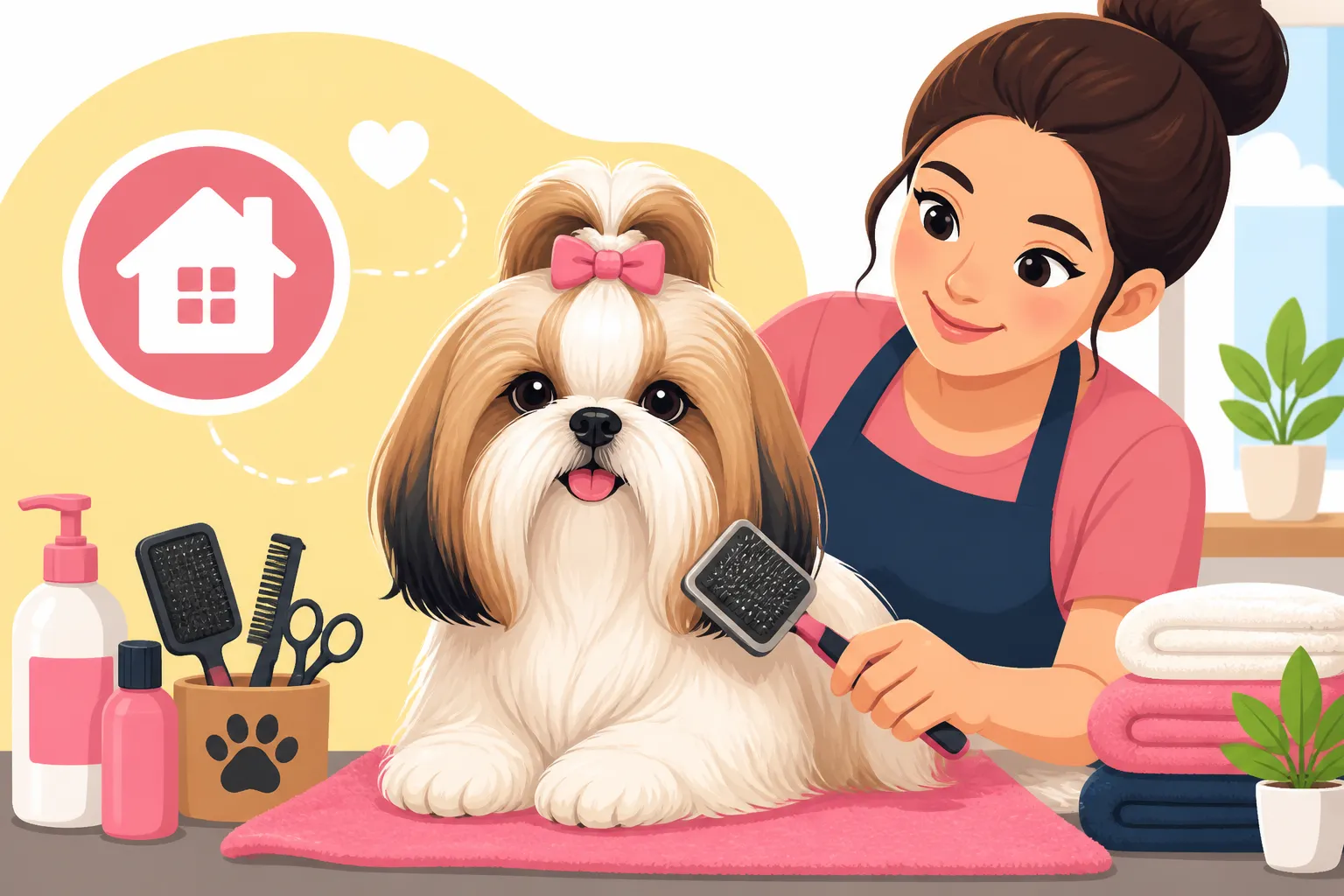
This is your first line of defense against mats and tangles. A good quality slicker brush is indispensable for a Shih Tzu. Look for one with fine, bent wire bristles that can penetrate the double coat without scratching the skin. You'll use this primarily for line brushing, working in small sections to get down to the roots. Next, you need a sturdy metal comb with both wide and fine teeth. This is your "mat detector" and finishing tool. After brushing a section, run the comb through it. If it snags, you've missed a mat.
For those inevitable, stubborn knots, a dematting tool or a mat splitter can be a lifesaver. These tools have specialized blades designed to cut through mats with minimal pulling. However, use them with extreme caution, as improper use can easily cut your dog's skin. A good detangler spray is also a must-have to help loosen knots before brushing. A product specifically formulated for dogs, applied sparingly, can make a huge difference in working out those tricky tangles, as discussed in Detangler Sprays That Work on a Shih Tzu. Remember, gentle is key; you want to work with the hair, not against it.
Clippers, Scissors, and Nail Trimmers
While some owners opt for purely scissor cuts, clippers are often more efficient and safer for overall body trims, especially if you're going for a puppy cut or shorter style. For Shih Tzus, you'll want quiet clippers with a powerful motor to handle their dense coat. Invest in good quality blades (e.g., a #10 for sanitary areas, and a #7F or #5F for the body length you desire). Always use a cooling spray for your blades, as they can heat up quickly and burn your dog's skin.
For delicate areas and touch-ups, a variety of grooming scissors are essential. Blunt-nosed scissors are perfect for trimming around the eyes and paw pads to prevent accidental pokes. Thinning shears can help blend lines and reduce bulk without shortening the hair drastically. Finally, don't forget nail trimmers – either the guillotine or scissor-style, whichever you find easier to use – and a styptic powder in case you cut too close to the quick. You might also consider a Dremel tool for grinding nails, which can give a smoother finish and reduce the risk of cutting too deep.
Shampoos, Conditioners, and Eye Care Products
The right bathing products are crucial for maintaining a healthy coat and skin. Look for a high-quality, pH-balanced dog shampoo that is free of harsh chemicals and artificial fragrances. Many Shih Tzus have sensitive skin, so a hypoallergenic or oatmeal-based shampoo can be beneficial. A good conditioner is just as important; it helps to moisturize the coat, making it softer, more manageable, and less prone to tangles. Apply conditioner thoroughly and let it sit for a few minutes before rinsing.
For facial care, given their prominent eyes and tendency for tear staining, you'll need specific products. Gentle, dog-specific face wash or tear stain wipes are essential for keeping the area clean. Regularly wiping around their eyes not only prevents staining but also helps avoid irritation from dirt and debris. Consider products designed to address tear stains, especially if your Shih Tzu has light-colored fur. Don't forget an ear cleaning solution and cotton balls for weekly ear maintenance, and always make sure to keep hair out of their sensitive eyes as detailed in The Shih Tzu Topknot and Keeping Hair Out of the Eyes.
The Step-by-Step Home Grooming Process
Now that you're equipped, it's time to tackle the actual grooming. This process should be approached methodically and patiently, especially if your Shih Tzu isn't used to it. Remember, consistency is key, and positive reinforcement will go a long way in making this a pleasant experience for both of you. Set aside a block of time when you won't be rushed, and ensure you have a non-slip surface for your dog to stand on, whether it's a grooming table or a sturdy counter covered with a bath mat.
Pre-Bath Prep: Brushing and Dematting
This is arguably the most critical step and one that many new groomers overlook, to their detriment. Never bathe a matted dog. Water tightens mats, making them virtually impossible to remove without shaving, which can be painful and stressful for your dog. So, before your Shih Tzu even sees the tub, a thorough brushing and dematting session is in order.
Start by working through the coat with your slicker brush, section by section. Think of it like brushing your own long hair: you wouldn't just drag a brush from top to bottom. Use a technique called "line brushing" or "pin brushing." Part the hair horizontally, spray a little detangler, and brush from the skin outwards, working your way up each section. Once you've brushed a section, follow through with your metal comb. If the comb glides through, that section is mat-free. Pay special attention to areas prone to severe matting, such as Mats Under a Shih Tzu's Front Legs, behind the ears, and around the tail. If you encounter a mat, gently try to pick it apart with your fingers, then use your dematting tool or mat splitter with extreme caution. Remember, patience is paramount here. This entire process might take a significant amount of time, especially if your dog's coat is longer or slightly neglected, but it's time well spent.
Bathing Your Shih Tzu Safely and Thoroughly
Once your Shih Tzu is mat-free, it's bath time! Prepare your bathing area – a utility sink, a small tub, or even your shower with a non-slip mat. Use lukewarm water, never hot, and have everything within reach: shampoo, conditioner, a cup for rinsing, and plenty of towels.
Gently place your Shih Tzu in the tub. Start by thoroughly wetting their coat, making sure the water penetrates all the way to the skin. Apply a small amount of shampoo, starting from the neck and working your way down, avoiding direct contact with their eyes and ears. Lather gently, massaging the shampoo into the coat. For their face, use a dedicated dog facial cleanser, or simply a damp cloth with water, being extra careful around their sensitive eyes. Rinse thoroughly, and I mean thoroughly. Any shampoo residue left behind can irritate the skin and lead to dryness or flakiness. Follow with conditioner, applying it generously, especially to the longer sections of the coat. Let it sit for a few minutes as per product instructions, then rinse again until the water runs clear and the coat feels squeaky clean. Be mindful of their flat faces; avoid getting water up their nose, which can be uncomfortable for brachycephalic breeds.
Drying and Post-Bath Brushing
Drying a Shih Tzu properly is just as important as the bath itself. Simply air-drying can lead to major matting, as the coat contracts as it dries. First, gently squeeze excess water from their coat. Then, wrap them in a towel and pat dry; don't rub vigorously, as this can create tangles.
Once towel-dried, it's time for the blow dryer. Use a pet-specific dryer if you have one, or a human hair dryer set to a low heat and speed setting. Never use high heat, as it can burn their delicate skin. As you dry, continuously brush the coat with your slicker brush, working in sections. This "blow-drying while brushing" technique helps to straighten the hair and prevents new mats from forming. Make sure to get all the way down to the skin, ensuring the undercoat is completely dry. A damp undercoat is a prime candidate for matting. This process can be lengthy, but it’s crucial for achieving that fluffy, mat-free finish. Many owners find a grooming table with a tether helpful for this step, keeping their Shih Tzu safely in place.
Trimming the Face, Paws, and Sanitary Areas
With your Shih Tzu clean and dry, you can now move on to trimming. This is where patience and precision really come into play.
- Face: The face is a delicate area. Use blunt-nosed scissors to carefully trim the hair around their eyes, creating a neat, clear path so hair doesn't irritate their corneas. For a classic Shih Tzu look, you might tie up a topknot with a gentle band. For a puppy cut, trim the fringe short enough so it stays out of their eyes. Trim any excessive hair around the mouth to prevent food from getting stuck, as detailed in Cleaning a Shih Tzu Beard After Wet Food. Be cautious with the hair around their nose; you want to keep it clean but not trim it too short to expose sensitive skin.
- Paws: Hair between the paw pads can collect dirt, debris, and even become matted, causing discomfort and making them slip on hard floors. Use your blunt-nosed scissors or a small clipper blade (e.g., #10) to carefully trim the hair flush with the paw pads. Trim the hair around the paw's circumference to give a neat, rounded appearance. This is also important for preventing slippage, especially on smooth surfaces like hardwood or tile.
- Sanitary Area: This is a vital area for hygiene. Using a #10 clipper blade, carefully trim the hair around your Shih Tzu's anus and genitals. This prevents feces and urine from clinging to the fur, reducing odor and the risk of skin irritation and infection. Be extremely careful when doing this, pulling the skin taut to avoid nicks. A proper sanitary trim is a non-negotiable part of any home grooming routine.
Nail Trimming and Ear Cleaning
These final steps are often the least favorite for both dogs and owners, but they are essential for your Shih Tzu's comfort and health.
- Nail Trimming: Overgrown nails can cause pain, deform your dog's paws, and even lead to joint problems. Hold your Shih Tzu's paw firmly and use sharp nail trimmers. Only cut the very tip of the nail, being careful to avoid the quick – the pink part that contains blood vessels and nerves. If you accidentally cut the quick, it will bleed and be painful. Have styptic powder on hand to stop the bleeding immediately. If you're nervous, try trimming just a tiny bit every few days, or consider using a nail grinder (Dremel) for a smoother, less intimidating experience. Start slow and offer treats generously.
- Ear Cleaning: Shih Tzus often have heavy ear leather and hair that grows inside the ear canal, creating a warm, moist environment perfect for yeast and bacterial infections. Gently lift their ear leather and inspect the ear canal. If you see any redness, swelling, or discharge, or notice a foul odor, consult your vet. Otherwise, apply a dog-specific ear cleaning solution to a cotton ball (never use a Q-tip, which can push debris deeper) and gently wipe the visible parts of the ear. You might need to pluck some ear hair if it's excessive and causing issues; discuss this with your vet or a professional groomer first, as it can be painful if done incorrectly. Regular cleaning helps prevent common problems like Shih Tzu Ear Infections That Keep Returning.
| Grooming Tool | Purpose | Frequency of Use | Notes |
|---|---|---|---|
| Slicker Brush | Removes loose hair, prevents mats, fluffs coat | Daily/Every other day | Essential for double coats. Always brush down to the skin. |
| Metal Comb (wide/fine) | Checks for mats, detangles, finishes coat, removes loose undercoat | Daily/Every other day | Use after brushing to ensure coat is truly tangle-free. |
| Detangler Spray | Helps loosen knots and mats, lubricates hair for easier brushing | As needed | Spray sparingly on mats before attempting to brush them out. |
| Dematting Tool/Mat Splitter | Safely breaks up stubborn mats | As needed (rarely) | Use with extreme caution to avoid cutting skin. Never pull harshly. |
| Quiet Clippers (#10, #7F) | Body trims, sanitary areas, paw pads | Every 4-8 weeks | Use cool blades; apply coolant frequently. Hold skin taut. |
| Blunt-Nosed Scissors | Trimming around eyes, mouth, paw pads | Every 2-4 weeks | Essential for safety in delicate areas. |
| Thinning Shears | Blending lines, reducing bulk | As needed | Great for natural-looking finish, especially on the head. |
| Nail Trimmers/Grinder | Keeping nails short | Every 2-4 weeks | Have styptic powder ready. Grind if dog dislikes clippers. |
| Dog Shampoo & Conditioner | Cleaning and moisturizing coat | Every 2-3 weeks | Use pH-balanced, dog-specific products. Rinse thoroughly. |
| Facial Cleanser/Wipes | Cleaning tear stains and beard | Daily | Prevents staining and irritation, especially for flat-faced breeds. |
| Ear Cleaning Solution | Cleans ear canal, prevents infections | Weekly | Use cotton balls, never Q-tips. Consult vet if issues persist. |
Maintaining Your Shih Tzu's Coat Between Full Grooms
The full grooming session might only happen every few weeks, but the work doesn't stop there. Daily and weekly maintenance is crucial to prevent the coat from becoming a tangled mess and making the next full groom a nightmare. Think of it as preventative medicine for their coat. These small, consistent efforts are what truly make home grooming feasible and enjoyable. Skipping these steps is how mats form, leading to discomfort for your dog and a much longer, more difficult grooming session for you.
Daily Brushing Routines
The single most important thing you can do for your Shih Tzu's coat, especially if they have a full, long coat, is to brush them daily. Yes, daily! This isn't just a suggestion; it's a necessity for a Shih Tzu. Their double coat, combined with their active nature, means tangles and mats can form almost overnight. Even if your Shih Tzu has a shorter "puppy cut," daily brushing is still highly recommended to remove loose hair and prevent matting.
Set aside 5-10 minutes each day. Use your slicker brush and metal comb, working through the coat in sections. Focus on the areas most prone to matting: behind the ears, under the armpits, inner thighs, and where a harness might rub. This not only keeps mats at bay but also stimulates the skin, distributes natural oils, and provides a wonderful bonding experience. If you get into the habit early, your Shih Tzu will learn to relax and even enjoy these daily sessions. It's truly the best way to keep their coat healthy and manageable.
Regular Face and Eye Care
Given their distinctive flat faces and often prominent eyes, Shih Tzus are particularly prone to tear staining and eye irritation. This isn't just a cosmetic issue; persistent moisture and debris can lead to skin infections and discomfort. Therefore, daily face and eye care is non-negotiable.
Use a soft, damp cloth or a specially formulated dog eye wipe to gently clean around their eyes at least once, preferably twice, a day. This helps remove tear stains, eye boogers, and any food debris that might accumulate around their muzzle. Pay attention to their nasal fold if they have one, keeping it clean and dry to prevent skin fold dermatitis. If you notice excessive tearing, redness, or discharge, it's always wise to consult your veterinarian, as it could indicate an underlying issue like allergies or even Shih Tzu Corneal Ulcers and Dry Eye. Consistent cleaning prevents the build-up that can harden and become incredibly difficult to remove, sometimes even requiring professional cleaning or trimming.
Quick Paw and Sanitary Trims
Even between full grooming sessions, certain areas of your Shih Tzu's body benefit from quick touch-ups. The paw pads and sanitary areas are prime examples, as neglecting them can lead to hygiene issues and discomfort.
Hair between the paw pads can grow surprisingly fast. When it gets too long, it reduces traction, causing your Shih Tzu to slip on smooth floors. It also collects dirt, burrs, and ice in winter, which can be irritating or even painful. Every week or two, take a moment to quickly trim this hair using your blunt-nosed scissors or a small clipper. Similarly, a quick trim of the sanitary area every couple of weeks helps maintain cleanliness, especially if your Shih Tzu has longer fur or is prone to messy potty breaks. These small, regular trims prevent more significant problems from developing, making the longer grooming sessions less intensive and more efficient.
Common Home Grooming Challenges and Solutions
Deciding to groom your Shih Tzu at home is a fantastic step, but let's be realistic: it won't always be a walk in the park. There will be moments of frustration, a bit of trial and error, and maybe a few yelps (from both of you!). But understanding common challenges and having strategies to overcome them can make all the difference. Remember, consistency and patience are your best friends.
Dealing with Mats and Tangled Hair
The most common and often most daunting challenge for Shih Tzu owners is undoubtedly dealing with mats. They seem to appear out of nowhere and can quickly become painful. The first rule is: prevention is better than cure. Daily brushing, as discussed, is your best defense. However, if you do encounter mats, here’s how to approach them:
- Small, Loose Tangles: Use a detangling spray and gently work the tangle out with your fingers, then follow with a metal comb. Start from the ends of the hair and work your way up to the skin, never pulling from the root.
- Tight Mats: For tougher mats, carefully try to split them with a mat splitter or the fine end of your metal comb. You can also try carefully cutting the mat lengthwise (parallel to the body) with the tip of blunt-nosed scissors, then picking it apart. Always put your fingers between the mat and the skin when cutting to avoid accidentally cutting the skin. If a mat is very tight and close to the skin, it’s often safer to shave it out with clippers (using a #10 blade with extreme caution, holding the skin taut) or, if you're truly uncomfortable, take your dog to a professional groomer for a "dematting shave." Attempting to brush out severe mats is incredibly painful for your dog and can create a negative association with grooming.
- Preventative Measures: Consider a shorter "puppy cut" style, which is much easier to maintain and less prone to matting than a full show coat. This can save you a lot of time and hassle, as outlined in The Puppy Cut and What It Saves. Regularly check those mat-prone areas like behind the ears, under the legs, and around the collar or harness.
Overcoming Fear of Clippers or Water
Many dogs, not just Shih Tzus, can be apprehensive about grooming tools, especially the noise of clippers or the sensation of water. This fear can escalate into outright panic if not handled gently and patiently.
- Clippers: Start by simply letting your Shih Tzu be near the clippers while they are off, offering treats. Gradually, turn them on at a distance, again offering treats and praise. Let your dog sniff them. Then, gently touch the back of the clippers (not the blade) to their body, allowing them to feel the vibration without the cutting. Keep sessions very short and positive. Work on one small area at a time. Over time, they will associate the clippers with positive experiences.
- Water/Bathing: Some dogs hate baths. Make the experience as positive as possible. Use non-slip mats in the tub. Use lukewarm water and a gentle showerhead attachment, if possible, rather than dumping water over their head. Praise and treats are your best friends. Start with just getting their paws wet, then slowly work up to a full bath over several sessions. If your Shih Tzu is particularly anxious, consider getting them used to the tub dry, with treats, before adding water. For a very nervous dog, a professional trainer might be able to offer specific desensitization techniques.
Preventing Nicking and Injury
The fear of accidentally cutting your dog is a legitimate concern for any home groomer, and it's why safety should always be your top priority.
- Sharp, Clean Tools: Always use sharp blades and scissors. Dull tools snag and pull, which is uncomfortable for your dog and can lead to accidents. Keep your clipper blades clean and oiled, and have them professionally sharpened or replace them when needed.
- Hold Skin Taut: When using clippers or scissors, especially in delicate areas, always hold the skin taut with your free hand. This flattens the skin, reducing wrinkles and preventing nicks.
- Use Blunt-Nosed Scissors: Around the eyes, face, and paw pads, blunt-nosed scissors are a must. The rounded tips minimize the risk of accidental pokes, especially if your dog moves unexpectedly.
- Work Slowly and Deliberately: Never rush. Take your time, especially when working on sensitive areas. If your dog is squirming, take a break, reassure them, and resume when they are calmer.
- Know When to Stop: If you are too nervous or encounter a mat that seems too risky to remove, don't hesitate to seek professional help. A visit to the groomer for a specific problem area is far better than causing an injury to your beloved pet. Furthermore, if an unexpected injury does occur, having a plan for potential vet visits, such as considering pet insurance like Healthy Paws, can alleviate financial stress.
The Long-Term Benefits of Home Grooming (Beyond Cost Savings)
While the initial motivation for many Shih Tzu owners to groom at home is often the significant cost savings, the advantages extend far beyond your wallet. Learning to groom your dog yourself unlocks a deeper connection, enhances their overall well-being, and empowers you to be a more informed and proactive pet parent. It's a journey that enriches both your life and your Shih Tzu's.
Strengthening the Bond with Your Shih Tzu
Grooming, when done patiently and positively, can become an incredibly powerful bonding experience. It’s a time when you give your full, undivided attention to your Shih Tzu, offering gentle touches, reassuring words, and often, treats. This one-on-one interaction builds trust and reinforces your role as their caregiver.
Imagine your Shih Tzu nestled calmly on your lap or on a grooming table, willingly accepting your touch as you brush out their coat or clean their ears. This isn’t just about making them look pretty; it's about mutual respect and comfort. They learn to associate your hands with soothing sensations and positive reinforcement, rather than just quick cuddles. This deepened bond can translate into a more confident, relaxed dog in other aspects of their life, strengthening your relationship in ways that simply can’t be bought at a salon. The more comfortable your Shih Tzu is with handling, the easier vet visits and other necessary physical examinations become, benefiting their health in the long run.
Early Detection of Health Issues
One of the most overlooked benefits of regular home grooming is the opportunity it provides for early detection of potential health concerns. When you're routinely going over every inch of your Shih Tzu's body with your hands and eyes, you become intimately familiar with their normal state. This vigilance means you're much more likely to spot subtle changes that might otherwise go unnoticed until they become more serious.
Think about it: during your brushing sessions, you'll feel for any new lumps, bumps, or tender spots on their skin. While cleaning their ears, you'll notice unusual odors, redness, or discharge that could signal an infection. Trimming their nails, you'll check their paw pads for cuts or foreign objects. Even their coat texture and skin condition can give clues about their overall health, such as dry, flaky skin possibly indicating allergies or dietary deficiencies. For instance, you might notice signs of Shih Tzu Dental Disease at 13 Percent of the Breed during a face trim if you're regularly looking at their gums and teeth. Catching these issues early often means simpler, less invasive, and less costly treatments, saving your Shih Tzu discomfort and you worry.
Tailoring Grooming to Your Dog's Needs
Professional groomers are skilled, but they work on a schedule and often with multiple dogs. While they strive for individual care, you, as the owner, have the unique ability to tailor every aspect of the grooming process precisely to your Shih Tzu’s specific needs and preferences.
Does your Shih Tzu have particularly sensitive skin? You can choose a hypoallergenic shampoo and conditioner from brands like Chewy with specific ingredients that soothe rather than irritate. Is there a specific spot where they tend to mat more quickly, perhaps under their harness? You can give that area extra attention during daily brushing. Do they hate having their nails clipped but tolerate grinding? You can switch to a Dremel. You can adjust the length of their puppy cut to best suit their lifestyle, whether that means a super short cut for easy maintenance or a slightly longer, fluffier style for cooler weather. This bespoke approach means less stress for your dog and a more effective grooming outcome. You can even consider how their diet, like premium options from Ollie, might contribute to coat health, giving you full control over their well-being, inside and out. Being able to adapt and respond directly to your Shih Tzu’s individual quirks and needs fosters a more comfortable and happy experience for them.
Disclaimer
The information provided in this guide is for general informational purposes only and does not constitute professional veterinary advice. Always consult with a qualified veterinarian or professional groomer for any health concerns or before attempting any new grooming techniques, especially if your Shih Tzu has existing skin conditions, injuries, or behavioral issues. Your dog's safety and well-being should always be the top priority.