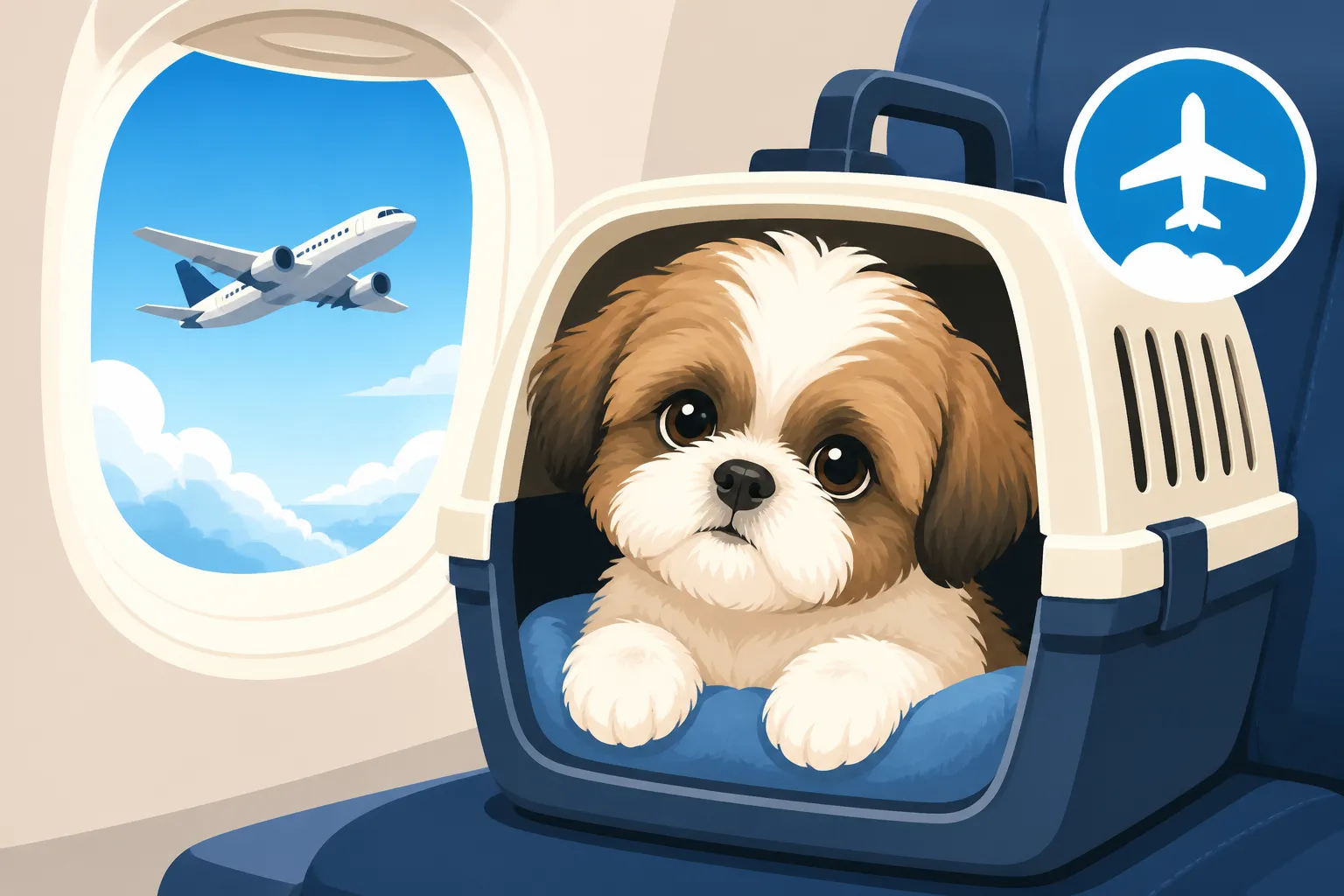
Bringing a Shih Tzu Puppy Home by Air
Bringing a Shih Tzu puppy home, especially when it involves air travel, can feel like navigating a complex maze of rules, anxieties, and genuine health concerns. Many new owners dream of an easy, seamless journey, only to be met with unexpected airline restrictions or worries about their tiny companion's well-being. This guide aims to demystify the process, offering practical advice and empathetic insights to ensure your Shih Tzu puppy's journey by air is as safe and stress-free as possible.
Understanding the Risks of Air Travel for Brachycephalic Breeds
When you’re thinking about bringing a Shih Tzu puppy home by air, the very first thing to understand is that their adorable flat faces, while a hallmark of the breed, present some significant challenges during air travel. This isn't just about comfort; it's about their fundamental ability to breathe and regulate their body temperature under stressful conditions. Airlines are increasingly aware of these issues, and their policies reflect a real concern for the welfare of these specific breeds.
Why a Flat Face Poses Unique Challenges
Shih Tzus, like other brachycephalic (short-nosed) breeds such as Pugs, Bulldogs, and Boston Terriers, have compacted airways. Their unique anatomy means they have smaller nostrils, an elongated soft palate that can block their windpipe, and often a narrower trachea. What might seem like a cute snore at home can become a life-threatening struggle for air when stressed or exposed to fluctuating temperatures and air pressure changes inherent in flying. Imagine trying to breathe through a pinched straw – that's often what it feels like for them when they're anxious or exerted.
This physiological makeup makes them incredibly susceptible to respiratory distress and overheating. In the cabin, while climate-controlled, the air can still be drier, and the confined space under a seat, even in a well-ventilated carrier, adds to the challenge. If a puppy gets worked up or panics, its body temperature can spike rapidly, and because of their reduced ability to pant efficiently (due to those compact airways), they struggle immensely to cool themselves down. This is a critical factor, as overheating can quickly escalate into a medical emergency. Understanding why a Shih Tzu cannot cool itself well is paramount before considering air travel.
Airline Regulations and Carrier Requirements
Navigating airline policies for bringing a pet on board is often the first major hurdle. Each airline has its own specific rules, and these can change frequently. Generally, most major airlines permit small dogs like Shih Tzus to travel in the cabin if they fit under the seat in front of you. However, this is where the "brachycephalic" designation often comes into play. Many airlines have outright bans on brachycephalic breeds traveling in cargo due to the high risk of respiratory issues, and some even have restrictions for in-cabin travel, especially during warmer months.
You'll need an airline-approved carrier that fits under the seat. These carriers typically have specific dimensions – something like 18" L x 11" W x 11" H is common, but you must check with your specific airline. The carrier should be well-ventilated on at least two sides (preferably three or four), leak-proof, and allow your puppy to stand up, turn around, and lie down comfortably, even if they won't be doing much standing during the flight. Soft-sided carriers are often preferred for in-cabin travel as they can be slightly more pliable to fit under the seat. Remember that airlines will also charge a significant fee for your pet to fly, which varies widely but can range from $95 to $150 or more per one-way trip. Understanding what an airline charges for a Shih Tzu carrier is a crucial part of your budget.
Planning Your Shih Tzu Puppy's Journey
Once you’ve grasped the unique challenges and committed to flying with your Shih Tzu puppy, meticulous planning becomes your best friend. This isn't a trip you can just wing; every detail, from the flight selection to what you pack, plays a role in your puppy's safety and comfort.
Choosing the Right Airline and Flight
Selecting the right airline and flight path is critical. Firstly, prioritize direct flights whenever possible. Layover airports add immense stress, increasing the time your puppy is confined, the chances of missed connections, and exposure to different environments and temperatures. The fewer transitions, the better. When you're booking, look for flights during off-peak travel times. A less crowded flight means less commotion, potentially more space, and a generally calmer environment for both you and your puppy.
Crucially, research airline-specific policies for brachycephalic breeds before you book. Some airlines, like Alaska Airlines or Southwest, have pet policies that are more accommodating for in-cabin travel, while others might have stricter rules. You absolutely must call the airline directly to confirm their current pet policy, breed restrictions, temperature embargoes, and available pet spaces on your chosen flight. Many airlines limit the number of pets in the cabin per flight, so booking well in advance is essential. It’s important to understand whether a Shih Tzu should ever fly in cargo – the answer is almost universally no for their safety. Avoid traveling with your Shih Tzu in warm weather, as heat is a major risk factor.
Preparing Your Puppy for the Trip
Preparation starts long before you reach the airport. First and foremost, a pre-travel vet check-up is non-negotiable. Your veterinarian can assess your puppy's overall health, ensuring they are fit to fly. They will also provide a health certificate, typically required by airlines, stating your puppy is healthy enough for travel and up-to-date on vaccinations. This certificate usually needs to be issued within 10 days of your travel date. While at the vet, discuss any concerns you might have regarding your Shih Tzu's brachycephalic breathing in a Shih Tzu or general anxiety. Some vets might suggest mild anti-anxiety medication, but sedatives are generally discouraged for brachycephalic breeds due to their potential to depress respiratory function.
Acclimating your puppy to their carrier is vital. Don't just spring the carrier on them on travel day. Weeks before the flight, make the carrier a positive, safe space. Leave it open in your home, put soft bedding (perhaps from Chewy) inside, and toss in some high-value treats or toys. Encourage your puppy to go in and out voluntarily. Practice closing the door for short periods, gradually increasing the duration. This helps them associate the carrier with comfort and security, reducing stress on the big day. A light meal several hours before the flight is generally advised to prevent nausea, but avoid overfeeding. Offer water before boarding, but limit it during the flight to minimize the chance of accidents.
What to Pack in Your Carry-On
Your carry-on essentially becomes your puppy's survival kit for the journey. Beyond your own travel essentials, you'll need a dedicated section for your Shih Tzu. Here’s a checklist:
- Vet Records & Health Certificate: Keep these easily accessible.
- Leash and Harness: A comfortable harness that won't mat their coat is essential. Avoid collars that put pressure on their delicate neck and airway.
- Small amount of Food: Pack enough for the journey and a day or two after, in case of delays. Individual portions of Ollie fresh food can be a great, palatable option for a stressed pup.
- Collapsible Water Bowl: Essential for offering water during layovers or after landing.
- Pee Pads & Wipes: Accidents happen. Have plenty on hand for pet relief areas and potential clean-ups.
- Plastic Bags: For waste disposal.
- Familiar Blanket or Toy: A scent of home can provide immense comfort.
- Calming Sprays or Chews: Discuss these options with your vet beforehand. Never use anything without veterinary guidance.
- Medications: Any prescribed meds your vet recommended for travel.
Having these items readily available will make the journey much smoother and allow you to address your puppy's needs promptly. Remember that dealing with a Shih Tzu that panics at the clipper means they are sensitive to handling, and the same applies to carrier entry.
Navigating the Airport and Flight Day
The day of travel will be hectic, but with careful preparation and a calm demeanor, you can minimize stress for both you and your puppy. Remember, your Shih Tzu will pick up on your anxiety, so staying composed is key.
Airport Procedures with a Puppy
Aim to arrive at the airport earlier than usual. This gives you ample time to check in, navigate security, and allow your puppy to relieve itself without feeling rushed. When checking in, declare your pet immediately. The airline staff will verify your health certificate and charge the pet fee. This is also a good opportunity to ask about designated pet relief areas within the terminal.
Security screening can be a bit daunting. You will need to remove your puppy from its carrier and carry it through the metal detector. The carrier will go through the X-ray machine, just like your other bags. Keep your puppy securely in your arms or on a leash during this process. Some airports have private screening rooms for pets, which can be less stressful. After security, head straight for a designated pet relief area. Give your puppy a chance to potty and stretch its legs before boarding. Even a few minutes of sniffing around can make a huge difference in their comfort level.
Managing Your Puppy During the Flight
Once you're on the plane and settled in your seat, place the carrier under the seat in front of you. Most airlines require the carrier to remain completely under the seat for the duration of the flight. You can partially cover the carrier with a light blanket to create a den-like environment, giving your puppy a sense of privacy and security. While you can't take your puppy out of the carrier during the flight, you can reach in to offer gentle reassurance, a calming stroke, or a small treat from Ollie if they seem anxious.
Listen for signs of distress, such as excessive panting, drooling, or frantic attempts to escape. If you notice these, try to calm your puppy with your voice and gentle touch. Avoid giving sedatives unless explicitly prescribed by your vet, as they can have unpredictable and dangerous effects, especially on brachycephalic breeds due to their inherent respiratory vulnerabilities. It’s also wise to remember that a Shih Tzu's temperament is generally companionable, but a stressed animal can react unpredictably. If your puppy starts to whine or cry, try to distract them quietly. Sometimes, the vibrations and hum of the plane can be soothing, and they might eventually settle down and nap. Remember that this situation is very different from whether a Shih Tzu copes with a work day alone at home; the stress factors are much higher.
Arrival and Post-Flight Care
The moment you land, your puppy's journey isn't quite over. As soon as you are able to safely do so, find the nearest pet relief area. Your puppy will likely be desperate for a potty break. Even if they had an accident in the carrier, a fresh outdoor break is crucial for their well-being. Offer water immediately, but in small amounts to avoid upsetting their stomach after a potentially stressful flight.
Once you’ve left the airport, give your puppy time to decompress in a quiet, safe space. Introduce them to their new home slowly, allowing them to explore at their own pace. Avoid overwhelming them with too many new people or loud noises right away. They’ve just been through a significant experience, and a calm transition is essential for their mental and physical health. Keep an eye on them for the next 24-48 hours for any signs of lingering stress, respiratory issues, or changes in appetite or bathroom habits. Having pet insurance, perhaps from Healthy Paws, is always a good idea, especially for a new puppy whose baseline health you're still learning.
Remember that a new environment, combined with travel stress, can sometimes bring out underlying issues. Be observant for any signs of distress.
Airline Pet Policies for In-Cabin Shih Tzus (Illustrative)
Please note that airline policies are subject to change. Always confirm directly with your chosen airline before making travel plans.
| Airline (Example) | Max Carrier Dimensions (L x W x H) | Weight Limit (Pet + Carrier) | Brachycephalic Breed Restrictions | Pet Fee (One-Way) | Notes |
|---|---|---|---|---|---|
| Airline A | 18" x 11" x 11" (soft-sided) | 20 lbs | Not in cargo; in-cabin permitted | $125 | Health certificate req. within 10 days. |
| Airline B | 17" x 12" x 10" (soft or hard) | 25 lbs | Not in cargo; in-cabin permitted | $100 | Limited pets per flight; book early. |
| Airline C | 19" x 10" x 10" (soft-sided) | 20 lbs | Not in cargo; in-cabin with restrictions (temp) | $150 | May have temperature embargoes for travel. |
This table provides a general idea of what you might encounter. Always check the specific airline's website or call their customer service.
Disclaimer
The information provided in this article is for general informational purposes only and does not constitute veterinary or professional advice. Always consult with a qualified veterinarian regarding your pet's health and suitability for travel. Airline policies change frequently, and it is the owner's responsibility to verify all requirements directly with the airline prior to travel.