Whether a Policy Pays for Shih Tzu Dentals
One of the most disheartening things for any Shih Tzu parent is facing a vet bill for dental work, especially when you thought your pet insurance had you covered. It’s a common misconception that all pet insurance policies automatically pay for routine dental cleanings or even major dental surgeries. The reality is often far more complex, leaving many of us wondering exactly what a policy does and doesn't cover when it comes to our beloved lion dog's pearly whites. This guide will meticulously break down how pet insurance typically approaches Shih Tzu dental care, so you can navigate your options with confidence and keep your furry friend smiling brightly.
Understanding Shih Tzu Dental Health Challenges
Our little Shih Tzus, with their adorable squished faces and charming underbites, are unfortunately predisposed to a whole host of dental problems that can range from mild to severely painful. It's not just about bad breath; these issues can have serious implications for their overall health.
Why Shih Tzus Are Prone to Dental Issues
The very features that make Shih Tzus so endearing also make them dental candidates for trouble. Their brachycephalic (flat-faced) structure means they have smaller mouths with the same number of teeth as a much larger dog. This leads to severe overcrowding, where teeth are jammed together, rotated, or grow at odd angles. Think about trying to fit 42 teeth – the standard for adult dogs – into a mouth designed for maybe 20. It's a recipe for disaster.
This overcrowding creates perfect little nooks and crannies where food particles and bacteria can easily get trapped, forming plaque and tartar at an alarming rate. It’s not unusual for a Shih Tzu to show significant tartar buildup by the age of two or three, long before larger breeds might. This rapid accumulation quickly progresses to gingivitis and then full-blown periodontal disease, where the gums become inflamed, infected, and start to recede, eventually leading to bone loss and tooth decay. Many Shih Tzus also suffer from Shih Tzu Tooth Crowding in a Tiny Jaw or Retained Puppy Teeth in a Shih Tzu, where baby teeth don't fall out, further exacerbating the overcrowding and trapping more debris. Without proper care, these issues become chronic, painful, and very expensive to manage.
The Cost of Shih Tzu Dental Care
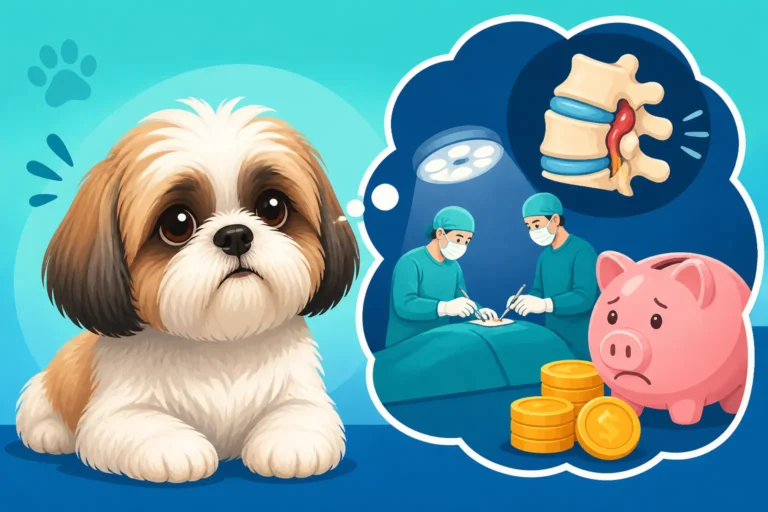
The cost of dental care for a Shih Tzu can be a real eye-opener for owners, often coming as a shock when the vet presents the estimate. A routine professional dental cleaning, which typically includes scaling, polishing, and a thorough oral exam under anesthesia, can cost anywhere from $500 to $1,000, depending on your location and veterinary clinic. This is for a dog with relatively healthy teeth. However, for a Shih Tzu, "routine" often involves more.
If your Shih Tzu already has advanced periodontal disease, needs multiple extractions, or requires pre-anesthetic bloodwork due to age or health concerns, that cost can easily climb much higher, sometimes reaching $1,500 to $3,000 or even more. Each extraction can add an additional $50 to $200+ to the bill, and if specialized dental imaging like X-rays (which are crucial for assessing the roots and bone health) are required, those are extra. Then there's the cost of any antibiotics or pain medication post-procedure. When you consider that many Shih Tzus need annual or biennial dentals, these costs can quickly add up, becoming a significant financial burden over their lifetime. It’s a stark reminder of why understanding What a Shih Tzu Dental Runs at the Vet is so vital.
How Pet Insurance Handles Dental Coverage
Pet insurance can be a lifesaver for unexpected medical costs, but it's essential to understand that not all policies treat dental care equally. The key often lies in differentiating between routine preventative care and treatments for dental diseases or accidents.
Standard Accident and Illness Policies
Most standard pet insurance plans, like those offered by providers you might find through Chewy's pet insurance marketplace or directly from Healthy Paws, are primarily designed to cover unexpected accidents and illnesses. This means they will generally cover dental procedures that are a direct result of an injury or a specific medical condition. For example, if your Shih Tzu breaks a tooth chewing on something hard, or develops an oral tumor, these types of unexpected events would likely be covered. The policy would typically help with the costs of examinations, diagnostics (like X-rays), extractions, and even sometimes root canals or other specialized treatments necessary due to the accident or illness.
However, here's the crucial part: these policies almost universally do not cover routine dental cleanings, scaling, or polishing that are performed to prevent dental disease. Why? Because these are considered preventative maintenance, akin to oil changes for your car – necessary but predictable. This can be frustrating for Shih Tzu owners, given how critical regular cleanings are for their breed. It’s important to scrutinize the policy's fine print to see exactly what "dental disease" means to the insurer. Some may cover treatments for periodontal disease once it's diagnosed, but they often have strict rules about pre-existing conditions (more on that later!) or require a history of regular cleanings to demonstrate preventative efforts.
Wellness Plans and Add-ons
For those routine dental cleanings, you'll usually need to look beyond the standard accident and illness policy and consider a separate wellness plan or a dental rider/add-on. Many pet insurance providers offer these optional plans for an additional monthly fee. These wellness plans are specifically designed to help offset the costs of routine preventative care, which often includes:
- Annual dental cleanings: Many plans will reimburse a fixed amount or a percentage of the cost of one cleaning per year.
- Preventative dental products: Some might even contribute towards dental chews, toothbrushes, or special dental diets.
- Other routine care: Beyond dental, these plans often cover things like annual exams, vaccinations, and parasite prevention.
For a Shih Tzu, given their predisposition to dental issues, investing in a wellness plan that includes dental coverage can be a smart move. While it adds to your monthly premium, it helps budget for those essential annual cleanings that can prevent more severe (and expensive) problems down the line. It's a way to be proactive rather than reactive, making sure your Shih Tzu receives the regular care they need to avoid painful conditions like Periodontal Disease in a Five Year Old Shih Tzu. When researching pet insurance, always ask about wellness options and their specific dental benefits.
Navigating Policy Details and Exclusions
Getting pet insurance is a significant investment in your Shih Tzu's health, but it's only truly beneficial if you understand the intricacies of your policy. The devil, as they say, is in the details, especially when it comes to exclusions and waiting periods.
Pre-Existing Conditions and Waiting Periods
This is arguably the most critical aspect to understand, especially concerning dental coverage. Almost every pet insurance policy, including comprehensive ones from providers like Healthy Paws, has a clause about pre-existing conditions. A pre-existing condition is any illness or injury that your Shih Tzu had before your policy started or before the waiting period ended, regardless of whether it was formally diagnosed. For dental issues, this means if your vet noted tartar buildup, gingivitis, or any other dental problem before you enrolled or during the waiting period, any treatment for those specific issues would likely be excluded from coverage. This is why it's universally recommended to insure your Shih Tzu when they are a puppy, before any dental problems have a chance to develop.
Furthermore, pet insurance policies come with waiting periods. These are specific lengths of time (e.g., 14 days for illnesses, often longer for orthopedic conditions, and sometimes unique waiting periods for dental issues) that must pass after you purchase the policy before coverage for certain conditions kicks in. For dental disease, some insurers may have a waiting period of up to six months or even a year for non-accidental dental claims. If your Shih Tzu develops a noticeable dental problem during this waiting period, even if it wasn't there before you signed up, it might still be considered pre-existing and therefore excluded. Always clarify these waiting periods with your chosen insurer.
Annual Limits, Deductibles, and Reimbursement Rates
Beyond what's covered, understanding how much is covered is equally important. Pet insurance policies are structured with several financial components that affect your out-of-pocket costs:
- Annual Limits: Many policies have a maximum amount they will pay out in claims within a policy year. This could range from a few thousand dollars to unlimited. For extensive dental work, especially if multiple surgeries are needed, a lower annual limit could quickly be reached.
- Deductible: This is the amount you pay out-of-pocket before your insurance coverage kicks in. Deductibles can range from $100 to $1,000 or more per year, or even per incident, depending on the policy. Higher deductibles usually mean lower monthly premiums, and vice versa.
- Reimbursement Rate: After you meet your deductible, the insurance company will reimburse you a percentage of the covered veterinary costs. Common reimbursement rates are 70%, 80%, or 90%. So, if your reimbursement rate is 80% and you have a $1,000 covered dental bill (after your deductible), the insurer would pay $800, and you'd be responsible for the remaining $200.
Let's consider an example: Your Shih Tzu needs a dental procedure costing $1,200. You have a $250 annual deductible and an 80% reimbursement rate. You would first pay the $250 deductible. Of the remaining $950, your insurer would cover 80% ($760), leaving you to pay the remaining $190. Your total out-of-pocket for that procedure would be $250 (deductible) + $190 (your 20% share) = $440. These numbers fluctuate wildly between different providers and plans, so comparing policies, including those from Chewy's various partners, becomes crucial to finding the best fit for your budget and your Shih Tzu's potential needs.
Making the Best Choice for Your Shih Tzu's Oral Health
Choosing the right path for your Shih Tzu's dental health involves a combination of smart insurance decisions and diligent at-home care. It's about being prepared for the inevitable and proactive in prevention.
Comparing Insurance Providers
When you're looking for a pet insurance policy that truly covers your Shih Tzu's unique dental needs, it's vital to do your homework. Don't just look at the monthly premium; dive deep into the policy wording regarding dental coverage. Here's what to look for:
- Dental Illness Coverage: Does the base accident and illness policy cover treatments for periodontal disease, fractured teeth (non-accidental), gingivitis, or abscesses? Be wary of policies that only cover "accidental" dental injuries.
- Wellness Plan Inclusion: If routine cleanings are a priority (and for a Shih Tzu, they should be!), check if the provider offers a wellness add-on that specifically includes a reimbursement for annual dental cleanings.
- Waiting Periods for Dental: Are there extended waiting periods specifically for dental procedures, separate from general illness waiting periods?
- Pre-Existing Condition Clarity: Ask for clear examples of what they consider a pre-existing dental condition. A good provider will be transparent.
- Customer Reviews and Payout History: Look at what other pet owners say about their experience with dental claims. Providers like Healthy Paws are often praised for their comprehensive accident and illness coverage, but their base policy, like many, may not cover routine cleanings without a wellness option. Chewy, through its various partners, offers a range of options, so you'd need to compare the specific plans available.
It can be overwhelming, but creating a comparison chart can really help. Don't hesitate to call customer service for clarification on anything you don't understand.
| Feature | Standard A&I Policy (Example 1) | Standard A&I + Wellness (Example 2) |
|---|---|---|
| Monthly Premium | $35 | $55 |
| Deductible | $500 Annual | $250 Annual |
| Reimbursement Rate | 80% | 90% |
| Annual Limit | $10,000 | Unlimited |
| Accidental Dental Injury | Yes | Yes |
| Dental Illness (e.g., Perio) | Yes (after diagnosis, not pre-existing) | Yes (after diagnosis, not pre-existing) |
| Routine Dental Cleaning | No | Yes (up to $200/year reimbursement) |
| Waiting Period (Illness) | 14 days | 14 days |
| Waiting Period (Dental Illness) | 6 months | 6 months |
This table is hypothetical but illustrates how different policy structures impact dental coverage. Always get quotes tailored to your specific Shih Tzu and location.
Proactive Dental Care Beyond Insurance
While insurance can certainly help manage the financial aspect of dental care, it's never a substitute for proactive, consistent at-home dental hygiene. For a Shih Tzu, this is even more critical due to their breed-specific vulnerabilities.
- Daily Brushing: This is the gold standard. Brushing your Shih Tzu's teeth daily, or at least several times a week, is the single most effective way to remove plaque before it hardens into tartar. Start early when they are puppies to get them accustomed to it. There are excellent canine toothbrushes and toothpastes available. Even with their crowded mouths, Daily Toothbrushing in a Crowded Shih Tzu Jaw is absolutely essential.
- Dental Chews and Water Additives: While not as effective as brushing, certain veterinary-approved dental chews can help reduce plaque buildup. Look for products with the VOHC (Veterinary Oral Health Council) seal of acceptance. Dental water additives can also contribute to better oral hygiene by reducing bacteria in the water.
- Regular Vet Check-ups: Your veterinarian will assess your Shih Tzu's oral health during their annual wellness exams. They can spot early signs of dental disease and recommend professional cleanings before problems become severe. Don’t wait until you notice bad breath or visible tartar – by then, disease is likely already present.
- Dietary Considerations: A balanced, high-quality diet plays a role in overall health, which includes oral health. While dry kibble isn't a replacement for brushing, some specific dental kibbles are designed to mechanically help clean teeth as your dog chews. Brands like Ollie, known for fresh, human-grade dog food, focus on overall nutrition. While not directly a dental care product, good nutrition can contribute to a strong immune system, which in turn supports gum health. However, no food alone will prevent dental disease in a Shih Tzu.
- Avoiding Hard Chews: Be very careful with extremely hard chews (like antlers or real bones) as they can easily fracture a Shih Tzu's small, delicate teeth, leading to painful and expensive dental emergencies.
- Knowing the Signs: Be vigilant for signs of dental pain or disease, such as bad breath, bleeding gums, pawing at the mouth, difficulty eating, dropping food, excessive drooling, or a change in temperament. Early detection means faster, often less invasive, treatment. Remember to keep an eye on issues like Tartar on Shih Tzu Teeth Before Age Three and Gum Recession in a Shih Tzu.
Ultimately, a pet insurance policy that aligns with your Shih Tzu's dental needs, coupled with a rigorous at-home oral hygiene routine, is the best strategy for ensuring a long, healthy, and happy life free from preventable dental pain. Consider this part of their essential care, just like managing Shih Tzu Dental Disease at 13 Percent of the Breed requires. Understanding Anesthesia on a Flat-Faced Shih Tzu is also crucial, as dental procedures often require it. Finally, if issues are found, consider Shih Tzu Tooth Extractions and Eating After for recovery.
Disclaimer
This article is for general informational purposes only and does not constitute professional advice. Laws, prices and regulations vary by location and change over time. Consult a qualified professional for guidance on your specific situation.