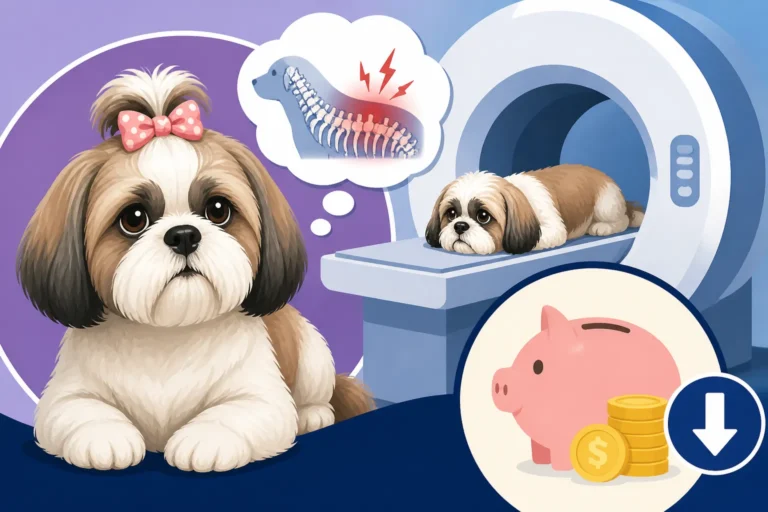
Shih Tzu Disc Surgery Costs
There's almost nothing more terrifying for a Shih Tzu owner than that sudden yelp, the reluctance to move, or worse, the frightening drag of hind legs that signals a potential spinal injury. These tiny bundles of joy, with their long backs and spirited personalities, are unfortunately quite prone to disc problems, and when it happens, panic often sets in, not just about their health, but about the unknown financial burden. This guide is here to walk you through the often-staggering costs associated with Shih Tzu disc surgery, helping you understand each component so you can be as prepared as possible.
Understanding Why Shih Tzus Face Disc Issues
It's a harsh reality that our beloved Shih Tzus, with their unique conformation, are genetically predisposed to certain health challenges, and issues with their spine are sadly common. This isn't a reflection on their breeding or care in most cases, but rather an inherent vulnerability of the breed. Knowing why these problems occur can help us better understand the potential treatments and costs involved.
Why the Shih Tzu Spine is Vulnerable
The Shih Tzu, like many other chondrodystrophic breeds (those with abnormally short legs and long bodies, such as Dachshunds or Corgis), is particularly susceptible to Intervertebral Disc Disease, or IVDD. This condition occurs when the cushions between the vertebrae in the spine, called intervertebral discs, either bulge or rupture into the spinal canal. Instead of acting as shock absorbers, they press on the spinal cord, causing pain, weakness, or even paralysis. The discs themselves undergo a degenerative process, making them more like hardened cartilage than soft, jelly-filled cushions, which means they can't withstand normal pressures. Think of it like a dried-out jelly donut – it's far more likely to crack and push out its contents than a fresh, pliable one. This vulnerability is simply part of being a Shih Tzu, making preventative measures and early detection critical. It's truly a silent enemy because you often don't see the degeneration until symptoms suddenly appear.
A key factor in this vulnerability is their long back in proportion to their short legs, which puts extra strain on the spinal column. Everyday activities that other dogs handle without a second thought – jumping off furniture, roughhousing, or even just twisting awkwardly – can place immense stress on these already compromised discs. This is why you'll often hear veteran Shih Tzu owners emphasize careful handling and avoiding excessive jumping. Understanding that this structural predisposition exists is the first step in appreciating why treatments like surgery are often necessary and why the costs can be substantial; we're dealing with a fundamental anatomical challenge.
Recognizing Early Signs of Back Pain
Spotting the subtle signs of back pain in a Shih Tzu can be incredibly challenging, especially since they're often stoic and experts at hiding discomfort until it becomes severe. However, being vigilant can make a world of difference in early intervention and potentially less invasive, less costly treatment. Initial symptoms might be as vague as a sudden reluctance to jump onto the sofa, which was once their favorite spot. You might notice them hesitating before climbing stairs or a general stiffness in their gait. They might also carry their head lower than usual, indicating neck pain. These small changes, often dismissed as "just getting older" or "being a bit tired," can be crucial indicators.
More overt signs often include yelping when picked up, crying out seemingly for no reason, or becoming withdrawn and unusually quiet. A Shih Tzu might shiver or tremble, indicating they are in significant pain. If the disc protrusion is pressing on nerves, you might observe an unsteady gait, what we often call "drunken walking," where their hind legs seem weak or uncoordinated. In severe cases, they might drag their back legs completely or lose bladder and bowel control. I once had a client whose Shih Tzu, Leo, suddenly refused his evening walk, something he never did. The next morning, he couldn't stand on his hind legs. It was terrifying, and it quickly became apparent that this wasn't just a mood; it was a crisis. Recognizing these Early Shih Tzu Back Pain Signs and seeking immediate veterinary attention is paramount, as early diagnosis can significantly impact the prognosis and treatment options.
The Road to Diagnosis: From Vet to Specialist
Once you suspect your Shih Tzu has a disc issue, the journey to a definitive diagnosis can be a multi-step process, often involving your primary veterinarian and then potentially a specialist. Each step has its own set of costs, building towards the full picture.
Initial Vet Consultation and X-rays
The first stop is always your trusted family veterinarian. They will perform a thorough physical and neurological exam, gently palpating your Shih Tzu's spine to identify areas of pain or tenderness. They'll also check reflexes, proprioception (awareness of paw position), and muscle tone, all of which help pinpoint the location and severity of potential spinal cord compression. During this initial visit, your vet might prescribe anti-inflammatory medications and pain relievers, along with strict crate rest, to see if the symptoms improve. This conservative approach is often the first line of defense if the neurological deficits are mild.
To get a clearer picture, your vet will likely recommend X-rays. While X-rays can show the bony structures of the spine and reveal narrowing of disc spaces, they cannot directly visualize the soft tissue of the discs or the spinal cord itself. However, they are essential for ruling out other issues like fractures, tumors, or severe arthritis, which can present with similar symptoms. An X-ray series, often taken with the dog under mild sedation to ensure proper positioning and minimize stress, might cost anywhere from $200 to $500, depending on your location and clinic. This initial diagnostic step is vital for starting down the right path, even if it doesn't give a complete answer about the disc itself.
Advanced Imaging: MRI and CT Scans
If your Shih Tzu's symptoms are severe, don't improve with conservative management, or if surgery is being considered, your vet will refer you to a veterinary neurologist or surgeon for advanced imaging. This is where the real diagnostic precision comes in. The two primary advanced imaging techniques used for IVDD are Magnetic Resonance Imaging (MRI) and Computed Tomography (CT) scans. An MRI is considered the gold standard for diagnosing IVDD because it provides incredibly detailed images of soft tissues, allowing the specialist to clearly see the exact location, size, and nature of the disc herniation and how much it is compressing the spinal cord. This level of detail is critical for surgical planning.
CT scans also provide detailed images, particularly of bony structures, and can sometimes be used in conjunction with a myelogram (where dye is injected into the spinal canal) to highlight the spinal cord compression. While a CT is faster than an MRI, an MRI generally offers superior soft tissue contrast, which is crucial for IVDD. Both procedures require general anesthesia because the dog must remain perfectly still for the duration of the scan. The costs for advanced imaging are substantial, typically ranging from $2,500 to $5,000 or more, often including the specialist consultation, anesthesia, and the interpretation of the images. This is where pet insurance, like a comprehensive plan from Healthy Paws, can become invaluable, helping to mitigate the significant financial outlay for these crucial diagnostic tools. Without these detailed images, a surgeon wouldn't know precisely where to operate, making them a non-negotiable expense for surgical candidates. This is a big part of the overall Shih Tzu MRI Cost Before Back Surgery that owners need to prepare for.
The Cost of Non-Surgical Management
For some Shih Tzus, especially those with milder symptoms or if surgery isn't an option, conservative management can be an effective path. While less invasive, it's not without its costs, and requires immense dedication from the owner.
Medication and Strict Crate Rest
If your Shih Tzu presents with mild neurological deficits – perhaps just pain and slight weakness, but still able to walk – your vet will likely recommend a strict regimen of medication and crate rest. This is often referred to as conservative management. The goal is to reduce inflammation and pain, allowing the disc to resorb or stabilize over time. Medications typically include non-steroidal anti-inflammatory drugs (NSAIDs) such as Rimadyl or Metacam, pain relievers like Gabapentin or Tramadol, and sometimes muscle relaxers. These medications can cost anywhere from $50 to $200 per month, depending on the specific drugs, dosages, and the duration of treatment.
Crucially, medication alone is not enough; strict crate rest is perhaps the most vital component. This means absolutely no jumping, running, or playing for several weeks, often 4 to 6 weeks, sometimes longer. Your Shih Tzu should only be out of their crate for potty breaks, always on a leash, and lifted carefully. This intense period of rest allows the inflamed disc to heal and prevents further damage. Investing in a comfortable, appropriately sized crate (perhaps from a retailer like Chewy, which offers many options) is essential. While the crate itself is a one-time cost, the commitment required from you to enforce this rest is priceless and can be incredibly challenging, especially with a lively Shih Tzu. Failing to adhere to strict rest can negate the benefits of medication and make surgery a more likely outcome down the line. Crate Rest for a Shih Tzu With a Slipped Disc is a challenging but often critical part of their recovery.
Physical Therapy and Supportive Care
Even with conservative management, and certainly after surgery, physical therapy and supportive care play a crucial role in your Shih Tzu's recovery and long-term well-being. Once the initial pain and inflammation have subsided, a certified canine rehabilitation therapist can develop a tailored program to help restore strength, balance, and coordination. These therapies might include gentle range-of-motion exercises, massage, hydrotherapy (swimming or underwater treadmill), therapeutic exercises, and even modalities like laser therapy or acupuncture.
These rehabilitation sessions are not cheap. A single session can range from $50 to $150, and a typical course of treatment might involve multiple sessions per week for several weeks or months. Over time, these costs can add up significantly, easily reaching hundreds to thousands of dollars. Beyond formal therapy, supportive care at home involves ensuring your Shih Tzu has comfortable, orthopedic bedding, using ramps to prevent jumping (which you can find good options for on Chewy), and managing their weight to reduce spinal stress. High-quality nutrition, perhaps even specialized diets like those from Ollie which can be tailored for weight management, can also be beneficial in keeping your Shih Tzu lean and healthy, thus reducing stress on their back. The investment in physical therapy helps prevent future issues and ensures the best possible outcome for your precious companion.
Breaking Down Shih Tzu Disc Surgery Costs
When conservative management isn't enough, or if the neurological deficits are severe, surgery becomes the best, and often only, option to alleviate spinal cord compression and restore function. The costs associated with disc surgery are substantial, but understanding the breakdown can help manage expectations.
Pre-Surgical Workup and Anesthesia
Before your Shih Tzu can undergo spinal surgery, a comprehensive pre-surgical workup is absolutely essential. This isn't just a formality; it's a critical step to ensure your dog is healthy enough for anesthesia and to minimize risks during the procedure. This typically includes a full panel of blood tests (CBC, chemistry panel), urinalysis, and potentially chest X-rays or an electrocardiogram (ECG) to assess heart and lung function. These tests help the veterinary team identify any underlying conditions that could complicate surgery or anesthesia, such as kidney disease, liver issues, or heart murmurs. The cost for this pre-surgical workup usually ranges from $300 to $800.
Administering anesthesia to a flat-faced breed like a Shih Tzu carries its own set of considerations and risks. Their brachycephalic anatomy means they can have elongated soft palates or stenotic nares, which can complicate breathing, especially during recovery. Therefore, a highly skilled veterinary anesthesiologist or experienced vet technician is often involved, and more advanced monitoring equipment is used, which contributes to the cost. The anesthesia itself, including the drugs, IV fluids, and monitoring, can add another $500 to $1,500 to the bill. This thorough preparation is an investment in your Shih Tzu's safety, crucial for navigating the inherent challenges of Anesthesia on a Flat-Faced Shih Tzu.
The Surgical Procedure Itself
The actual spinal surgery for IVDD in Shih Tzus is a delicate and complex procedure, almost always performed by a board-certified veterinary neurologist or orthopedic surgeon at a specialty hospital. The most common type of surgery is a hemilaminectomy, where the surgeon carefully removes a small portion of bone from the vertebra to access and remove the herniated disc material that is compressing the spinal cord. This intricate procedure requires specialized equipment, extensive surgical training, and a sterile environment.
The cost of the surgery itself is the largest component of the bill, typically ranging from $3,000 to $8,000, depending on the severity of the herniation, the number of discs involved, the location of the injury, and the geographical region of the clinic. This fee often includes the surgeon's fee, use of the operating room, and specialized surgical instruments. For instance, surgery for a cervical (neck) disc herniation might differ slightly in cost and complexity from a thoracolumbar (mid to lower back) disc herniation. The goal of this surgery is to relieve pressure on the spinal cord, giving it the best possible chance to heal and for your Shih Tzu to regain function. It's a high-stakes procedure, and the cost reflects the expertise and resources required.
Post-Operative Hospitalization
Following spinal surgery, your Shih Tzu will require intensive post-operative care and hospitalization, usually for several days. This period is critical for pain management, monitoring for complications, and initiating early rehabilitation. During this time, they will receive intravenous fluids, continuous pain medication (often via a constant rate infusion), and medications to reduce swelling and prevent infection. The veterinary team will closely monitor their neurological status, bladder and bowel function, and overall comfort.
Hospitalization costs can range from $200 to $600 per day, depending on the level of care required and the facility. A typical stay might be 3 to 5 days, bringing the total hospitalization cost to $600 to $3,000. During this time, the nursing staff will also begin gentle physical therapy exercises, help with bladder expression if needed, and ensure your Shih Tzu remains clean and comfortable. This round-the-clock care by a dedicated team of veterinary professionals is essential for a smooth recovery and significantly impacts the overall cost of the surgical intervention. The comprehensive nature of this post-operative care is a testament to the serious nature of spinal surgery.
Long-Term Recovery and Rehabilitation Expenses
Surgery is a critical step, but it's often just the beginning of the journey. The long-term recovery and rehabilitation phase is equally important for your Shih Tzu's full functional return and can involve ongoing costs.
Ongoing Medication and Pain Management
Even after returning home from the hospital, your Shih Tzu will likely need a regimen of medications for several weeks, or even months, to manage residual pain, inflammation, and muscle spasms. This might include tapering doses of NSAIDs, nerve pain medications like Gabapentin, or muscle relaxers. It's essential to follow your vet's instructions precisely and never stop medications abruptly. The cost for these ongoing prescriptions can add $50 to $200 per month. Beyond this, some Shih Tzus may benefit from long-term joint support supplements, such as glucosamine and chondroitin, or fish oil, which can support spinal health and reduce inflammation over time. These supplements, readily available at pet stores or online through platforms like Chewy, might add another $20 to $50 per month.
Managing pain isn't just about medication; it's about creating a comfortable, low-stress environment at home. This often means continuing strict activity restrictions for some time, implementing ramps for furniture access to prevent future injury (since Why Stairs Are Hard on a Shih Tzu Spine), and ensuring their bedding is supportive. Some owners opt for ongoing alternative therapies like acupuncture or therapeutic laser, which can help manage chronic pain and accelerate healing. These might be weekly or bi-weekly, costing an additional $50-$100 per session. This phase is about vigilance and dedication to ensure your Shih Tzu's comfort and prevent setbacks.
Rehabilitation Therapies and Equipment
The road to full recovery often involves dedicated physical rehabilitation, which can significantly improve your Shih Tzu's chances of regaining full mobility. A certified canine rehabilitation therapist will design a personalized program that might include a variety of therapies to rebuild strength, coordination, and proprioception. Common therapies include hydrotherapy (underwater treadmill or swimming), therapeutic exercises, massage, passive range of motion exercises, balance exercises, and modalities like therapeutic ultrasound or electrical stimulation. These sessions typically occur several times a week initially, gradually decreasing in frequency.
A full course of rehabilitation can be a significant expense, with individual sessions ranging from $50 to $150. A comprehensive rehabilitation program could easily cost $1,000 to $3,000 or more over several months. Additionally, you might need to invest in specialized equipment for home use, such as slings or harnesses to help support your Shih Tzu while walking, or even custom carts for dogs with severe paralysis, though these are less common for Shih Tzus who typically Whether a Shih Tzu Walks Again After Disc Surgery post-surgery. Ramps for sofas and beds become essential to protect their healing spine, and pet-safe steps can be found through retailers like Chewy. While these costs can feel overwhelming, investing in proper rehabilitation often makes the difference between a dog with a good quality of life and one struggling with ongoing issues.
Managing Costs: Insurance and Financial Planning
The financial implications of Shih Tzu disc surgery are undeniably significant. Planning ahead and knowing your options can make a stressful situation more manageable.
Pet Insurance Coverage for Disc Disease
One of the most effective ways to mitigate the high costs of disc surgery and ongoing care is to have pet insurance. A good comprehensive pet insurance policy, especially one from a provider like Healthy Paws, can cover a significant portion of eligible veterinary expenses, including diagnostics, surgery, hospitalization, medications, and rehabilitation. However, there's a crucial catch: pet insurance generally does not cover pre-existing conditions. This means it's vital to enroll your Shih Tzu in a policy before any signs of disc disease appear. If your Shih Tzu has already shown symptoms or been diagnosed with IVDD, any related conditions will likely be excluded from coverage.
When choosing a policy, pay close attention to the deductible, reimbursement percentage (often 70-90%), and the annual payout limits. For a serious condition like IVDD, which can easily incur bills of $5,000 to $10,000 or more, a policy with a high reimbursement rate and a generous annual limit is essential. For example, if you have a policy with a $250 deductible and 90% reimbursement, on a $7,000 surgery bill, you'd pay the first $250, and then 10% of the remaining $6,750 ($675), totaling $925 out of pocket, with the insurance covering $6,075. This is a substantial saving that can truly make the difference between being able to afford life-saving surgery and having to make agonizing choices. Researching options like Shih Tzu Pet Insurance for a Flat-Faced Toy can provide valuable insight.
Financial Aid and Payment Options
Even with pet insurance, or if you don't have it, facing a large veterinary bill can be daunting. Thankfully, several financial aid and payment options exist to help Shih Tzu owners navigate these challenging times. Many veterinary specialty hospitals work with third-party financing companies, such as CareCredit or Scratchpay, which offer credit cards specifically for healthcare expenses. These often provide deferred interest periods if the balance is paid within a certain timeframe, effectively acting as a short-term, interest-free loan.
Additionally, some animal welfare organizations and breed-specific rescues offer financial assistance programs for owners facing emergency veterinary costs. While these often have eligibility requirements and may not cover the full cost, every bit of help can make a difference. It's always worth asking your veterinary clinic if they offer payment plans or if they know of any local or national charities that can provide support. Creating an emergency fund specifically for your pet's unexpected health crises is also a smart long-term strategy. Even if you don't have an existing fund, exploring all these avenues can provide the necessary resources to get your beloved Shih Tzu the care they need during a disc emergency.
| Cost Category | Typical Range (USD) | Notes |
|---|---|---|
| Initial Vet Exam & X-rays | $200 – $500 | To diagnose and rule out other issues, often includes sedation. |
| MRI/CT Scan | $2,500 – $5,000 | Gold standard for diagnosis, includes specialist consultation & anesthesia. |
| Total Diagnostics | $2,700 – $5,500 | |
| Conservative Treatment (1 month) | $150 – $400 | Medications (NSAIDs, pain relievers, muscle relaxers), strict crate rest. |
| Surgery Components | ||
| Pre-Surgical Workup | $300 – $800 | Bloodwork, urinalysis, chest X-rays, ECG. |
| Anesthesia | $500 – $1,500 | Specialized monitoring for brachycephalic breeds. |
| Surgeon's Fee & OR Use | $3,000 – $8,000 | Most significant portion of the cost. |
| Post-Op Hospitalization | $600 – $3,000 | 3-5 days of intensive care, pain management, fluids. |
| Total Surgery | $4,400 – $13,300 | Can vary widely based on complexity and location. |
| Rehabilitation (1 month) | $400 – $1,000+ | Physical therapy, hydrotherapy, laser, acupuncture sessions. |
| Ongoing Meds & Supplements | $70 – $250/month | Pain management, joint support, e.g., for Joint Support for a Shih Tzu Back and Knees. |
| Ramps/Mobility Aids | $50 – $200 | One-time cost for prevention and support. |
| Total Long-Term | $520 – $1,450+ | Varies greatly depending on duration and type of therapy. |
Disclaimer
The information provided in this article is for general informational purposes only and does not constitute veterinary advice. Always consult with a qualified veterinarian or veterinary specialist for any health concerns or before making any decisions about your Shih Tzu's medical care or financial planning. Costs are estimates and can vary significantly based on location, specific veterinary practice, and individual patient needs.