Week One Shih Tzu Bills at Home
Bringing a new Shih Tzu puppy or adopted adult dog into your home is an incredibly exciting time, filled with dreams of cuddles and playful antics. However, the sheer joy can quickly be overshadowed by the immediate financial realities that many new owners aren't fully prepared for. This guide is designed to meticulously break down the essential and often surprising bills you'll encounter during your Shih Tzu's crucial first week at home, ensuring you can budget confidently and provide the best start for your precious companion.
Setting Up Your Shih Tzu's Welcome Home Environment
Before your Shih Tzu even steps paw over the threshold, you've likely already invested in some essentials, but the first week at home often reveals what you really need. This initial setup phase is crucial for their safety, comfort, and successful transition. Thinking of this as establishing their safe haven and learning zones will help you prioritize.
Creating a Safe Space: Crates and Playpens
One of the biggest initial investments, and one of the most important for house training and safety, is a crate. Many people mistakenly believe a crate is a punishment, but for a Shih Tzu, it can be their den, a secure retreat where they feel safe. You'll want a wire crate that's appropriate for their adult size, typically around 24 inches for a standard Shih Tzu, but with a divider to adjust the space for a puppy. This ensures they have just enough room to stand up, turn around, and lie down comfortably, but not so much space that they can use one end as a potty area, which defeats the purpose of Crate Training a Shih Tzu Properly. A good quality crate can run anywhere from $40 to $100, depending on size and features.
Beyond the crate, a playpen (sometimes called an exercise pen or X-pen) is an absolute lifesaver for those times you can't have eyes directly on your puppy. This creates a larger, contained area for them to play and explore safely without getting into mischief or having accidents all over the house. These typically cost between $50 and $150, varying by height and material. Think of it as their mini-backyard indoors, especially vital for a breed like the Shih Tzu, which is prone to Shih Tzu Back Problems and Disc Disease if allowed to jump off furniture unsupervised.
Essential Comforts: Beds and Bowls
Every Shih Tzu deserves a cozy bed. For the first week, a simple, washable dog bed or soft blanket in their crate and another in their playpen is ideal. Puppies often chew, so a durable, easily cleaned option is best. Expect to spend $20-$50 per bed. For bowls, stainless steel is often recommended by vets because it's hygienic and durable, resisting bacteria build-up better than plastic. You'll need two: one for food and one for water. Consider "slow feeder" bowls if your Shih Tzu tends to gulp its food, which can sometimes lead to tummy troubles. These generally range from $15 to $40 for a set. Don't forget that a flat-faced breed like a Shih Tzu might do better with specific bowl shapes that prevent their long facial hair from getting wet or dirty, saving you from constant face wiping.
Essential Supplies for Daily Life and Comfort
Once the immediate safe zones are established, the focus shifts to the consumables and daily tools that will make your Shih Tzu's first week, and subsequent weeks, comfortable and healthy. These are the items you'll be restocking or using regularly.
Nutrition: Food and Treats
Food is obviously a top priority. If you're bringing home a puppy from a reputable breeder, they'll likely send you home with a small bag of the food the puppy has been eating. It's wise to stick with this brand for at least the first week to avoid upsetting their stomach during an already stressful transition. If you decide to switch later, do it gradually over several days. For a quality small-breed puppy formula, you're looking at $20-$40 for a small bag. Adult Shih Tzus will have different caloric needs, and a bag can range from $30-$60 depending on brand and size. Many owners, once settled, explore options like fresh food subscriptions such as Ollie, which can offer tailored nutrition but come at a higher monthly cost.
Training treats are also essential, especially if you're starting with Shih Tzu Puppy Training Month by Month right away. Small, soft, high-value treats are best. You can expect to spend $5-$15 on a good bag of training treats. Remember, a Shih Tzu doesn't need much, so break treats into pea-sized pieces to prevent overfeeding, especially since Shih Tzu Obesity on a Sixteen Pound Frame can lead to joint and back issues.
Grooming Essentials
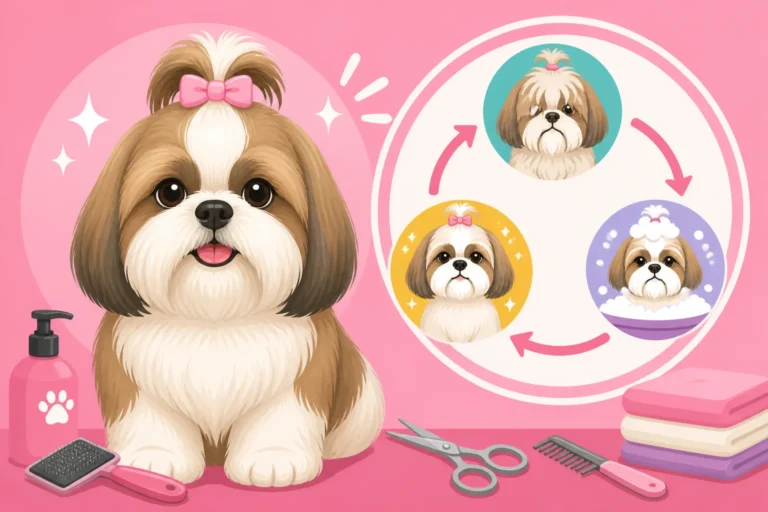
The Shih Tzu's luxurious double coat is one of its most defining features, but it demands daily attention from day one. This breed needs more than just a quick brush; it requires a dedicated grooming routine to prevent painful mats. Your first week's bill will include:
- Slicker brush: Essential for getting through both layers of their coat. (~$10-$25)
- Metal comb: To check for tangles the brush might miss, especially behind the ears and under the legs. (~$5-$15)
- Detangling spray: Helps tremendously in working through small knots without causing pain. (~$8-$15)
- Puppy shampoo and conditioner: Gentle formulas are key for young, sensitive skin. (~$15-$30 for a set)
- Nail clippers: Even if you plan on a groomer handling this, having them for emergencies or quick trims is wise. (~$10-$20)
- Ear cleaning solution and cotton balls: Important for preventing Shih Tzu Ear Infections That Keep Returning. (~$10-$20)
- Tear stain wipes or solution: To keep their beautiful faces clean and prevent staining. (~$10-$20)
Many owners find it easier to order these supplies online from retailers like Chewy, which offers a wide selection and often competitive pricing, making it easy to stock up on everything you need for Brushing a Shih Tzu Double Coat Every Day.
Here's a quick overview of some essential first-week costs:
| Item Category | Specific Items | Estimated Cost Range (USD) | Notes |
|---|---|---|---|
| Housing & Containment | Crate (with divider), Playpen | $90 – $250 | Essential for safety and house training. |
| Feeding | Food bowls (stainless steel), Water bowl | $15 – $40 | Consider slow-feeder or specialized bowls for flat-faced breeds. |
| Comfort | Dog bed(s), Soft blanket | $20 – $50 | Washable options are best for puppies. |
| Nutrition | Puppy/Adult food (small bag), Training treats | $25 – $55 | Stick to current food initially; small, soft treats for training. |
| Grooming | Slicker brush, Metal comb, Detangler spray | $23 – $55 | Daily brushing is non-negotiable for Shih Tzus. |
| Hygiene | Puppy shampoo & conditioner, Nail clippers | $25 – $50 | Ear cleaner & tear stain wipes also crucial. |
| Safety | Collar/Harness, Leash, ID Tag | $20 – $50 | Harness is often better for Shih Tzus to protect their delicate necks. |
| Play | Chew toys, Puzzle toys | $15 – $30 | Durable, breed-appropriate toys prevent boredom and destructive chewing. |
Walking Gear: Harness, Leash, and ID Tag
A well-fitting harness is absolutely critical for a Shih Tzu. Due to their brachycephalic (flat-faced) nature and delicate neck, collars can put dangerous pressure on their throat and trachea, leading to breathing difficulties or even tracheal collapse. A soft, H-style or vest harness that distributes pressure across their chest and shoulders is ideal. Expect to pay $15-$30 for a good harness. A lightweight leash (4-6 feet) will cost another $10-$20.
And please, an ID tag with your contact information is non-negotiable from day one. Even if your Shih Tzu is microchipped (which they likely are if from a rescue or responsible breeder), an immediate visual ID tag is your first line of defense if they ever get lost. These are usually $5-$15.
Navigating Initial Health and Wellness Expenses
Beyond the everyday necessities, the first week often involves critical health-related costs that are paramount to your Shih Tzu's long-term well-being. These aren't just optional expenses; they are foundational investments in their health.
The All-Important First Vet Visit
Even if your puppy or adopted adult Shih Tzu comes with health records and recent vaccinations, a "new patient" vet visit within the first few days is non-negotiable. This allows your veterinarian to establish a baseline of health, check for any underlying issues that might have been missed, and discuss a preventative care plan tailored to your dog.
During this visit, your vet will perform a thorough physical exam, checking their eyes (a common area of concern for Shih Tzu Eye Proptosis, the Emergency Owners Miss), ears, teeth, heart, and lungs. They'll also review vaccination records and plan any booster shots needed. For puppies, they'll likely recommend deworming, even if they've been treated before, as parasites can be tricky. They may also discuss Shih Tzu Vaccination and Toy Breed Reactions and appropriate parasite prevention. This initial visit can range from $50 to $150, not including any vaccinations or deworming treatments, which can add another $30-$70 per service.
Vaccinations and Parasite Prevention
For puppies, the first week might involve the initial set of core vaccinations or a booster shot. These typically include distemper, parvovirus, adenovirus, and parainfluenza. Rabies vaccination is usually given a bit later, but ensuring your puppy is on schedule is vital. Each vaccine shot can cost $20-$40.
Equally important is starting them on heartworm and flea/tick prevention. These monthly medications are crucial for protecting your Shih Tzu from common and potentially deadly parasites. Since Shih Tzus are small, the cost for these preventatives is often lower than for larger breeds, but still adds up. Expect to pay $15-$30 per month for each type of preventative, which you might purchase in a 3 or 6-month supply. Your vet will prescribe the correct dosage based on your dog's weight.
The Unexpected: Emergency Fund or Insurance Consideration
No one wants to think about emergencies, especially in the first week, but being realistic means acknowledging that accidents and sudden illnesses can happen. Your Shih Tzu might chew something they shouldn't, have a sudden allergic reaction, or develop an unexpected illness. Emergency vet visits can quickly run into hundreds or even thousands of dollars.
While you might not have full pet insurance coverage in place on day one, it's something to seriously consider looking into during your first week. Companies like Healthy Paws offer comprehensive coverage that can be a lifesaver for unexpected medical bills. Researching policies early, before any pre-existing conditions arise, is a smart move. In the interim, having an emergency fund of at least $500-$1000 specifically for your pet is a responsible financial decision. This fund can cover minor issues, or contribute towards a larger emergency.
Planning for Ongoing Costs Beyond the First Seven Days
While this guide focuses on the immediate "week one" bills, it's crucial to understand that these initial outlays are just the beginning. A Shih Tzu is a long-term commitment, both emotionally and financially. Thinking ahead will save you stress down the line.
Regular Grooming Appointments
After you've stocked up on your home grooming tools, you'll need to decide on a long-term grooming strategy. While daily brushing is a must, professional grooming every 4-8 weeks is highly recommended, especially if you opt for a longer coat. A typical Shih Tzu Grooming at $50 to $90 a Session will add up over a year, significantly impacting your budget. Even if you plan on doing some home grooming, things like professional bathing, clipping, and sanitary trims can ensure their coat stays healthy and manageable.
Food and Treat Replenishment
Your initial bags of food and treats won't last forever. Depending on the brand and size of your Shih Tzu, you can expect to buy a new bag of food every 3-6 weeks. Treats will vary based on how much you use them for training and rewards. This is a consistent monthly expense you need to factor in. If you explore premium options like fresh or raw food diets, these costs will be higher.
Annual Vet Visits and Boosters
Beyond the initial puppy series, your Shih Tzu will require annual check-ups and booster vaccinations. These preventative visits are essential for catching health issues early and maintaining their overall well-being. A standard annual vet visit without major issues can cost $100-$300, varying by region and clinic. This includes the exam, any routine bloodwork, and annual vaccinations. Don't forget, as they age, additional screenings may be recommended, increasing the cost of Senior Shih Tzu Care Past the Age of Ten.
Miscellaneous and Lifestyle Costs
Don't forget the little things that add up! Toys will wear out or lose appeal, requiring replacements. Training classes or working with a professional trainer might be beneficial, especially for stubborn areas like Why House Training a Shih Tzu Runs Into Months. Pet-sitting or boarding services if you travel, new chew toys, occasional dental chews, and even specialized seasonal gear like cooling vests for hot summers (given their predisposition to Why a Shih Tzu Overheats So Easily) all contribute to the long-term financial picture of owning a Shih Tzu. Thinking about the full Thirteen Years of Shih Tzu Costs Added Up can be daunting, but breaking it down into manageable chunks makes it achievable.
The initial week with a new Shih Tzu brings its own unique set of financial demands, from setting up their cozy corner to ensuring their immediate health needs are met. By understanding these upfront costs, you can prepare effectively, minimize stress, and focus on building that incredible bond with your new furry best friend.
Disclaimer
Please remember that this guide provides general information and estimated costs. Actual expenses may vary significantly based on your geographic location, your chosen veterinarian, specific product brands, and any unexpected health issues your individual Shih Tzu may encounter. Always consult with a qualified veterinarian for personalized advice regarding your pet's health and care needs.