The First Year Budget for a Shih Tzu
Bringing home a Shih Tzu puppy is an incredibly exciting time, full of fluffy cuddles and adorable antics. But let's be real, many new owners underestimate the actual financial commitment, especially in that whirlwind first year. It’s easy to focus on the cute factor and forget the practical side, only to be surprised by bills that pile up faster than puppy toys. This guide is here to give you a realistic breakdown of what to expect when budgeting for your Shih Tzu's crucial first year, helping you prepare for a happy, healthy life together without any nasty financial shocks.
Initial Puppy Acquisition and Setup Costs
The journey to Shih Tzu parenthood begins with a few significant upfront expenses, from the cost of your furry friend themselves to all the gear they’ll need to settle into their new home. It’s more than just a purchase; it's an investment in a new family member.
Understanding Puppy Price Ranges
The price tag on a Shih Tzu puppy can vary wildly, and it’s important to understand why. If you’re looking at puppies from a responsible, reputable breeder, you can expect to pay anywhere from $1,500 to $3,000, sometimes even more for top show lines or specific colors. This might sound like a lot, but this cost reflects the breeder's dedication to health testing the parents, providing excellent prenatal and postnatal care for the mother and puppies, proper socialization, and initial veterinary checks. They invest heavily in ensuring their puppies are healthy, well-adjusted, and free from common genetic conditions.
On the other hand, you might see Shih Tzu puppies advertised for significantly less, perhaps $500 to $1,000. While tempting, these lower prices often come from puppy mills or backyard breeders who cut corners on health, nutrition, and ethical breeding practices. These puppies are often more prone to health issues, behavioral problems, and may not have received adequate care in their crucial early weeks. It’s crucial to research the breeder thoroughly and understand The Gap Between a $1,000 and $3,000 Shih Tzu before making a decision. You’re not just buying a dog; you’re buying a future.
Essential First-Time Puppy Supplies
Once your puppy is secured, the next step is to prepare their home. Think of it like setting up a nursery for a human baby – there’s a lot to consider!
You'll need a comfortable crate, which serves as a safe den for your puppy and is invaluable for house training. Look for one that's appropriately sized for an adult Shih Tzu but comes with a divider so you can adjust the space as they grow. Along with the crate, a soft, washable dog bed will make it cozy. Don't forget food and water bowls; stainless steel or ceramic are generally best for hygiene.
For walks, a proper harness is a must, as collars can put pressure on their delicate tracheas. You'll also need a leash, plenty of appropriate toys for chewing and play, and basic grooming tools like a soft slicker brush, a metal comb, puppy-safe shampoo, and nail clippers. A good quality brush is essential from day one to start getting them used to the daily routine of keeping their beautiful double coat from matting. Investing in decent quality items now can save you money in replacements later. When picking out your crate, remember to consider Crate and Pen Sizes for a Shih Tzu, and for walks, a well-fitting front-clip harness can make a huge difference in comfort and preventing pulls, helping you pick from Harnesses That Do Not Mat a Shih Tzu Coat.
Essential First-Year Veterinary Care
This is often where new Shih Tzu owners face unexpected costs. Puppies, just like human babies, require a series of vaccinations and health checks to ensure they grow up strong and healthy. Skipping these vital steps to save money now can lead to much larger bills and heartbreak down the road.
Puppy Vaccinations and Preventatives
Your Shih Tzu puppy will need a series of vaccinations, usually starting around 6-8 weeks of age and continuing every 3-4 weeks until they are about 16 weeks old. This "puppy shot series" typically includes distemper, parvovirus, adenovirus, and parainfluenza. They will also need a rabies vaccination, usually given around 12-16 weeks. Each vet visit for these shots will incur an examination fee in addition to the vaccine cost.
Beyond vaccinations, your vet will recommend deworming treatments, especially if you don't know the puppy's full history, and microchipping to help reunite you if your dog ever gets lost. Don't forget about monthly preventatives for heartworm, fleas, and ticks, which are crucial for all dogs, even those that spend most of their time indoors. These preventatives are often prescription-only and can add up over the year. Understanding The Puppy Shot Series Billed for a Shih Tzu is key, as is being aware of Shih Tzu Vaccination and Toy Breed Reactions to ensure your vet knows how to handle them. And, of course, a proper identification method is crucial, so consider Chipping a Shih Tzu and Registering It Properly early on.
Spaying and Neutering Costs and Timing
Unless you plan to responsibly breed your Shih Tzu (which is a significant undertaking that requires extensive knowledge and health testing), spaying or neutering is highly recommended. This procedure helps prevent unwanted litters, reduces the risk of certain cancers and behavioral issues, and can contribute to a longer, healthier life for your dog.
The cost of spaying (for females) or neutering (for males) can range from $200 to $500 or more, depending on your location and the veterinary clinic. Many vets include pre-anesthetic blood work and pain medication in their estimates, which are important for a toy breed like a Shih Tzu. Discuss the best timing with your vet, as waiting until after puberty can sometimes be beneficial for joint development in small breeds, but the general recommendation is often between 6-12 months of age. You'll want to have a conversation with your vet about Neuter Timing Around Shih Tzu Growth Plates to make the best decision for your individual puppy.
Budgeting for the Unexpected: Pet Insurance or Emergency Fund
Even with all the preventative care in the world, puppies are prone to unexpected scrapes, digestive upsets from eating something they shouldn't, or even discovering a congenital issue. A common concern for Shih Tzus, for example, is their eyes, which can be prone to injury or conditions like cherry eye. These can pop up even in the first year. It's smart to have a plan for these unexpected veterinary emergencies.
Many owners choose to set up an emergency savings fund specifically for their pet, aiming to save at least $1,000-$2,000. Another excellent option is pet insurance. Companies like Healthy Paws offer comprehensive coverage that can soften the blow of large, unexpected vet bills for accidents and illnesses. It's often best to enroll your puppy when they're young and healthy, before any conditions might be deemed "pre-existing." While no one wants to think about their precious puppy having issues, being prepared for potential problems like Renal Dysplasia in a Shih Tzu Puppy That Will Not Grow or even something as sudden as Shih Tzu Eye Proptosis, the Emergency Owners Miss is just part of being a responsible pet parent.
Ongoing Monthly Expenses
After the initial big expenditures, you'll settle into a routine of recurring monthly costs. These are the expenses that will continue throughout your Shih Tzu's life, and they add up over time.
Quality Food and Treats
Feeding your Shih Tzu a high-quality diet is paramount for their health and well-being. Look for dog foods that list a named meat source (like "chicken" or "salmon") as the first ingredient and avoid fillers and artificial additives. Given their small size, Shih Tzus don’t eat a vast quantity of food, but higher quality often means a higher price per pound.
You might spend anywhere from $30-$60 per month on food, depending on the brand and whether you choose kibble, wet food, or fresh food options. Services like Chewy offer convenient auto-ship options for popular kibble brands, while companies like Ollie deliver fresh, human-grade food directly to your door, portioned specifically for your dog. Treats, used for training and occasional rewards, also need to be factored in. Make sure they are small enough for your Shih Tzu's tiny mouth and don't contribute too many extra calories. You'll want to budget thoughtfully for Monthly Food Cost for a Twelve Pound Shih Tzu and select Treats Small Enough for a Shih Tzu Session to avoid overfeeding.
Grooming Needs
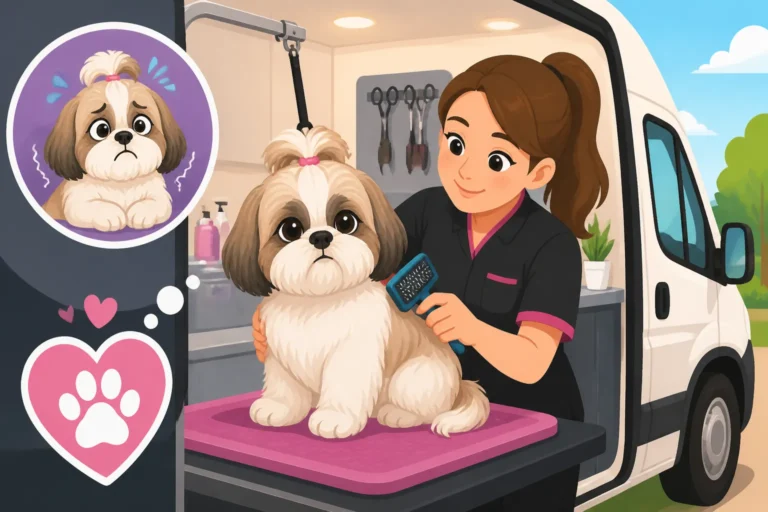
A Shih Tzu’s luxurious double coat is one of their most distinguishing features, but it also requires significant upkeep. Without regular grooming, their hair can quickly become matted, leading to skin issues, discomfort, and costly emergency shaves.
Most Shih Tzus need professional grooming every 4-8 weeks, even if you opt for a shorter "puppy cut" style. Each professional grooming session can cost between $50-$90, adding up to a substantial annual expense. If you choose to groom your Shih Tzu at home, you'll still need to invest in quality tools like professional clippers, scissors, a high-velocity dryer, and various brushes and combs. Even with a home grooming routine, you might still need occasional professional help for specific tasks or a full tidy-up. Many owners prefer the low-maintenance What a Shih Tzu Puppy Cut Costs but remember, even a short cut needs regular trims. For those brave enough to tackle grooming at home, be sure you have all the essential Home Grooming Tools a Shih Tzu Needs. This ongoing cost is a major part of Shih Tzu Grooming at $500 to $1,080 a Year.
Training and Socialization Essentials
Bringing a puppy into your home means committing to their training and socialization. While Shih Tzus are generally sweet-natured, they still benefit immensely from structured learning and exposure to the world around them.
Puppy kindergarten classes are a fantastic way to socialize your Shih Tzu with other dogs and people in a controlled environment, teaching them basic manners and commands. These classes typically run for 4-6 weeks and can cost $100-$250. Even if you plan to do most of the training yourself, you might need to purchase training treats, a clicker, or other aids. For house training, expect to invest in potty pads, enzyme cleaners for accidents, and possibly an indoor potty system. Remember that Why Shih Tzu House Training Runs Long for many owners, so patience and consistency are key. Enrolling your puppy early in classes, as discussed in Enrolling a Shih Tzu in Puppy Kindergarten, can set them up for success.
Creating Your First-Year Shih Tzu Budget
Now that we’ve walked through the various categories, let's put some numbers together to give you a clearer picture of your first-year financial commitment.
Estimating Your Costs
To give you a comprehensive overview, here's a general table breaking down potential first-year costs for a Shih Tzu. Keep in mind that prices can vary based on your geographic location, your chosen vet, and the brands you opt for.
| Expense Category | Low-End Estimate | Mid-Range Estimate | High-End Estimate | Notes |
|---|---|---|---|---|
| Initial Upfront Costs | ||||
| Puppy Purchase | $800 | $2,000 | $3,500 | Varies widely based on breeder reputation, health testing, location. (Adopted Shih Tzus often cost $200-$500, but may have unknown past health issues). |
| Initial Supplies (Crate, Bed, Bowls, Leash, Harness, Toys, Basic Grooming Tools) | $200 | $400 | $700 | Quality over quantity often saves money in the long run. |
| First-Year Veterinary Care | ||||
| Puppy Vaccine Series & Initial Exams | $300 | $500 | $800 | Includes multiple vet visits, core vaccines, rabies, deworming, microchip. |
| Spay/Neuter | $200 | $400 | $700 | Costs vary; includes pre-anesthetic bloodwork, procedure, pain medication. |
| Flea/Tick/Heartworm Prevention | $150 | $250 | $400 | Annual cost for monthly preventatives. |
| Emergency Fund / Pet Insurance | $0 (self-funded) | $400 (premiums) | $800+ (premiums) | Essential for unexpected health issues. Pet insurance premiums vary based on coverage, deductible, and provider (e.g., Healthy Paws). |
| Ongoing Monthly Expenses | ||||
| Food | $360 | $720 | $1,200 | (Calculated for 12 months). High-quality kibble vs. fresh food (like Ollie) can significantly change this. |
| Treats | $60 | $120 | $240 | (Calculated for 12 months). For training and rewards. |
| Professional Grooming | $300 | $720 | $1,080 | (Calculated for 12 months, based on 6-12 sessions/year at $50-$90/session). This is if you use a groomer regularly. |
| Training Classes/Supplies | $100 | $200 | $350 | Puppy kindergarten, house training aids, basic training tools. |
| Total First-Year Estimate | $2,870 | $6,410 | $9,770+ | This range demonstrates the wide variation in costs based on your choices and circumstances. |
As you can see, the first year can easily range from a few thousand dollars to nearly $10,000 or more, especially if you opt for a high-end breeder and comprehensive pet insurance.
Smart Strategies for Saving and Budgeting
While the numbers might seem daunting, there are smart ways to manage these costs without compromising your Shih Tzu's well-being.
- Prioritize Health: Never cut corners on quality food or veterinary care. These are investments in your dog's long-term health, which can save you money on expensive treatments down the road.
- Research Breeders Thoroughly: Paying more for a puppy from a reputable, health-testing breeder can significantly reduce the likelihood of inheriting costly genetic conditions like patellar luxation or eye issues.
- DIY Grooming (Partially): Learning to brush and comb your Shih Tzu daily and doing basic face and paw trims at home can extend the time between professional grooming appointments. Even if you still use a professional groomer every few months, regular home care will prevent matting, which can incur extra charges at the salon.
- Buy in Bulk & Look for Sales: For food and certain supplies, buying larger quantities can be more cost-effective. Keep an eye out for sales, especially online retailers like Chewy.
- Pet Insurance: This is a lifesaver for unexpected emergencies or illnesses. Research different providers like Healthy Paws and their coverage plans and deductibles to find one that fits your budget and offers peace of mind.
- Create a Pet Savings Account: Even if you have pet insurance, having a dedicated savings account for routine care, deductibles, or non-covered expenses is a smart move. Set up a small automatic transfer each month, and you'll be surprised how quickly it grows.
Bringing a Shih Tzu into your life is a joyful experience, and by understanding and preparing for the financial commitments, you can ensure that joy isn't overshadowed by unexpected expenses. A well-planned budget means you can focus on what truly matters: showering your furry companion with love and creating a lifetime of wonderful memories.
Disclaimer
The information provided in this article is for general informational purposes only and does not constitute professional veterinary or financial advice. Costs are estimates and can vary significantly based on location, individual veterinary practices, product choices, and the specific needs of your Shih Tzu. Always consult with a qualified veterinarian for any health concerns or before making decisions about your pet's care. For financial planning, consider speaking with a financial advisor.