Neuter Timing Around Shih Tzu Growth Plates
The decision of when to neuter your beloved Shih Tzu can feel like navigating a minefield of conflicting advice. On one hand, you hear that early neutering prevents unwanted pregnancies and certain behavioral issues; on the other, there's growing talk about how crucial hormones are for proper development, especially concerning your Shih Tzu’s delicate joints and unique bone structure. This guide aims to cut through the noise, providing a thorough understanding of how neuter timing, specifically around growth plates, can impact your furry friend’s long-term health.
Understanding Growth Plates and Their Role in Shih Tzu Development
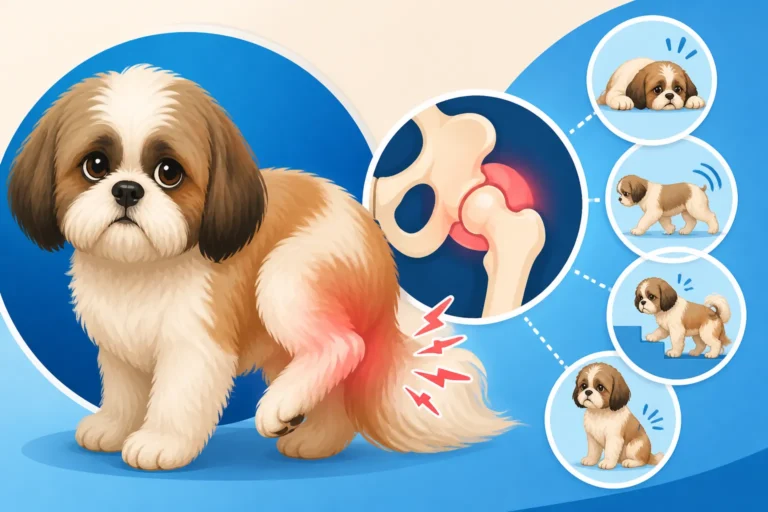
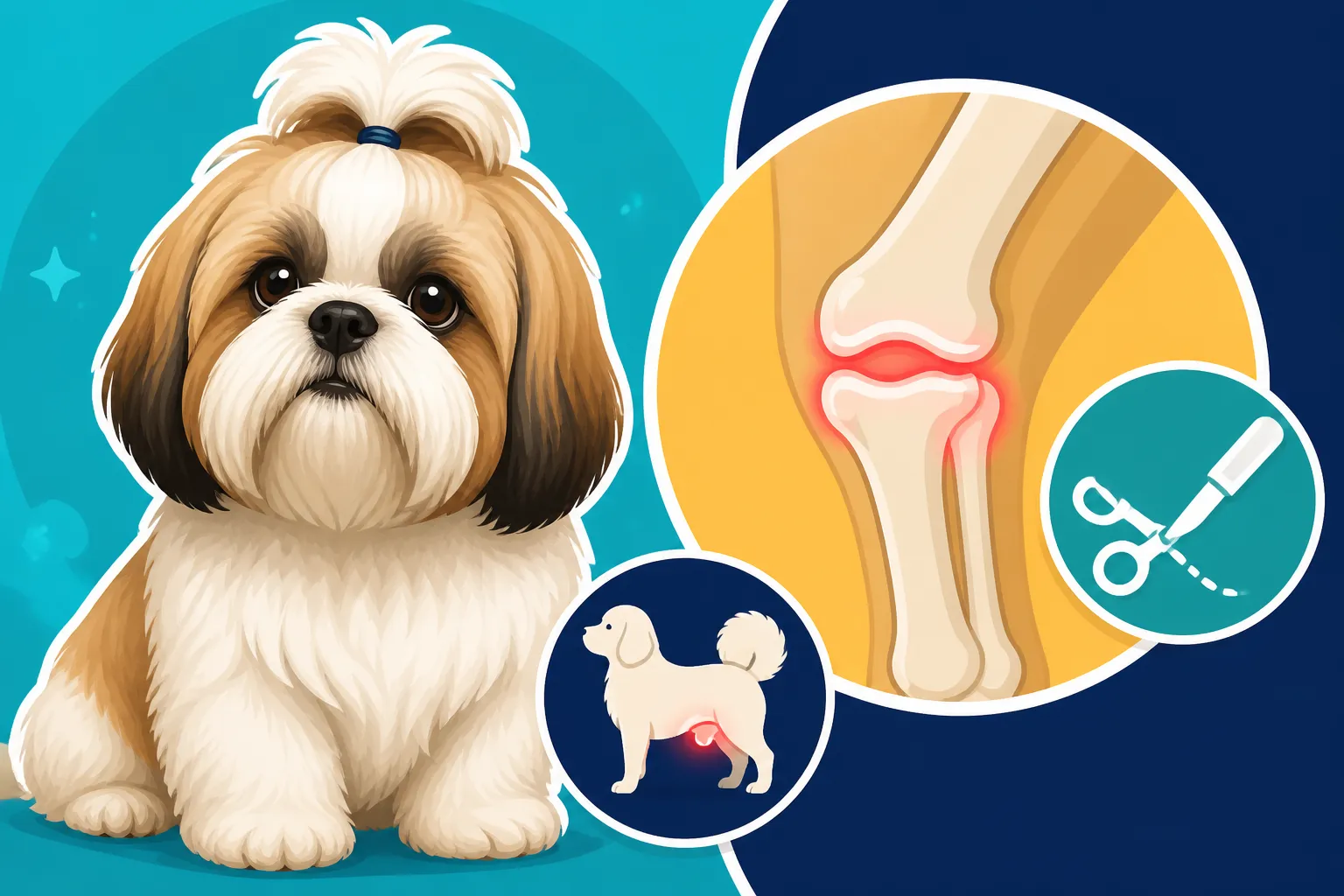
Before we dive into the timing of neutering, it's really important to understand what growth plates are and why they matter so much for your Shih Tzu's growing body. Imagine the long bones in your puppy's legs – like the femur or the tibia. At the ends of these bones, there are areas of cartilage called growth plates, or epiphyseal plates. These aren't solid bone yet; they're where new bone tissue is produced, allowing the bones to lengthen as your puppy grows from a tiny fluffball into a mature dog.
These growth plates continue to produce new cells and expand until your Shih Tzu reaches skeletal maturity, at which point they "close" or ossify, meaning they turn into solid bone. The timing of this closure is influenced by a lot of factors, but hormones play a significant role. Specifically, the sex hormones (testosterone in males, estrogen in females) are critical signals for these plates to stop growing and close.
The Hormonal Connection to Bone Development
Think of sex hormones as the conductors of an orchestra, telling various parts of your puppy's body when to grow and when to stop. For growth plates, these hormones are the signal to hit the brakes on lengthening. When a male Shih Tzu is neutered, his testes are removed, significantly reducing the production of testosterone. In a female, spaying removes the ovaries, which are the primary source of estrogen. Without these hormones reaching their natural levels and signalling closure, growth plates can remain open for longer than they typically would.
This prolonged growth isn't necessarily a good thing. Bones might grow slightly longer, or develop with altered density, which can subtly change joint angles and skeletal structure. For a breed like the Shih Tzu, already prone to certain orthopedic issues due to their small size and specific conformation, any deviation from optimal bone development can potentially increase risk. We're talking about a breed that already has specific considerations for Shih Tzu Joint Problems in a Toy Frame, so understanding this hormonal influence is key.
Why Growth Plate Closure is Important for Joint Health
The precise timing of growth plate closure ensures that bones achieve their correct length and strength in proportion to the joints they form. If growth plates close too early or too late, it can lead to disproportionate bone lengths. For instance, if the bones in the lower leg grow longer than intended, it could alter the angle at the knee or hip, placing unusual stress on those joints.
This is particularly relevant for common Shih Tzu orthopedic concerns such as Patellar Luxation in a Shih Tzu (slipping kneecaps) or, less commonly but still a concern, hip issues. While the research is still evolving, some studies suggest a link between early neutering, delayed growth plate closure, and an increased incidence of certain orthopedic problems in various breeds, though specific data for Shih Tzus is still being collected. The idea is that maintaining an intact dog through puberty allows these growth plates to close naturally under the influence of sex hormones, potentially leading to a more robust and correctly formed skeletal structure.
Traditional Neutering Advice vs. Modern Research for Toy Breeds
For decades, the advice from veterinarians and animal welfare organizations was almost universally to neuter puppies early, often between four and six months of age. This recommendation was largely driven by concerns over pet overpopulation, the ease of surgery in younger animals, and the prevention of certain behavioral problems like marking or aggression. And for many good reasons, this advice still holds true in many situations. However, with more research emerging, particularly concerning breed-specific health implications, the conversation has become much more nuanced, especially for toy breeds like our beloved Shih Tzus.
The Shift in Veterinary Perspective
The traditional viewpoint often prioritized the immediate benefits: reducing the risk of mammary tumors in females, preventing testicular cancer in males, and curbing behaviors often associated with intact animals. For shelters and rescue organizations, early spay/neuter programs are vital for controlling pet populations and ensuring all adopted animals are sterile. These benefits are undeniable and still critically important.
However, in recent years, some veterinary professionals and researchers have begun to question the "one size fits all" approach to neuter timing. They've started to highlight potential long-term health risks associated with removing sex hormones before skeletal maturity. This shift is less about discrediting traditional advice entirely and more about refining it, advocating for a more individualized approach based on a dog's breed, size, and individual health considerations. It acknowledges that what's optimal for a large breed might not be ideal for a small, toy breed like the Shih Tzu.
Specific Concerns for Shih Tzus and Toy Breeds
For Shih Tzus, the emerging concerns around early neutering often revolve around orthopedic health. As a small, brachycephalic breed, Shih Tzus already have a distinct physical conformation. Their short legs, long backs, and specific joint structures mean they can be predisposed to certain conditions. For example, some studies in other breeds have shown a correlation between early neutering and an increased risk of cranial cruciate ligament (CCL) tears and patellar luxation. While extensive studies focusing solely on Shih Tzus are still limited, the principle of proper growth plate closure and its impact on joint stability remains a valid consideration.
Another point of discussion is the potential impact on weight management. While neutered dogs do tend to have a slower metabolism and require fewer calories, making them prone to weight gain, this isn't solely a consequence of early neutering. It's more about ensuring proper nutrition and exercise after the procedure. However, for a breed where even What Two Extra Pounds Do to a Shih Tzu can significantly impact joint and spinal health, managing weight becomes paramount regardless of neuter timing.
This evolving understanding means that conversations with your veterinarian about neuter timing should be comprehensive. They should weigh the traditional benefits against the potential risks specific to your Shih Tzu's breed and individual health profile, taking into account their unique growth pattern and predispositions.
Making the Right Decision for Your Shih Tzu
Given the evolving understanding of neuter timing and its implications for toy breeds, choosing the best path for your Shih Tzu can feel daunting. There’s no single, universally agreed-upon answer, but rather a decision best made through careful consideration and open communication with your veterinarian. It’s about weighing the individual health benefits and risks for your dog, in your specific living situation.
Discussing Options with Your Veterinarian
The most crucial step is to have an in-depth conversation with your veterinarian. They know your Shih Tzu’s medical history, genetics (if known), and have a deep understanding of general canine health and breed-specific concerns. Don't be afraid to ask detailed questions and express your concerns about growth plates and joint health.
Here are some key points to discuss:
- Skeletal Maturity: Ask at what age your vet typically sees growth plates close in Shih Tzus. For most small breeds, this can be between 6 and 12 months, but it varies. Understanding The Age a Shih Tzu Stops Growing is vital.
- Breed-Specific Risks: Inquire about specific orthopedic conditions common in Shih Tzus, such as Patellar Luxation in a Shih Tzu or even the broader category of Shih Tzu Joint Problems in a Toy Frame, and how neuter timing might influence their likelihood.
- Behavioral Considerations: Discuss your Shih Tzu's current temperament and any potential behavioral issues. While neutering can help with some behaviors (like roaming or marking), it’s not a magic bullet for all training challenges.
- Lifestyle Factors: Your vet can also help you assess your lifestyle. Do you live in a multi-pet household? Is your Shih Tzu often around intact dogs? Are you able to prevent unwanted pregnancies if you delay neutering?
Some vets may recommend waiting until a Shih Tzu is closer to 9-12 months, or even a bit older for larger toy breeds, to allow for more complete skeletal development. Others might still advocate for earlier neutering, emphasizing population control and reduced cancer risks. The key is to find a vet who is open to discussing both traditional and modern perspectives and who helps you make an informed choice tailored to your pet.
Considering Age and Development Milestones
For a long time, the standard advice was to neuter around 6 months. However, with the emphasis on growth plate closure, some owners and vets are now considering waiting until at least 9 to 12 months for small breeds. This allows the dog to go through puberty and for those critical hormones to signal the growth plates to close naturally.
Here’s a general timeline to consider, but always with your vet’s input:
| Age Range | Development Status | Neutering Considerations |
|---|---|---|
| 4-6 Months (Traditional) | Puppyhood, bones still actively growing. | Pros: Easier surgery, prevents early accidental pregnancies, may reduce certain behavioral issues like marking. Cons: Removal of sex hormones before growth plate closure could theoretically impact bone development and increase risk of some orthopedic issues later on. |
| 9-12 Months (Emerging) | Approaching skeletal maturity, most growth plates closing. | Pros: Allows for more complete skeletal development under hormonal influence, potentially reducing risk of orthopedic issues like patellar luxation or CCL tears. Cons: Increased risk of accidental pregnancy if not managed carefully, may see some onset of hormone-driven behaviors. |
| 12-18+ Months (Mature) | Full skeletal maturity reached. | Pros: Full hormonal contribution to bone development, very low orthopedic risk related to neuter timing. Cons: Surgery might be slightly more complex in older, larger dogs; hormone-driven behaviors may be more established; risk of accidental pregnancy and certain cancers (e.g., mammary tumors) might be higher if spaying is delayed. |
Remember, this table provides general guidelines. Your Shih Tzu is unique, and their development might not perfectly align with these ranges. For instance, a small Shih Tzu puppy might reach The Age a Shih Tzu Stops Growing a little earlier than a larger mixed breed.
Potential Risks and Benefits of Early vs. Later Neutering
Making the decision about when to neuter your Shih Tzu isn't just about growth plates; it's a balance of various health, behavioral, and practical considerations. Both early and later neutering (or spaying) carry their own set of potential risks and benefits that every conscientious owner should be aware of.
Benefits of Early Neutering (4-6 Months)
While the conversation around orthopedic health is causing many to reconsider early neutering, there are still significant advantages to the traditional timing:
- Reduced Risk of Mammary Tumors in Females: This is one of the most compelling arguments for early spaying. If a female Shih Tzu is spayed before her first heat cycle, the risk of developing mammary cancer later in life is dramatically reduced. This risk increases with each subsequent heat cycle.
- Prevention of Unwanted Pregnancies: Clearly, this is a major benefit. Early neutering eliminates any chance of accidental litters, which is crucial for managing pet overpopulation. For a breed like the Shih Tzu, with small litters and potential complications during birth, preventing pregnancy is important.
- Prevention of Testicular Cancer in Males: While less common than mammary tumors, intact male Shih Tzus are at risk for testicular cancer. Neutering completely removes this risk.
- Reduced Risk of Certain Behavioral Issues: Early neutering can sometimes mitigate hormone-driven behaviors such as marking territory, aggression towards other intact males, and the urge to roam in search of a mate. While not a guaranteed fix for all behavioral problems, it can certainly help with some of them.
- Easier Surgical Recovery: Generally, younger puppies tend to recover more quickly and with fewer complications from surgery compared to older dogs.
Risks Associated with Early Neutering
The primary concern with early neutering, especially for toy breeds, centers on the impact of removing sex hormones before the growth plates have fully closed.
- Potential for Orthopedic Problems: As discussed, prolonged growth plate closure due to the absence of sex hormones might lead to slightly longer bones and altered joint mechanics. Some studies have linked early neutering to an increased incidence of conditions like Patellar Luxation in a Shih Tzu and, in larger breeds, cranial cruciate ligament tears. While direct, conclusive evidence for Shih Tzus is still being gathered, their predisposition to joint issues means this is a valid concern.
- Increased Risk of Certain Cancers: Counterintuitively, some research in specific breeds suggests an increased risk of certain cancers, such as osteosarcoma (bone cancer) and hemangiosarcoma, in early-neutered dogs compared to intact or later-neutered dogs. However, this is highly breed-dependent, and the data for Shih Tzus is not definitive.
- Weight Gain Tendency: Neutered dogs often have a slower metabolism, making them more prone to weight gain if their diet and exercise aren't carefully managed. For a Shih Tzu, even a little extra weight can put undue strain on their Shih Tzu Back Problems and Disc Disease and joints.
- Anesthesia Risks: While generally low for healthy puppies, any surgical procedure involving anesthesia carries inherent risks. This is something to always discuss with your vet, especially for a brachycephalic breed like the Shih Tzu, which can have specific considerations for Anesthesia on a Flat-Faced Shih Tzu.
Benefits of Later Neutering (After Skeletal Maturity)
Waiting until your Shih Tzu is fully grown and their growth plates have naturally closed, typically around 9-12 months or even older for some individuals, offers specific advantages:
- Optimal Skeletal Development: This is the main argument for later neutering. Allowing the natural production of sex hormones through puberty is believed to contribute to the proper closure of growth plates, leading to more robust bone development and potentially reducing the risk of certain orthopedic issues. This is especially relevant given the unique structure of the Shih Tzu’s frame.
- Potential for Lower Risk of Certain Cancers: Some studies indicate that dogs neutered after skeletal maturity may have a lower risk of certain cancers compared to those neutered early, though this is a complex and highly breed-specific area of research.
Risks Associated with Later Neutering
Delaying neutering also comes with its own set of responsibilities and potential downsides:
- Increased Risk of Accidental Pregnancy: If you have an intact male and female, or if your intact female frequently interacts with other intact males, the risk of an unplanned litter is very high. Vigilant management, secure fencing, and avoiding dog parks during certain times are crucial.
- Increased Risk of Mammary Tumors (Females): For female Shih Tzus, each heat cycle they experience increases their risk of developing mammary cancer. Waiting beyond the first heat significantly diminishes the protective effect of early spaying.
- Increased Risk of Testicular Cancer (Males): While neutering later prevents this, the period a male remains intact carries the risk.
- Hormone-Driven Behavioral Issues: Some behaviors, like marking, roaming, or intact-dog aggression, might become more ingrained and harder to manage if neutering is delayed.
Ultimately, the decision of when to neuter your Shih Tzu is deeply personal and should be made in close consultation with your veterinarian. There's no single "right" answer for every dog, but by understanding the nuances of growth plate development, the role of hormones, and the potential risks and benefits, you can make the most informed choice for your cherished companion. And remember, having pet insurance like a plan from Healthy Paws can give you peace of mind, knowing you're prepared for unexpected vet bills related to health issues, regardless of when you decide to neuter.
Disclaimer
The information provided in this article is for general educational purposes only and should not be considered a substitute for professional veterinary advice. Always consult with your veterinarian regarding any medical concerns or before making any decisions about your Shih Tzu's health and care.