Shih Tzu Parasite Prevention at Low Weight
It’s a common worry among Shih Tzu parents, isn't it? You hold your tiny companion in your arms, feel their delicate frame, and then you're faced with the daunting task of administering medication or choosing a preventive for parasites. The thought of giving a powerful chemical to such a small, beloved dog can be genuinely unsettling, making you question if you're doing the right thing. This guide is here to walk you through safe and effective parasite prevention tailored specifically for your low-weight Shih Tzu, easing those anxieties and ensuring your little lion dog stays healthy and protected.
The Unique Challenges of Parasite Prevention for a Small Shih Tzu
When you have a Shih Tzu, you’re not just dealing with a small dog; you’re caring for a toy breed with specific physiological characteristics that make parasite prevention a nuanced topic. Their small body mass, delicate systems, and sometimes sensitive skin mean that a "one-size-fits-all" approach simply won't work. The dosage, application method, and potential side effects of any preventive must be carefully considered.
Why Weight Matters So Much for Medication
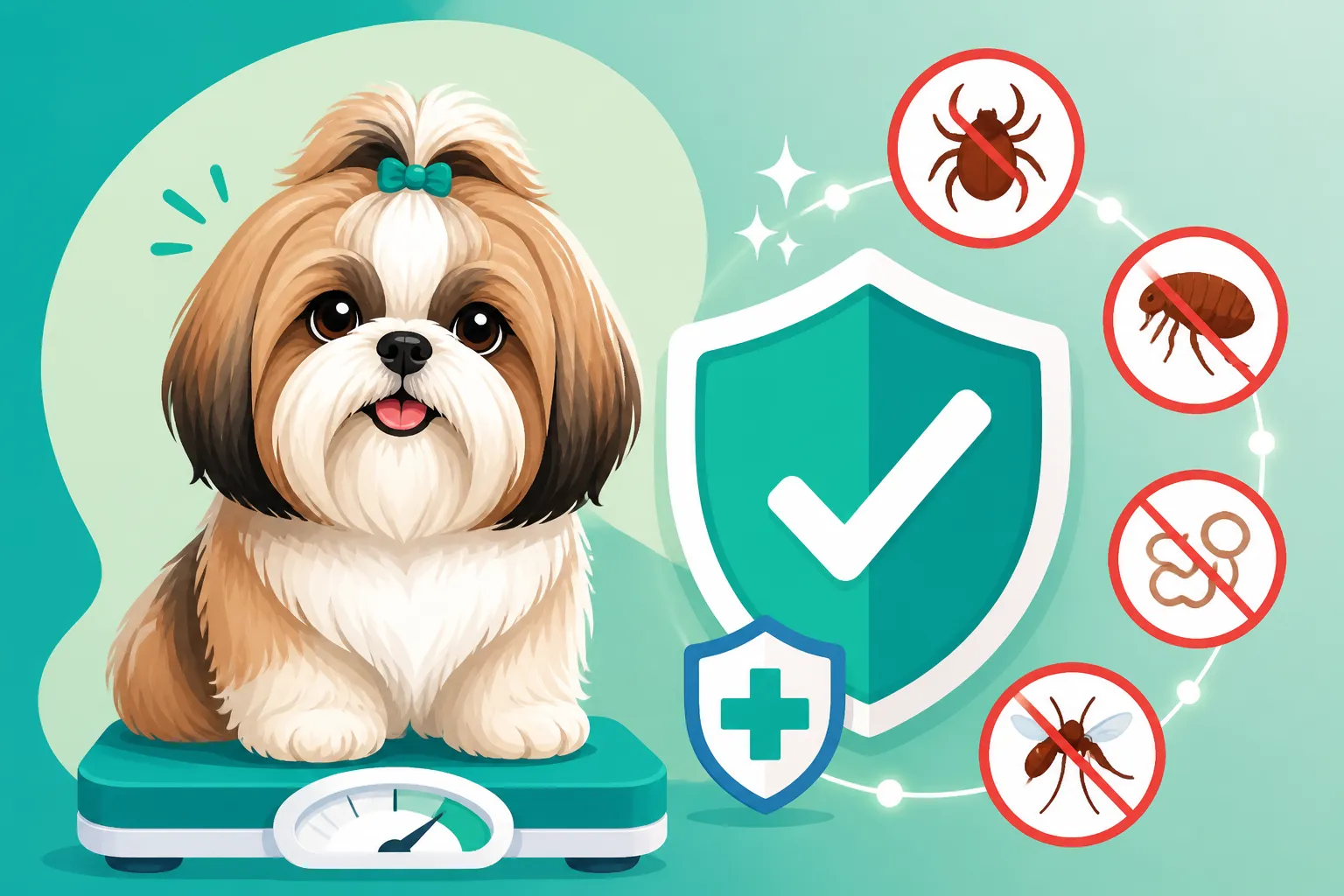
For a Shih Tzu, every pound, even every ounce, makes a difference when it comes to medication. Drugs are typically dosed by weight, and an incorrect dosage for a tiny dog can quickly lead to serious issues. Give too little, and the medication might not be effective, leaving your precious pup vulnerable to infestations. Give too much, and you risk toxicity, which could manifest as vomiting, diarrhea, lethargy, or even more severe neurological problems. The margin for error is much smaller than with a larger breed. This is why you'll often see flea and tick medications, and heartworm preventives, come in very specific weight ranges. You can't just eyeball it; precision is key. Ignoring these guidelines for a low-weight Shih Tzu is essentially putting their health on the line.
Potential Sensitivities and Side Effects
Shih Tzus, like many toy breeds, can sometimes exhibit sensitivities to certain ingredients found in parasite preventives. What might be perfectly fine for a larger dog could cause a reaction in your Shih Tzu. For example, some topical treatments can cause skin irritation, redness, or even hair loss at the application site, especially under their thick coat where air circulation might be limited. Oral medications, while often highly effective, can sometimes lead to an upset stomach.
You might also notice behavioral changes, such as lethargy, loss of appetite, or increased anxiety. It’s critical to monitor your Shih Tzu closely after administering any new preventive. Keep a log of the date, time, and how your dog reacted. This information is invaluable for your vet if a problem arises. It's also why starting with a vet-recommended product, and not an over-the-counter solution that isn't specifically approved for their exact weight, is paramount. If you ever see signs like excessive drooling, tremors, or difficulty breathing, contact your vet immediately.
Common Parasites and Their Risks for Toy Breeds
Parasites, both internal and external, pose a significant threat to any dog, but for a low-weight Shih Tzu, the risks can be amplified. Their smaller stature and sometimes less robust systems mean they might succumb to the effects of parasites more quickly or severely than a larger, more resilient breed. Understanding these threats is the first step in effective prevention.
External Parasites: Fleas and Ticks
Fleas and ticks are more than just an itchy nuisance; for a Shih Tzu, they can be truly dangerous. A severe flea infestation can lead to significant blood loss, which in a small dog like a Shih Tzu can quickly cause anemia. Anemia presents with symptoms like pale gums, lethargy, and weakness, and can become life-threatening if not addressed promptly. Furthermore, some Shih Tzus are allergic to flea saliva, leading to intense itching, skin infections, and hot spots. Imagine a tiny dog scratching themselves raw under their luxurious coat, leaving behind sores that can easily become infected.
Ticks carry a host of diseases, including Lyme disease, Anaplasmosis, Ehrlichiosis, and Rocky Mountain Spotted Fever. While any dog can contract these, a tiny Shih Tzu might show symptoms more dramatically, and their smaller body can struggle more to fight off the infection. The diagnosis can be challenging, and treatment can be costly and intensive. These diseases can impact their kidneys, joints, and overall vitality, making vigilance against ticks incredibly important. Given their lower body weight, a single tick bite transmitting a serious pathogen could have a more profound impact on their overall health.
Internal Parasites: Heartworm and Intestinal Worms
Internal parasites are often unseen but can be devastating, especially for a small Shih Tzu.
Heartworm: This is arguably one of the most dangerous internal parasites. Transmitted by mosquitoes, heartworms live in the heart, lungs, and associated blood vessels of infected pets. For a dog as small as a Shih Tzu, even a few adult heartworms can cause severe damage to the heart and lungs, leading to symptoms like coughing, fatigue, and difficulty breathing. Because the Shih Tzu is a brachycephalic breed, they already have a predisposition for certain respiratory challenges, so heartworms can make their breathing even more compromised. The treatment for heartworm disease is not only expensive and lengthy, often involving multiple injections and strict rest, but it also carries significant risks for small dogs. Prevention is always, always easier and safer than treatment.
Intestinal Worms (Roundworms, Hookworms, Whipworms, Tapeworms): These common parasites can cause a range of issues from mild digestive upset to severe illness.
- Roundworms are particularly common in puppies and can cause a pot-bellied appearance, vomiting, and diarrhea. For a tiny Shih Tzu puppy, a heavy burden of roundworms can hinder their growth and development. You might hear about a puppy with Renal Dysplasia in a Shih Tzu Puppy That Will Not Grow. While renal dysplasia is a kidney issue, any significant illness in a puppy can affect their growth.
- Hookworms feed on blood in the intestines, and in a low-weight Shih Tzu, this can quickly lead to anemia, similar to fleas, but from the inside.
- Whipworms are harder to detect and can cause chronic diarrhea and weight loss.
- Tapeworms are often acquired from ingesting fleas and can cause anal itching and mild digestive upset.
For small dogs, the cumulative effect of these parasites can lead to malnutrition, compromised immune systems, and failure to thrive. Regular deworming, especially for puppies, is critical, as is ensuring that flea prevention is solid to break the tapeworm cycle.
Safe and Effective Parasite Prevention Strategies
Choosing the right parasite prevention for your low-weight Shih Tzu requires a conversation with your veterinarian. They are your best resource for understanding the local parasite risks in your area and recommending products that are safe and appropriately dosed for your specific dog. This isn't a decision to make based on online reviews or what your neighbor uses for their Labrador.
Consulting Your Veterinarian for Tailored Advice
Your vet knows your Shih Tzu's medical history, current health status, and precise weight. They can offer advice that considers any pre-existing conditions, sensitivities, or other medications your dog might be taking. For example, if your Shih Tzu has known kidney issues, like those discussed in Testing a Shih Tzu for Kidney Disease, your vet might recommend a specific type of preventive that is metabolized differently.
During your annual vet visits – and for senior Shih Tzus, possibly more frequent check-ups as described in Vet Visit Frequency for a Shih Tzu Past Ten – your vet will discuss an appropriate parasite prevention plan. They’ll also likely perform an annual heartworm test and a fecal exam to check for intestinal worms. Don't skip these; they are crucial diagnostics. Your vet can provide accurate dosing instructions and demonstrate how to administer the medication if you’re unsure.
Types of Prevention and What Suits a Shih Tzu
There's a wide array of parasite prevention products available, each with its own benefits and considerations for a low-weight Shih Tzu.
1. Oral Medications:
These are often highly effective and many Shih Tzu owners find them convenient. They come in chewable tablets or flavored treats.
- Pros: Typically cover a broad spectrum of parasites (fleas, ticks, heartworm, and often intestinal worms). No residue on the coat. Many are given monthly, making them easy to remember.
- Cons: Some dogs may not like the taste or could experience mild gastrointestinal upset. It's crucial your Shih Tzu eats the entire dose to be effective. For finicky eaters, you might need to hide it in a small piece of cheese or peanut butter (ensure no xylitol!).
- Shih Tzu Specifics: Look for the smallest tablet sizes or chewables. Brands like Bravecto, Simparica, and NexGard offer tiny doses for toy breeds. Always check the exact weight range on the packaging, even for an "extra small" label.
2. Topical "Spot-On" Treatments:
Applied directly to the skin, usually between the shoulder blades, these liquids absorb into the system or spread across the skin to protect against external parasites.
- Pros: Easy to apply for dogs who won't take oral medication. Often provide protection for a month.
- Cons: Can leave a greasy residue on the coat for a few days, which can be an issue for a Shih Tzu's long hair. Requires careful application to ensure it reaches the skin, not just the fur. Risk of run-off if your dog gets wet too soon. Can potentially cause local skin irritation.
- Shih Tzu Specifics: Due to their thick double coat, it's vital to part the hair completely to ensure the liquid makes direct contact with the skin. Be mindful of contact with children or other pets immediately after application. Brands like Advantage II, K9 Advantix II, and Frontline Plus offer formulations for very small dogs.
3. Injectable Heartworm Prevention:
A newer option that offers 6 or 12 months of heartworm protection with a single injection.
- Pros: Extremely convenient, eliminates the need for monthly dosing. Guaranteed compliance.
- Cons: Not yet available for all weight ranges, and some owners prefer not to have an injectable solution.
- Shih Tzu Specifics: Discuss this option with your vet, especially if monthly oral medication is a challenge.
4. Collars:
Some collars, like Seresto, offer long-term protection (up to 8 months) against fleas and ticks.
- Pros: Long-lasting, no messy application or oral administration.
- Cons: Can be irritating for some dogs, and there's a slight risk of it getting caught or causing skin irritation under the fur. Some owners worry about the chemicals being in constant contact with their dog.
- Shih Tzu Specifics: Ensure the collar fits snugly but not too tightly, allowing two fingers to slip underneath. Monitor the skin under the collar for any signs of irritation, especially with their delicate skin and long hair.
Here’s a quick overview of common prevention methods:
| Prevention Type | Pros | Cons | Shih Tzu Considerations |
|---|---|---|---|
| Oral Chew/Tablet | Effective, no messy residue, often broad spectrum | Potential GI upset, must consume full dose, some dogs dislike taste | Choose smallest size, hide in treat, ensure full ingestion |
| Topical "Spot-On" | Easy for finicky eaters | Greasy residue, careful application to skin needed, potential local skin irritation | Part thick coat thoroughly, monitor for skin reactions, avoid contact with other pets/children |
| Injectable | Long-lasting convenience, guaranteed compliance | Requires vet visit, limited availability for all weights/areas, some prefer non-injectable | Discuss with vet if monthly oral is a struggle |
| Medicated Collar | Long-term protection (e.g., 8 months) | Potential skin irritation, chemicals in constant contact, can get caught, not all collars effective | Ensure proper fit, monitor skin, use vet-recommended brands only |
The Importance of Year-Round Prevention
It’s easy to think of parasites as a summer problem, but many can thrive year-round, even in colder climates. Fleas can survive indoors through winter, and ticks can be active any time temperatures are above freezing. Heartworm is a constant threat wherever mosquitoes are present. Because of this, continuous, year-round parasite prevention is essential for your Shih Tzu. A lapse in protection, even for a month or two, can leave your dog vulnerable to infestation, leading to discomfort and potentially serious health issues. Staying on schedule with your chosen preventive is a non-negotiable part of responsible Shih Tzu care.
Addressing Concerns and What to Do If Your Shih Tzu Has Parasites
Even with the best prevention strategies, sometimes parasites find a way. Knowing how to recognize the signs and what steps to take is crucial for your Shih Tzu's well-being. It's also normal to have lingering questions or concerns, especially when dealing with a small breed.
Recognizing Signs of Infestation
Being observant is your best tool. Your Shih Tzu can’t tell you in words that they’re itchy or feeling unwell, so you need to be attuned to subtle changes.
- Fleas: Excessive scratching, biting, or licking, especially around the base of the tail, neck, and inner thighs. You might see "flea dirt" (small black specks, which are flea feces) on their skin or bedding. Use a fine-toothed flea comb to check their coat, particularly around the face and ears. Early detection is key, as a full infestation can be tough on a small dog.
- Ticks: You might feel a small bump when petting your dog. Ticks often attach in areas like behind the ears, on the neck, in armpits, or between toes. Regularly run your hands over your Shih Tzu's entire body, feeling for any unusual lumps.
- Intestinal Worms: Vomiting, diarrhea (which might contain visible worms or blood), a pot-bellied appearance (especially in puppies), weight loss despite a good appetite, dull coat, or dragging their rear end across the floor. Sometimes, you might see small, rice-like segments around their anus, which are tapeworm segments.
- Heartworm: Early stages often have no visible symptoms. As the disease progresses, you might notice a mild, persistent cough, reluctance to exercise, fatigue after moderate activity, decreased appetite, and weight loss. These signs can be subtle at first and easily mistaken for other issues, which is why annual testing is so important.
If you observe any of these signs, don't delay – contact your veterinarian.
When Prevention Fails: Treatment Options and Costs
If, despite your best efforts, your Shih Tzu does contract parasites, your vet will recommend appropriate treatment.
- For fleas and ticks: This might involve a stronger prescription oral or topical treatment to kill the existing parasites, along with thorough cleaning of your home environment to eliminate eggs and larvae.
- For intestinal worms: Your vet will prescribe a deworming medication based on the type of worm identified in a fecal test. Multiple doses might be needed to completely clear the infection.
- For heartworm: As mentioned, heartworm treatment is complex, costly, and carries risks. It typically involves a series of injections of an adulticide medication, along with strict crate rest and other supportive care for several weeks or months. This is a journey, and one you want to avoid at all costs.
The costs associated with treating parasites can vary widely. For a mild flea infestation, it might just be the cost of a stronger topical and diligent cleaning. However, for a serious case of heartworm disease, the treatment can run into thousands of dollars. This is where having pet insurance, such as through providers like Healthy Paws, can really make a difference. While most insurance policies don't cover routine prevention, they often kick in for unexpected illnesses and treatments, like those required for a full-blown parasite infestation that slips past your prevention. This means you might be able to focus on your Shih Tzu's recovery without the added stress of crushing vet bills. You might also want to look into budgeting for these kinds of potential costs, similar to the planning involved for What a Shih Tzu Costs Each Month With Grooming In.
Supporting Your Shih Tzu Through Prevention and Treatment
Whether you're starting a new preventive or treating an existing infestation, your Shih Tzu needs your calm support.
- During medication: Make it a positive experience. Praise and reward them with their favorite small treats, like those discussed in Treats Small Enough for a Shih Tzu Session, after successful administration. If they struggle with oral meds, try wrapping them in a soft towel (like a burrito!) to minimize fuss.
- Environmental control: Regularly vacuum your home, wash bedding in hot water, and consider outdoor yard treatments if fleas or ticks are a persistent problem in your area. This is especially important for breaking parasite life cycles.
- Follow up: Always follow your vet’s instructions precisely regarding dosage and frequency. If you notice any adverse reactions, contact your vet immediately. Don't hesitate to reach out to them if you have questions or concerns; they are there to help ensure your Shih Tzu's health and safety. Companies like Healthy Paws also offer resources that can help you understand common conditions and how to best care for your pet. Remember, consistency is key, and your proactive approach makes all the difference for your low-weight Shih Tzu.
Disclaimer
The information provided in this article is for general informational purposes only and is not a substitute for professional veterinary advice. Always consult with your veterinarian for any health concerns or before making any decisions related to your pet's medical care, diet, or treatment.