Anesthesia on a Flat-Faced Shih Tzu
One of the most concerning moments for any Shih Tzu owner is when your beloved furry companion needs to undergo anesthesia. Whether it's for a routine dental cleaning, an urgent lump removal, or something more serious, the thought of your tiny, flat-faced friend being put under can be incredibly stressful. You know their breathing can already be a bit noisy, and you worry about how they’ll cope. This guide is here to walk you through everything you need to know about anesthesia for a flat-faced Shih Tzu, from the unique challenges they face to the critical steps your veterinary team should take to ensure their safety.
Why Flat Faces Are a Challenge for Anesthesia
It's no secret that Shih Tzus, with their adorable squished faces, have some unique anatomical quirks. While these characteristics contribute to their irresistible charm, they also present significant challenges when it comes to anesthesia. Understanding these underlying issues is the first step in advocating for your dog's safety.
The Unique Brachycephalic Airway
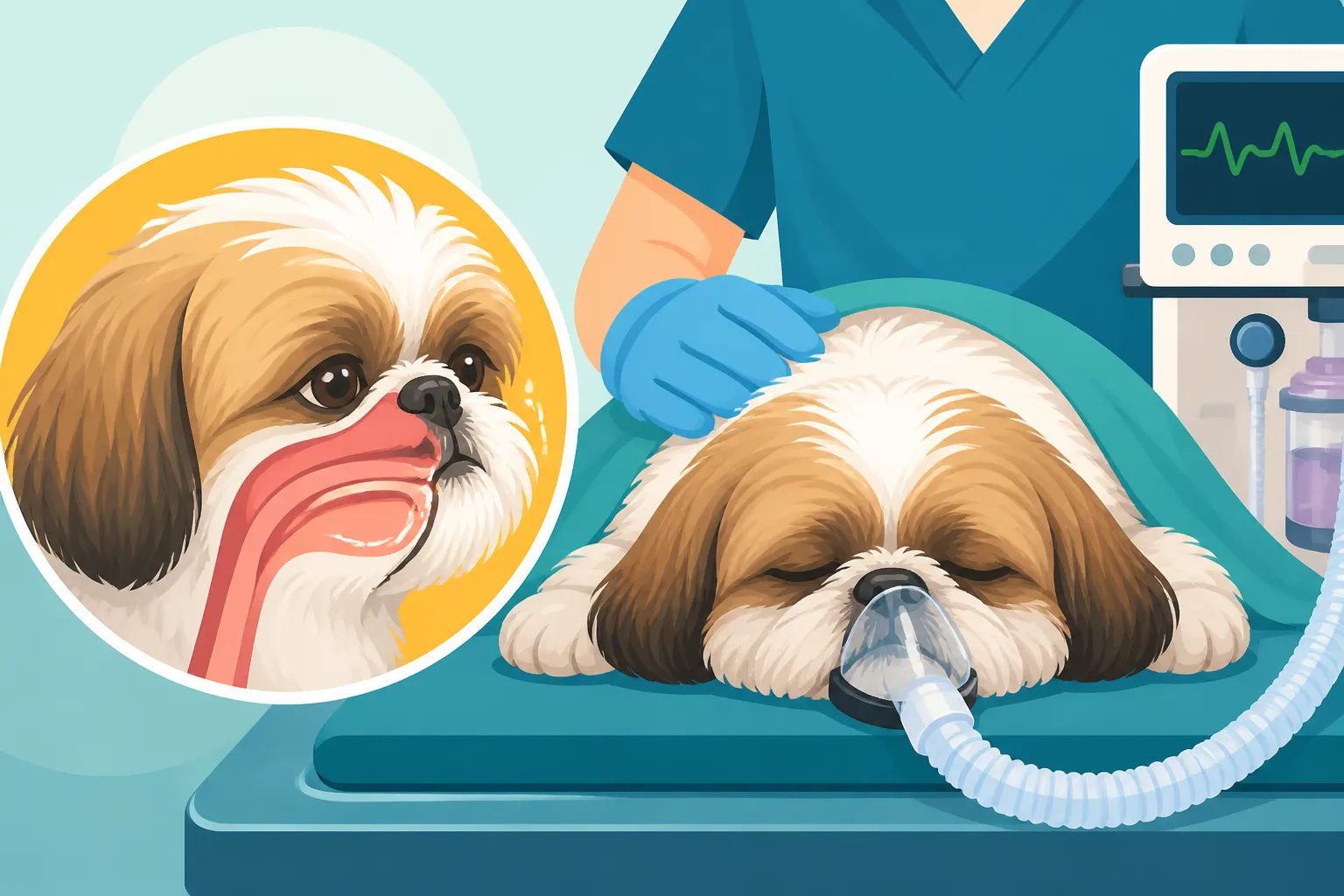
Imagine trying to breathe through a perpetually pinched straw, and you'll begin to understand what life can be like for a brachycephalic breed like a Shih Tzu. Their distinctive flat faces, medically known as brachycephaly, come with a suite of anatomical differences collectively known as Brachycephalic Obstructive Airway Syndrome (BOAS). These features include stenotic nares (narrow nostrils), an elongated soft palate, and sometimes a hypoplastic trachea (narrow windpipe) or everted laryngeal saccules.
When your Shih Tzu is awake, these issues can lead to characteristic snoring, snorting, and noisy breathing, especially during excitement or exercise. However, under anesthesia, the problem intensifies dramatically. Anesthetics and sedatives cause muscle relaxation throughout the body, including the muscles that support the airway. This relaxation can lead to further collapse of an already compromised airway. The elongated soft palate, which might normally just flutter in the back of the throat, can fall completely backward, obstructing the opening to the windpipe. Those narrow nostrils become even more restrictive, and the natural swelling that occurs with intubation or even just lying down can make breathing even harder. This is why thorough knowledge of Brachycephalic Breathing in a Shih Tzu is so critical.
Increased Risk of Aspiration
Beyond the immediate challenge of maintaining an open airway, flat-faced breeds like Shih Tzus are also at a higher risk of aspiration during anesthesia. Aspiration occurs when stomach contents, saliva, or other fluids are inhaled into the lungs, leading to serious complications like pneumonia.
Several factors contribute to this heightened risk in Shih Tzus. Firstly, the relaxed state brought on by anesthetic drugs can weaken the esophageal sphincter, the muscular valve that normally keeps stomach contents from refluxing into the esophagus. If regurgitation occurs, their compromised airway anatomy and sometimes-less-effective gag reflex make it harder for them to clear the material from their throat, increasing the chance of it entering the lungs. Imagine a small amount of fluid coming back up, and your dog, unable to swallow effectively due to muscle relaxation and a bulky soft palate, accidentally inhales it. This is a terrifying scenario, but it highlights why careful patient positioning, close monitoring, and specific post-operative care are absolutely non-negotiable for these special dogs.
Pre-Anesthetic Evaluation and What It Reveals
Before your Shih Tzu even sniffs an anesthetic agent, a thorough pre-anesthetic evaluation is paramount. This isn't just a formality; it's a deep dive into your dog's overall health to identify any potential risks and tailor the anesthetic protocol specifically for them. Skipping this step is like driving blindfolded, and no responsible veterinary team would ever do that.
Comprehensive Physical Exam and History
Every anesthetic procedure should begin with a detailed physical examination. Your veterinarian will carefully listen to your Shih Tzu's heart and lungs, noting any unusual sounds like a heart murmur or crackling in the lungs. They'll assess your dog's general body condition, looking for signs of obesity, which can further complicate breathing and anesthesia (Shih Tzu Obesity on a Sixteen Pound Frame). They’ll also check hydration levels, examine their gums for healthy color, and feel their abdomen.
Equally important is a comprehensive medical history, which you, the owner, provide. Be open and honest about everything:
- Have they had anesthesia before? If so, how did they recover?
- Do you notice them snoring loudly or having difficulty breathing during exercise?
- Have they ever experienced a reverse sneeze, which many Shih Tzu owners hear? You might be familiar with The Reverse Sneeze Every Shih Tzu Owner Hears.
- Any history of coughing, especially at night, which could indicate heart issues or tracheal collapse?
- Are they on any medications or supplements?
- Have there been any recent changes in appetite, thirst, or bathroom habits?
This information helps the vet build a complete picture of your Shih Tzu’s health, allowing them to anticipate potential complications and adjust their plan accordingly. For instance, if they suspect a heart issue, they might recommend further cardiac diagnostics before proceeding. Knowing about any existing issues like Shih Tzu Heart Murmurs and Valve Disease from your dog's history can drastically change the anesthetic plan.
Diagnostic Testing Before the Procedure
Beyond the physical exam, your vet will almost certainly recommend a suite of diagnostic tests. These tests provide crucial insights into your Shih Tzu's internal organ function, which is vital for safe anesthesia.
Typically, this includes a complete blood count (CBC) and a biochemistry panel. The CBC looks at red and white blood cells and platelets, checking for anemia, infection, or clotting issues. The biochemistry panel assesses organ function, particularly the liver and kidneys, which are responsible for processing and eliminating anesthetic drugs from the body. If your Shih Tzu has underlying kidney issues, such as those related to Renal Dysplasia and the Shih Tzu Kidney, a modified drug protocol will be essential.
For older Shih Tzus or those with suspected heart or lung conditions, additional diagnostics might be advised. These could include chest X-rays to visualize the heart and lungs, looking for enlargement, fluid, or other abnormalities. An electrocardiogram (ECG) might be performed to check heart rhythm. These tests allow the veterinary team to identify any hidden conditions that could increase anesthetic risk and make informed decisions about the safest approach. Your vet might discuss something like Pre-Anesthetic Testing Before a Shih Tzu Dental if the procedure is dental-related, which is a common reason for Shih Tzus to need anesthesia.
Customizing the Anesthetic Protocol
Once all the information is gathered from the physical exam and diagnostic tests, your veterinary team will formulate a customized anesthetic protocol. This isn't a one-size-fits-all approach, especially for a Shih Tzu.
The protocol begins with pre-medication – a combination of drugs given before the main anesthetic agent. These drugs serve several purposes: they help calm your Shih Tzu, reducing stress and making the induction of anesthesia smoother. Importantly, they also reduce the amount of the stronger anesthetic gas needed, which can lead to a gentler recovery. Opioids are often included for pain control, which is important even for non-painful procedures, as it allows for lower overall anesthetic doses. Anti-anxiety medications and muscle relaxants might also be part of this cocktail.
An intravenous (IV) catheter is another critical component. It provides direct access to a vein for administering fluids throughout the procedure, which helps maintain blood pressure and hydration. In an emergency, it also allows for immediate administration of life-saving medications. For a small dog like a Shih Tzu, maintaining stable blood pressure and having immediate access for interventions can be the difference between a smooth procedure and a crisis.
Monitoring During Anesthesia: The Non-Negotiables
Putting a Shih Tzu under anesthesia is not a set-it-and-forget-it situation. It requires constant, vigilant monitoring by a dedicated team member to ensure their safety every single second they are unconscious. This is where the right equipment and experienced personnel truly shine.
Advanced Airway Management
For a flat-faced breed, airway management is arguably the most critical aspect of anesthesia. When your Shih Tzu is anesthetized, a breathing tube (endotracheal tube) is carefully placed into their windpipe. This tube ensures a clear, open airway and allows the delivery of anesthetic gas and oxygen directly to their lungs. Due to their unique anatomy, intubating a Shih Tzu can sometimes be more challenging than with other breeds, requiring skill and precision.
Once intubated, the monitoring doesn't stop. The veterinary technician or anesthetist will continuously monitor several key parameters:
- Capnography: This measures the amount of carbon dioxide in your dog's exhaled breath, giving real-time information about their breathing efficiency and metabolic status. It tells the team if your Shih Tzu is breathing too slowly, too fast, or not effectively exchanging gases.
- Pulse Oximetry: A small probe placed on the tongue or paw measures oxygen saturation in the blood. This ensures your Shih Tzu is receiving enough oxygen.
- Respiratory Rate and Effort: The team will visually observe chest movements and listen to breathing sounds, noting any changes.
Maintaining an optimal oxygen supply and ensuring effective ventilation is paramount, especially for a breed prone to Brachycephalic Breathing in a Shih Tzu even when awake.
Cardiovascular and Temperature Monitoring
Beyond the airway, keeping a close eye on your Shih Tzu's cardiovascular system and body temperature is equally vital. Anesthesia can affect these systems, and prompt intervention is often necessary to prevent complications.
- Electrocardiogram (ECG): An ECG continuously monitors your Shih Tzu’s heart rate and rhythm, detecting any abnormalities that might arise during anesthesia. Changes in heart rhythm can indicate underlying issues or responses to anesthetic drugs.
- Blood Pressure: Blood pressure monitoring, usually done using a Doppler probe or an oscillometric cuff, is essential. Anesthetic drugs can cause blood pressure to drop, which can compromise blood flow to vital organs. If blood pressure falls too low, the team will intervene with fluid adjustments or medications.
- Body Temperature: Shih Tzus, with their compact bodies and often dense coats, can struggle with temperature regulation, a topic often explored in guides like Why a Shih Tzu Cannot Cool Itself Well. Under anesthesia, they are particularly prone to hypothermia (low body temperature). The team will use heating pads, warm air blankets, and warm intravenous fluids to maintain a stable body temperature. Hypothermia can delay recovery, impair drug metabolism, and increase the risk of complications.
The monitoring equipment is crucial, but it's the trained individual interpreting these readings and making adjustments that truly safeguards your Shih Tzu. They are constantly adjusting anesthetic depth, fluid rates, and temperature support to keep your pet as stable as possible.
Recovery from Anesthesia: A Critical Period
For a Shih Tzu, coming out of anesthesia is often just as, if not more, critical than the procedure itself. The period immediately following the anesthetic can present significant challenges due to their brachycephalic anatomy. This phase demands extreme vigilance and specialized care to ensure a smooth and safe transition back to consciousness.
Vigilant Post-Operative Observation
The recovery phase for a Shih Tzu is where many of the unique brachycephalic risks come to the forefront. Unlike other breeds where the breathing tube might be removed relatively quickly once they show signs of waking, for a Shih Tzu, extubation (removing the breathing tube) is delayed. This is a deliberate and crucial strategy. The tube is kept in place until your Shih Tzu is much more awake, alert, and able to actively swallow and protect their own airway. This ensures that their natural gag reflex is fully restored and minimizes the risk of their elongated soft palate or other airway tissues collapsing and obstructing breathing as residual anesthetic drugs wear off.
During this time, your Shih Tzu will be under the constant care of a dedicated recovery nurse or technician. This individual's sole focus is your dog, monitoring every breath, the color of their gums, their heart rate, and their body temperature. They are watching for any signs of airway obstruction, difficulty breathing, or excessive swelling. This constant, one-on-one observation is a non-negotiable part of safe brachycephalic anesthesia recovery.
Managing Swelling and Airway Obstruction
Even with careful intubation and monitoring, the tissues of a Shih Tzu's airway can become irritated or swell during and after anesthesia. This is a natural inflammatory response, but in an already compromised airway, even a small amount of swelling can lead to significant obstruction.
To combat this, your veterinary team will likely administer anti-inflammatory medications before, during, or after the procedure. These medications help reduce any swelling in the soft palate, larynx, and other airway structures. Additionally, careful patient positioning in recovery is vital. Keeping the head and neck extended can help maintain an open airway, preventing tissues from collapsing backward.
The recovery area should be calm, quiet, and equipped with immediate access to oxygen and re-intubation supplies. In the unlikely event of a severe airway obstruction during recovery, the team must be ready to re-intubate your Shih Tzu quickly to secure their breathing. This emergency preparedness is a hallmark of a veterinary practice experienced with flat-faced breeds. They understand that every second counts in these situations.
Specific Risks and Complications for Shih Tzus
While all anesthetic procedures carry some inherent risk, a Shih Tzu's unique physiology unfortunately predisposes them to certain specific complications that owners should be acutely aware of. Knowledge is power, and understanding these risks allows you to have informed discussions with your veterinary team.
Brachycephalic Obstructive Airway Syndrome (BOAS) Exacerbation
We've touched on the components of BOAS, but it's vital to understand how these pre-existing conditions can be catastrophically exacerbated by anesthesia. For many Shih Tzus, issues like The Elongated Soft Palate in a Shih Tzu or Shih Tzu Stenotic Nares and Noisy Breathing are managed reasonably well in their day-to-day life, perhaps with some snoring or exercise intolerance. However, the relaxing effects of sedatives and anesthetic agents can turn these chronic issues into acute, life-threatening crises.
When the muscles of the throat relax, the elongated soft palate can completely block the entrance to the trachea, and the everted laryngeal saccules can swell and flip into the airway, creating a physical barrier to breathing. This can lead to what's often referred to as a "post-anesthetic airway crisis." Even after the breathing tube is removed, the residual effects of the drugs combined with any swelling from the intubation or handling can lead to acute respiratory distress. This is why the delayed extubation and vigilant monitoring in recovery are so critical for these dogs. The veterinary team must be prepared to manage this possibility proactively and have emergency equipment on standby.
Ocular and Dental Considerations
Beyond the airway, Shih Tzus also have specific sensitivities related to their prominent eyes and crowded mouths, which can be affected by anesthesia.
Their large, somewhat bulging eyes are characteristic but also vulnerable. Conditions like Shih Tzu Eye Proptosis, the Emergency Owners Miss can occur with trauma or excessive pressure around the head. During anesthesia, care must be taken during patient positioning, handling, and intubation to avoid any undue pressure on the eyes. The veterinary team should apply lubricating eye ointment to prevent corneal drying and keep the eyes protected. Additionally, due to the shallow eye sockets, Shih Tzus are already prone to issues like Shih Tzu Corneal Ulcers From a Shallow Socket, making eye protection during anesthesia even more important.
Another common reason Shih Tzus undergo anesthesia is for dental procedures. Unfortunately, Shih Tzu Dental Disease at 13 Percent of the Breed is widespread due to their crowded jaws, which make them highly susceptible to plaque and tartar buildup. While anesthesia is necessary to address dental disease, the presence of severe oral infections can introduce additional risks. Bacteria from the mouth can enter the bloodstream during dental cleaning, potentially causing systemic issues. Furthermore, the intubation process needs to be particularly gentle in dogs with severe dental disease, as teeth can be loose or fragile.
Choosing the Right Veterinary Team for Your Shih Tzu's Anesthesia
Given the specific challenges and risks associated with anesthetizing a flat-faced Shih Tzu, selecting the right veterinary team is arguably the most important decision you'll make. Not all clinics or veterinarians have the same level of experience or equipment when it comes to brachycephalic breeds, and it's absolutely okay to ask detailed questions to ensure your pet is in the safest hands possible.
Expertise in Brachycephalic Breeds
When discussing an upcoming anesthetic procedure for your Shih Tzu, don't hesitate to ask your veterinarian about their specific experience with flat-faced breeds. A good veterinary team will be transparent and confident in discussing their protocols. Look for a team that:
- Regularly performs anesthesia on brachycephalic dogs: Experience builds expertise. A clinic that sees many Shih Tzus, Pugs, Bulldogs, and other brachycephalic breeds will be intimately familiar with their unique anesthetic requirements and potential complications.
- Employs dedicated anesthetic personnel: Ideally, a veterinary technician or registered nurse should be solely focused on monitoring your Shih Tzu during the entire procedure and throughout recovery. This person should not be assisting with the surgery itself.
- Has access to specialized equipment: This includes advanced monitoring devices like capnographs and blood pressure machines, appropriate sizes of endotracheal tubes, and emergency resuscitation equipment.
- Understands the nuances of brachycephalic recovery: As we've discussed, the recovery period is paramount. A team that delays extubation, provides dedicated recovery nursing, and has clear emergency protocols for airway issues is essential.
In some larger veterinary hospitals or specialty practices, you might find a board-certified veterinary anesthesiologist. While this level of specialization might not be necessary for every routine procedure, it can offer an extra layer of reassurance for complex cases or dogs with significant underlying health issues.
Questions to Ask Your Vet
Preparing a list of questions before your consultation can help ensure you cover all your concerns. Here are some critical questions you should ask your veterinary team about your Shih Tzu's anesthetic procedure:
- What pre-anesthetic tests do you recommend for my Shih Tzu, and why? (This shows their commitment to a thorough assessment and allows them to explain things like bloodwork and potentially X-rays).
- Who will be monitoring my Shih Tzu during the procedure and throughout recovery? What are their qualifications? (You want to hear that a dedicated, trained individual will be present at all times).
- What monitoring equipment will be used? (Look for mentions of capnography, pulse oximetry, ECG, and blood pressure monitors).
- What steps do you take to prevent hypothermia? (Ensures they are actively managing temperature).
- What is your protocol for managing the airway, especially during recovery? How long do you typically keep the breathing tube in? (This directly addresses brachycephalic risks and delayed extubation).
- What are your emergency protocols if my Shih Tzu has trouble breathing during or after anesthesia? (Assesses their preparedness for complications).
- Will my Shih Tzu receive pain medication before, during, or after the procedure? (Pain control is important for comfort and smoother recovery).
- Can I speak to the person who will be monitoring my Shih Tzu on the day of the procedure? (Allows you to connect with the team member directly responsible for your pet's moment-to-moment safety).
- What are the estimated costs, and what does that include? (Understanding the financial aspect is important, especially if you have pet insurance. Many owners find that a good policy from providers like Healthy Paws can help cover unexpected costs related to anesthesia and potential complications, offering significant peace of mind.)
An open, honest dialogue with your veterinary team is the best way to ensure you feel confident and your Shih Tzu receives the safest possible care during anesthesia. Don't be afraid to ask for explanations or clarification on anything you don't understand.
Anesthetic Considerations for Shih Tzus vs. Other Breeds
| Feature/Consideration | Brachycephalic (Shih Tzu) | Non-Brachycephalic (e.g., Labrador) |
|---|---|---|
| Airway Anatomy | Stenotic nares, elongated soft palate, hypoplastic trachea, everted laryngeal saccules | Open nostrils, normal soft palate, wide trachea, normal larynx |
| Intubation Difficulty | Often more challenging; requires smaller tubes, careful technique | Generally straightforward; wider range of tube sizes |
| Aspiration Risk | Higher due to relaxed airway, gag reflex issues, potential regurgitation | Lower, more robust gag reflex and less airway obstruction |
| Extubation Timing | Delayed until very awake and actively swallowing; critical for safety | Typically removed when showing signs of consciousness and swallowing reflex |
| Recovery Monitoring | Intense, dedicated observation for airway obstruction, breathing distress | Vigilant, but less specific focus on airway collapse post-extubation |
| Temperature Regulation | Prone to hypothermia due to small size; can also overheat if stressed pre-op | Generally less prone to severe temperature swings; easier to regulate |
| Pre-medication Focus | Aim for sedation to reduce stress, lower anesthetic dose; airway-safe drugs | Similar goals, but less emphasis on airway-specific drug choices |
| Anti-inflammatory Use | Often used to reduce post-op airway swelling | Used as needed for pain or inflammation, but less critically for airway protection |
| Oxygen Support | Extended use often needed post-operatively | Used during anesthesia; typically not prolonged post-op unless pulmonary issues exist |
Disclaimer
The information provided in this article is for general educational and informational purposes only, and does not constitute veterinary advice. Always consult with a qualified veterinarian for any health concerns or before making any decisions about your pet's medical care. Every animal is unique, and specific advice should be tailored to their individual health needs.