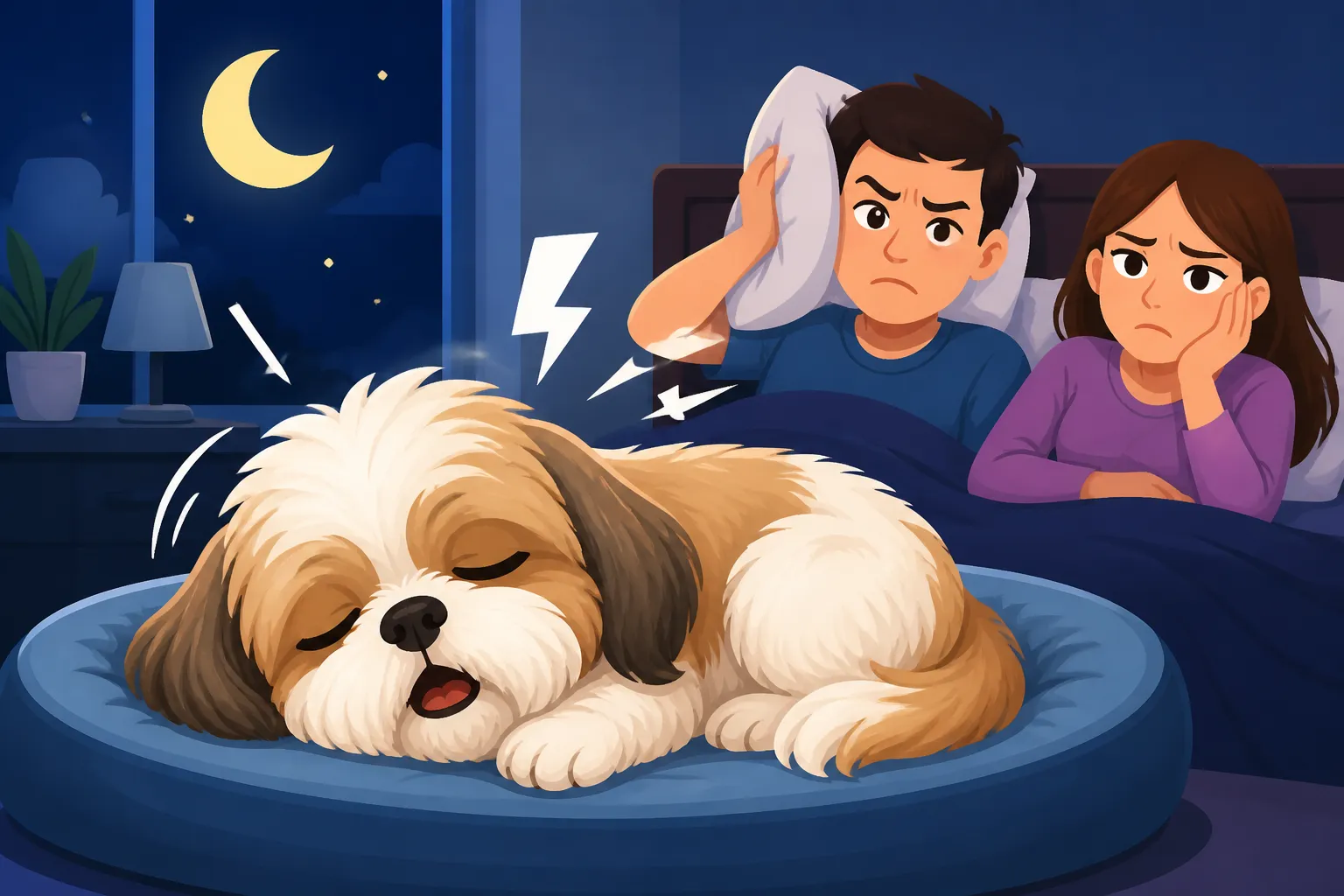
Shih Tzu Snoring That Keeps the House Awake
It can be incredibly frustrating to be woken up night after night by the robust symphony of snores emanating from your adorable Shih Tzu. Many owners find themselves asking if this level of noise is normal, or if their little lion dog is struggling to breathe while they sleep. This comprehensive guide will delve into the reasons behind your Shih Tzu's snoring, differentiate between normal rumbles and signs of concern, and offer practical solutions to help both of you achieve a more peaceful night's rest.
The Unique Anatomy Behind Shih Tzu Snoring
Let's be honest, part of the charm of a Shih Tzu is that squishy, flat face. But that adorable "smoosh" comes with a whole host of anatomical quirks that directly impact their breathing, especially when they're snoozing. Unlike dogs with longer snouts, Shih Tzus were bred to have very short faces, and their internal structures didn't always get the memo to shrink proportionally.
Brachycephalic Features and Airway Obstruction
The term "brachycephalic" simply means "short-headed," and it describes breeds like the Shih Tzu, Pugs, and Bulldogs. Their shortened skulls mean that all the soft tissues that would normally fit comfortably in a longer nose are essentially crammed into a much smaller space. This often results in a partially obstructed airway, making it harder for them to inhale and exhale freely. When they sleep, these soft tissues relax even further, vibrating against each other as air passes through, which is the very definition of a snore. It's why Brachycephalic Breathing in a Shih Tzu is such a significant topic for owners of these wonderful dogs.
Imagine trying to breathe through a straw that's slightly crimped – that's often what it feels like for a brachycephalic dog. This anatomical reality is the primary reason why snoring is so prevalent in the breed, and it's a frustration many owners share, wondering if their beloved pet is truly comfortable or silently struggling.
Elongated Soft Palate and Stenotic Nares
Two specific conditions are particularly common in Shih Tzus due to their brachycephalic structure: an elongated soft palate and stenotic nares.
First, the elongated soft palate refers to the flap of tissue at the back of the roof of the mouth that separates the oral cavity from the nasal cavity. In many Shih Tzus, this palate is too long for their shortened skull, extending into the airway and sometimes even getting sucked into the larynx during breathing, especially during sleep. This creates a significant obstruction, leading to loud, guttural snoring, snorting, and sometimes even gasping sounds. This condition is a key reason why discussions around The Elongated Soft Palate in a Shih Tzu are so critical for their health and comfort.
Second, stenotic nares simply means "narrow nostrils." Take a look at your Shih Tzu's nose. Do their nostrils look like tiny slits, or are they wide and open? Many Shih Tzus have pinched nostrils, making it difficult for them to take in enough air through their nose. This forces them to breathe more heavily through their mouth, which can also contribute to snoring and labored breathing. Narrow Nostrils on a Shih Tzu Puppy can be particularly noticeable early in life, and while adorable, they can be a serious health concern. Both of these issues can be worsened by excitement, exercise, or heat, making proper management crucial.
Common Causes of Snoring Beyond Breed Anatomy
While their unique facial structure is undoubtedly the biggest contributor to Shih Tzu snoring, there are several other factors that can either initiate or exacerbate the nocturnal noise. Sometimes, addressing these secondary causes can bring a noticeable improvement in your pup's sleep quality and quiet down the house.
Allergies and Respiratory Irritants
Just like people, dogs can suffer from allergies, and these can manifest as respiratory symptoms that contribute to snoring. Environmental allergens like pollen, dust mites, mold spores, and even certain cleaning products can irritate your Shih Tzu's nasal passages and throat, causing inflammation and increased mucus production. This congestion further narrows their already compromised airways, intensifying snoring. You might notice your Shih Tzu also scratching more, developing hot spots, or having watery eyes if allergies are at play – all signs that something is irritating them. In such cases, exploring topics like Shih Tzu Skin Allergies and Hot Spots might reveal other symptoms of their sensitivities.
Smoke, strong perfumes, and even certain air fresheners can act as irritants. If you live in an area with high air pollution, or if someone in the household smokes, these factors can significantly worsen your Shih Tzu's breathing. Paying attention to what your dog is exposed to daily can be key to reducing allergic reactions and, consequently, their snoring.
Weight Management and Its Impact
This is a big one that often gets overlooked. While a little extra fluff might make your Shih Tzu even more huggable, even a few extra pounds can have a profound impact on their breathing. Excess fat deposits can accumulate around the neck and throat area, further compressing the already tight airways. This makes the soft tissues in their palate and pharynx more likely to vibrate and obstruct airflow, leading to louder and more frequent snoring.
It's a common misconception that because Shih Tzus are small, a pound or two won't make a difference. However, for a dog that should ideally weigh between 9 and 16 pounds, two extra pounds represent a significant percentage of their body weight, akin to a human gaining 20-30 pounds. This added weight puts more strain on their entire system, including their respiratory functions. Understanding how to manage your pup's weight is crucial, and articles like Shih Tzu Obesity on a Sixteen Pound Frame can offer more insights into maintaining a healthy physique for your companion. Keeping them at a healthy weight is one of the most effective, non-invasive ways to improve their breathing and reduce snoring.
Sleeping Positions and Head Support
Have you ever noticed your Shih Tzu snoring more loudly in certain positions? This isn't just a coincidence! The way your Shih Tzu sleeps can dramatically affect how much their airways are obstructed. Many Shih Tzus find that sleeping on their back, with their head slightly elevated, can help open their airways, leading to less snoring. Gravity can work in their favor, pulling the soft tissues away from the airway.
Conversely, sleeping completely flat on their stomach or curled up in a tight ball might compress their throat and nasal passages, making snoring worse. Some owners have found success providing their Shih Tzu with a small, firm pillow (specifically designed for pets, of course!) or a bolster bed that allows them to prop their head up comfortably. Experimenting with different sleeping arrangements or observing their preferred position when snoring is minimal can give you clues about how to help them find a more peaceful posture.
When Snoring Signals a Bigger Problem
While some level of snoring is often considered "normal" for brachycephalic breeds, it's crucial to understand that there's a spectrum. What might start as a cute, soft rumble can, in some cases, escalate into a sign of serious respiratory distress or an underlying health condition that needs immediate veterinary attention. Learning to differentiate between benign snoring and alarming breathing patterns is an essential skill for any Shih Tzu owner.
Recognizing Signs of Respiratory Distress
Normal Shih Tzu snoring, even if loud, is usually rhythmic and consistent, indicating that air is moving, albeit with some vibration. However, if your Shih Tzu's snoring starts to sound like gasping, choking, gagging, or if there are long pauses in breathing followed by a sudden, loud intake of air, these are red flags. These sounds suggest significant airway obstruction and can indicate that your dog isn't getting enough oxygen.
Other signs of respiratory distress that might accompany problematic snoring include:
- Labored breathing: Their chest and abdomen are working hard to breathe, sucking in and out with noticeable effort.
- Open-mouth breathing: Especially when at rest or sleeping, which is a compensatory mechanism to get more air.
- Bluish tint to gums or tongue (cyanosis): This is a critical emergency sign indicating a severe lack of oxygen. Seek immediate veterinary care if you observe this.
- Restlessness during sleep: Frequent waking, repositioning, or appearing uncomfortable.
- Excessive panting or struggling after minimal exertion.
- Collapse or fainting spells.
If you notice any of these more severe signs, particularly the gasping or bluish gums, do not hesitate. This is no longer just "snoring that keeps the house awake" – this is a potential emergency. Your vet needs to see your dog right away. Understanding The Snoring That Means a Shih Tzu Airway Problem is vital for distinguishing between mild inconvenience and genuine danger.
The Dangers of Tracheal Collapse
Another serious condition that can cause alarming respiratory noises, often mistaken for snoring, is tracheal collapse. The trachea, or windpipe, is a tube made of cartilage rings that carry air to and from the lungs. In some toy breeds like Shih Tzus, these cartilage rings can weaken and flatten, making the trachea collapse inward, especially during inhalation.
This collapse leads to a distinctive, harsh, dry cough that often sounds like a goose honk. While it can occur during excitement or exercise, it can also manifest as a distressing honking sound during sleep or when waking up. This "Shih Tzu honk" is a classic symptom. Tracheal collapse can range from mild to severe, and in advanced cases, it can significantly impair breathing and quality of life. Owners might sometimes misinterpret these honking noises as just another quirky snore, but it's important to recognize the difference. If you hear this distinct honking cough, especially if it's persistent, it's time for a vet visit. Learning about Tracheal Collapse and the Shih Tzu Honk can help you recognize this serious condition early.
Other Health Concerns to Watch For
While less common than brachycephalic airway syndrome or tracheal collapse, other underlying health issues can contribute to or worsen snoring.
- Heart Disease: Conditions like Shih Tzu Heart Murmurs and Valve Disease can lead to fluid buildup in the lungs or around the airways, making breathing difficult and potentially increasing snoring. If your Shih Tzu is also coughing, seems lethargic, or has trouble exercising, a cardiac workup might be necessary.
- Respiratory Infections: Colds, kennel cough, or bronchitis can cause temporary inflammation and congestion, leading to increased snoring and other respiratory symptoms. While usually self-limiting, these should be monitored by a vet.
- Dental Disease: Severe dental disease can sometimes lead to inflammation that extends into the nasal passages, contributing to congestion and snoring. Regular dental care, as discussed in Shih Tzu Dental Disease at 13 Percent of the Breed, is important for overall health and can sometimes indirectly help with breathing.
- Nasopharyngeal Polyps or Tumors: Although rare, growths in the nasal passages or throat can cause obstruction and snoring. These would typically be diagnosed by a veterinarian through imaging or endoscopy.
It’s always best to err on the side of caution. If your Shih Tzu’s snoring suddenly changes, becomes louder or more labored, or is accompanied by any other concerning symptoms, a trip to the veterinarian is definitely warranted. They can perform a thorough examination, including listening to your dog's heart and lungs, inspecting their airways, and recommending further diagnostics if needed. This proactive approach ensures your furry friend stays as healthy and comfortable as possible.
Practical Steps to Reduce Shih Tzu Snoring
Once you understand why your Shih Tzu snores, you can start exploring practical, everyday strategies to help them breathe easier and, hopefully, quiet down the nighttime serenades. While some anatomical issues might require veterinary intervention, many things can be done right at home to make a difference.
Environmental Adjustments for Better Sleep
Creating an optimal sleep environment can significantly impact your Shih Tzu's breathing. Think about what might be irritating their airways and try to minimize those factors.
- Air Quality: Invest in a good quality air purifier, especially for the room where your Shih Tzu sleeps. This can help remove dust mites, pollen, dander, and other airborne allergens that can irritate their respiratory system. Regular vacuuming (with a HEPA filter) and dusting can also reduce allergens in the home.
- Humidity: If the air in your home is very dry, it can irritate mucous membranes and contribute to congestion. A humidifier can add moisture to the air, which might help soothe your Shih Tzu's airways. Just be sure to keep it clean to prevent mold growth.
- Avoid Irritants: Steer clear of harsh cleaning chemicals, aerosol sprays, air fresheners, and especially cigarette smoke near your Shih Tzu. These can all act as respiratory irritants.
- Bedding: Choose hypoallergenic bedding for your Shih Tzu. Wash their bed regularly in hot water to kill dust mites and remove dander. Elevated dog beds can also help with airflow around your dog.
Making these small changes can create a much more comfortable breathing environment for your pup, potentially leading to less congestion and, consequently, less snoring.
Diet and Exercise for Optimal Weight
We touched on this earlier, but it's worth reiterating: maintaining a healthy weight is one of the most impactful things you can do to reduce your Shih Tzu's snoring. Even a few extra ounces can contribute to fat deposits around their neck and throat, further constricting their already narrow airways.
- Portion Control: Follow the feeding guidelines on your dog food bag, but adjust based on your dog's activity level and body condition. It's often helpful to weigh their food rather than just scooping, as scoop sizes can vary greatly.
- Quality Diet: Feed a high-quality, balanced diet appropriate for their age and activity. Consult with your vet for recommendations if you're unsure.
- Healthy Treats: Limit high-calorie treats and consider using low-calorie options or even pieces of their regular kibble for training rewards.
- Regular Exercise: Shih Tzus are not high-energy dogs, but they still need daily activity to maintain muscle tone and a healthy weight. Short, regular walks (15-20 minutes, twice a day) and indoor play sessions are usually sufficient. However, always be mindful of their brachycephalic nature, especially in warm weather, as Why a Shih Tzu Overheats So Easily is a serious concern. Adjust activity levels to prevent overheating or overexertion. Even low-impact activities like gentle fetch or puzzle toys can help keep them engaged and active.
Your vet can help you determine your Shih Tzu's ideal weight and create a tailored diet and exercise plan. A lean body makes a real difference in how easily they can breathe.
Veterinary Consultation and Treatment Options
If home remedies and lifestyle adjustments aren't making enough of a difference, or if you're concerned about the nature of your Shih Tzu's snoring, a veterinary consultation is the next crucial step. Your vet can accurately diagnose the underlying cause of the snoring and recommend appropriate treatments.
During a consultation, your vet will perform a thorough physical exam, listen to your dog's heart and lungs, and visually inspect their mouth and throat. They might also discuss your dog's medical history, diet, exercise routine, and specific snoring patterns.
Depending on their findings, potential veterinary interventions might include:
- Medications: For snoring related to allergies or inflammation, your vet might prescribe anti-inflammatory medications or antihistamines. For respiratory infections, antibiotics might be necessary.
- Diagnostics: To get a clearer picture of airway obstructions or other internal issues, your vet might recommend diagnostic imaging such as X-rays of the chest and throat, or even a referral for an endoscopic examination of the airways.
- Surgical Interventions: For severe cases of brachycephalic airway syndrome, surgical correction can dramatically improve a Shih Tzu's breathing and reduce snoring. Common procedures include:
- Stenotic Nares Correction: Widening the nostrils surgically.
- Elongated Soft Palate Resection: Trimming the excess tissue from the soft palate.
- Laryngeal Saccule Eversion Removal: Removing small sacs that can obstruct the airway.
These surgeries, while significant, can transform a dog's quality of life, allowing them to breathe freely, exercise more comfortably, and often eliminates problematic snoring entirely. Of course, any surgery comes with costs, and it's wise to consider options like pet insurance. Providers such as Healthy Paws often cover a significant portion of unexpected surgical expenses, though it's always important to check policy details regarding brachycephalic conditions before a diagnosis is made. Early intervention can often prevent the progression of breathing difficulties and ensure your Shih Tzu lives a longer, healthier, and quieter life.
Understanding Your Shih Tzu's Breathing: A Quick Guide
It can be hard to tell what's "normal" for a Shih Tzu's noisy breathing. This table helps distinguish between common, less concerning sounds and those that warrant a call to your vet.
| Characteristic | Normal (Typical Shih Tzu Snoring) | Concerning (Seek Vet Attention) |
|---|---|---|
| Sound | Soft to loud, rhythmic rumble or gentle snort | Gasping, choking, struggling, harsh honking cough |
| Rhythm | Consistent, uninterrupted | Pauses in breathing, irregular, periods of silence followed by loud gasps |
| Effort | Minimal, relaxed breathing chest/abdomen | Noticeable effort from chest/abdomen, pulling in sides, head extended |
| Color of Gums/Tongue | Pink and healthy | Bluish or pale (emergency!) |
| Behavior | Appears comfortable, undisturbed sleep | Restless sleep, frequent waking, struggling to find comfortable position |
| During Waking Hours | May have occasional snorts during excitement | Persistent panting, coughing, labored breathing, exercise intolerance |
Remember, this table is a general guide. If you are ever in doubt, or if your Shih Tzu's breathing patterns change suddenly or dramatically, it's always best to consult with your veterinarian.
Disclaimer
This article is intended for informational purposes only and is not a substitute for professional veterinary advice, diagnosis, or treatment. Always seek the advice of your veterinarian or other qualified health provider with any questions you may have regarding a medical condition.