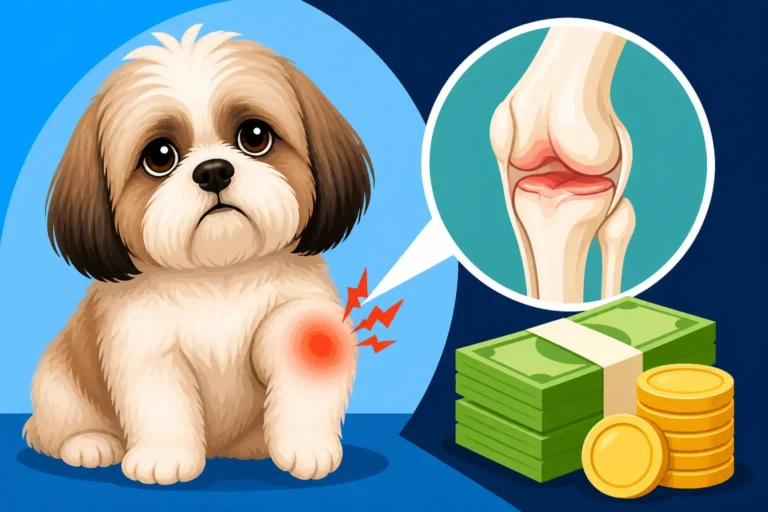
Thirteen Years of Shih Tzu Costs Added Up
Bringing a sweet, fluffy Shih Tzu into your home is an absolute joy, filled with cuddles and laughter, but many new owners quickly realize that the initial puppy price is just the tip of the iceberg. The financial commitment extends far beyond that first happy homecoming, encompassing a lifetime of needs that can truly add up. This comprehensive guide will walk you through the real costs of owning a Shih Tzu over their typical thirteen-year lifespan, helping you plan for every expense from daily essentials to unexpected emergencies.
The Initial Investment Beyond the Puppy Price Tag
When you first consider bringing a Shih Tzu puppy home, the most obvious cost that jumps out is the purchase price itself. It’s a significant number, often ranging anywhere from $1,000 to $3,000 or even higher depending on the breeder, location, and pedigree. However, savvy prospective owners quickly learn that this is merely the gate fee to a much longer and more substantial financial journey. Before your little lion dog even sets a paw in your living room, there are essential preparations and initial expenses that need to be accounted for, creating a first-year financial shock for those who haven't planned meticulously.
The Cost of Bringing Your Shih Tzu Home
Whether you're getting your Shih Tzu from a reputable breeder or through an adoption agency, there are immediate, non-negotiable costs. If you choose a breeder, expect to pay a deposit, sometimes several hundred dollars, to secure your pick of the litter. This often comes with a detailed contract outlining health guarantees and spay/neuter agreements. On the other hand, adopting a Shih Tzu from a rescue organization usually involves an adoption fee, typically ranging from $200 to $600. These fees often cover initial veterinary checks, vaccinations, and spay/neuter surgeries, which can actually save you money in the long run compared to a puppy from a breeder where you'll pay for these separately.
Beyond the initial fee, think about the transportation. Are you driving across state lines to pick up your new family member? Factor in gas, potential overnight stays, and vehicle wear and tear. If your puppy is being flown to you, the cost can easily be several hundred dollars, sometimes even exceeding $1,000 for specialized pet transport, especially if you opt for a nanny service rather than cargo, which many flat-faced breeds struggle with. Even if it's a short drive, you'll need a suitable carrier for the trip, which is another immediate purchase. This initial flurry of spending can catch new owners off guard, making it seem like the budget is already spiraling before the pup has even settled in.
Essential Startup Supplies for a Shih Tzu Puppy
Once your Shih Tzu is home, they’ll need a whole host of items to get started comfortably and safely. This isn’t just about making them feel welcome; it’s about providing the necessities for their health, safety, and initial training. A high-quality crate, sized appropriately for a small dog but with room to grow slightly, is crucial for house training and creating a safe den. Expect to spend $50-$150 on a good wire or plastic crate. You'll also need a soft, comfortable bed for both inside the crate and perhaps another for a main living area, costing $30-$80 each.
Food and water bowls are another basic necessity. Stainless steel is often recommended for hygiene and durability, and elevated bowls can sometimes be helpful for brachycephalic breeds, though always consult your vet. These might run you $20-$50. Then there are toys – lots of them! A variety of soft toys, chew toys, and puzzle toys are important for mental stimulation and redirecting puppy nipping. Don't forget training treats, a harness (not a collar for a Shih Tzu's delicate neck and airway), and a leash. You'll also need grooming essentials like a slicker brush, comb, puppy shampoo, and nail clippers, which we’ll delve into more deeply later. Combined, these initial supplies can easily add another $200-$500 to your startup costs, making the first month significantly more expensive than many anticipate. It's a foundational expenditure that sets the stage for their long, healthy life with you.
The Ongoing Reality of Shih Tzu Grooming Expenses
One of the most significant and often underestimated ongoing costs for a Shih Tzu owner is grooming. Their luxurious, flowing double coat, which is so iconic and beautiful, requires an immense amount of care to prevent matting, skin issues, and discomfort. Unlike some short-haired breeds where grooming is a relatively minor expense, a Shih Tzu's coat demands constant attention, whether you choose professional services or commit to extensive home grooming. Many owners are genuinely shocked by how quickly these costs accumulate over a year, let alone thirteen years.
Professional Grooming Sessions
For most Shih Tzu owners, regular professional grooming is an absolute necessity. Without it, their long hair quickly forms painful mats, especially behind the ears, under the legs, and where a harness sits. These mats can pull at the skin, cause irritation, and even lead to infections if not addressed promptly. A typical full-service groom for a Shih Tzu includes bathing, conditioning, drying, brushing, haircut (often a "puppy cut" for easier maintenance), nail trim, ear cleaning, and sometimes anal gland expression.
These sessions are not cheap. Depending on your location, the groomer’s experience, and your dog's coat condition, you can expect to pay anywhere from $50 to $90 per session. Since a Shih Tzu needs grooming every four to six weeks to maintain a healthy coat and prevent matting, this quickly translates to an annual cost of $500 to over $1,000. Some owners try to stretch the time between grooms, only to find their dog returns to the groomer matted, incurring additional fees for dematting – sometimes an extra $10 to $30, or even requiring a complete shave down. It’s a recurring expense that, while high, is non-negotiable for the Shih Tzu’s well-being. Knowing that you'll be spending this much over a decade-plus lifespan really puts the numbers into perspective; it's a marathon, not a sprint. You can read more about what these costs entail in Shih Tzu Grooming at $500 to $1,080 a Year.
Home Grooming: The Tools and the Time
While opting for home grooming can significantly reduce professional grooming bills, it certainly doesn't eliminate costs entirely, and it demands a substantial time commitment. You'll need to invest in a comprehensive set of high-quality grooming tools, as cheap tools can pull hair, cause discomfort, or simply not be effective on a dense double coat. This includes a good slicker brush, a metal comb with both wide and fine teeth, dog-specific shampoo and conditioner, nail clippers or a grinder, ear cleaning solution, and possibly a grooming table and a high-velocity dryer.
Initial investment in these tools can easily range from $150 to $300 or more. Brushes and combs will last a long time, but shampoo, conditioner, and ear cleaner are recurring purchases. Even if you only bathe and brush at home, you might still need occasional professional trims for sanitary areas or to tidy up the face. The biggest "cost" here, however, is your time. A full coat Shih Tzu needs daily brushing, a process that can take 15-30 minutes, especially if you’re meticulous about preventing mats. Bathing and drying a Shih Tzu properly at home can take 2-3 hours, including thorough drying to the roots to prevent skin issues and matting. Over thirteen years, this is thousands of hours of your dedicated time, a commitment many owners underestimate when considering home grooming as a cost-saving measure. Many essential grooming supplies can be found conveniently on platforms like Chewy.
Nutritional Needs and Feeding Costs Over a Lifetime
Feeding your Shih Tzu might seem like a straightforward expense, but it's a critical component of their overall health and longevity. The choices you make about their diet directly impact their energy levels, coat quality, dental health, and susceptibility to various ailments. Over a thirteen-year lifespan, the cumulative cost of food can be surprisingly substantial, and it's an area where cutting corners can lead to more expensive vet bills down the line. It's not just about filling their bowl; it's about providing consistent, high-quality nutrition tailored to their small size and specific needs.
Choosing the Right Food for a Shih Tzu
Shih Tzus are a small breed, typically weighing between 9 and 16 pounds, which means their caloric needs are relatively low compared to larger dogs. However, their small mouth and sometimes undershot jaw mean that kibble size is important – it needs to be small enough for them to chew comfortably. When selecting food, look for high-quality ingredients, with real meat as the first ingredient, and avoid excessive fillers, artificial colors, or by-products. Options range from premium kibble to wet food, fresh-cooked meals, or even raw diets.
The cost varies widely based on your choice. A good quality dry kibble for a small breed might cost $30-$60 for a 15-pound bag, which could last a Shih Tzu for 1-2 months. If you opt for higher-end fresh food services, like Ollie, which delivers pre-portioned, human-grade meals, your monthly costs could range from $50 to $100 or more, depending on your dog's specific plan and weight. Over thirteen years, even at the lower end of the spectrum, this is thousands of dollars dedicated solely to their meals. It's a continuous expense that underpins their daily health and vitality.
Treats, Supplements, and Dietary Adjustments
Beyond their regular meals, most Shih Tzus enjoy treats, which are invaluable for training and bonding. However, it's crucial to choose treats that are appropriate for their size and to factor them into their daily calorie intake to prevent obesity, which can put a strain on their delicate backs and joints. Small, easily chewable treats are best. A bag of quality training treats might cost $5-$15 and last several weeks or months. Over a lifetime, this can add up to hundreds of dollars.
Some Shih Tzus may also require dietary supplements, especially as they age or if they develop specific health issues. Joint supplements containing glucosamine and chondroitin are common for older Shih Tzus prone to arthritis or disc problems. Fish oil can support coat health and reduce inflammation. These supplements can add $15-$40 per month to your budget. Furthermore, if your Shih Tzu develops allergies or kidney disease, they might need prescription diets. A special renal diet, for example, can be significantly more expensive than regular kibble, often $70-$100 per bag, and these dietary changes become a permanent fixture in your budget, further impacting the Kidney Diets for a Shih Tzu financial outlook. These specialized foods are often medically necessary and can’t be skipped, emphasizing the need for a flexible budget.
Routine Veterinary Care and Preventative Health Measures
Even the healthiest Shih Tzu requires regular veterinary care to ensure they stay that way. From the moment they arrive as puppies, a schedule of vaccinations and check-ups begins, evolving into annual wellness visits as they mature. This routine preventative care is absolutely vital for catching potential issues early and maintaining their health throughout their lifespan. While it might feel like a steady outflow of cash, these proactive measures can prevent much larger, more expensive problems down the road.
Annual Wellness Exams and Vaccinations
During their first year, Shih Tzu puppies typically require a series of vaccinations against common diseases like distemper, parvovirus, adenovirus, and rabies. Each vet visit for these shots can cost $60-$150, totaling $200-$500 for the full puppy series. Once they're adults, annual wellness exams become the cornerstone of their preventative care. These visits, which usually run $50-$150, include a thorough physical check-up, assessment of their weight and dental health, and booster vaccinations as needed. The vet will listen to their heart and lungs, check their eyes, ears, and skin, and palpate their abdomen.
For a brachycephalic breed like the Shih Tzu, these regular check-ups are especially important for monitoring their breathing, eyes, and dental health – all areas where they are predisposed to problems. Vets will often discuss preventative measures for conditions like Brachycephalic Breathing in a Shih Tzu or advise on best practices to avoid Shih Tzu Eye Proptosis, the Emergency Owners Miss. They also allow you to discuss any behavioral changes or concerns you might have. Over thirteen years, these annual visits alone represent a significant cumulative cost, easily exceeding $1,000 to $2,000, not including any additional diagnostics or treatments that might arise.
Parasite Prevention and Dental Care
Beyond annual exams, ongoing parasite prevention is a non-negotiable expense for a Shih Tzu. This includes monthly heartworm medication, which protects against a potentially fatal parasitic disease transmitted by mosquitoes, and often combined with flea and tick prevention. These medications, dosed for a toy breed, can cost $10-$30 per month, totaling $120-$360 annually. Over thirteen years, this adds up to well over $1,500-$4,500, a continuous and essential outlay.
Dental care is another critical, and often expensive, aspect of Shih Tzu health. Their crowded little mouths are highly prone to developing periodontal disease early in life. Regular professional dental cleanings under anesthesia are often recommended every 1-3 years, depending on the individual dog’s needs and home care efforts. A professional dental cleaning, which includes scaling, polishing, and often dental X-rays, can cost $500-$1,000, especially since it requires anesthesia, which poses a slightly higher risk for flat-faced breeds. These procedures can quickly escalate if extractions are needed, with each tooth extraction adding $50-$200 to the bill. Over a Shih Tzu's lifetime, you might incur several of these dental procedures, making Shih Tzu Dental Disease at 13 Percent of the Breed a major financial consideration. Investing in consistent daily toothbrushing at home can help mitigate some of these costs, but often isn't enough to prevent all issues.
Table: Estimated Annual Shih Tzu Costs (Excluding Major Emergencies)
| Category | Low End Estimate (per year) | High End Estimate (per year) | Notes |
|---|---|---|---|
| Food & Treats | $360 | $1,200 | Varies by food quality, type (kibble vs. fresh), and treat frequency |
| Professional Grooming | $500 | $1,080 | Assumes 8-12 grooms per year at $50-$90/session |
| Routine Vet Visits | $100 | $250 | Annual exam, vaccinations (can be higher for puppy shots) |
| Parasite Prevention | $120 | $360 | Monthly heartworm, flea/tick medication |
| Dental Care (Avg. Ann.) | $170 | $500 | Averages out 1-2 professional cleanings over a few years |
| Miscellaneous Supplies | $100 | $300 | Toys, bedding, waste bags, new leashes, etc. |
| Annual Total Range | $1,350 | $3,690 | Excludes pet insurance and emergency medical events |
Note: These are estimates and can vary significantly based on location, specific product choices, and your dog's individual health needs. This table does not include pet insurance premiums, which are discussed in the next section.
Pet Insurance and the Reality of Emergency Medical Bills
While routine care can be budgeted for, the truly unpredictable financial strain of Shih Tzu ownership comes from unexpected illnesses, injuries, and emergency medical situations. These can strike at any time, often without warning, and can quickly accumulate into bills of thousands or even tens of thousands of dollars. For a breed like the Shih Tzu, with several predispositions to specific health problems, preparing for these potential crises is not just wise, it's essential for providing them with the best care possible throughout their Shih Tzu Lifespan and the Thirteen Year Average. This is where pet insurance often enters the conversation as a crucial safety net.
The Role of Pet Insurance for a Shih Tzu
Pet insurance is designed to help offset the costs of unexpected veterinary care, including accidents, illnesses, and sometimes even chronic conditions. Given the Shih Tzu's genetic predispositions to issues like brachycephalic airway syndrome, eye problems (such as Shih Tzu Corneal Ulcers and Dry Eye or even Shih Tzu Eye Proptosis, the Emergency Owners Miss), luxating patellas, and intervertebral disc disease (IVDD), pet insurance can be a financial lifeline. Premiums for a Shih Tzu typically range from $30-$70 per month, depending on factors like your dog's age, your location, the deductible you choose, and the reimbursement percentage.
Over thirteen years, this amounts to a total premium payment of $4,680 to $10,920. While this might seem like a lot, a single emergency surgery, like for a slipped disc, can easily cost $3,000-$8,000, making the cumulative premium worthwhile if a major event occurs. Many pet insurance providers, such as Healthy Paws, offer comprehensive coverage that can help mitigate these steep bills. It's crucial to enroll your Shih Tzu when they are young and healthy to avoid pre-existing condition exclusions, which is when the policy won't cover conditions your pet already had. Understanding What a Shih Tzu Policy Refuses to Touch is a vital part of making an informed decision about coverage.
Common Shih Tzu Health Issues and Their Costs
Let’s be realistic: Shih Tzus are prone to certain health challenges due to their unique conformation. Knowing these risks allows you to anticipate potential costs, even with insurance. For example, their prominent eyes are vulnerable to injury and conditions like proptosis, where the eyeball pops out of its socket. Emergency surgery for proptosis can run $1,000-$3,000. Chronic dry eye requires lifelong medication, which might be $20-$50 per month. Entropion surgery, where the eyelid rolls inward, rubbing against the eye, might cost $800-$2,000 per eye.
Their short snouts contribute to The Elongated Soft Palate in a Shih Tzu and stenotic nares (narrow nostrils), making breathing difficult, especially in heat or during exercise. Corrective surgery can range from $1,500 to $4,000. Then there's their long spine, which makes them susceptible to Shih Tzu Back Problems and Disc Disease. Disc surgery can be a staggering $3,000-$8,000, plus extensive recovery and rehabilitation costs. And let's not forget patellar luxation, a common knee problem, with surgery costing $1,500-$3,000 per knee. Without insurance, these bills can be financially crippling, forcing agonizing decisions. Having a dedicated emergency fund, even if you have insurance, is always a good idea to cover deductibles or non-covered expenses.
Training, Supplies, and Quality of Life Enhancements
Beyond the core necessities of food, grooming, and vet care, there’s a whole category of expenses that contribute to your Shih Tzu's overall well-being, mental stimulation, and quality of life. These might seem less critical than medical bills, but they are integral to raising a happy, well-adjusted companion and fostering a strong bond between you. From basic training to comfortable accessories and even pet-sitting services, these costs add up over a decade-plus.
Training and Socialization Investments
While Shih Tzus are primarily companion dogs, they still benefit immensely from early training and socialization. Puppy kindergarten classes, which help with basic manners and expose your puppy to new sights, sounds, and other friendly dogs, typically cost $100-$300 for a multi-week course. If you encounter specific behavioral challenges, private training sessions or specialized classes might be necessary, costing $75-$200 per hour or $300-$800 for a package. While a Shih Tzu's intelligence often flies under the radar because of their charming, sometimes stubborn nature, they absolutely thrive with consistent, positive reinforcement training.
Beyond structured classes, consistent socialization in their formative months is key. This might involve small costs like car trips to new places (gas), or even special, high-value treats for positive reinforcement. The investment in Shih Tzu Puppy Training Month by Month during their early life pays dividends in creating a well-behaved, confident adult dog, potentially preventing more costly behavioral interventions later. Many owners find that these early training investments are some of the most worthwhile, contributing to a harmonious household for years to come.
Recurring Supplies and Comfort Items
The initial set of supplies you buy for your Shih Tzu won't last forever. Beds wear out, toys get destroyed, and harnesses need replacing as they age or if they get damaged. You’ll periodically need to purchase new bedding ($30-$80), a fresh rotation of toys ($10-$30 per month or every few months), and potentially new leashes or harnesses ($20-$50 every few years). Don't forget the endless supply of poop bags – a small but continuous expense. Chew treats and dental chews, beyond their regular diet, are also common purchases, aiding in dental hygiene and keeping them occupied.
Additionally, consider comfort and convenience items. For example, a small ramp or set of stairs ($50-$150) can be invaluable for protecting your Shih Tzu's back from jumping off furniture, especially as they get older and become more susceptible to Shih Tzu Disc Disease and Sudden Back Pain. As they age, you might consider orthopedic beds or even slings for mobility support, adding to these recurring comfort costs. Items like tear stain removers and eye wipes are also ongoing expenses for a breed with their distinctive facial structure, ensuring their eyes stay clean and healthy. Many owners find convenient solutions for recurring supplies through online retailers like Chewy, which often offer auto-ship discounts.
Boarding, Pet-Sitting, and Travel Costs
Life happens, and sometimes you need to travel without your Shih Tzu. When this occurs, you’ll need to factor in the cost of boarding or pet-sitting. Due to their small size, grooming needs, and potential brachycephalic breathing issues, finding the right care can sometimes be a bit more challenging or expensive. A quality pet sitter might charge $25-$75 per visit, or $50-$100 per night for overnight stays. Boarding kennels might charge $30-$60 per night. If you travel frequently, this can quickly become a significant annual expense.
Furthermore, if you plan to travel with your Shih Tzu, there are additional costs. Airlines charge fees for pets in the cabin (usually $100-$150 each way), and you'll need an airline-approved carrier ($50-$100). Pet-friendly hotels often have additional fees, sometimes $25-$100 per night. While not every owner faces these expenses, for those who do, these travel and care costs become another layer in the comprehensive financial picture of Shih Tzu ownership, making an appearance several times over their thirteen-year journey.
Senior Shih Tzu Care and End-of-Life Planning
As your Shih Tzu transitions into their senior years, typically starting around age ten, their care needs often shift and become more intensive, leading to a noticeable increase in expenses. Just like with humans, old age brings with it a higher likelihood of chronic conditions, reduced mobility, and cognitive changes, all of which require specialized attention and often more frequent veterinary intervention. Planning for Senior Shih Tzu Care Past the Age of Ten is a crucial part of the lifetime financial commitment.
Increased Veterinary Monitoring and Medications
Senior Shih Tzus often require more frequent veterinary check-ups, sometimes twice a year instead of annually. These senior wellness exams usually include more extensive blood work, urinalysis, and potentially imaging (X-rays) to monitor organ function, detect early signs of diseases like kidney disease or thyroid issues, and track any changes in their joints. A senior blood panel alone can add $150-$300 to a vet visit. The Senior Panel a Shih Tzu Needs at Ten is a key part of this expanded monitoring.
Many senior Shih Tzus develop chronic conditions that require ongoing medication. Arthritis, heart murmurs (often mitral valve disease), and sometimes early-stage kidney disease are common. Medications for pain management, heart conditions, or thyroid supplementation can cost $20-$100 per month, adding up significantly over several years. For example, a Shih Tzu with a heart murmur might need lifelong cardiac medications, potentially costing $50-$80 monthly. These ongoing pharmaceutical expenses can become a major part of the monthly budget during their golden years, reflecting a shift from preventative to maintenance care.
Mobility Aids and Special Needs
As a Shih Tzu ages, mobility can become a significant challenge, especially for a breed prone to Shih Tzu Joint Problems in a Toy Frame and disc issues. You might find yourself investing in orthopedic beds ($50-$150) that offer better support for aching joints. Ramps or pet stairs become even more crucial to prevent injury from jumping off furniture, a movement that can exacerbate existing back problems. For severe mobility issues, slings or even custom wheelchairs ($150-$500) might be considered to help them get around.
Incontinence can also become an issue in senior dogs, necessitating the purchase of washable doggie diapers or belly bands ($15-$40 for a multi-pack, recurring). Vision and hearing loss are also common, requiring adjustments to the home environment, which might include specific lighting or non-slip rugs, though these costs are often indirect. The goal is to maintain their comfort and quality of life for as long as possible, and these specialized aids play a huge role, often incurring additional, sometimes substantial, expenses that weren't present in their younger years.
End-of-Life Decisions and Final Arrangements
While it's a difficult topic to consider, planning for end-of-life care is an inevitable part of responsible pet ownership. This includes potential costs for palliative care, which focuses on comfort and pain management during a terminal illness, or the eventual cost of euthanasia. Euthanasia services at a veterinary clinic typically range from $150-$300, while in-home euthanasia, which many owners prefer for the peace and privacy it offers, can cost $300-$600.
Aftercare services also need to be considered. Cremation is a common choice, with costs varying based on whether you choose communal or private cremation. Communal cremation (no ashes returned) might be $75-$150, while private cremation (ashes returned in an urn) can range from $200-$500, often including a paw print or memorial item. Burial options also exist, with associated costs depending on local pet cemeteries or personal arrangements. These final expenses, though emotionally heavy, are a real part of the thirteen-year journey, and being prepared for them financially can help ease some of the burden during an incredibly difficult time. You can learn more about Deciding for a Shih Tzu at Fifteen and how to approach these sensitive decisions.
Calculating the Total Lifetime Investment for Your Shih Tzu
When you add up all the individual expenses – from the initial puppy price to daily food, regular grooming, preventative vet care, potential emergency surgeries, and eventual senior care – the total lifetime cost of owning a Shih Tzu can be quite eye-opening. It's a significant financial commitment, one that often far exceeds what many first-time owners envision. This section aims to consolidate these figures, providing a clearer picture of the substantial investment you're making in your furry family member over their average thirteen-year lifespan.
Annualizing and Projecting Costs
To get a clearer picture of the total, let's take the annual estimates from our table and project them over an average Shih Tzu lifespan of thirteen years.
- Initial Costs: This includes puppy purchase/adoption fees, initial vet visits (shots, deworming), and startup supplies. Let's estimate this as a one-time average of $1,500 – $3,500.
- Routine Annual Costs (Food, Grooming, Regular Vet, Preventatives, Supplies): Using our table's range of $1,350 to $3,690 per year. Over 13 years, this means $17,550 to $47,970.
- Pet Insurance Premiums: At $30-$70 per month, this is $360-$840 annually. Over 13 years, this is $4,680-$10,920.
- Training & Quality of Life (Average): Assuming some puppy classes and occasional new toys/accessories, perhaps $200-$500 annually. Over 13 years, this is $2,600-$6,500.
- Major Medical Events/Surgeries (Out-of-pocket): This is the wildcard. Even with insurance, you pay deductibles and a percentage. Without insurance, a single major event could be $3,000-$8,000. It's almost certain a Shih Tzu will have at least one significant health event over their lifetime. Let's conservatively add $5,000-$10,000 for these unexpected issues that might not be fully covered or are beyond annual budget.
- Senior Care Spike: During the last 3-4 years, costs typically increase by 20-50% due to more frequent vet visits, medications, and mobility aids. Let's add an additional $500-$1,500 per year for those senior years. So, an extra $1,500-$6,000 over 3-4 years.
- End-of-Life Costs: Euthanasia and cremation/burial, estimated at $200-$800.
Lifetime Cost Summary (Approximate Ranges over 13 years):
- Initial Setup: $1,500 – $3,500
- Routine Care (Food, Grooming, Vet, Preventatives, Basic Supplies): $17,550 – $47,970
- Pet Insurance Premiums: $4,680 – $10,920
- Training & Enrichment: $2,600 – $6,500
- Major Health Events (Out-of-pocket/deductibles): $5,000 – $10,000
- Senior Care Increase: $1,500 – $6,000
- End-of-Life: $200 – $800
Total Lifetime Cost Range: $33,030 – $85,690
This broad range highlights the variability, but even the low end represents a substantial long-term investment. Many owners find their Shih Tzu Costs in Year One are significantly higher due to puppy shots and initial purchases, before settling into a more predictable annual rhythm, only to spike again in old age.
Budgeting Strategies and Financial Preparedness
Understanding these figures isn't meant to deter you, but to empower you to be a responsible and well-prepared Shih Tzu parent. One of the best strategies is to create a dedicated pet fund or savings account. Even putting aside $50-$100 per month from day one can create a significant cushion for unexpected expenses. This fund can also cover your deductible if you have pet insurance, or it can serve as your primary emergency fund if you choose not to purchase a policy.
For recurring purchases, consider using subscription services for food (like Chewy's auto-ship for kibble or Ollie for fresh food) or preventatives, as these often come with discounts. Don't be afraid to research and compare prices for grooming, vet services, and pet insurance to find the best value without compromising on quality of care. Remember, the true cost of a Shih Tzu is not just monetary; it's also measured in the time, love, and dedication you pour into them. Being financially prepared simply ensures you can always provide the very best, without the added stress of financial strain when your furry friend needs it most.
The Emotional Return on Your Financial Investment
After breaking down all the numbers, it’s easy for the sheer financial commitment to feel overwhelming. Thousands of dollars over more than a decade is no small sum, and it requires careful planning and unwavering dedication. However, any seasoned Shih Tzu owner will tell you, without a shadow of a doubt, that the immense emotional return on this financial investment is absolutely priceless. Your Shih Tzu isn't just a pet; they are a cherished member of your family, a source of unconditional love, constant companionship, and endless joy.
Unconditional Love and Companionship
From the moment you bring your fluffy companion home, your life changes in immeasurable ways. Shih Tzus are renowned for their affectionate, devoted, and charming temperaments. They are literally bred to be companions, thriving on human interaction and offering a constant, comforting presence. Waking up to a wagging tail and happy little snorts, having a warm, furry body curled up beside you on the sofa, or being greeted with enthusiastic licks at the door after a long day – these are the moments that truly enrich your life. This emotional support, especially during challenging times, is something money simply cannot buy.
The bond you form with your Shih Tzu deepens with every year. They become attuned to your moods, offering comfort when you're sad and celebrating with you when you're happy. Their playful antics can turn a bad day around, and their quiet presence can bring a sense of peace and calm. This profound connection is why owners go to such lengths and bear such costs for their beloved pets. The unique joy of their Shih Tzu Temperament with Children and Guests makes them wonderful family additions, brightening every corner of your home. It’s a return on investment that fills your heart, not your bank account, and it’s what truly motivates the dedication to their care.
Health, Happiness, and a Fulfilled Life
Every dollar spent on high-quality food, regular vet check-ups, necessary medications, and meticulous grooming contributes directly to your Shih Tzu living the healthiest, happiest, and longest life possible. When you see your Shih Tzu zoom around the house with youthful energy, even into their senior years, or when their luxurious coat gleams thanks to regular care, you know that your financial efforts are paying off in their well-being. Ensuring they are free from pain, comfortable, and able to enjoy their daily lives is the ultimate reward.
Providing for all their needs means you are giving them the best chance at reaching the higher end of the How Long a Shih Tzu Usually Lives spectrum. It means being able to address health issues proactively and provide them with comfort during illness. The peace of mind that comes from knowing you've done everything you can for your furry best friend is invaluable. While the financial ledger for thirteen years of Shih Tzu ownership is substantial, the ledger of love, laughter, and companionship far outweighs it, making every penny a worthwhile investment in a lifetime of shared memories.
Disclaimer
Please remember that the information provided in this article is intended for general guidance and informational purposes only, and does not constitute professional veterinary or financial advice. Costs can vary significantly based on location, individual pet needs, and market changes. Always consult with a qualified veterinarian for personalized health advice and a financial advisor for specific budgeting strategies.