How Long a Shih Tzu Usually Lives
It's heartbreaking to realize that our beloved Shih Tzus don't live forever, and often, one of the first questions we ask ourselves when bringing one of these adorable furballs into our home is, "How long will I have with them?" The truth is, while there's a general average lifespan, many factors come into play, and understanding them can help you provide the best possible life for your furry companion. This guide will walk you through what to expect regarding a Shih Tzu's typical lifespan and how your care can truly make a difference.
The Typical Lifespan of a Shih Tzu
When you gaze into those big, soulful eyes, it's easy to imagine your Shih Tzu by your side for a very long time. For many owners, the reality is that these charming little dogs generally grace our lives for a good stretch, often longer than some of the giant breeds.
Average Age and Key Factors
On average, a Shih Tzu lives about 10 to 16 years. That's a pretty wide range, isn't it? This isn't just a number pulled out of thin air; it reflects a combination of genetics, daily care, and a little bit of luck. Some Shih Tzus might sadly pass away sooner due to unforeseen health complications or accidents, while others might defy the odds and reach an impressive 17 or even 18 years old. The key takeaway here is that while the average is helpful, it’s not a hard-and-fast rule for every single dog. What they eat, how much exercise they get, how vigilant you are about their health, and even the quality of their initial breeding can all dramatically sway which end of that spectrum your little lion dog falls on.
The Impact of Breeding Practices
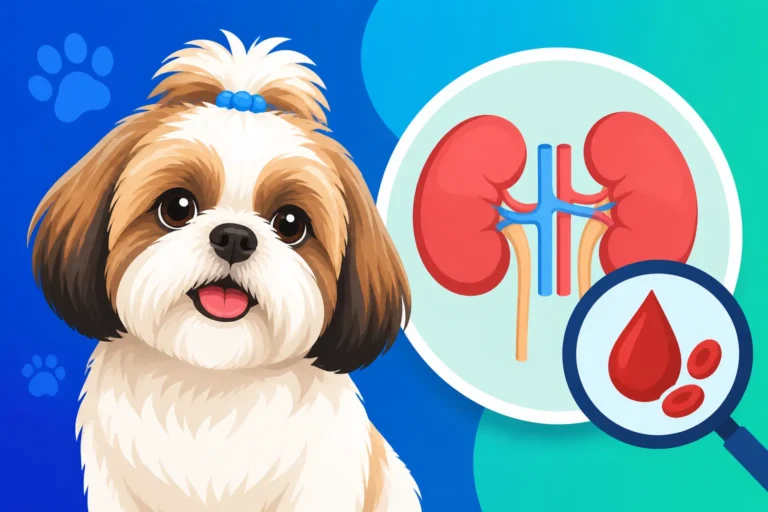
The foundation of a long, healthy life often begins long before your puppy ever waddles into your home. The practices of the breeder play an enormous role in determining a Shih Tzu's potential lifespan. Responsible breeders prioritize health, temperament, and genetic soundness above all else. They meticulously select breeding pairs to minimize the risk of passing on hereditary diseases that can shorten a dog's life or severely impact its quality. This involves extensive health testing, such as OFA certifications for hips and patellas, and eye clearances, which can prevent conditions like Renal Dysplasia and the Shih Tzu Kidney or severe eye issues.
On the flip side, irresponsible breeders, often found in puppy mills or backyard breeding operations, focus solely on profit. They might breed dogs indiscriminately, without regard for genetic health or potential predispositions to serious illnesses. Puppies from these environments are often more prone to congenital defects, chronic health issues, and a weaker immune system, all of which can significantly shorten their lives. It's a sad reality that cutting corners in breeding often leads to higher vet bills and heartbreak down the line. When seeking a new companion, always look for a breeder who is transparent about their health testing and practices. You can learn more about what to look for in a responsible breeder in our guide, Health Testing a Shih Tzu Breeder Should Do.
Comparing Shih Tzus to Other Breeds
It's interesting to consider where Shih Tzus stand in the grand scheme of canine lifespans. Generally speaking, smaller dog breeds tend to live longer than larger breeds. While a Great Dane might have an average lifespan of 7-10 years, many toy breeds, including Chihuahuas, Pomeranians, and Dachshunds, often live well into their teens, sometimes even reaching 20 years.
The Shih Tzu fits comfortably within this longer-living small breed category. However, they do come with their unique set of challenges that can influence their longevity. Their brachycephalic (flat-faced) structure, for example, makes them prone to respiratory issues, and their prominent eyes are susceptible to injury and disease. These breed-specific characteristics mean that while they have the potential for a long life, diligent care and attention to these particular vulnerabilities are crucial. It's not just about size; it's about understanding the specific needs and potential pitfalls associated with the breed you choose.
Major Health Concerns Affecting Shih Tzu Lifespan
While all dogs can face health challenges, Shih Tzus have certain predispositions due to their unique anatomy and genetics. Being aware of these common issues can help you be proactive in their care and potentially extend their healthy years.
Brachycephalic Syndrome and Respiratory Issues
The adorable flat face that defines the Shih Tzu breed is also the source of several significant health concerns, collectively known as Brachycephalic Obstructive Airway Syndrome (BOAS). This condition results from anatomical abnormalities such as narrowed nostrils (stenotic nares), an elongated soft palate, and a hypoplastic (narrow) trachea. These issues restrict airflow, making it difficult for your Shih Tzu to breathe efficiently, especially during exercise, stress, or in warm weather.
You might notice your Shih Tzu frequently snoring, snorting, or even struggling for breath. These aren't just cute quirks; they're indicators of a compromised respiratory system. This chronic strain on their breathing can lead to secondary heart problems over time, reducing their overall stamina and placing them at higher risk during anesthesia. They also struggle to cool themselves effectively through panting, which means they can overheat very quickly, a life-threatening emergency. Understanding these risks is paramount, and you can delve deeper into this topic by reading our detailed article on Brachycephalic Breathing in a Shih Tzu or The Elongated Soft Palate in a Shih Tzu. We also have a dedicated piece on Why a Shih Tzu Cannot Cool Itself Well that offers valuable insights into managing their heat sensitivity.
Dental Disease and Its Systemic Effects
Shih Tzus are unfortunately highly prone to dental disease, often starting at a surprisingly young age. Their small mouths are simply not designed to comfortably accommodate all 42 adult teeth, leading to severe crowding. This crowding creates nooks and crannies where food particles and bacteria thrive, quickly forming plaque and then hardening into tartar. Without regular dental care, this leads to gingivitis, periodontal disease, and eventually tooth loss.
The impact of dental disease goes far beyond bad breath or painful chewing. The bacteria from infected gums can enter the bloodstream and travel to major organs, including the heart, kidneys, and liver. This chronic low-grade infection can cause significant systemic inflammation and damage, leading to more serious conditions that can undeniably shorten your Shih Tzu's lifespan. We've dedicated a whole article to Shih Tzu Dental Disease at 13 Percent of the Breed because it's that prevalent and serious. Understanding How Dental Disease Weakens a Shih Tzu Jaw can also give you insight into the painful reality of untreated oral health issues. Regular brushing at home and professional dental cleanings at the vet are not just cosmetic; they are crucial components of preventative health care for your Shih Tzu.
Eye Problems and Vision Health
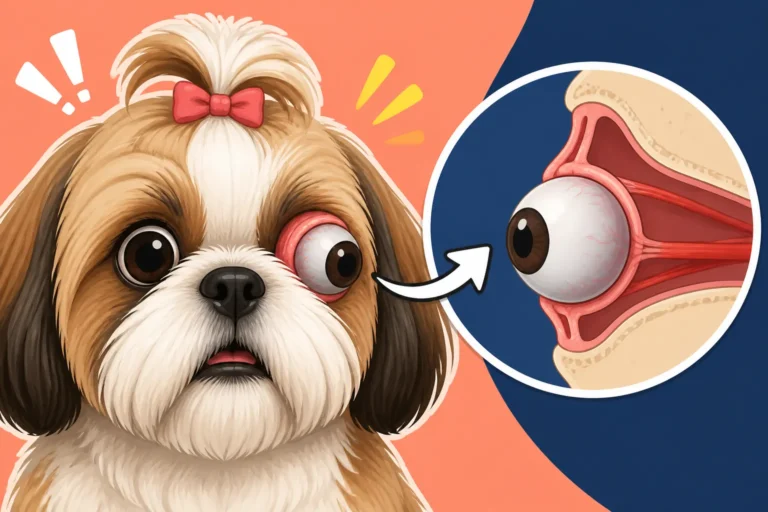
Those large, beautiful, and often bulging Shih Tzu eyes are unfortunately quite vulnerable. Their shallow eye sockets mean their eyes are more exposed and thus more susceptible to injuries, foreign objects, and conditions like proptosis, where the eyeball literally pops out of its socket. While a proptosis is a terrifying emergency, conditions like corneal ulcers (scratches or sores on the eye's surface), dry eye (keratoconjunctivitis sicca), and even ingrown eyelashes (entropion or distichiasis) are far more common.
These eye issues, while not always directly life-shortening, can lead to chronic pain, infections, and even blindness if left untreated. Severe, recurring infections can sometimes necessitate enucleation (eye removal) to prevent further suffering or the spread of infection. A dog in constant pain or with compromised vision will certainly have a diminished quality of life. Owners need to be vigilant about keeping the hair around their Shih Tzu's eyes trimmed and clean, and promptly seeking veterinary attention for any redness, discharge, or squinting. Our article on Shih Tzu Eye Proptosis, the Emergency Owners Miss highlights a critical emergency, while Shih Tzu Corneal Ulcers and Dry Eye covers more common, but equally important, eye conditions.
Lifestyle and Care: Maximizing Your Shih Tzu's Years
While genetics play a role, the daily care you provide your Shih Tzu is arguably the most significant factor in how long and how well they live. Your commitment to their health and happiness directly impacts their longevity.
Nutrition and Weight Management
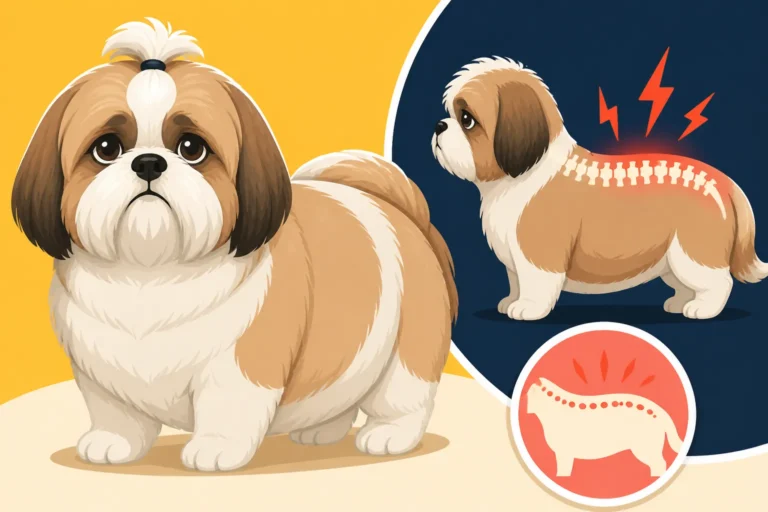
One of the simplest yet most profound ways to influence your Shih Tzu's lifespan is through proper nutrition and maintaining a healthy weight. Just like humans, dogs thrive on a balanced diet appropriate for their age, activity level, and any specific health needs. For a small breed like the Shih Tzu, even a couple of extra pounds can be detrimental. Imagine carrying a backpack filled with bricks all day – that's what those extra pounds feel like on their tiny joints, delicate spine, and internal organs.
Obesity exacerbates brachycephalic breathing issues, puts undue stress on their knees (prone to patellar luxation) and backs (prone to disc disease), and increases the risk of diabetes, heart disease, and certain cancers. It’s vital to feed a high-quality dog food, measure portions accurately, and be mindful of treats. While their puppy-dog eyes might beg for more, resisting the urge to overfeed is an act of love. Our article on Shih Tzu Obesity on a Sixteen Pound Frame delves into this, and you might be shocked to read What Two Extra Pounds Do to a Shih Tzu. Consult your vet for personalized dietary advice to ensure your Shih Tzu stays lean and healthy.
Regular Veterinary Care and Preventative Measures
Consistent and proactive veterinary care is the cornerstone of a long and healthy life for your Shih Tzu. This isn't just about reacting when they're sick; it's about preventing illness and catching potential problems early. Regular annual check-ups, even for seemingly healthy dogs, are essential. These visits allow your vet to monitor their weight, listen to their heart and lungs, check their teeth, and discuss any changes in behavior or health you might have noticed.
Vaccinations are crucial for protecting your Shih Tzu from common, often deadly, canine diseases. Similarly, consistent parasite prevention for fleas, ticks, and heartworms is vital, especially since many of these parasites can transmit serious illnesses. As your Shih Tzu enters their senior years, usually around age 8-10, these check-ups become even more critical. Comprehensive senior bloodwork can detect early signs of kidney disease, liver issues, or thyroid imbalances before they become outwardly apparent. You can find more specific advice in our guide to Senior Shih Tzu Care Past the Age of Ten.
The costs associated with preventative care and, inevitably, managing any health issues that arise, can add up quickly. This is where pet insurance can be a game-changer. Companies like Healthy Paws offer plans that can help cover unexpected accident and illness costs, allowing you to make medical decisions based on what's best for your Shih Tzu, not just your wallet. Having a good pet insurance policy can provide immense peace of mind, knowing that you're prepared for whatever medical needs your little one might face throughout their life.
Environment, Exercise, and Mental Stimulation
A Shih Tzu’s living environment and daily routine significantly impact their well-being and, consequently, their lifespan. Because of their brachycephalic nature, temperature regulation is critical. They are highly susceptible to heatstroke, even on moderately warm days, so strict avoidance of hot weather walks and ensuring a cool indoor environment are non-negotiable. Air conditioning in summer, cooling mats, and fans are often necessary tools. Conversely, while their double coat offers some protection, very cold, wet weather can also be challenging for them.
Appropriate exercise is another key factor. Shih Tzus are not endurance athletes; short, frequent walks are usually sufficient. Over-exertion can quickly lead to respiratory distress. Indoor playtime with toys, puzzle feeders, and short training sessions can provide both physical and mental stimulation without overtaxing their system. Mental stimulation is just as important as physical; a bored Shih Tzu can develop behavioral issues and may experience increased stress, which can impact overall health. Simple games, new toys, and interactive play keep their minds sharp and their spirits high. Creating a safe home environment, free from hazards they might ingest or fall from, also contributes to their long-term safety.
Understanding Individual Variation and Quality of Life
Every Shih Tzu is an individual, a unique little personality with their own quirks and needs. While we talk about averages and predispositions, it’s important to remember that these are guidelines, not absolutes.
Genetics vs. Environment
Think of genetics as laying the blueprint for a house. It dictates the fundamental structure, the potential strengths, and the inherent weaknesses. For a Shih Tzu, this blueprint includes their brachycephalic features, their double coat, and their predisposition to certain health conditions like dental disease or patellar luxation. A well-bred Shih Tzu comes with a strong, healthy blueprint, minimizing genetic health risks.
However, the environment and daily care you provide are like the construction and ongoing maintenance of that house. Even the most perfectly designed blueprint can lead to a dilapidated structure if the building materials are poor, or if it's neglected. Conversely, diligent care can shore up minor weaknesses and maximize the potential of even a slightly flawed blueprint. Your dog's diet, exercise, preventative veterinary care, mental enrichment, and even the emotional support they receive all contribute to how well their genetic potential is realized. It's a powerful combination: good genes provide a head start, but excellent care keeps them running the long race of life.
When a Shih Tzu Becomes an Old Dog
Just like people, Shih Tzus age, and the transition into their senior years, typically around age 10, brings with it a new set of considerations. You might notice subtle changes: a little less enthusiasm for walks, more naps, perhaps some cloudiness in their eyes, or a slight stiffening in their gait. These are normal signs of aging, but they also signal a need for adjustments in their care.
Senior Shih Tzus may require more frequent vet check-ups to monitor organ function, especially kidneys and heart. They might benefit from joint supplements or a senior-specific diet. Their grooming needs might change if they become less tolerant of standing for long periods. Ensuring their environment is comfortable and safe, perhaps with ramps to access furniture, is also crucial. It's a time for patience, empathy, and continued vigilance. Understanding When a Shih Tzu Becomes an Old Dog is the first step, and thinking about Deciding for a Shih Tzu at Fifteen can help you prepare for the deeply personal decisions that might arise in their twilight years.
The Role of Owner Commitment
Ultimately, the length and quality of your Shih Tzu's life largely rest in your hands. Your commitment as an owner is the single most powerful factor. This means more than just providing food and shelter; it means being proactive about their health, seeking veterinary advice for even minor concerns, committing to daily grooming, providing consistent training and socialization, and offering boundless love and companionship.
For a breed with specific needs like the Shih Tzu, this commitment is even more critical. It involves understanding their brachycephalic limitations, being vigilant about their dental health, and protecting their vulnerable eyes. It also means being prepared for potential health challenges and having a plan to address them, both emotionally and financially. For instance, knowing that pet insurance providers like Healthy Paws can alleviate the financial burden of unexpected surgeries or chronic disease management can empower you to provide the best possible care throughout their entire lifespan, making a tangible difference in both the quantity and quality of their precious years. Your dedication to their well-being ensures that they not only live a long life but a happy and comfortable one too.
Factors Influencing Shih Tzu Lifespan
| Factor | Impact on Lifespan | Owner's Role |
|---|---|---|
| Genetics/Breeding | Strongest foundational impact; determines predisposition to hereditary diseases. | Choose a responsible, health-testing breeder. |
| Diet & Weight | Significant impact; obesity shortens life, exacerbates health issues. | Provide balanced nutrition, measure food, avoid overfeeding, monitor weight. |
| Veterinary Care | Crucial for prevention, early detection, and treatment of illness. | Schedule regular check-ups, vaccinations, parasite prevention, senior screenings. Consider pet insurance. |
| Dental Health | Direct link to systemic health; poor dental care can lead to organ damage. | Daily toothbrushing, professional dental cleanings as needed. |
| Brachycephalic Issues | Impacts breathing, heat regulation, and cardiovascular health. | Manage exercise, avoid heat, be vigilant for breathing difficulties, consult vet on airway surgery if needed. |
| Eye Health | Can lead to pain, infection, vision loss; impacts quality of life. | Regular cleaning, hair trimming, prompt vet visits for any eye issues. |
| Exercise & Environment | Proper exercise maintains health; unsuitable environment causes stress/danger. | Provide short, safe walks; ensure cool environment; mental stimulation; safety-proof home. |
| Emotional Well-being | Stress and neglect can weaken immune system and overall health. | Provide love, companionship, consistent routine, and a stimulating home. |
Disclaimer
The information provided in this article is for general informational purposes only and is not intended as a substitute for professional veterinary advice. Always consult with a qualified veterinarian regarding any health concerns or before making any decisions about your Shih Tzu's care, diet, or treatment.