What a Shih Tzu Policy Refuses to Touch
It’s a truly disheartening moment when you realize your beloved Shih Tzu needs significant veterinary care, only to discover that the pet insurance policy you’ve faithfully paid for won’t cover a large portion of the bill. Many Shih Tzu owners, myself included, have faced this frustrating reality, feeling caught off guard by clauses and exclusions we didn't fully understand. This guide is here to unravel the complexities of pet insurance for our unique flat-faced companions, detailing exactly what a standard Shih Tzu policy often refuses to touch so you can make informed decisions and avoid unwelcome surprises.
The Frustration of Pet Insurance Exclusions
Pet insurance can be a lifesaver, offering peace of mind when unexpected accidents or illnesses strike. However, the world of insurance is rarely black and white, and many policies come with a list of exclusions that can leave pet parents feeling confused and, frankly, ripped off. For Shih Tzu owners, understanding these limitations is even more crucial because our breed has a distinct set of health predispositions that insurers view differently. It's not about denying care, but about understanding the financial boundaries so you can plan effectively for your furry friend's well-being.
Understanding the 'Pre-Existing Condition' Clause
Perhaps the most common and often misunderstood exclusion in pet insurance policies revolves around "pre-existing conditions." Simply put, if your Shih Tzu had a health issue before you enrolled them in a policy, or before the policy's waiting period ended, that condition (and any related ailments) will likely not be covered. This isn't unique to Shih Tzus, of course, but for a breed known for specific health challenges, it becomes a huge sticking point. Imagine you adopt an adorable Shih Tzu puppy who, unbeknownst to you, has a tiny umbilical hernia. If you then enroll in pet insurance and later need surgery for that hernia, it will almost certainly be classified as pre-existing and excluded from coverage.
The tricky part is how insurers define "pre-existing." It's not just about a formal diagnosis. If your vet notes even subtle signs of a condition in your Shih Tzu's medical records before your policy starts or before the waiting period is over, it can be flagged. For example, if your Shih Tzu has early signs of arthritis in their knees at their first vet visit, and you get insurance a month later, future patellar luxation treatments might be deemed pre-existing. It’s a bitter pill to swallow when you thought you were doing the right thing by getting coverage, only to find the condition that needed help was already on the books. This is why enrolling a young, healthy Shih Tzu as early as possible is so often recommended.
Waiting Periods and Their Impact
Another critical aspect of pet insurance that often catches owners by surprise is the waiting period. This is the amount of time that must pass after you purchase your policy before certain conditions become eligible for coverage. Most policies have a standard waiting period for accidents (often just a few days) and illnesses (typically 14-30 days). However, many insurers, including those like Healthy Paws, impose longer waiting periods, sometimes 6 to 12 months, for orthopedic conditions such as hip dysplasia or patellar luxation, which are common in toy breeds like Shih Tzus.
This can be incredibly frustrating. Imagine bringing home your new Shih Tzu puppy, getting them insured immediately, and then a month later they suddenly start limping, only for the vet to diagnose patellar luxation. Even though it's a new development, if it falls within that extended orthopedic waiting period, you're looking at significant out-of-pocket costs for diagnostics and potential surgery. These waiting periods are designed to prevent people from buying insurance only after their pet is already sick or injured, but they can feel like a cruel obstacle when you genuinely face an unexpected issue shortly after enrollment. Always check these waiting periods carefully, especially for conditions your Shih Tzu might be predisposed to.
Breed-Specific Challenges Not Always Covered
Shih Tzus are undeniably adorable with their flat faces and big, beautiful eyes, but these very characteristics come with a unique set of health challenges. Unfortunately, pet insurance policies can be quite particular about covering conditions directly related to a breed's conformation, especially if they are deemed "congenital" or "hereditary." It's a tough reality that often leaves Shih Tzu parents feeling penalized for the very traits that make their dogs so endearing.
Brachycephalic Syndrome: A Common Exclusion
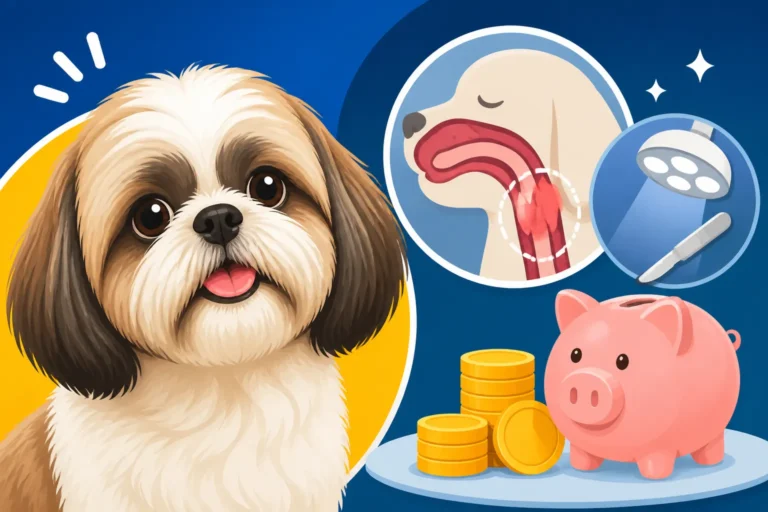
Brachycephalic obstructive airway syndrome (BOAS) is a collection of anatomical abnormalities common in flat-faced breeds like Shih Tzus. This can include stenotic nares (narrow nostrils), an elongated soft palate, a hypoplastic trachea (small windpipe), and everted laryngeal saccules. These conditions make it hard for a Shih Tzu to breathe, often leading to that distinctive snoring that means a Shih Tzu airway problem, or even more alarming, reverse sneezes and heat intolerance. Surgical correction for these issues, like widening the nostrils or trimming the soft palate, can dramatically improve a Shih Tzu's quality of life but can also be incredibly expensive.
Here’s the rub: many pet insurance policies will categorize BOAS as a congenital or hereditary condition. If your Shih Tzu shows signs of these issues at any point before or during the waiting period, even subtle ones like noisy breathing or snoring, it might be deemed pre-existing and excluded from coverage. Some policies might outright exclude brachycephalic conditions if they're considered a normal part of the breed's anatomy, or only cover them if you specifically purchased an expensive add-on. This is a huge financial hurdle for many Shih Tzu owners, as airway issues are so prevalent and can become life-threatening if left untreated. Always clarify how a prospective insurer handles brachycephalic conditions before signing up.
Eye Conditions: A Complex Area
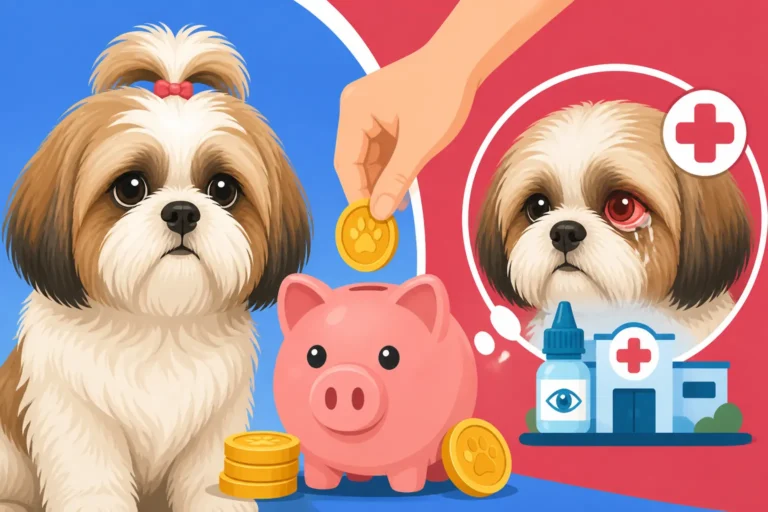
Our Shih Tzus’ beautiful, prominent eyes are another source of potential joy and, unfortunately, common health issues. Due to their shallow eye sockets and large eyes, Shih Tzus are prone to conditions like Shih Tzu Eye Proptosis, where the eyeball pops out of its socket, or persistent corneal ulcers from insufficient eyelid coverage or hair irritation. Chronic dry eye (keratoconjunctivitis sicca) is also very common, often requiring lifelong daily drops.
The challenge with insurance lies in whether these conditions are considered pre-existing, or if the breed's conformation (those lovely bulging eyes) is seen as an underlying cause that leads to exclusion. If your Shih Tzu has a history of tear staining, discharge, or even minor eye irritation before enrollment, a new corneal ulcer might be denied as a pre-existing condition. Lifelong medications for chronic dry eye may also be excluded if the condition was noted before policy activation. It’s worth noting that some policies, while covering acute eye injuries, might refuse ongoing treatment for chronic conditions directly linked to the breed's unique eye structure, leaving you to cover the considerable costs of specialized ophthalmic care or daily drops.
Routine Care and Preventative Measures
While pet insurance is invaluable for unexpected accidents and illnesses, it's crucial to understand that it’s not designed to cover every single veterinary expense. Many Shih Tzu owners, especially new ones, often mistakenly believe their policy will take care of all their dog's needs, only to discover a separate category of care that remains their financial responsibility. This distinction is important for budgeting and choosing the right type of coverage for your fluffy companion.
Wellness Plans vs. Accident & Illness Policies
The vast majority of pet insurance policies are categorized as "accident and illness" plans. These are fantastic for unforeseen events like a sudden illness, an allergic reaction, or a broken bone from an unfortunate tumble. However, they explicitly do not cover routine, predictable veterinary care. This means your Shih Tzu's annual check-ups, vaccinations (like those listed in Shih Tzu Vaccination and Toy Breed Reactions), flea and heartworm preventatives, and routine blood work are typically out-of-pocket expenses.
This is where "wellness plans" come into play. Some insurance providers, or even third-party companies, offer separate wellness packages that can be added to an accident and illness policy, or purchased independently. These plans are designed to help with the costs of routine care, often providing a set allowance or reimbursement for things like annual exams, basic diagnostics, and preventative medications. For example, providers like Chewy might offer different wellness options that cover these predictable costs, helping you budget for the ongoing care that keeps your Shih Tzu healthy. It’s vital to understand which type of plan you have, as conflating the two can lead to significant financial surprises.
Grooming and Dental Cleanings: Often an Out-of-Pocket Expense
For Shih Tzu owners, grooming isn't just about aesthetics; it's a critical health necessity. Their glorious double coats require diligent care to prevent painful matting that can lead to skin infections and discomfort. Despite this, professional grooming, which can cost anywhere from Shih Tzu Grooming at $500 to $1,080 a Year annually, is almost universally excluded from standard pet insurance policies. Whether your Shih Tzu needs a basic bath and trim or a full dematting, these services fall outside the scope of accident and illness coverage. While some advanced wellness plans might offer a small allowance towards grooming, it’s not common.
Similarly, routine dental cleanings are a significant area of exclusion. Shih Tzus are notoriously prone to dental disease due to their crowded mouths. Regular professional cleanings are essential, often needing to happen as frequently as outlined in How Often a Shih Tzu Needs a Dental. However, if your Shih Tzu goes in for a standard scale and polish without extractions or treatment for an acute infection, most accident and illness policies will not cover it. They will typically cover dental extractions or treatment for oral injuries resulting from an accident, but the preventative cleaning itself is usually excluded. This means budgeting for your Shih Tzu's dental health is a crucial, ongoing responsibility separate from your insurance plan.
Behavioral Issues and Training Costs
Bringing a Shih Tzu into your home is a joy, but it also comes with the responsibility of addressing their unique personality and potential behavioral quirks. While we adore their spirited nature, sometimes these traits can manifest as challenging behaviors that require professional intervention. Unfortunately, when it comes to financial assistance for these issues, pet insurance often falls short, leaving owners to bear the full cost of training and modification.
Training and Behavioral Modification Not Covered
Shih Tzus are smart, but they can also be notoriously stubborn, making house training a challenge that often runs into months. They might also develop anxiety, excessive barking, or resource guarding. When these issues arise, seeking help from a certified professional dog trainer or a veterinary behaviorist can be incredibly beneficial. However, the costs associated with puppy classes, private training sessions, or specialized behavioral consultations are almost never covered by standard pet insurance policies.
This can be a huge frustration for owners trying their best to raise a well-adjusted Shih Tzu. You might be struggling with a Shih Tzu that will not give things up or one that constantly barks at the window, requiring consistent training to manage. While these issues directly impact your dog's well-being and your household's harmony, insurers typically view them as owner responsibilities or elective training, rather than medical necessities. So, while you might find fantastic resources for Why House Training a Shih Tzu Runs Into Months or dealing with Shih Tzu Stubbornness and What It Really Is, be prepared to pay for these valuable services out of your own pocket.
Diet and Supplements Exclusions
Just like with humans, diet and nutritional supplements play a huge role in a Shih Tzu's overall health. From prescription diets formulated for kidney disease or food allergies to daily joint supplements for an aging back, these can be crucial components of your dog’s care regimen. Yet, most pet insurance policies do not cover the cost of these specialized foods or supplements.
For a Shih Tzu with kidney issues, for instance, a veterinary-prescribed renal diet can make a significant difference in managing the disease, as explored in articles like Kidney Diets for a Shih Tzu. Similarly, Joint Support for a Shih Tzu Back and Knees might be recommended to help manage age-related arthritis or to support a Shih Tzu prone to disc problems. While these are medically recommended, they are rarely covered. Some insurers might make exceptions for specific therapeutic diets used for a short period as part of a covered treatment plan, but ongoing prescription food or daily supplements are generally excluded. Even fresh food subscription services like Ollie, while providing excellent nutrition, are considered a regular expense and not eligible for insurance reimbursement.
Hereditary and Congenital Conditions: A Grey Area
The world of pet insurance and its handling of hereditary and congenital conditions is perhaps one of the most confusing and often contentious areas for breed-specific owners. For Shih Tzus, who come with a genetic predisposition to several health issues, navigating this grey area is absolutely essential. It’s not always a straightforward yes or no answer, and the devil is truly in the details of each individual policy.
Navigating Genetic Predispositions
Many Shih Tzu parents are acutely aware that their beloved dogs are predisposed to certain conditions, such as patellar luxation, a common knee issue detailed in Patellar Luxation in a Shih Tzu, or the serious kidney condition known as Renal Dysplasia and the Shih Tzu Kidney. There are also breed-specific heart issues, like those leading to Shih Tzu Heart Murmurs and Valve Disease. The good news is that many pet insurance policies will cover hereditary or congenital conditions, provided they are not pre-existing. This is a critical distinction.
If your Shih Tzu is diagnosed with patellar luxation or a heart murmur after your policy's waiting periods have passed and there's no prior indication in their medical records, then the associated veterinary costs are usually covered. The challenge arises when these conditions are already present or showing signs before you enroll or during the waiting period. Insurers use veterinary records to determine if a condition could reasonably be considered pre-existing, even if it wasn't formally diagnosed. This means a subtle limp noted in a puppy health check, or a fleeting murmur mentioned in passing by a vet, could potentially lead to a future exclusion. This highlights the importance of thorough health testing from breeders, like those mentioned in Health Testing a Shih Tzu Breeder Should Do, and getting your Shih Tzu insured as young as possible.
"Curable" vs. "Incurable" Pre-Existing Conditions
In a glimmer of hope for some pre-existing conditions, a few pet insurance providers offer a distinction between "curable" and "incurable" pre-existing conditions. This is a crucial nuance that many Shih Tzu owners might not be aware of. An incurable pre-existing condition, such as chronic kidney disease or a lifelong condition like severe dry eye, will almost certainly remain excluded for the life of the policy if it was present before coverage began.
However, some policies (it varies widely by provider, so always check!) might re-evaluate curable pre-existing conditions. For example, if your Shih Tzu had a single urinary tract infection or a mild ear infection in the past, and has gone a significant period (often 6 to 12 months, or sometimes even longer) without any recurrence or symptoms, some insurers might then consider that condition eligible for coverage if it reappears in the future. This is a lifeline for conditions like Shih Tzu Bladder Stones and Urinary Problems if they were a one-off event. It doesn't apply to chronic, ongoing issues, but it offers a small window of possibility for isolated past problems. Understanding this distinction can be immensely valuable, especially if you adopted an adult Shih Tzu with a patchy medical history. It truly pays to read your policy's terms and conditions carefully and ask your insurer specific questions about these clauses before you commit.
Important Policy Comparison for Shih Tzu Owners
To help clarify some common Shih Tzu-related expenses and how they typically fall under pet insurance coverage, here's a helpful table. Remember, policies vary significantly, so this is a general guide, and you should always consult potential providers for their specific terms.
| Condition/Expense | Typically Covered by Accident & Illness (A&I) | Typically Covered by Wellness Plans (WP) | Common Exclusions/Considerations for A&I |
|---|---|---|---|
| Accidents (e.g., broken leg) | Yes (after waiting period) | No | Self-inflicted injuries, pre-existing conditions, intentional harm. |
| Illnesses (e.g., ear infection) | Yes (after waiting period) | No | Pre-existing conditions, elective procedures. |
| Brachycephalic Syndrome Surgery | Sometimes, depends on policy & pre-existing status | No | Often excluded if diagnosed before enrollment, within waiting period, or as a breed exclusion. |
| Eye Proptosis (emergency) | Yes (if not pre-existing) | No | Pre-existing proptosis, conditions related to breed conformation, chronic dry eye (if pre-existing). |
| Patellar Luxation (surgery) | Yes (if not pre-existing & after orthopedic waiting period) | No | Pre-existing lameness/diagnosis, often has a longer orthopedic waiting period (6-12 months). |
| Routine Dental Cleanings | No | Yes (partial/full contribution) | No accident/illness present; considered preventative. |
| Tooth Extractions (due to disease/injury) | Yes (if related to covered illness/injury, not routine) | No | Routine dental care, pre-existing dental disease, cosmetic extractions. |
| Vaccinations | No | Yes | N/A |
| Spay/Neuter | No | Yes (often limited to certain age/conditions) | N/A |
| Prescription Diets | No | No | Not considered a medical treatment, usually. Some might cover for short-term acute illness. |
| Supplements (e.g., joint support) | No | No | Not considered a medical treatment. |
| Behavioral Training | No | No | Considered elective or owner responsibility. |
| Professional Grooming | No | No | Considered elective or routine care. |
| Preventative Medications (flea/heartworm) | No | Yes | N/A |
| Hereditary Conditions (e.g., Renal Dysplasia) | Yes (if not pre-existing & after waiting period) | No | If diagnosed or showing signs before enrollment. |
Disclaimer
This article is for general informational purposes only and does not constitute professional advice. Laws, prices and regulations vary by location and change over time. Consult a qualified professional for guidance on your specific situation.