Gum Recession in a Shih Tzu
It’s a heart-sinking moment for many Shih Tzu parents when they realize something isn't quite right with their furry friend's smile. You might notice a bit of redness along the gum line, or perhaps a tooth seems just a little longer than it used to. These subtle changes can often be early warning signs of gum recession, a frustratingly common and often painful issue for our beloved flat-faced companions. This comprehensive guide is here to walk you through what gum recession means for your Shih Tzu, how to spot it, and crucially, what steps you can take to protect their precious pearly whites.
Understanding Gum Recession in Shih Tzus
Discovering that your sweet Shih Tzu has issues with their gums can be really alarming. You might have thought you were doing everything right, and yet, here's another health concern to navigate. Gum recession isn't just an aesthetic problem; it's a serious indicator of underlying dental disease that can cause significant pain and lead to even bigger health complications if left unaddressed. It’s a battle many Shih Tzu owners face, and understanding it is the first step towards winning.
What Exactly is Gum Recession?
At its simplest, gum recession is when the gum tissue surrounding a tooth pulls back or wears away, exposing more of the tooth's root. Normally, healthy pink gum tissue tightly hugs the base of each tooth, protecting the delicate roots beneath. When this tissue recedes, the exposed root surface becomes vulnerable to decay, sensitivity, and further bacterial accumulation. Imagine your own gums pulling away from your teeth – it’s not only uncomfortable but also puts the foundation of your teeth at risk. For our little Shih Tzus, who rely so much on their mouths for everything from eating to playing, this can be incredibly distressing.
This condition is particularly concerning for Shih Tzus because their unique oral anatomy already predisposes them to a host of dental challenges. Their compact jaws, combined with a full set of teeth designed for a much larger mouth, create a crowded environment where gum recession can easily take hold. You might first notice it as a slightly darker area where the gum used to meet the tooth, or a tooth that just appears longer. Sometimes, it’s not until your vet points it out during a routine check-up that you even realize what’s happening, and by then, it might have progressed further than you'd like.
The exposed roots don't have the same protective enamel as the crown of the tooth, making them much more susceptible to damage. This can lead to increased sensitivity, especially to hot or cold foods, and can make even gentle brushing a painful experience for your pup. It's a progressive condition, meaning it often starts subtly and worsens over time if no interventions are made. The initial stages might just look like a little inflammation, but without action, those gums will continue their retreat, laying bare more and more of the vulnerable tooth structure.
Why Shih Tzus Are So Prone to This Problem
It sometimes feels like Shih Tzus were custom-designed to have dental issues, doesn't it? While they are undeniably adorable, their brachycephalic (flat-faced) structure and tiny jaws create a perfect storm for gum recession and other oral health problems. It's not just bad luck; it's a direct consequence of their breed characteristics. Understanding these inherent predispositions can help you be more vigilant and proactive about their dental care.
One of the primary culprits is the sheer amount of Shih Tzu Tooth Crowding in a Tiny Jaw. Imagine trying to fit 42 adult human teeth into a mouth the size of a doll's – that's essentially what a Shih Tzu's mouth contends with. This overcrowding means teeth are often rotated, misaligned, or even overlapping. These tight spaces become perfect traps for food particles, plaque, and bacteria, creating an environment where inflammation thrives. Even with the best intentions for home brushing, it's incredibly difficult to reach all surfaces effectively when the teeth are so tightly packed together.
Furthermore, the characteristic undershot bite of many Shih Tzus (where the lower jaw extends beyond the upper jaw) can also contribute to dental issues. While adorable, this bite structure can lead to abnormal wear on certain teeth and create areas where gum tissue is constantly irritated or exposed to greater mechanical stress. This consistent irritation can weaken the gum's attachment to the tooth, paving the way for recession. It’s not just about what they eat, but the very way their mouth is structured that creates these challenges.
Beyond the structural issues, Shih Tzus, like many toy breeds, are genetically predisposed to developing dental disease at an accelerated rate. This means that plaque and tartar can accumulate faster and progress to Periodontal Disease in a Five Year Old Shih Tzu much quicker than in other breeds. It’s an uphill battle, but one that diligent owners can certainly manage with the right knowledge and tools. This combination of genetic predisposition and unique anatomy makes gum recession not just a possibility, but almost an inevitability for many Shih Tzus without dedicated preventative care.
Spotting the Early Signs of Gum Recession
It can be really tough to know what to look for, especially with a dog that’s always got a fluffy beard and is not exactly thrilled about having their mouth examined. But early detection is absolutely key when it comes to gum recession. The sooner you catch it, the more effective interventions can be, and the less discomfort your precious pup will have to endure. It takes a keen eye and a bit of bravery to peek past that cute face, but your Shih Tzu will thank you for it.
Visual Cues and What to Look For
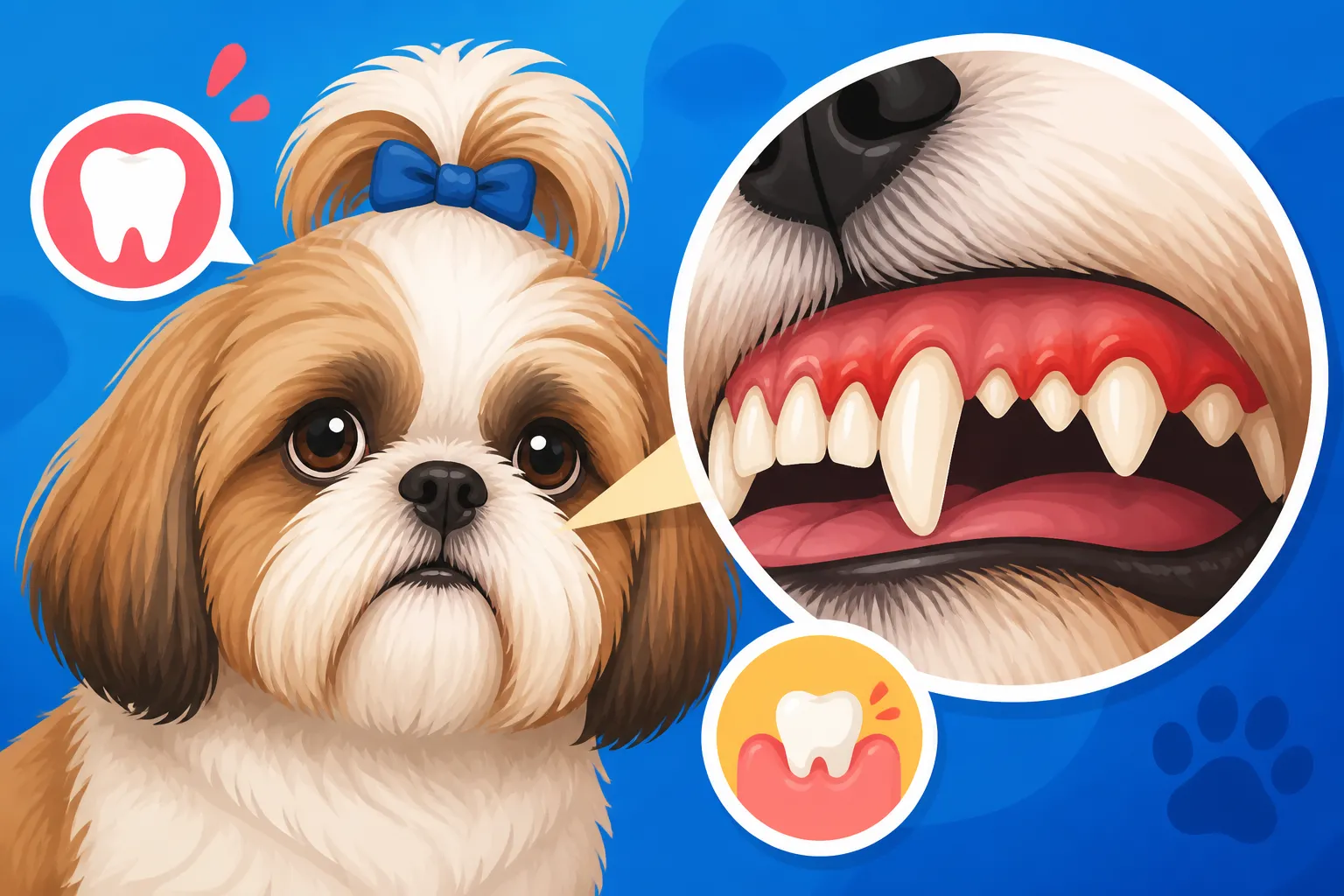
The most direct way to spot gum recession is through visual inspection, though it often requires lifting that furry lip and getting a good look. What you’re aiming to see is healthy, pale pink gum tissue that fits snugly around each tooth, without any redness or swelling. If you start noticing teeth that appear "longer" than they once did, it’s a big red flag. This isn't because the tooth is growing, but because the gum line has pulled back, exposing more of the root surface that was previously covered.
Another significant visual cue is any redness, swelling, or bleeding along the gum line. Healthy gums don't bleed when touched or brushed. If you see even a speck of blood when you're attempting to brush their teeth or when they're chewing on a toy, it’s a sign of inflammation, which often accompanies the early stages of gum recession. You might also notice a darkening of the gum tissue in certain areas, moving from a healthy pink to a deeper red or even purple hue, indicating significant irritation and bacterial infection.
Don't forget to look for tartar buildup, too. This hard, brownish-yellow crust on the tooth surface is a breeding ground for bacteria that irritate the gums and directly contribute to recession. It often starts subtly, as a thin film, but can quickly become quite extensive, especially on the back molars or canine teeth. While Tartar on Shih Tzu Teeth Before Age Three is common, it's a clear precursor to more serious issues like gum recession. Being vigilant with daily checks – perhaps during a cuddly evening session – can make all the difference in catching these signs early.
Behavioral Changes and Other Indicators
Sometimes, your Shih Tzu might not be keen on showing you their mouth, but their behavior can speak volumes. If your previously enthusiastic eater suddenly seems hesitant to crunch their favorite kibble or chew their dental stick, it could be due to dental pain caused by receding gums and exposed, sensitive tooth roots. They might start dropping food more often, or favor one side of their mouth when chewing, trying to avoid the painful areas. This change in eating habits is a huge indicator that something is amiss internally.
A very common, and often overlooked, sign of dental trouble is bad breath, or halitosis. Now, no dog has minty fresh breath, but a truly foul, strong odor emanating from your Shih Tzu’s mouth is not normal. This isn't just "dog breath"; it's usually a clear signal of bacterial overgrowth from plaque and tartar, which directly contribute to gum inflammation and recession. While many owners just accept "dog breath" as a fact of life, it's actually one of the clearest signs of Periodontal Disease in a Five Year Old Shih Tzu. You might even notice Breath From a Shih Tzu Beard Against Its Teeth becoming more pungent.
Beyond eating and breath, watch for changes in their overall demeanor. A Shih Tzu in pain might become more withdrawn, less playful, or even grumpy when approached, especially if you accidentally touch their sensitive muzzle. They might paw at their mouth, rub their face on the carpet, or become more irritable during grooming sessions around their face. If you notice your sweet, happy-go-lucky pup suddenly acting out of character, especially in ways that relate to their mouth or face, it’s always best to get them checked out by your vet. These subtle shifts in behavior are their way of telling you they’re hurting.
Managing and Preventing Further Recession
Once you’ve identified gum recession, or even if you’re just worried about its onset, the good news is that there are definite steps you can take. It’s not a lost cause! The key is a multi-faceted approach that combines professional veterinary care with consistent, dedicated efforts at home. It truly is a partnership between you and your vet to ensure your Shih Tzu's oral health.
The Role of Professional Dental Care
Let's be realistic: while home care is vital, you can't fix significant gum recession or advanced dental disease with a toothbrush alone. Professional dental cleanings under anesthesia are often the cornerstone of managing and preventing further recession. Your vet can perform a thorough examination, scale away hardened plaque and tartar both above and below the gum line, and polish the tooth surfaces to make them less hospitable for future plaque accumulation. This is crucial because bacteria hiding under the gum line are the biggest culprits in gum recession and bone loss.
During these professional cleanings, your vet will also take dental X-rays. This is incredibly important because gum recession often indicates bone loss around the tooth roots, and X-rays are the only way to truly assess the extent of this damage. They can also identify issues like abscesses, impacted teeth, or deep pockets that are invisible to the naked eye. Depending on the findings, your vet might recommend advanced treatments, such as guided tissue regeneration or even extractions of severely affected teeth to prevent further spread of infection and pain. How Often a Shih Tzu Needs a Dental will depend on their individual health, but many Shih Tzus benefit from annual or bi-annual cleanings.
It’s completely understandable to be concerned about putting a flat-faced breed like a Shih Tzu under anesthesia. Their unique airway anatomy means they do carry a slightly higher risk. However, modern veterinary practices are well-equipped to manage these risks. Your vet will likely recommend Pre-Anesthetic Testing Before a Shih Tzu Dental, including blood work, to ensure your Shih Tzu is a good candidate for the procedure. They'll also use specialized protocols for Anesthesia on a Flat-Faced Shih Tzu, such as intubation, careful monitoring of vital signs, and recovery in a warm, quiet environment. The benefits of a healthy, pain-free mouth almost always outweigh the carefully managed anesthetic risks.
The costs associated with professional dental care, especially when extractions or advanced procedures are needed, can be substantial. This is where pet insurance can truly offer peace of mind. Companies like Healthy Paws are designed to help alleviate the financial burden of unexpected veterinary bills, including comprehensive dental treatments for non-pre-existing conditions. Having a policy from a provider like Healthy Paws can mean you don't have to make tough decisions based on cost when your Shih Tzu needs critical dental care to prevent further gum recession and pain.
Daily Home Care Practices
The absolute best way to keep gum recession at bay, once professional cleanings have addressed existing issues, is through consistent daily home care. Yes, it can be a chore, and your Shih Tzu might not be thrilled about it, but it truly makes a monumental difference. Think of it like brushing your own teeth – it’s a non-negotiable part of maintaining oral hygiene.
The gold standard for home dental care is daily toothbrushing. This might sound daunting, but with patience and positive reinforcement, most Shih Tzus can learn to tolerate it. Use a soft-bristled toothbrush designed for dogs or even a finger brush, along with a dog-specific enzymatic toothpaste (never human toothpaste, as it contains xylitol and fluoride which are toxic to dogs). Focus on the outer surfaces of the teeth, as these are where plaque tends to accumulate most. Start slowly, perhaps just a few teeth at a time, and always follow with praise and a small, healthy treat. For a detailed guide, check out Daily Toothbrushing in a Crowded Shih Tzu Jaw.
Beyond brushing, there are other supportive measures you can employ. Dental chews and treats specifically designed to reduce plaque and tartar can be beneficial, but choose wisely. Look for products that are approved by the Veterinary Oral Health Council (VOHC) for proven efficacy. Ensure they are appropriate for your Shih Tzu's size and chewing style to prevent choking or tooth fractures. Water additives can also offer a mild antiseptic effect in the drinking water, helping to reduce bacteria in the mouth.
Consistency is really the magic word here. A quick brush every single day is far more effective than a lengthy session once a week. Incorporate it into your daily routine, perhaps after their last meal or before bedtime. Make it a calm, positive experience with lots of praise, and your Shih Tzu will eventually associate it with pleasant interaction, even if they're not thrilled about the brush itself. Remember, every little bit helps in the battle against gum disease and recession.
Dietary Considerations
What your Shih Tzu eats plays a surprisingly significant role in their dental health, affecting both the rate of plaque accumulation and the health of their gum tissue. It’s not just about brushing; it’s about nourishing their body, including their mouth. Making smart choices here can complement your other prevention efforts.
When it comes to kibble, the size and texture can make a difference. Some believe that crunchy kibble helps to mechanically clean the teeth, but this effect is often minimal, particularly with the crowded teeth of a Shih Tzu. However, there are prescription dental diets available through your veterinarian that are specifically designed with a unique kibble structure to encourage a scrubbing action and with special ingredients to reduce plaque buildup on the tooth surface. These can be a fantastic option, especially for Shih Tzus prone to rapid tartar accumulation or those who simply won't tolerate brushing.
Wet food, while often more palatable, generally offers no dental benefits and can sometimes contribute to food particles clinging to teeth more easily, especially in a crowded mouth. If your Shih Tzu is on a wet food diet, daily brushing becomes even more critical. Ultimately, the best diet is one that meets their nutritional needs, maintains a healthy weight, and ideally supports dental health. Discuss dietary options with your vet to find the best fit for your individual Shih Tzu, especially if they have existing gum recession or other dental issues.
Beyond their regular meals, be mindful of treats. Sugary or sticky treats can contribute to plaque formation. Opt for healthy, low-sugar treats, and consider the size and hardness. Too-hard chews can actually fracture teeth, especially if there's existing dental weakness. Human foods like grapes, chocolate, and onions are obvious no-gos, but even seemingly innocuous table scraps can upset their digestive system and contribute to dental problems. Sticking to a veterinarian-approved diet and treats helps ensure your Shih Tzu's overall health, including their delicate gums.
When Recession Leads to More Serious Issues
Gum recession isn't just a standalone problem; it's often a domino falling in a much larger chain reaction of oral health deterioration. Ignoring it can lead to a cascade of painful and potentially life-threatening complications for your Shih Tzu. Understanding these downstream effects can really drive home the importance of early intervention.
The Progression to Periodontal Disease and Tooth Loss
Gum recession is frequently a clear sign that periodontal disease is already underway or rapidly progressing. When gums recede, they expose the tooth roots, which are less protected and more vulnerable to the bacteria teeming in the mouth. These bacteria, along with food debris, invade the pockets that form between the receding gum and the tooth surface. This creates a perfect environment for infection and inflammation to fester, deepening the pockets and further destroying the supporting structures of the tooth.
As the infection deepens, it begins to erode the bone that anchors the teeth in the jaw. This bone loss is irreversible and is the primary reason teeth eventually become loose and fall out or need to be extracted. You might not see it happening from the outside, but inside your Shih Tzu’s mouth, the very foundation of their teeth is being eaten away. Eventually, the affected teeth can become extremely painful, making eating a misery. When teeth are beyond saving, Shih Tzu Tooth Extractions and Eating After become necessary to alleviate pain and prevent the spread of infection. This is a common outcome when gum recession is allowed to advance unchecked.
In severe cases, the chronic infection can lead to abscesses – painful pockets of pus that form at the tooth root. These abscesses can even cause facial swelling, drain through the skin below the eye, or lead to jawbone infections. The jaw of a Shih Tzu is already tiny and relatively fragile, and severe dental disease, particularly bone loss associated with recession, can significantly weaken it. In extreme circumstances, the jaw can even fracture spontaneously, especially if How Dental Disease Weakens a Shih Tzu Jaw has progressed significantly. It's a truly heartbreaking situation, all stemming from what might have started as simple gum inflammation.
Systemic Health Impacts
It’s easy to think of dental problems as "just a mouth issue," but for your Shih Tzu, the reality is far more serious. The chronic infection and inflammation in their mouth, evidenced by gum recession, don't stay confined to the oral cavity. The bacteria from severe periodontal disease can enter the bloodstream and travel to major organs, where they can cause significant damage. This is a well-established link in veterinary medicine, and it's something every Shih Tzu owner needs to be aware of.
These bacteria can impact the heart, leading to infections on the heart valves (endocarditis). They can also put a strain on the kidneys and liver, potentially contributing to or exacerbating chronic diseases in these vital organs. So, while you might be focused on their teeth, the truth is that neglecting gum recession can quietly undermine your Shih Tzu's overall health and shorten their lifespan. This is why veterinarians are so insistent on good dental hygiene; it's not just about their teeth, it's about their entire well-being. Keeping an eye on things like Shih Tzu Kidney Values on Routine Bloodwork can sometimes reveal early indicators of systemic stress related to chronic infections.
For any Shih Tzu owner, the thought of their beloved companion suffering from such widespread health issues is terrifying. This highlights the critical importance of a proactive approach to dental care. Regular veterinary check-ups, even if you’re diligently brushing at home, are essential for early detection and intervention. Investing in preventative care now can save your Shih Tzu from significant pain and expensive treatments down the road. Pet insurance, like a comprehensive plan from Healthy Paws, can be an invaluable resource, helping to cover the costs of not just dental procedures, but also the treatment of any related systemic conditions that might arise from advanced dental disease. It’s a safety net for both their oral and overall health.
Disclaimer
This article is for general informational purposes only and does not constitute professional advice. Laws, prices and regulations vary by location and change over time. Consult a qualified professional for guidance on your specific situation.