Retained Puppy Teeth in a Shih Tzu
It’s a common scenario that catches many new Shih Tzu parents by surprise: you’re admiring your adorable puppy’s growing grin, only to notice something isn't quite right. Instead of a neat row of adult teeth replacing the baby ones, you might see two teeth trying to occupy the same spot, or a stubborn baby tooth simply refusing to budge. This can be more than just a cosmetic concern; retained puppy teeth can lead to a host of dental and health problems for your furry companion. This comprehensive guide will walk you through everything you need to know about retained puppy teeth in Shih Tzus, from why they happen to how to ensure your pup's mouth stays healthy.
Understanding Normal Tooth Eruption in Shih Tzus
Before we dive into what goes wrong, let's talk about what should happen in your Shih Tzu's mouth. Just like human babies, puppies are born without teeth. Their first set, known as deciduous teeth or "puppy teeth," starts to emerge around 3 to 4 weeks of age. By the time they're about 6 to 8 weeks old, most puppies will have a full set of 28 razor-sharp puppy teeth. These tiny teeth are crucial for them to start eating solid food and to explore the world through chewing.
The deciduous teeth are meant to be temporary. As your Shih Tzu grows, permanent adult teeth develop beneath the gum line. The roots of the puppy teeth gradually resorb, meaning they are reabsorbed back into the body, which weakens the tooth’s hold. This natural process allows the puppy tooth to become loose and eventually fall out, making way for the larger, stronger adult tooth to erupt into its correct position. This transition usually begins around 3 to 4 months of age and is typically completed by 6 to 7 months, by which time your Shih Tzu should have 42 adult teeth.
However, for a breed like the Shih Tzu, with their charmingly compact, brachycephalic skull and tiny jaw, this process doesn't always go as smoothly as nature intended. Their mouths are already predisposed to challenges, a topic we explore further in Why a Shih Tzu Mouth Cannot Hold Forty-Two Teeth. The smaller jaw size can mean there’s less room for both sets of teeth, or the angle of eruption for the adult teeth might be off, preventing the proper resorption and shedding of the baby teeth.
Why Shih Tzus Are Prone to Retained Puppy Teeth
Shih Tzus, like many other toy and brachycephalic breeds, have a genetic predisposition to retaining their deciduous teeth. It’s not a sign you’ve done anything wrong; it’s simply a common anatomical quirk of the breed.
The primary reason boils down to their unique oral structure. Their short snouts and relatively small jaws mean that the adult teeth often don't erupt directly beneath their deciduous counterparts. In larger breeds, the adult tooth's upward pressure helps dissolve the root of the baby tooth. But in a Shih Tzu, if the adult tooth erupts slightly to the side or at an awkward angle, it might not put the necessary pressure on the puppy tooth's root. This lack of pressure means the root doesn't resorb, and the baby tooth stays stubbornly in place.
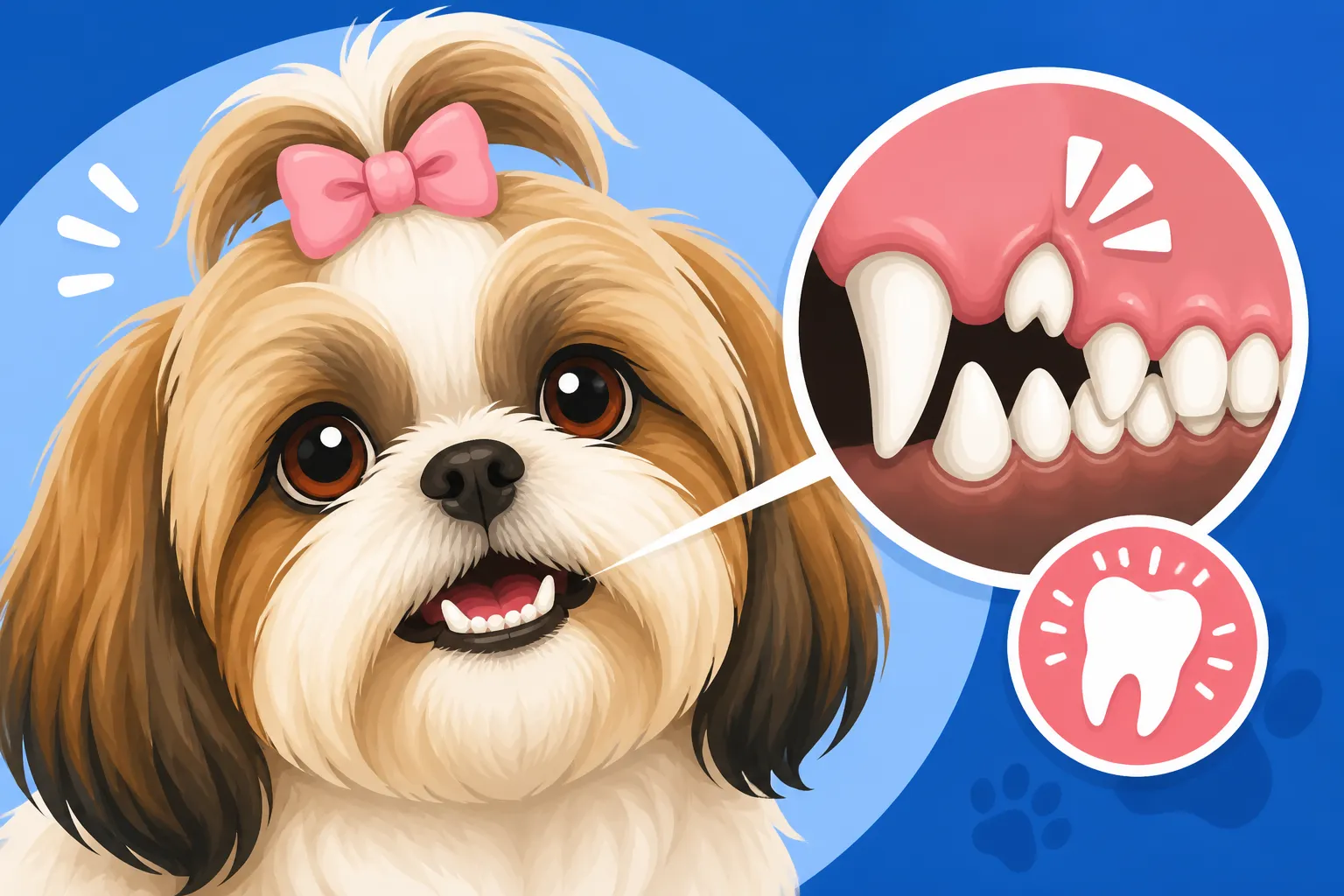
Specific teeth are more commonly retained than others. The canine teeth (the long, pointy ones) and the incisors (the small front teeth) are the biggest culprits. It’s not unusual to see a "double row" of canine teeth, where the permanent canine tooth erupts in front of or behind the retained puppy canine, creating a crowded and unhealthy environment. This crowding is a significant issue for Shih Tzus, as discussed in Shih Tzu Tooth Crowding in a Tiny Jaw.
Another contributing factor can be genetics from the parents. While not always directly hereditary in a simple Mendelian fashion, the conformation of the jaw and teeth is certainly inherited. Reputable breeders often screen for dental issues in their breeding lines, but even with the best intentions, the occasional retained tooth can occur in any Shih Tzu puppy. It’s simply part of owning a breed with such a distinctive and beloved facial structure.
The Detrimental Effects of Retained Puppy Teeth
While a double tooth might look cute or quirky to some, it poses serious health risks for your Shih Tzu. These aren't just minor cosmetic flaws; they can lead to significant pain, infection, and long-term dental problems that impact your dog's overall health and quality of life.
One of the most immediate and common problems is food and debris impaction. When two teeth occupy the space meant for one, or when a baby tooth is lodged right next to an adult tooth, tiny pockets are created. These pockets become perfect traps for food particles, plaque, and bacteria. Even with diligent daily brushing, which can be challenging in a Shih Tzu’s crowded mouth, it’s incredibly difficult to keep these areas clean. This leads to a rapid buildup of tartar, gum inflammation (gingivitis), and eventually, the more serious condition of Periodontal Disease in a Five Year Old Shih Tzu. Periodontal disease, if left untreated, can cause painful gum recession, bone loss, and even lead to tooth extractions down the line. It's truly one of the most pressing concerns for Shih Tzu owners, as highlighted in Shih Tzu Dental Disease at 13 Percent of the Breed.
Beyond impaction, retained puppy teeth can cause malocclusion, which means the adult teeth don't align properly. If a permanent tooth is forced to erupt out of its normal position because a baby tooth is still there, it can grow in crooked. This misalignment can cause teeth to rub against each other abnormally, leading to excessive wear and tear. More critically, an improperly positioned adult tooth can even cause trauma to the opposing gum or the roof of your Shih Tzu’s mouth (palate) every time they chew. Imagine constant irritation or even open sores inside their mouth – it's incredibly painful and can severely impact their ability to eat comfortably.
Furthermore, retained teeth significantly increase the risk of infection. The constant presence of food and bacteria in those tight spaces can lead to localized infections, abscesses, and even systemic health issues if the bacteria spread. These infections are not only painful but can also impact other organs if left unchecked. You might notice your Shih Tzu showing signs of discomfort, bad breath, or even reluctance to eat or play.
Here's a quick overview of the problems:
| Problem | Description | Immediate Impact | Long-Term Impact |
|---|---|---|---|
| Food Impaction | Food and debris get trapped between the retained puppy tooth and the adult tooth due to crowding. | Bad breath, gingivitis (gum inflammation) | Severe periodontal disease, tooth loss, bone infection. |
| Plaque/Tartar | Rapid accumulation of plaque and hardening into tartar in hard-to-clean spaces. | Unpleasant smell, discolored teeth | Dental disease requiring extensive cleaning, possible extractions. |
| Malocclusion | Adult teeth erupt in incorrect positions, causing misalignment of the bite. | Discomfort, difficulty chewing | Chronic pain, abnormal tooth wear, oral trauma (e.g., adult tooth hitting palate). |
| Oral Trauma | Misaligned adult teeth can abrade or puncture the gums, tongue, or roof of the mouth. | Pain, bleeding, reluctance to eat | Chronic ulcers, infections, persistent discomfort. |
| Infection/Abscess | Bacteria trapped in crowded spaces can lead to localized infections, gum abscesses, or even bone infection. | Swelling, pain, fever, lethargy | Systemic infection, loss of teeth, jaw bone deterioration. |
| Impaired Eating | Pain and discomfort can make it difficult or painful for your Shih Tzu to chew their food properly. | Reduced appetite, weight loss | Nutritional deficiencies, chronic discomfort. |
All these potential issues underscore why it's so important to address retained puppy teeth promptly. Preventing these problems is far easier and less painful than treating them once they become severe.
Identifying Retained Puppy Teeth in Your Shih Tzu
Catching retained puppy teeth early is crucial for preventing more serious problems. The good news is that with a little vigilance, you can often spot these issues at home, though a vet confirmation is always necessary.
The most obvious sign is seeing two teeth in the same spot. This usually happens with the canine teeth, where you might see a smaller, sharper puppy canine sitting right next to a larger adult canine that has already emerged. This "double row" is a clear indicator of retention. Similarly, check the incisors at the front of the mouth. If you see tiny baby teeth still there while the adult ones are clearly visible, those are retained.
Beyond visual inspection, pay attention to any changes in your Shih Tzu's behavior. Are they suddenly reluctant to chew on their favorite toys? Do they paw at their mouth, rub their face, or seem uncomfortable when eating? Are they dropping food more often? These can all be subtle signs of oral pain or discomfort. Bad breath, even in a young puppy, can also be a red flag, as it often indicates a buildup of bacteria from trapped food. Swelling around the gum line or any redness could point to gingivitis or infection.
It's vital to make these checks part of your regular routine. When you're brushing their coat or doing a quick cuddle, gently lift their lips and take a peek inside their mouth. Familiarize yourself with how a normal puppy mouth looks as teeth are erupting, and you’ll be better equipped to notice when something is out of place. This kind of regular examination is also important for catching other common Shih Tzu dental issues like Tartar on Shih Tzu Teeth Before Age Three.
The prime time for your Shih Tzu to lose their puppy teeth is between 3 and 6 months of age. By 7 months, almost all puppy teeth should have fallen out, and all adult teeth should be in place. If you notice any deciduous teeth still present past 6 months, it’s time to consult your veterinarian. Don't wait, hoping they will eventually fall out. The longer a puppy tooth is retained, the more likely it is to cause displacement of the adult tooth and contribute to other dental problems. Your vet can confirm the presence of retained teeth and recommend the best course of action. This early intervention is often part of the important The Puppy Check a Shih Tzu Needs at Eight Weeks.
The Veterinary Solution: Extraction and Aftercare
Once retained puppy teeth are identified, the most common and effective treatment is surgical extraction. This isn't something that can be done at home, and it’s a procedure best performed by a veterinarian. While the thought of surgery for your little pup can be worrying, it's a routine procedure that is crucial for their long-term dental health.
The process typically involves:
- Pre-Anesthetic Assessment: Before any surgery, especially one involving anesthesia, your vet will perform a thorough physical exam and recommend pre-anesthetic blood work. This helps ensure your Shih Tzu is healthy enough for anesthesia and identifies any underlying conditions that might increase risk. For a brachycephalic breed like the Shih Tzu, anesthesia carries specific considerations, which are detailed in Anesthesia on a Flat-Faced Shih Tzu. Your vet will discuss these risks and how they are mitigated.
- Anesthesia: Your Shih Tzu will be placed under general anesthesia to ensure they are pain-free, still, and unaware during the procedure. This allows the vet to safely and effectively extract the retained teeth.
- Extraction: The veterinarian will carefully extract the retained deciduous teeth. Unlike a tooth that falls out naturally due to root resorption, retained teeth still have their full roots. The vet needs to ensure the entire root is removed to prevent future complications. This requires precision to avoid damaging the erupting adult tooth or the surrounding bone.
- Oral Examination and Cleaning: While your Shih Tzu is under anesthesia, it’s an excellent opportunity for the vet to perform a comprehensive oral exam and a professional dental cleaning. This can address any early plaque and tartar buildup that might already be forming due to the crowding caused by the retained teeth. This also allows for checking for other issues like Shih Tzu Corneal Ulcers From a Shallow Socket if they might be related to other facial structures, though directly unlikely.
- Post-Operative Care: After the extraction, your vet will provide pain medication and possibly antibiotics to prevent infection. You'll receive instructions on how to care for your Shih Tzu at home, which usually involves feeding soft food for a few days and monitoring for any signs of discomfort or complications. Most Shih Tzus recover quickly from these extractions and are back to their normal selves within a day or two.
The cost of extraction can vary depending on the number of teeth, the complexity of the extractions, and your geographic location. While the idea of anesthesia and extractions can be daunting, and the costs can add up, especially if multiple teeth are involved, having pet insurance like Healthy Paws can truly be a lifesaver. Many pet insurance providers, including Healthy Paws, offer coverage for these kinds of necessary veterinary procedures, assuming it's not a pre-existing condition, alleviating some of the financial stress.
Early intervention is truly key here. Waiting can lead to more complex and expensive procedures down the road, and prolonged discomfort for your pup. By addressing retained puppy teeth promptly, you’re setting your Shih Tzu up for a lifetime of better oral health, which is a significant part of their overall well-being. Regular check-ups are essential, as discussed in How Often a Shih Tzu Needs a Dental.
Maintaining Optimal Dental Health After Extraction
Once those stubborn puppy teeth are gone and your Shih Tzu’s adult teeth have settled into their rightful places, your work isn't over. In fact, it's just beginning! Shih Tzus, due to their unique oral anatomy, are particularly prone to dental issues throughout their lives, even with a perfectly aligned set of adult teeth.
The most important thing you can do is establish a consistent daily dental hygiene routine. This means daily toothbrushing. While it might sound like a chore, with patience and positive reinforcement, most Shih Tzus can learn to tolerate, and even enjoy, having their teeth brushed. Use a toothbrush designed for small dogs or a finger brush, along with a dog-specific enzymatic toothpaste (never human toothpaste!). Focus on gently scrubbing all tooth surfaces, especially where the tooth meets the gum line. This routine is critical for managing plaque and tartar, as detailed in Daily Toothbrushing in a Crowded Shih Tzu Jaw.
Beyond brushing, consider incorporating other dental health aids into your Shih Tzu’s routine:
- Dental Chews: Choose veterinarian-approved dental chews that are appropriately sized for your Shih Tzu. Look for VOHC (Veterinary Oral Health Council) approved products, as these have been scientifically proven to reduce plaque and tartar. Always supervise your dog when they're chewing to prevent choking.
- Dental Diets: Some prescription veterinary diets are specially formulated to help clean teeth as your dog eats. The kibble design encourages mechanical abrasion, helping to scrape off plaque. Discuss this option with your vet, especially if your Shih Tzu has a history of rapid plaque buildup.
- Water Additives: Certain additives can be put in your dog's drinking water to help reduce bacteria and plaque formation. While not a substitute for brushing, they can be a helpful supplement.
- Regular Veterinary Check-ups and Professional Cleanings: Even with the best home care, most Shih Tzus will benefit from regular professional dental cleanings under anesthesia. Your vet will assess your dog's oral health during annual check-ups and recommend when a professional cleaning is necessary. These cleanings allow the vet to remove tartar from below the gum line and address any emerging issues before they become severe. This proactive approach can save you a lot of heartache and expense in the long run. When discussing potential health issues like retained puppy teeth or future dental needs with your veterinarian, considering how to manage unexpected costs is crucial. Healthy Paws and similar plans are designed to help with unforeseen medical expenses, making sure you can provide the best care without financial strain.
Remember, early detection and consistent care are your best allies in maintaining your Shih Tzu's sparkling smile and overall health. Addressing retained puppy teeth is a crucial first step, but it's part of a lifelong commitment to their well-being. It's often one of the first significant veterinary expenses owners encounter, alongside the initial Shih Tzu Puppy Prices and Where the Money Goes and other The First Year Cost of a Shih Tzu considerations.
Disclaimer
This article is intended for informational purposes only and does not constitute veterinary advice. Always consult with a qualified veterinarian for any health concerns or before making any decisions about your pet's medical care.