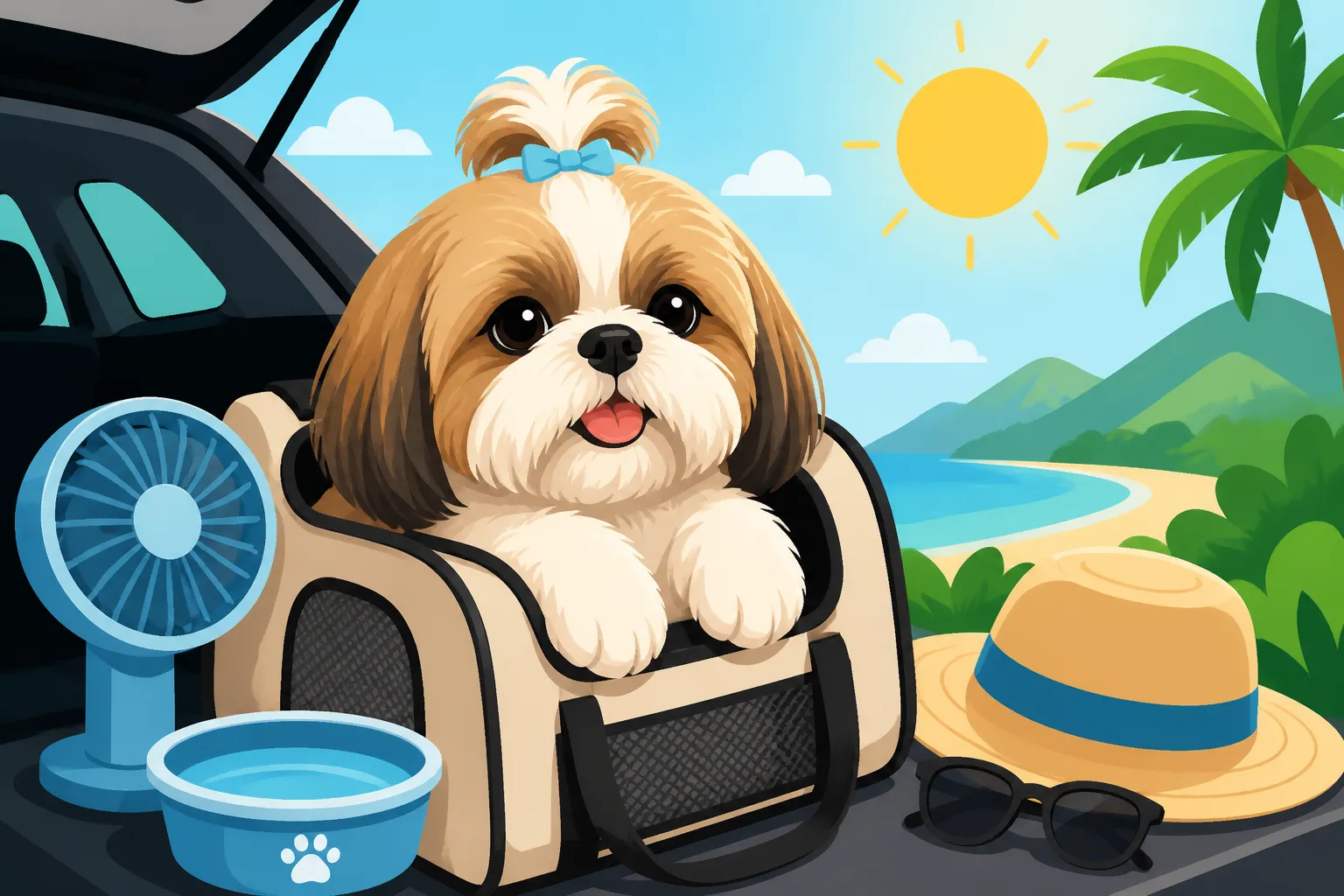
Traveling With a Shih Tzu in Warm Weather
Traveling with your beloved Shih Tzu can be one of life's greatest joys, but when warm weather is involved, it introduces a significant layer of worry. Our little lion dogs, with their distinctive flat faces and dense coats, are incredibly susceptible to overheating, which can escalate from discomfort to a life-threatening emergency in mere minutes, especially when you're far from home. This comprehensive guide is here to walk you through every critical step, offering practical, empathetic advice to ensure your furry travel companion stays safe, cool, and happy on your warm-weather adventures.
Understanding the Unique Risks of Shih Tzus in Heat
It's not just about them having a lot of hair; there are fundamental anatomical reasons why Shih Tzus struggle in the heat compared to many other breeds. Understanding these underlying vulnerabilities is the first step to becoming a truly responsible and prepared travel parent. You can't just assume they'll be fine because you're comfortable.
The Brachycephalic Challenge for Breathing and Cooling
The term "brachycephalic" simply means "short-headed," and it refers to dogs like Shih Tzus, Pugs, Bulldogs, and Boston Terriers who have pushed-in faces. While undeniably adorable, this facial structure comes with some serious physiological drawbacks, especially in warm weather. Their compacted respiratory systems mean they have narrower nostrils (stenotic nares), an elongated soft palate that can block their airway, and often a smaller trachea (windpipe). All of this makes breathing efficiently a constant challenge, even at rest.
When a dog gets hot, their primary way of cooling down is panting. Unlike humans who sweat profusely through their skin, dogs rely on the evaporation of moisture from their tongues and respiratory tracts. For a Shih Tzu, that panting mechanism is severely compromised. Their narrowed airways mean they have to work much harder to move air, and that effort itself generates more internal heat. It's a vicious cycle. Imagine trying to breathe through a straw while running a marathon in humid weather – that's a bit what it's like for them. The more they pant, the more inflamed and swollen their already constricted airways become, further limiting their ability to cool down. This is why a simple summer stroll can quickly turn dangerous. You might be interested in learning more about Why a Shih Tzu Overheats So Easily.
The Double Coat's Role in Heat Regulation
Shih Tzus are renowned for their luxurious double coats, which are gorgeous but can also be a double-edged sword when the temperatures climb. A double coat consists of a softer, dense undercoat that provides insulation, and a longer, coarser outer coat that protects against the elements. In cold weather, this coat is a marvel, trapping warm air and keeping them cozy. However, in warm weather, it can trap heat against their body, preventing air circulation.
Many owners mistakenly believe that shaving their Shih Tzu down to the skin will solve this problem. While a shorter "puppy cut" can certainly help with managing mats and keeping them a bit cooler, shaving them too short can actually backfire. The outer coat also provides some protection from direct sunlight, preventing sunburn, which can happen to exposed skin. Moreover, the undercoat itself is designed to insulate. If it's not properly brushed out and is matted, it will trap heat. A well-maintained, brushed-out double coat, even if kept long, allows for better air circulation than a matted one. The key is regular, thorough grooming to remove dead undercoat and prevent matting. We'll delve deeper into grooming strategies for travel shortly, but for now, just know that their beautiful coat requires careful consideration in the heat.
Recognizing Early Signs of Heat Stress
One of the most crucial skills any Shih Tzu owner can develop, especially when traveling, is the ability to spot the subtle early warnings of heat stress. Your Shih Tzu can't tell you in words that they're feeling unwell, so you have to be their advocate and interpreter. Don't wait for extreme symptoms.
Initial signs of heat stress might include:
- Excessive panting: More rapid and heavy than usual, even after minimal exertion.
- Increased drooling: Saliva might be thicker or more profuse.
- Reddened gums or tongue: A darker red than their normal healthy pink.
- Seeking shade or cool surfaces: They might repeatedly try to lie on tile floors or in any patch of shade.
- Restlessness or agitation: They can't seem to get comfortable.
- Lethargy or weakness: They might seem unusually tired or stumble slightly.
- Vomiting or diarrhea: These are more serious signs, indicating the body is already struggling.
If you notice any of these, especially excessive panting and reddened gums, you need to act immediately. This isn't just them being a little warm; their body is telling you it's struggling to regulate its temperature. Ignoring these can lead rapidly to heatstroke, which is a medical emergency. Understanding The Outdoor Temperature Limit for a Shih Tzu is also paramount in preventing these situations.
Pre-Travel Preparations for Warm Weather Journeys
Thoughtful preparation is your best defense against warm-weather travel woes. It’s not enough to just pack a bag for yourself; your Shih Tzu needs a dedicated strategy long before you even leave the driveway.
Essential Vet Checks and Health Clearances
Before embarking on any journey, particularly one involving warm climates, a visit to your veterinarian is non-negotiable. This isn't just a formality; it's a vital health assessment. Your vet can perform a thorough physical exam to check for any underlying health issues that could be exacerbated by heat or travel stress. They'll listen to your dog's heart and lungs, check their general condition, and discuss any concerns you might have. For a brachycephalic breed like a Shih Tzu, ensuring their respiratory system is as healthy as possible is paramount.
This visit is also the perfect time to ensure all vaccinations are up-to-date, especially if you're crossing state lines or visiting areas with different disease prevalence. Ask your vet about preventative medications for parasites relevant to your destination, such as ticks and heartworm, as these can vary regionally. Moreover, discuss motion sickness options if your Shih Tzu is prone to car sickness. Having a copy of your Shih Tzu's health records, including vaccination history and any current medications, easily accessible is critical. Consider a digital copy on your phone and a physical copy. This preparation makes any unexpected vet visits much smoother. Should you need to visit an emergency vet while away, having a robust pet insurance plan like Healthy Paws can be a lifesaver, covering unexpected costs from heatstroke to accidents. It’s a good idea to consider Pet Insurance for a Flat-Faced Toy before any significant travel.
Grooming for Travel: To Clip or Not to Clip?
The question of coat length for a Shih Tzu traveling in warm weather is one many owners grapple with. As discussed earlier, a full, matted coat is a definite no-go as it traps heat. A well-groomed coat, even if long, has more air circulation. However, for practical travel purposes, many owners opt for a shorter "puppy cut" or a summer trim.
A shorter cut can significantly reduce the amount of brushing needed on the road, prevent tangles from wet conditions (like swimming or unexpected rain), and generally make your Shih Tzu feel lighter and less encumbered by hair. This can also make it easier for cooling aids, like cooling vests or bandanas, to be effective. The key is to avoid shaving the coat completely down to the skin, which can expose them to sunburn and potentially damage the coat over time. Aim for a trim that leaves about an inch or two of hair.
If you usually manage grooming at home, consider a professional groomer before your trip to get a clean, even cut. If you groom yourself, make sure to use high-quality clippers and combs to get a consistent length and thoroughly brush out the undercoat. Remember, a Shih Tzu's coat, regardless of length, still needs daily brushing to prevent new mats, especially in humid conditions, and to keep it fluffy enough for air to circulate.
Packing the Ultimate Shih Tzu Travel Kit
A well-stocked travel kit is your personal guardian angel for your Shih Tzu's comfort and safety. Think beyond food and water; imagine every potential scenario.
Here’s a detailed checklist for your Shih Tzu's warm-weather travel kit:
| Category | Essential Items | Why It's Crucial |
|---|---|---|
| Hydration | Collapsible water bowls (multiple!), ample fresh bottled water, electrolyte-infused water (vet-approved) | Dehydration is a major heat risk; constant access to fresh water is paramount. Electrolytes can aid recovery from mild dehydration. |
| Cooling Aids | Cooling vest/bandana, small battery-operated fan, cooling mat, quick-dry towel, spray bottle for misting | These actively help reduce body temperature. The fan provides air movement, cooling vests keep them comfortable, and misting helps evaporative cooling. Cooling Gear a Shih Tzu Needs in Summer is a must-read. |
| First Aid | Pet first-aid kit (gauze, antiseptic wipes, vet wrap, thermometer, Paw Balm), vet contact info, emergency clinic list | Accidents happen. A thermometer is vital for checking temperature if you suspect overheating. |
| Food & Bowls | Pre-measured food (enough for trip + extra), treats, food bowls, chew toys | Maintain routine, comfort, and provide positive reinforcement. Chew toys prevent boredom and redirect stress. Many owners love the convenience of services like Ollie for fresh, pre-portioned food. |
| Grooming | Brush, comb, gentle shampoo/conditioner (travel size), nail clippers, tear stain wipes, ear cleaner, topknot bands | Keep coat tidy, prevent mats, maintain hygiene, address tear stains. Remember to carry your Shih Tzu eye wipes and tear stain products. |
| Comfort & Safety | Crate/carrier, favorite blanket/bed, harness (never collar for leash!), leash, seatbelt adapter, potty pads/bags | Provides a safe, familiar space; prevents injury in the car; ensures proper waste disposal. A well-fitting harness prevents pressure on their delicate neck/trachea. |
| Documents | Vet records (vaccinations, health certs), ID tags (up-to-date), microchip info, recent photo of your dog | Essential for emergencies, border crossings, or if your dog gets lost. |
Don't forget to pack a separate small bag that's easily accessible in the car with immediate necessities like water, a bowl, a cooling bandana, and some treats.
Choosing the Right Mode of Transport and Destination
The way you travel and where you go can make all the difference in your Shih Tzu's safety and comfort. Some choices are inherently riskier for brachycephalic breeds, especially in warm climates.
Car Travel: Making It Safe and Comfortable
Car travel is often the most common way to travel with a Shih Tzu, and it offers the most control over their environment. However, it's not without its specific risks in warm weather.
- Air Conditioning is Non-Negotiable: Your car's AC unit is your Shih Tzu's lifeline. Keep the climate control set to a comfortable, cool temperature, ideally aimed towards the back where they are. Never rely on just opening a window; it doesn't provide adequate cooling, and the hot air rushing in can actually make things worse.
- Secure Containment: For their safety, your Shih Tzu should always be secured in the car. This could be a crash-tested travel crate or a secure pet seatbelt harness. An unsecured dog can become a projectile in an accident or distract the driver. Also, in the event of an accident, a secured dog is less likely to escape or be injured. For long journeys, ensure the crate is well-ventilated but also placed away from direct sunlight beaming through windows.
- Shade and Window Tinting: Consider sun shades for your car windows, especially if your Shih Tzu's crate or bed is exposed to direct sunlight. Even with AC, direct sun can quickly raise their immediate environment's temperature.
- Frequent Breaks: Plan regular stops every 2-3 hours for potty breaks, water, and a chance to stretch their legs in a cool, shaded area. This also allows you to check their temperature and general well-being.
- Never Leave Them Alone: This is the golden rule, especially in warm weather. The temperature inside a parked car, even on a mild day, can skyrocket to dangerous levels in minutes. Even with windows cracked or parked in the shade, it's simply not safe. Leaving your Shih Tzu alone in a car can lead to heatstroke or death.
Flying with a Flat-Faced Breed: Cabin vs. Cargo
Flying with a brachycephalic breed like a Shih Tzu presents unique and often severe risks. Many airlines have outright bans or severe restrictions on flying brachycephalic dogs in cargo due to their respiratory vulnerabilities. The changes in cabin pressure and temperature in cargo holds are extremely dangerous for them.
- Cabin Travel is the Only Option (if any): If you absolutely must fly, your Shih Tzu should travel in the cabin with you, tucked under the seat in an approved carrier. Even then, you need to be acutely aware of potential stressors. Check airline policies meticulously, as each airline has specific size and weight restrictions for in-cabin pets.
- Veterinary Approval: Before even considering a flight, have a candid conversation with your vet about the risks. They might advise against it entirely, especially for older dogs, those with existing health conditions, or during particularly warm times of the year.
- Airport Stress: Airports are loud, chaotic, and stressful environments. Even in the cabin, your Shih Tzu will be exposed to unfamiliar sights, sounds, and confined spaces. Consider calming aids prescribed by your vet if necessary.
- Heat on the Tarmac: Be mindful of delays on the tarmac, as the cabin air conditioning might be less effective before takeoff or after landing. The temperature in an airplane on the ground can rise quickly. Always have water and cooling towels at the ready.
- Alternatives: Honestly, for many Shih Tzus, flying is simply too risky. Consider alternatives like driving, leaving your pet with a trusted sitter, or choosing a destination that doesn't require air travel. Understanding Whether a Shih Tzu Should Ever Fly in Cargo is essential reading for anyone considering air travel.
Selecting Pet-Friendly, Temperature-Controlled Accommodations
Your choice of accommodation is as important as your mode of transport. You need places that not only welcome pets but also provide a safe, cool environment.
- Research Pet-Friendly Policies Thoroughly: Don't just assume "pet-friendly" means "Shih Tzu-friendly." Inquire about specific breed restrictions, weight limits, and any additional fees. Ask if dogs are allowed to be left unattended in rooms (and never do so if there's any risk of heat or distress). Use sites like BringFido or call hotels directly.
- Air Conditioning is a Must: Just like in your car, reliable air conditioning in your hotel room, rental home, or RV is non-negotiable. Verify that it's in working order upon arrival.
- Room Location: If possible, request a room that's not exposed to direct afternoon sun, which can make it harder to keep cool. A room on a lower floor or one with easy outdoor access for quick potty breaks can also be beneficial.
- Safety and Comfort: Bring your Shih Tzu's familiar bed or crate to give them a sense of security in new surroundings. Ensure the room is thoroughly dog-proofed: check for small items they could ingest, secure electrical cords, and be mindful of open windows or balconies.
- Leaving Your Shih Tzu Alone (with caution): If you absolutely must leave your Shih Tzu alone in the room for a short period (e.g., to grab dinner), ensure the AC is running reliably, place a "Do Not Disturb" sign on the door, and consider using a pet camera to monitor them. Make sure they have plenty of fresh water and their cooling mat. However, for a brachycephalic breed in warm weather, prolonged unsupervised time is best avoided.
On-the-Go Strategies for Keeping Your Shih Tzu Cool
Once you're at your destination, the vigilance doesn't stop. Everyday activities need to be carefully managed to prevent overheating.
Hydration is Key: Water Access and Encouragement
Consistent hydration is your first line of defense against heat stress. Your Shih Tzu needs access to fresh, cool water at all times.
- Constant Availability: Always carry a portable water bottle and collapsible bowl. Offer water frequently, even if they don't seem thirsty. On walks, stop every 10-15 minutes for a water break.
- Making Water Appealing: If your Shih Tzu is reluctant to drink, try adding a few ice cubes to their water. Some dogs are enticed by a splash of low-sodium chicken or beef broth (ensure it's dog-safe, no onions or garlic). You can also bring wet food or hydrating treats from a brand like Ollie, which has higher moisture content, to supplement their water intake.
- Electrolytes (Vet-Approved): For extended activity in the heat or if you suspect mild dehydration, your vet might recommend electrolyte solutions. These are specifically formulated for dogs and can help replenish lost minerals. Never give human sports drinks.
- Multiple Water Stations: At your accommodation, have water bowls in several locations. If you're staying in a house, put one upstairs, one downstairs, and one outside in the shade. The easier it is for them to find water, the more likely they are to drink.
Utilizing Cooling Gear and Techniques
There's a fantastic array of cooling products on the market designed specifically for dogs, and they can be incredibly beneficial for a Shih Tzu in warm weather.
- Cooling Vests and Bandanas: These work by evaporative cooling. You wet them, wring them out, and the evaporation helps draw heat away from your dog's body. Look for lightweight, breathable materials. Brands like Ruffwear and Kurgo offer effective cooling vests.
- Cooling Mats: These mats typically contain a gel that activates with pressure, providing a cool surface for your Shih Tzu to lie on. They don't require refrigeration or electricity, making them great for car travel or hotel rooms. Make sure it's chew-resistant.
- Portable Fans: Small, battery-operated fans can be clipped to their crate, carrier, or even a stroller to create airflow. Air circulation is vital for a brachycephalic dog to help with evaporative cooling.
- Misting Bottles: A small spray bottle filled with cool water can be used to lightly mist your Shih Tzu's body (avoiding the face and ears directly). This simulates sweating and helps with evaporative cooling. Combine this with a portable fan for maximum effect.
- Frozen Treats/Toys: Freeze dog-safe broths, plain yogurt, or even wet food in a KONG toy. This provides a cool, hydrating treat that also keeps them mentally stimulated.
- Wet Towels: Keep a few small towels damp and cool in a cooler or plastic bag. You can drape these over your Shih Tzu's back or belly for immediate relief during breaks. This is particularly useful for quickly reducing body temperature if you notice signs of heat stress. You can often find a good selection of these products on Chewy, making it easy to stock up before your trip.
Smart Timing for Outdoor Activities and Potty Breaks
This is perhaps one of the most important on-the-go strategies: managing when your Shih Tzu is exposed to the outdoors.
- Avoid Peak Heat Hours: The hottest parts of the day are typically between 10 AM and 4 PM. During these hours, keep your Shih Tzu indoors in air conditioning.
- Early Morning and Late Evening Walks: Schedule walks and outdoor potty breaks for the coolest parts of the day – early mornings (before 8 AM) and late evenings (after 7 PM). Even then, keep them short and on a leash.
- Pavement Check: Always test the pavement with the back of your hand. If it's too hot for your hand, it's too hot for your Shih Tzu's paws. Hot pavement can cause painful burns and also radiate heat up to their body, exacerbating overheating. Consider dog booties if walks on warm surfaces are unavoidable, but still aim for cooler times.
- Short, Gentle Exercise: Shih Tzus are not endurance athletes, especially in the heat. Their exercise should be limited to short, gentle strolls. Avoid strenuous play or long walks. Even seemingly cool grassy areas can be deceptively warm. Remember Shih Tzu Exercise Intolerance in Summer.
- Stroller Use: For longer outings where you want your Shih Tzu to accompany you, consider a pet stroller. This allows them to be part of the adventure without having to exert themselves or walk on hot surfaces. Ensure the stroller has good ventilation and shade.
- Seek Shade: When outdoors, always gravitate towards shaded areas. Trees, awnings, and umbrellas are your friends. Remember, direct sunlight dramatically increases their body temperature.
Emergency Preparedness: What to Do If Your Shih Tzu Overheats
Despite your best efforts, emergencies can happen. Knowing exactly what to do if your Shih Tzu shows serious signs of overheating can be the difference between life and death.
Immediate First Aid for Heatstroke
If you suspect your Shih Tzu is suffering from heatstroke (symptoms like heavy panting, weakness, stumbling, vomiting, bright red gums, excessive drooling, or collapse), you need to act immediately and decisively.
- Move to a Cooler Location: Get your Shih Tzu into the coolest possible environment. This means air conditioning, shade, or near a fan.
- Begin Cooling Slowly and Gently:
- Cool (not ice cold) Water: Use cool water to wet their body, especially their paws, belly, inner thighs, and neck. You can use a hose on a gentle setting, damp towels, or even just pour water from a bottle.
- Fan: Direct a fan towards them to aid in evaporative cooling.
- Avoid Ice Water or Over-Cooling: Do not use ice water or immerse them in a cold bath. Rapid temperature drops can cause dangerous shock or other complications. The goal is to bring their temperature down gradually, not instantly.
- Monitor Temperature: If you have a rectal thermometer, take their temperature. Stop active cooling when their temperature reaches about 103°F (39.4°C) to prevent over-cooling, but continue moving them to a cool environment.
- Offer Small Amounts of Water: If they are conscious and able to drink, offer small sips of cool (not cold) water. Do not force them to drink.
- Seek Veterinary Attention Immediately: Even if your Shih Tzu seems to recover, they still need to see a vet as soon as possible. Heatstroke can cause internal organ damage that isn't immediately apparent. Call ahead to the nearest emergency vet clinic to let them know you're coming.
Locating Emergency Veterinary Care While Away
Being in an unfamiliar place and needing emergency vet care is incredibly stressful. Being prepared for this scenario can save precious time.
- Pre-Trip Research: Before you leave home, research emergency veterinary clinics along your route and at your destination. Save their names, addresses, and phone numbers in your phone, and perhaps print them out. Google Maps can be your friend here, but always double-check operating hours and whether they handle emergencies for new patients.
- Ask Locals: If an emergency arises and you haven't researched, ask hotel staff, local pet store employees, or even fellow dog owners for recommendations for the nearest 24-hour emergency clinic.
- Pet First-Aid Apps: There are several excellent pet first-aid apps available that can help you locate emergency vets using your current GPS location.
- Call Ahead: As soon as you're en route, call the emergency clinic to describe your Shih Tzu's symptoms and let them know you're coming. This allows them to prepare for your arrival.
- Keep Records Handy: Have your Shih Tzu's vet records, especially recent bloodwork or medication lists, readily available to provide to the emergency vet. This can significantly aid in their diagnosis and treatment plan.
The Importance of Pet Insurance for Travel Emergencies
Emergency veterinary care, especially for conditions like heatstroke or trauma, can be incredibly expensive. A pet insurance policy can provide immense peace of mind and financial support during a stressful time, allowing you to focus on your Shih Tzu's health rather than the looming vet bill.
- Unexpected Costs: Shih Tzu Emergency Vet Costs Owners Should Expect can range from hundreds to thousands of dollars, depending on the severity of the condition and the required treatment. Heatstroke often requires IV fluids, blood tests, monitoring for organ damage, and potentially an overnight stay.
- Coverage for Accidents and Illnesses: Good pet insurance policies, like those from Healthy Paws, typically cover a wide range of unexpected accidents and illnesses, including heatstroke, injuries from falls, or sudden illnesses. Be sure to understand your policy's deductible, reimbursement percentage, and any exclusions.
- Pre-Existing Conditions: Most policies do not cover pre-existing conditions. This is why it's always best to enroll your Shih Tzu in a pet insurance plan before any health issues arise, or certainly before a major trip where risks might be higher.
- Peace of Mind: Traveling is stressful enough without the added worry of massive, unexpected vet bills. Knowing that you have financial support in case of an emergency allows you to make the best medical decisions for your Shih Tzu without hesitation. It's a small monthly investment for potentially huge savings and emotional relief. Consider it a critical part of your overall How Much a Shih Tzu Owner Should Bank Yearly budget.
Taking your Shih Tzu on warm-weather adventures can be a wonderful experience, but it demands meticulous planning and constant vigilance. By understanding their unique vulnerabilities, preparing thoroughly, and staying proactive with cooling strategies, you can ensure your little companion enjoys the journey just as much as you do, safely and comfortably.
Disclaimer
The information provided in this article is for general educational purposes only and is not a substitute for professional veterinary advice. Always consult with your veterinarian regarding your Shih Tzu's specific health concerns, travel plans, and any medical emergencies.