Stair Ramps and Mobility Gear for a Shih Tzu
It’s a common sight that can tug at any Shih Tzu owner’s heartstrings: your sweet little companion struggling to hop onto the sofa for a cuddle, or hesitating at the bottom of the stairs, contemplating the monumental climb. This isn't just about convenience; it's about protecting their delicate bodies from strain and injury. This guide will walk you through understanding why your Shih Tzu might need a helping hand with mobility, explore various types of ramps and gear, and help you choose and introduce the best solutions for their safety and comfort.
Why Your Shih Tzu Needs Mobility Support
The charmingly small and sturdy appearance of a Shih Tzu can sometimes mask a surprisingly delicate underlying structure, particularly their spine and joints. While they might seem like acrobats when they’re young, every jump and stair climb places stress on areas that are prone to problems. Understanding these vulnerabilities is the first step in providing the support they need to live a long, comfortable life.
The Delicate Shih Tzu Spine
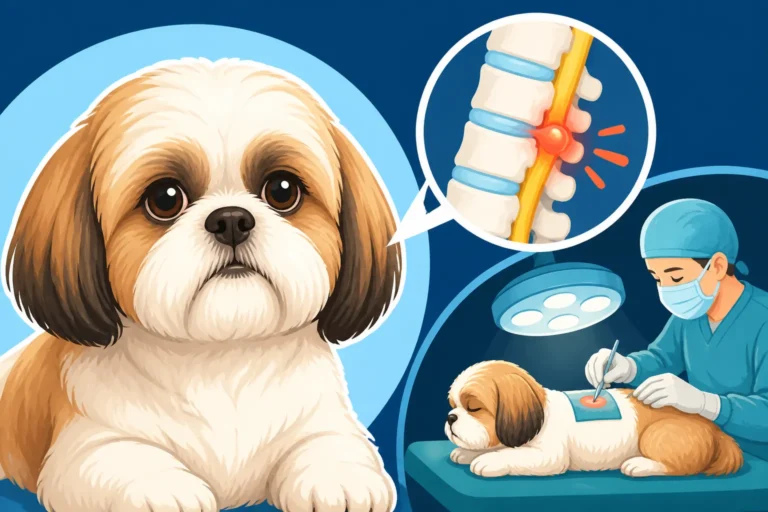
One of the most significant concerns for Shih Tzu owners is the breed's predisposition to back problems, especially intervertebral disc disease (IVDD). Their long backs, combined with short legs, make them much more susceptible to slipped or ruptured discs than many other breeds. Imagine the impact on their spine every time they launch themselves off a bed or desk, or even just take a clumsy hop down from a chair. Over time, these seemingly small impacts can accumulate, leading to serious and painful conditions. A sudden wrong move can cause immense pain, weakness, or even paralysis. This is why preventing high-impact activities like jumping off furniture or repeatedly navigating steep stairs is crucial. The goal isn't to wrap them in cotton wool, but to manage their environment in a way that safeguards their most vulnerable areas. You might be interested in learning more about Shih Tzu Back Problems and Disc Disease and the steps you can take to protect your furry friend.
Joint Health in a Small Frame
Beyond the spine, Shih Tzus can also experience joint issues that affect their mobility. Patellar luxation, where the kneecap slips out of place, is quite common in toy breeds. While it might start as an occasional skip in their step, it can progress to chronic pain and arthritis. Similarly, though less common than in larger breeds, some Shih Tzus can develop hip dysplasia, a malformation of the hip joint. Each jump, especially from a height, or even the repetitive motion of climbing stairs, puts undue strain on these joints. As your Shih Tzu ages, these existing conditions can worsen, or new issues like arthritis can set in, making even simple movements painful. Early intervention with mobility aids can significantly reduce the wear and tear on these vital joints, helping to maintain their quality of life. For a deeper dive into common joint issues, check out Shih Tzu Joint Problems in a Toy Frame.
Protecting Eyes and Airway During Jumps
It might seem less obvious, but jumping and rough play can also pose risks to a Shih Tzu's eyes and respiratory system. Their prominent, somewhat bulging eyes are a hallmark of the breed, but they are also vulnerable. A bad landing or an accidental bump during a fall could, in severe cases, lead to Shih Tzu Eye Proptosis, the Emergency Owners Miss, where the eyeball actually pops out of its socket. While rare, the risk is real and terrifying. Furthermore, as a brachycephalic (flat-faced) breed, sudden exertion or excitement, often associated with jumping and active play, can exacerbate breathing difficulties. A sudden jolt or strenuous activity could momentarily restrict their already compressed airways, leading to gasping or even collapse. Creating a physically safer environment is not just about bones and joints; it's about their entire well-being.
Types of Mobility Gear for Shih Tzus
Once you understand why your Shih Tzu needs mobility support, the next step is to explore the various solutions available. The market offers a wonderful array of products designed to make life easier and safer for small dogs, from preventing falls to assisting with existing mobility challenges.
Stair Ramps for Easy Access
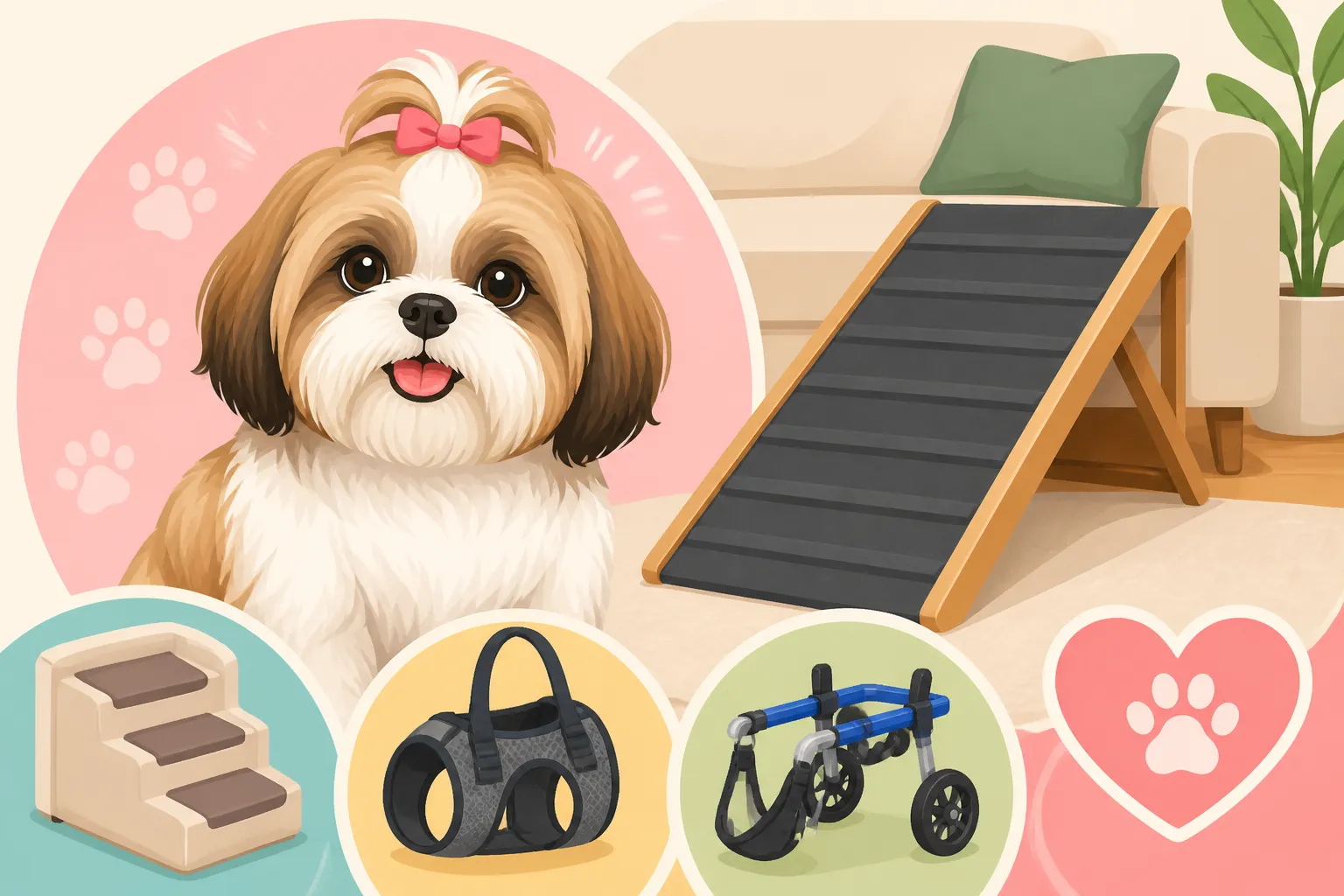
Stair ramps are often the first thing people consider when thinking about pet mobility, and for good reason. They provide a gentle incline, eliminating the jarring impact of jumping or the strain of climbing stairs. Ramps are particularly beneficial for protecting a Shih Tzu's long spine and delicate joints from the cumulative stress of repetitive up-and-down motions. Think about the strain on a dog's back if they're constantly jumping on and off your bed or sofa, even if it doesn't seem that high to us. A ramp offers a smooth, continuous surface, making it far easier and safer for them to reach their favorite spots.
You'll find ramps in various materials, including wood, plastic, and carpeted surfaces. Some are foldable for easy storage or transport, while others are more permanent fixtures. When choosing, consider the height of the furniture or steps it needs to reach, the incline, and the surface material – you want something non-slip and secure. Many owners find that the investment in a good ramp prevents costly vet bills down the line. Sites like Chewy offer a wide selection of ramps, so you can easily compare different styles and features to find one that fits your home and your dog's needs. For more specific advice, consider reading Ramps for a Shih Tzu With a Long Spine.
Pet Steps or Stairs
While ramps offer a smooth incline, pet steps or stairs provide a more stair-like experience but on a much smaller, gentler scale than human stairs. These are typically made with fewer, wider steps and a shallower rise, which can be less intimidating for some dogs than a long ramp. Pet steps are a great option for Shih Tzus who prefer to have distinct "steps" rather than a continuous slope, or for those whose joint issues might make a ramp slightly awkward. They are excellent for helping your Shih Tzu get onto lower furniture like chairs, ottomans, or even dog beds that are just a bit too high for a comfortable jump.
Like ramps, pet steps come in various materials, including foam, plastic, and wood, often with carpeted or non-slip treads. Foam steps are lightweight and soft, ideal for older or very sensitive dogs, while sturdier wood or plastic options might be more durable for daily use. The key is to ensure the steps are wide enough and stable enough that your Shih Tzu feels secure climbing them. Some dogs take to steps more readily than ramps, so observing your dog's natural preference can guide your choice.
Support Harnesses and Slings
For Shih Tzus facing more significant mobility challenges, whether due to injury, surgery recovery, or advanced age, support harnesses and slings can be invaluable. These aren't about preventing jumps, but rather about providing direct physical assistance when walking, standing, or navigating obstacles. A full-body support harness, for example, might have handles over the hips and shoulders, allowing you to gently lift and support your dog’s weight as they move. This can be especially helpful for dogs with severe IVDD, hip issues, or generalized weakness.
Slings, often placed under the abdomen, are fantastic for temporary support, such as helping your Shih Tzu in and out of the car, up a couple of porch steps, or even just assisting them to relieve themselves outdoors if their hind legs are weak. They allow you to take some of the weight off their joints and spine, reducing pain and preventing falls. Choosing a well-padded, comfortable harness or sling that doesn't chafe or pull on their delicate coat is essential. For more detailed information on selecting and using these aids, explore Slings and Harnesses for an Old Shih Tzu. These tools offer a tangible way to enhance your dog's quality of life when their own legs can't quite do the job.
Pet Carriers and Strollers for Longer Outings
Sometimes, mobility support isn't just about getting around the house; it's about enjoying the world outside. For a Shih Tzu, especially an older one or one with chronic conditions, long walks or trips to busy places can be too much. This is where pet carriers and strollers become fantastic tools. A soft-sided carrier can be perfect for quick trips to the vet or a visit to a friend's house, keeping them secure and minimizing stress. For exploring parks, going to outdoor events, or navigating crowded areas that might be overwhelming or physically taxing for a small dog, a pet stroller is a game-changer.
Strollers allow your Shih Tzu to still be a part of the action, enjoying the fresh air and new sights without having to walk. This is particularly useful for senior Shih Tzus who might tire easily or have conditions like Shih Tzu Arthritis After the Age of Nine. Many strollers offer comfort features like ample ventilation, soft bedding, and storage for essentials. While not directly a ramp or step, these devices extend your Shih Tzu’s world safely and comfortably, ensuring they don't miss out on adventures simply because their legs can't keep up.
Choosing the Right Mobility Aid for Your Shih Tzu
Selecting the perfect mobility aid isn't a one-size-fits-all decision. It requires a thoughtful assessment of your home, your Shih Tzu's individual needs, and the practicalities of the aid itself. Taking the time to consider these factors will ensure you choose a solution that genuinely enhances their life.
Assessing Your Home Layout
Before you even start browsing options, take a good look at your living space from your Shih Tzu's perspective. Where are the "danger zones" or the places they struggle the most?
- Bedrooms: Is your bed too high for them to jump onto safely? Many Shih Tzus love to sleep with their humans, but that daily leap can be a huge strain.
- Living Room: Do they need help getting on and off the sofa or armchairs to join you?
- Stairs: Do you have internal or external stairs that they navigate regularly? Remember, Why Stairs Are Hard on a Shih Tzu Spine and should ideally be avoided if possible.
- Cars: Do they jump in and out of the car, potentially injuring themselves?
- Other High Surfaces: Are there any windowsills or pet perches they like to access that are too high?
Pinpointing these specific trouble spots will help you determine the type and number of aids you need. For instance, if the bed is the main issue, a single ramp or set of steps might suffice. If you have a multi-story home with internal stairs, a permanent ramp or safety gate might be necessary to prevent stair use.
Considering Your Dog's Specific Needs
Every Shih Tzu is an individual, and their physical condition, age, and personality will play a huge role in what type of aid works best.
- Age: A spry young Shih Tzu might only need preventative measures to protect their spine, while a senior dog with Shih Tzu Mobility Decline in Old Age will likely require more direct assistance. Puppies, too, can benefit from early introduction to ramps to prevent bad jumping habits.
- Current Health: Does your Shih Tzu already have a diagnosed condition like IVDD, patellar luxation, or arthritis? Their specific ailment will dictate the level of support needed. For example, a dog recovering from back surgery will need a very gentle incline, while a dog with mild arthritis might be fine with sturdy steps. It's always wise to consult your vet about any existing conditions and how mobility aids can complement their treatment plan.
- Size and Weight: While most Shih Tzus fall within a similar small size range, a slightly heavier dog, especially if they are over the ideal weight, puts more stress on their joints, making aids even more critical. Maintaining a healthy weight, perhaps with a balanced diet from a provider like Ollie, can significantly reduce the load on their joints. Shih Tzu Obesity and the Load on Its Back is a serious concern.
- Temperament: Is your Shih Tzu timid or adventurous? Some dogs might be hesitant to try new things, requiring more patience and positive reinforcement, while others will eagerly explore a new ramp.
Material and Features
Once you have a general idea of the type of aid, it’s time to look at the specifics.
- Stability is Key: Whatever you choose, it must be stable. A wobbly ramp or steps will scare your Shih Tzu and prevent them from using it. Look for anti-skid feet or heavier bases.
- Non-Slip Surfaces: The walking surface needs to offer good traction. Carpeted ramps, ribbed plastic, or textured fabric on steps are ideal. Smooth, slick plastic is a recipe for disaster.
- Appropriate Incline/Step Height: For ramps, a shallower incline is always better for spinal health, even if it means a longer ramp. For steps, ensure the rise between each step is low enough for your Shih Tzu's short legs to navigate comfortably without straining.
- Durability and Cleanliness: Consider the material's durability and how easy it is to clean. Accidents happen, and being able to wipe down or wash covers is a huge plus.
- Portability/Storage: Do you need to move the aid between rooms, or take it on trips? Foldable or lightweight options are great for portability, while a sturdy, permanent fixture might be better for a fixed location.
- Aesthetics: While not the most important factor, finding an aid that blends somewhat with your home decor can be a bonus.
| Mobility Aid Type | Best For | Key Benefits | Considerations |
|---|---|---|---|
| Ramps | Beds, sofas, cars, preventing disc injury | Gentle incline, reduces impact on spine/joints | Can be long, takes up floor space, steeper inclines are harder on joints |
| Pet Steps | Lower sofas, chairs, pet beds, smaller dogs | Easier to navigate than steep ramps for some | Still involves some stepping motion, less ideal for severe spinal issues |
| Support Harnesses/Slings | Post-surgery, severe weakness, old age | Direct assistance, temporary lifting, gentle support | Requires owner assistance, not a standalone solution |
| Pet Strollers | Long walks, crowded places, outdoor events | Allows participation in activities without walking | Not for indoor use, requires pushing, can be bulky |
Introducing Mobility Aids to Your Shih Tzu
You’ve invested in the perfect ramp or set of steps – now comes the crucial part: getting your Shih Tzu to actually use it! Don't be discouraged if they don't immediately take to it. Patience, positive reinforcement, and a gradual approach are your best friends here.
Patience and Positive Reinforcement
Shih Tzus are smart, but they can also be a little stubborn or hesitant with new things. The key is to make the mobility aid seem like the most wonderful, rewarding thing in the world.
- Start Slow: Don't force them onto the ramp or steps. Place the aid near the furniture it's intended for, but let them explore it at their own pace.
- Treat Power: Break out their favorite, high-value treats. Small, tasty morsels that won't add extra pounds are perfect. You can find many suitable options on Chewy, or consider small pieces of their regular food if you're managing weight, as discussed in Treats a Shih Tzu Can Eat Without Gaining.
- Lure and Reward: Gently toss a treat onto the first step or the bottom of the ramp. As soon as they approach or touch it, praise them enthusiastically and give another treat. Gradually lure them further up, one step or a few inches at a time, always rewarding for any positive interaction.
- Associate with Good Things: Always make the experience positive. Never use the ramp or steps as a punishment, and avoid showing frustration if they're hesitant. This process is all about building trust and positive associations.
- Make it Fun: Turn it into a game! Use a favorite toy to entice them up and down, making sure to reward generously when they engage. This falls under the general principles of Positive Reinforcement With a Shih Tzu which works wonders for this breed.
Making it a Safe and Fun Experience
Beyond treats, think about how you can make the entire experience feel safe and enjoyable for your little lion dog.
- Lead by Example (Literally!): If possible, demonstrate how stable the ramp is by gently walking on it yourself (if it’s sturdy enough for human weight, of course, otherwise use your hand to show). Let them see you placing their favorite toy on it.
- Consistency is Key: Once they start using it, try to be consistent. Every time they want to get onto the sofa or bed, gently guide them to the ramp or steps. This consistency reinforces the new behavior and helps it become a habit.
- Avoid Accidents: Ensure the ramp or steps are always in a stable position and haven't shifted. A bad experience (a wobble, a slip) can set back your training significantly.
- Supervise Early Use: Always supervise your Shih Tzu when they are first learning to use the mobility aid. Be ready to offer praise, treats, and a steadying hand if needed.
- Make the Destination Appealing: Once they reach the top, make sure there’s something wonderful waiting for them – a comfy spot, a favorite human, or another treat. They’ll soon associate the ramp with reaching their happy place.
Consistency is Key
Establishing a routine is paramount. Just like with Shih Tzu Puppy Training Month by Month, consistency solidifies good habits. Don't let your Shih Tzu revert to jumping if they're being lazy or if you're in a hurry. Every single time they want to get onto or off a raised surface, direct them to use the ramp or steps. It might take extra time initially, but this commitment will pay off in the long run by protecting their health and making the mobility aid an integrated part of their daily life. Remember, this isn't just a temporary fix; it's an investment in their long-term well-being and comfort. Over time, using their ramps and steps will become second nature, allowing them to enjoy their favorite spots safely for years to come. For preventative measures, also consider checking out how Joint Support for a Shih Tzu Back and Knees can complement these physical aids.
Disclaimer
This article is for general informational purposes only and does not constitute professional advice. Laws, prices and regulations vary by location and change over time. Consult a qualified professional for guidance on your specific situation.