Slings and Harnesses for an Old Shih Tzu
It’s a heart-wrenching moment for any dog parent when you notice your beloved Shih Tzu, once so full of bounce and zoomies, starting to struggle with the simplest movements. Watching their little legs falter, or seeing them hesitate before jumping onto the sofa they once owned, can be incredibly distressing. This guide is here to help you navigate those changes, offering a detailed look into how slings and harnesses can provide crucial support, comfort, and a renewed sense of independence for your aging companion.
Understanding Mobility Challenges in Senior Shih Tzus
As our precious Shih Tzus age, just like us, their bodies go through changes. It's a natural part of life, but it doesn't make it any easier to watch them slow down. These changes often manifest as mobility issues, making once-simple actions feel like monumental tasks. Understanding these challenges is the first step in providing the best possible care.
Common Age-Related Ailments Affecting Movement
Shih Tzus, with their unique structure, are unfortunately predisposed to certain conditions that can impact their mobility as they enter their senior years, typically around the age of ten. One of the most prevalent issues we see is arthritis, a degenerative joint disease that causes inflammation and pain in the joints. This can make walking, running, and even just standing up incredibly uncomfortable. You might notice your Shih Tzu feeling stiff after a nap, or reluctant to move much on a cold morning.
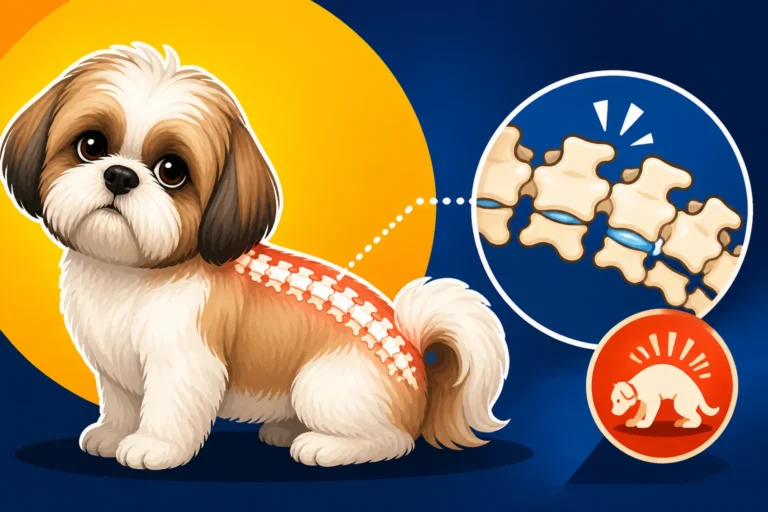
Beyond general arthritis, certain joints are particularly vulnerable. Many Shih Tzus develop problems like Patellar Luxation in a Shih Tzu, where the kneecap slips out of place, or even Shih Tzu Hip Dysplasia at Toy Size, despite their small stature. These conditions can cause significant pain and instability, making their gait wobbly or uneven. Another major concern, especially for this long-backed breed, is Shih Tzu Back Problems and Disc Disease. Intervertebral Disc Disease (IVDD) can lead to anything from mild discomfort to paralysis, drastically limiting their ability to move their hind legs. Suddenly, a simple jump off the bed can become a catastrophic event.
Muscle weakness and overall frailty also play a significant role. As dogs age, they naturally lose muscle mass, a condition known as sarcopenia. This loss of strength, combined with potential neurological changes, means their legs might not support them as well as they once did. Their proprioception – their sense of where their body is in space – can also decline, leading to stumbling or a loss of balance. It's not uncommon to see a senior Shih Tzu struggle to maintain their footing on slippery floors or appear disoriented in familiar surroundings. All these factors combine to create a complex picture of mobility decline that requires careful attention and support from us, their devoted owners.
Signs Your Shih Tzu Needs Mobility Assistance
It's easy to overlook the subtle signs at first, especially when you see your dog every day. We tend to adapt to their small changes without realizing they're accumulating. However, being attuned to their behavior is crucial. One of the most obvious indicators is difficulty with getting up. You might notice your Shih Tzu taking longer to rise from a lying position, pushing off with their front paws or struggling to get their hindquarters underneath them. This can be a sign of discomfort in their hips, knees, or back.
Navigating stairs, which might have once been a breeze, can become a real challenge. They might hesitate at the bottom, try to skip steps, or even refuse to go up or down entirely. Similarly, jumping onto furniture – their favorite spot on the sofa or your bed – becomes a struggle, or they might stop attempting it altogether. This is a classic sign that their joints or back are causing pain, and they may be experiencing what we refer to as A Shih Tzu That Will Not Jump on the Sofa.
Beyond these physical limitations, you might observe a general slowing down on walks. What used to be a brisk trot might turn into a leisurely amble, or they might simply refuse to walk as far as they once did. Stumbling, tripping over their own paws, or displaying a general loss of balance can also be red flags. Sometimes, these issues are accompanied by a reluctance to play or engage in activities they once loved, such as chasing a toy or greeting visitors at the door with enthusiasm. They might seem more withdrawn, sleep more, or even exhibit changes in appetite. If you notice any of these signs, it's definitely time to have a chat with your veterinarian about your Senior Shih Tzu Care Past the Age of Ten and consider introducing mobility aids. Early intervention can make a significant difference in their comfort and quality of life.
Slings Versus Harnesses for Canine Support
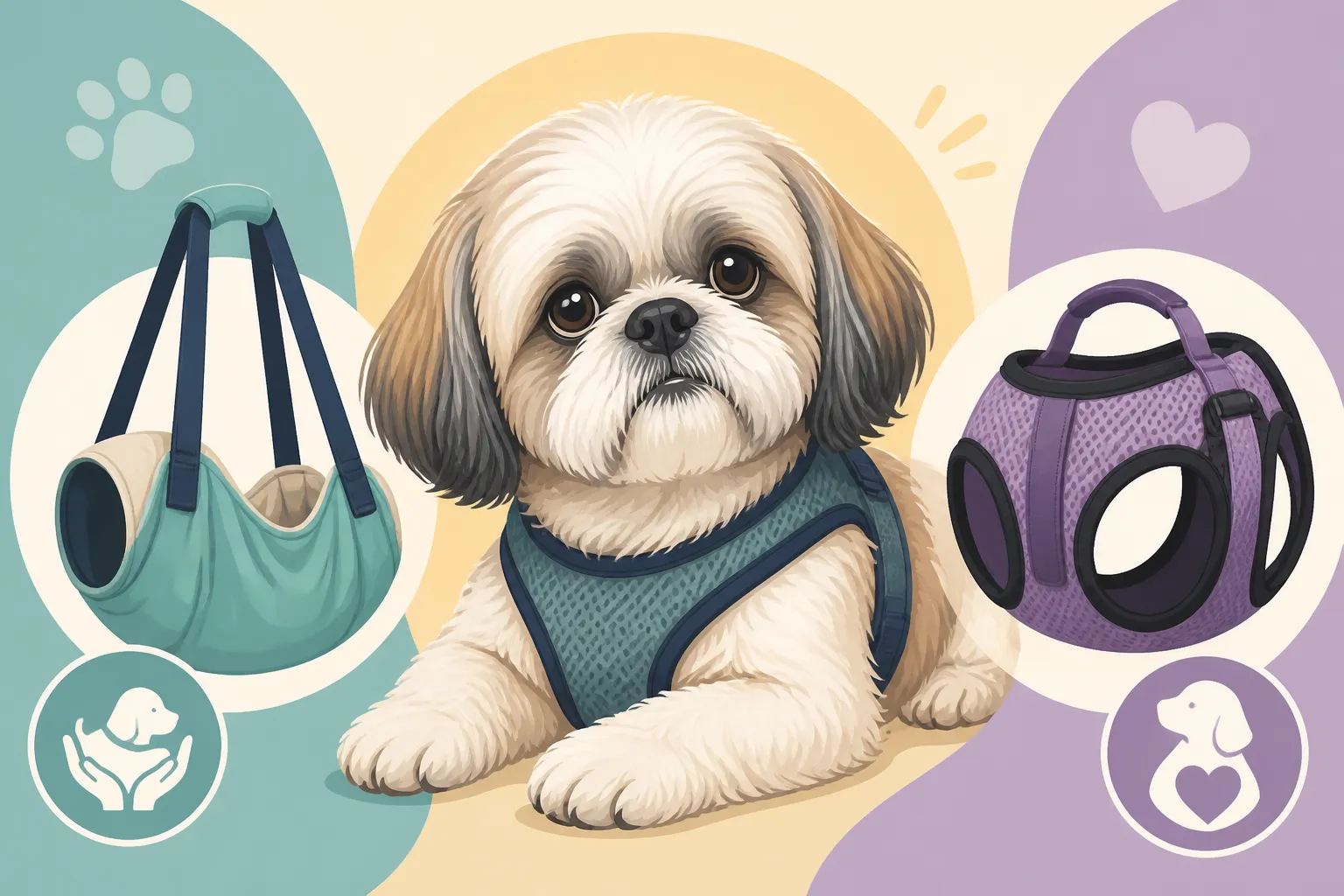
When you first realize your senior Shih Tzu needs a little extra help moving around, the world of mobility aids can seem a bit overwhelming. You'll likely encounter two main categories: slings and specialized support harnesses. While both are designed to assist your dog, they serve different purposes and are best suited for different situations. Understanding these distinctions will help you make the best choice for your furry friend.
When a Mobility Sling is the Right Choice
A mobility sling is typically designed for more temporary or targeted support. Think of it as a helping hand for specific moments rather than continuous wear. They're often ideal for dogs recovering from surgery, like a disc injury or a knee repair, where you need to restrict movement or provide support during healing. For example, if your Shih Tzu has just undergone surgery for a slipped disc, a sling can be invaluable for carefully assisting them with potty breaks without putting undue strain on their spine.
Slings come in various forms. You can find full-body slings that support both the front and hind legs, which are great for larger dogs or those with overall weakness. However, for a Shih Tzu, you’ll most often see hind-leg support slings, which are essentially a padded band that wraps under their abdomen, just in front of their back legs. This allows you to gently lift and support their rear end, taking pressure off their hips and spine when they're struggling to stand or walk. Front-leg slings, less common for Shih Tzus but available, work similarly for front limb weakness.
The pros of a sling are its immediate and direct lifting power. You can provide as much or as little assistance as needed, and it's relatively easy to put on and take off for short periods. This makes them adaptable for specific needs, such as helping your dog get up a single step or into the car. However, the downside is that they require constant handler presence. Your Shih Tzu can't wear a sling all day and move independently. It’s a tool for you to actively assist them, offering less freedom for your dog compared to a harness. They're perfect for supervised, short-duration support, especially during critical recovery phases or for quick trips outside.
The Benefits of a Specialized Support Harness
Unlike slings, specialized support harnesses are designed for sustained, continuous support, making them a fantastic solution for Shih Tzus with chronic conditions like severe arthritis, degenerative myelopathy, or persistent back pain. These harnesses are built to be worn for longer periods, often throughout the day, providing consistent support without constant hands-on assistance from you.
These harnesses often feature multiple points of adjustment and padded support, distributing weight evenly across your dog's body rather than concentrating it in one area. Many models, such as those from Help 'Em Up Harness or similar brands, offer options for full-body support (supporting both front and back), or specific rear-support or front-support designs. For a Shih Tzu with hind leg weakness, a rear-support harness allows you to gently lift their back end when needed, but the dog can still move around relatively freely on their own when not being actively assisted. The handle on the harness gives you a stable grip, reducing strain on your back while lifting your dog.
The biggest advantages of a support harness are the increased independence it offers your dog and the reduced strain on you, the handler. Your Shih Tzu can wear it for extended periods, allowing you to quickly grab the handle to help them up or provide stability on a walk without having to constantly fuss with a separate sling. This can be especially helpful for long walks or when you're out and about. They can also be a godsend for owners whose backs are starting to feel the strain of repeatedly lifting their furry companion. The initial investment might be more than a simple sling, but the comfort, durability, and enhanced quality of life for your Shih Tzu, often supported by pet insurance plans like those offered by Healthy Paws, make it a worthwhile consideration.
Key Differences in Functionality and Use
Choosing between a sling and a specialized harness really comes down to the specific needs of your Shih Tzu and your lifestyle. It's not about one being inherently "better" than the other, but rather which tool is most appropriate for the challenge at hand.
Here's a breakdown of their primary differences:
| Feature | Mobility Sling | Specialized Support Harness |
|---|---|---|
| Primary Use | Temporary, targeted lifting, specific tasks | Continuous, sustained support, daily wear |
| Support Type | Manual, active lifting by handler | Passive and active support, can be worn independently |
| Duration of Use | Short periods (potty breaks, car entry) | Extended periods (all-day wear, long walks) |
| Handler Involvement | High (constant active lifting) | Moderate (intermittent assistance via handle) |
| Dog's Independence | Limited (relies on handler for movement) | Increased (can move more freely when not being assisted) |
| Common Scenarios | Post-surgery, acute injury, short-term weakness | Chronic arthritis, disc disease, general frailty, long walks |
| Ease of Putting On | Generally quick for short bursts | Can take a bit more time to initially fit and adjust |
| Comfort | Good for short-term; pressure points if ill-fitted | Designed for long-term comfort with padding |
As you can see, a sling is like a quick assist, perfect for those moments where your Shih Tzu just needs a little boost over an obstacle or help getting onto a bed. It requires you to be actively involved in supporting their weight. A harness, on the other hand, integrates into their daily life, becoming almost a part of them. It gives you a stable handle to intervene when needed, but also allows them the dignity of moving independently when their strength allows. If your Shih Tzu is dealing with general Shih Tzu Mobility Decline in Old Age, a harness will likely offer more comprehensive and sustained support.
Selecting and Fitting the Right Aid for Your Older Shih Tzu
Once you've decided on the general type of mobility aid – be it a sling or a specialized harness – the next crucial step is selecting the right product and ensuring it fits your Shih Tzu perfectly. A well-fitting aid isn't just about comfort; it's about efficacy and safety. A poorly fitting harness or sling can cause chafing, restrict movement, or even exacerbate existing conditions.
Measuring Your Shih Tzu Accurately for a Good Fit
This step cannot be overstated. Just like trying to wear shoes that are too big or too small, an ill-fitting mobility aid will be uncomfortable and ineffective. For a Shih Tzu, with their unique body proportions – a sturdy, compact body, a relatively long back for their height, and often a deep chest – accurate measurements are paramount.
You'll typically need three main measurements:
- Chest Girth: This is the most important. Use a soft tape measure and wrap it snugly (but not tightly) around the widest part of your Shih Tzu's rib cage, just behind their front legs. This measurement determines the core size of most harnesses.
- Length: For full-body harnesses or rear-support harnesses that need to extend along the back, measure from the base of their neck (where a collar would sit) to the base of their tail.
- Weight: While not a measurement you take with a tape, your Shih Tzu's current weight is vital, as manufacturers often provide weight ranges for their products. This helps ensure the materials and construction are robust enough for support. Remember, even a small Shih Tzu can have a surprising amount of heft when you're lifting them repeatedly.
Why does a good fit matter so much? Imagine a harness that's too loose – it will shift, rub, and not provide the intended support, potentially causing skin irritation or sores, especially in sensitive areas like the armpits or groin. If it's too tight, it can restrict breathing, blood flow, or nerve function, leading to pain and further issues. For a brachycephalic breed like the Shih Tzu, anything that puts pressure on their throat or obstructs their airway is a definite no-go. Always opt for harnesses that distribute pressure broadly across the chest and abdomen, away from the neck.
Material Considerations for Comfort and Durability
The materials used in slings and harnesses directly impact your Shih Tzu's comfort and the longevity of the product. Given that your dog might be wearing this aid for extended periods, comfort is non-negotiable.
Look for:
- Breathable Fabrics: Senior dogs can often overheat, and thick, non-breathable materials can trap heat and cause discomfort. Mesh or breathable neoprene are excellent choices, especially in warmer climates or for dogs with thick coats.
- Padding: Areas where the harness or sling makes contact with your dog's body – especially under the belly, around the legs, and across the chest – should have ample, soft padding to prevent chafing and digging into their skin. This is particularly important for dogs with delicate skin or sparse fur in certain areas.
- Sturdy, Reliable Buckles and Straps: You'll be relying on these to support your dog's weight. Look for durable plastic or metal buckles that are easy to operate but secure. The straps should be strong, adjustable, and ideally, won't slip once adjusted. Double-stitching and reinforced seams are also indicators of quality.
- Ease of Cleaning: Let's be realistic – senior dogs can sometimes have accidents or dribbles. Choosing materials that are easy to wipe down or machine washable will save you a lot of hassle and keep the aid hygienic. Look for water-resistant or quick-drying fabrics.
Investing in a well-made, comfortable aid might cost a bit more upfront, but it pays dividends in your Shih Tzu's comfort and the product's lifespan. Many pet insurance plans, like those from Healthy Paws, recognize the value of supportive care and may help cover costs associated with durable medical equipment if prescribed by a veterinarian for an insured condition, so it's always worth checking your policy.
Consulting Your Veterinarian for Personalized Recommendations
While online research and asking other Shih Tzu owners for advice are great starting points, your veterinarian remains your most valuable resource when it comes to selecting a mobility aid. They have an intimate understanding of your Shih Tzu's specific health conditions, pain levels, and physical limitations.
Your vet can:
- Diagnose Underlying Conditions: Before choosing an aid, it's crucial to understand why your Shih Tzu is struggling. Is it Shih Tzu Arthritis After the Age of Nine? Shih Tzu Joint Problems in a Toy Frame? Or something else entirely? A proper diagnosis will guide the type of support needed.
- Recommend Specific Aids: Based on their assessment, your vet might recommend a particular style of sling or harness that best supports your dog's specific needs. For example, a dog with severe hind-end weakness due to disc disease might need a very different solution than a dog with mild general arthritis.
- Advise on Physical Therapy: Often, mobility aids work best in conjunction with physical therapy. Your vet might suggest exercises, hydrotherapy (underwater treadmill), or laser therapy to build muscle strength and improve flexibility. These therapies can help your Shih Tzu gain confidence and make the most of their mobility aid.
- Ensure Proper Fit and Use: Your vet or a veterinary technician can show you how to correctly fit and use the chosen aid, demonstrating proper lifting techniques to protect both your dog and your own back. They can also check for any pressure points or areas of discomfort once your Shih Tzu is wearing it.
Think of your vet as your partner in providing comprehensive Shih Tzu Mobility Decline in Old Age care. Their professional insight is indispensable for making informed decisions that truly enhance your senior Shih Tzu's quality of life.
Practical Tips for Using Mobility Aids Safely
Getting a new sling or harness is just the beginning. The real art lies in safely and effectively integrating it into your Shih Tzu's daily life. It’s a learning curve for both of you, and patience, consistency, and positive reinforcement will be your best friends.
Introducing the Sling or Harness to Your Shih Tzu
For a senior Shih Tzu, anything new can be a little unsettling, especially if they're already feeling a bit fragile. The key to a successful introduction is making it a positive, low-stress experience.
- Start Slow and Positive: Don't just strap it on and expect immediate cooperation. Let your Shih Tzu sniff the sling or harness. Place it near their bed or food bowl for a few days so it becomes a familiar, non-threatening object.
- Short Sessions: Begin with very brief periods of wear, perhaps just a minute or two, followed by immediate praise and a high-value treat. For a Shih Tzu, even a tiny piece of cooked chicken or cheese can work wonders. The goal is to create a positive association: "Harness/sling means good things happen!"
- Positive Reinforcement: Every time they tolerate wearing it, even for a few seconds, shower them with praise, petting, and treats. Avoid scolding or forcing them, as this can create fear and resistance.
- Gradual Increase: Slowly increase the duration of wear. Start by putting it on for a quick trip outside to potty, then gradually extend it to short walks around the house. You want them to get accustomed to the feeling before expecting them to wear it for longer periods.
- Check for Comfort: After each session, carefully check their skin for any redness, chafing, or irritation, especially in the armpits, groin, and along the spine. Adjust straps as needed to ensure a snug but comfortable fit. Remember, a Shih Tzu's fur can hide a lot, so be thorough.
Some Shih Tzus will adapt quickly, while others might be more hesitant. Be patient, gentle, and always end on a positive note.
Proper Lifting and Support Techniques for Owners
Using a sling or harness isn't just about helping your dog; it's also about protecting yourself from injury. Your Shih Tzu might be small, but repeatedly bending and lifting can strain your back.
- Bend at Your Knees, Not Your Back: This is fundamental. When lifting your Shih Tzu, whether with a sling or a harness, squat down by bending your knees and keeping your back straight. Use your leg muscles to do the heavy lifting, not your back.
- Maintain a Stable Grip:
- With a Sling: If using a hind-end sling, ensure your hand has a firm, even grip on both sides of the handle. Lift gently and evenly, keeping your dog's spine as straight as possible. Avoid jerking motions.
- With a Harness: Use the designated handle on the top of the harness. This handle is specifically designed for lifting and guiding. Keep your elbow tucked in and lift steadily.
- Even Weight Distribution: Whether it's a sling or harness, try to distribute the lifting force evenly. Avoid putting all the pressure on one side or creating an awkward angle for your dog's body. The goal is to replicate their natural movement as much as possible, just with assistance.
- Support the Entire Body (if applicable): If your Shih Tzu has overall weakness, consider a full-body harness that supports both front and rear. If you're using a hind-leg sling, ensure their front legs are stable and supported. You might even use your free hand to support their chest gently.
- Watch Your Dog's Signals: Pay close attention to your Shih Tzu's body language. Any yelping, struggling, or signs of discomfort mean you need to adjust your technique or the aid itself. They will tell you if something hurts.
Remember, the goal is to assist your Shih Tzu, not to replace their ability to move entirely. Gentle, consistent support is key.
Integrating Aids into Daily Routines and Activities
Once your Shih Tzu is comfortable wearing their sling or harness, it’s time to weave it seamlessly into their daily life. This helps them feel more secure and maintains a sense of normalcy.
- Potty Breaks: This is often the primary reason owners seek mobility aids. A sling or harness makes it much easier to get your Shih Tzu outside for regular potty breaks, especially if they struggle with standing or walking on their own. Consistency is crucial, especially for Shih Tzu Urinary Accidents That Are Medical.
- Short Walks: Even if your Shih Tzu can’t walk for long distances anymore, short, controlled walks with assistance are beneficial for their mental well-being and muscle maintenance. A harness allows you to provide stability on uneven ground or when they tire.
- Car Rides: Getting into and out of the car can be tricky. A harness or sling makes it safer and less strenuous for both of you. Never lift your Shih Tzu by their head or tail.
- Navigating Stairs and Furniture: Instead of letting them jump, which can be disastrous for their delicate backs, use the aid to gently guide them up ramps or steps, or lift them onto their favorite sofa. Consider investing in Ramps for a Shih Tzu With a Long Spine to reduce the need for lifting.
- Maintaining Grooming: Even with mobility issues, regular grooming is vital for a Shih Tzu's long coat. A well-fitted harness might offer some stability if they struggle to stand for brushing or other care.
- Knowing When to Remove It: While harnesses are designed for extended wear, it's generally a good idea to remove them for sleeping or when your dog is completely at rest in their bed, allowing their skin to breathe and preventing any constant pressure.
The ultimate goal is to enhance your Shih Tzu's quality of life, allowing them to participate in family activities and enjoy their golden years with as much comfort and dignity as possible.
When to Consider Advanced Mobility Solutions
While slings and harnesses are fantastic tools for supporting your senior Shih Tzu's mobility, sometimes the challenges they face require a more comprehensive approach. It’s important to remember that these aids are part of a larger picture of senior care, and combining them with other strategies can yield the best results.
Physical Therapy and Rehabilitation
When mobility issues become more pronounced, or after an injury or surgery, physical therapy (PT) and rehabilitation can be incredibly beneficial. Often overseen by a certified veterinary rehabilitation therapist, these programs are tailored to your dog's specific needs and can significantly improve strength, flexibility, balance, and overall function.
Some common modalities include:
- Underwater Treadmill: This is a fantastic, low-impact exercise. The buoyancy of the water supports your Shih Tzu's weight, reducing stress on their joints, while the treadmill encourages muscle strengthening and improves gait. Many older dogs love the water and find this very soothing.
- Therapeutic Laser Therapy: This non-invasive treatment uses specific wavelengths of light to reduce pain, decrease inflammation, and accelerate tissue healing. It can be particularly effective for conditions like arthritis or disc pain, complementing the support offered by a harness.
- Massage and Manual Therapies: Gentle massage can improve circulation, reduce muscle spasms, and increase flexibility. Veterinary chiropractors or physical therapists can also perform manual adjustments to help align the spine and joints.
- Therapeutic Exercises: These might involve controlled movements, stretches, or exercises using wobble boards, balance balls, or resistance bands to build specific muscle groups and improve coordination.
Physical therapy doesn't just treat the symptoms; it works to improve the underlying physical condition, helping your Shih Tzu regain strength and confidence. Many owners report a noticeable improvement in their dog's willingness to move and overall demeanor after starting a PT regimen. It's an investment in their long-term comfort and mobility.
Assistive Devices Beyond Slings and Harnesses
While slings and harnesses focus on direct support for movement, there are other assistive devices that can create a more accessible and comfortable home environment for your aging Shih Tzu.
- Ramps and Steps: These are invaluable for preventing risky jumps and reducing strain on your Shih Tzu’s back and joints. Placing ramps next to sofas, beds, or in entryways where there are steps can make a huge difference. Look for ramps with good traction to prevent slips. This can particularly help prevent further issues related to Shih Tzu Disc Disease and Sudden Back Pain.
- Orthopedic Beds: A supportive, orthopedic bed with memory foam can provide much-needed pressure relief for aching joints and bones. These beds distribute weight evenly, reducing discomfort and promoting better sleep, which is crucial for recovery and overall well-being.
- Non-Slip Flooring: If you have hardwood, tile, or laminate floors, consider laying down non-slip rugs or runners, especially in high-traffic areas. Slippery surfaces can be terrifying for a dog with mobility issues, leading to falls and exacerbating fear of movement. Joint Support for a Shih Tzu Back and Knees also includes ensuring they have stable footing.
- Doggie Wheelchairs: While less common for the very small stature of a Shih Tzu, for dogs with severe hind-leg paralysis or weakness that is unlikely to recover, a custom-fitted doggie wheelchair can offer incredible freedom. These devices allow dogs to run, play, and engage in activities they otherwise couldn't, giving them a renewed lease on life. This is usually considered a last resort when other methods aren't sufficient, but it's an amazing option for the right candidate.
Combining slings, harnesses, and these environmental modifications creates a holistic approach to supporting your senior Shih Tzu, ensuring they can enjoy their golden years with as much comfort and dignity as possible.
Disclaimer
The information provided in this article is for general informational purposes only and is not a substitute for professional veterinary advice. Always consult with a qualified veterinarian for any health concerns or before making any decisions related to your Shih Tzu's care, diet, or treatment.