Whether Renal Dysplasia Is Inherited in Shih Tzus
It’s absolutely heartbreaking to welcome a tiny, fluffy Shih Tzu puppy into your home, full of dreams for a long and happy life together, only to see them struggle. When a young puppy isn't thriving – maybe they're not growing, seem unusually thirsty, or just don't have that typical playful energy – your mind immediately jumps to the worst, and often, genetic conditions are a terrifying possibility. One such devastating condition is renal dysplasia, a kidney disease that can unfortunately cut a young life tragically short. This guide aims to shed light on whether renal dysplasia in Shih Tzus is an inherited condition, offering crucial information for worried owners and those looking to bring a new puppy into their family.
Understanding Renal Dysplasia in Shih Tzus
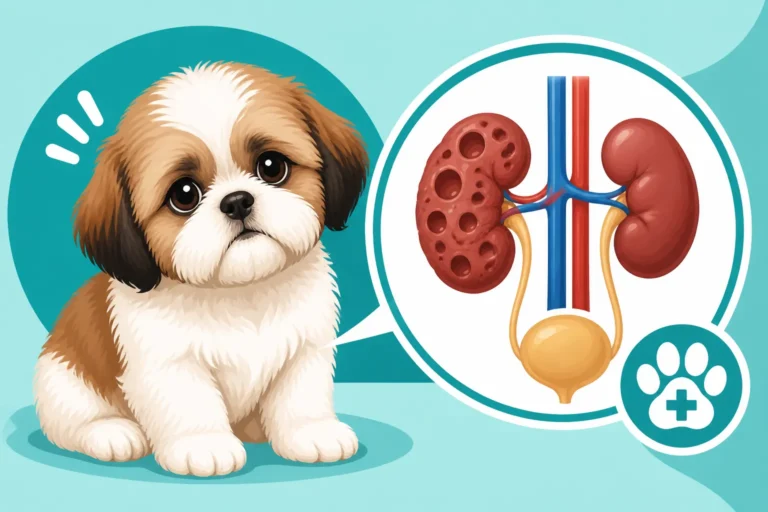
Renal dysplasia is a truly difficult diagnosis to receive. It means that the kidneys, essential organs responsible for filtering waste products from the blood and maintaining fluid balance, didn't develop properly before birth. Instead of healthy, functional kidney tissue, affected puppies have abnormal, immature structures. These underdeveloped kidneys simply cannot perform their vital functions effectively, leading to a cascade of health problems.
What Renal Dysplasia Does to a Young Puppy
Imagine trying to keep your house clean with a broken filter on your vacuum – it just won't work. That's essentially what's happening inside a puppy with renal dysplasia. The kidneys aren't filtering toxins, leading to a buildup of waste products in their bloodstream. Puppies often appear perfectly normal at birth, which makes the eventual diagnosis even more shocking. The signs usually become apparent as they grow, typically between two and six months of age, though some cases might not manifest until later in life.
You might notice your sweet little fluffball has an insatiable thirst, always looking for water. They'll also be peeing much more often than a typical puppy, sometimes even having accidents in the house when they've been perfectly house-trained. This is because their dysfunctional kidneys can't concentrate urine effectively. Other symptoms include poor growth, a dull coat, loss of appetite, lethargy, and sometimes even vomiting. It's a progressive disease, meaning it worsens over time, and sadly, for many puppies, it leads to early kidney failure and a dramatically shortened lifespan. It’s a truly unfair hand for a little dog to be dealt. The heart-wrenching reality is often that these puppies don't make it to their first birthday, or if they do, their quality of life is severely compromised.
Diagnosing This Challenging Condition
When you notice these worrying signs, your veterinarian will be your first line of defense. They’ll likely start with blood and urine tests. The blood work might show elevated kidney values like BUN and creatinine, indicating that the kidneys aren't clearing waste. The urine will probably be very dilute, further supporting the suspicion of kidney dysfunction. For a definitive diagnosis of this challenging condition, a kidney biopsy is often required. This procedure involves taking a small tissue sample from the kidney and examining it under a microscope to confirm the presence of underdeveloped renal structures.
This entire process, from initial symptoms to diagnosis, can be incredibly stressful and expensive. Many owners find themselves facing significant veterinary bills, even before considering long-term care or palliative treatment. It’s during these trying times that having a robust pet insurance plan, perhaps from a provider like Healthy Paws, can make a real difference in the decisions you’re able to make for your beloved pet. They can often help cover a good portion of diagnostic tests and ongoing care, easing some of the financial burden during an already emotional period. Understanding the full picture of Renal Dysplasia Signs in a Shih Tzu Puppy can help you identify concerns early.
The Genetic Link: Is Renal Dysplasia Inherited?
This is the burning question for so many heartbroken owners and ethical breeders alike: is this terrible condition just a random occurrence, or is it passed down through family lines? The answer, unfortunately, is a clear yes – renal dysplasia in Shih Tzus is indeed an inherited disease. It’s not something a puppy "catches" but rather something they are born with, due to the genes they inherit from their parents.
Autosomal Recessive Inheritance Explained
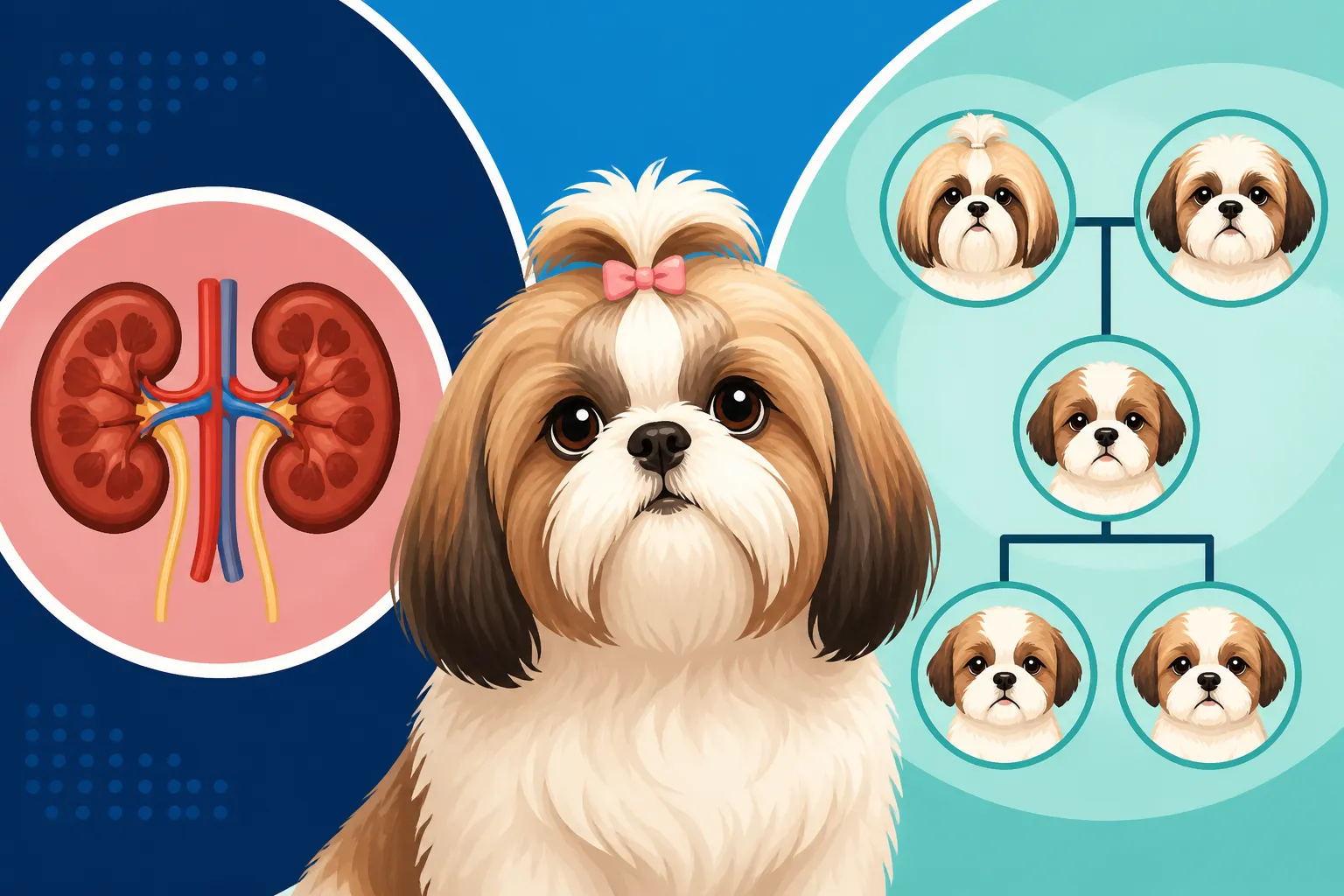
For Shih Tzus, renal dysplasia is understood to follow an autosomal recessive inheritance pattern. What does this mean in plain English? Let's break it down without getting too bogged down in complex genetics. Every dog has two copies of each gene – one inherited from their mother and one from their father. For a recessive trait like renal dysplasia, a dog must inherit two copies of the abnormal gene (one from each parent) to actually develop the disease.
Here’s a simple way to visualize it:
- Clear Dog (NN): Has two normal genes. They will not develop the disease and cannot pass on the abnormal gene.
- Carrier Dog (Nn): Has one normal gene and one abnormal gene. They are perfectly healthy themselves because the normal gene is dominant and "masks" the abnormal one. However, they can pass the abnormal gene on to their offspring. Carriers show no symptoms, making them particularly tricky to identify without genetic testing.
- Affected Dog (nn): Has two abnormal genes. They will develop renal dysplasia.
The tricky part is that if two carrier dogs (Nn x Nn) are bred together, there's a 25% chance with each puppy that they will inherit two abnormal genes (nn) and be affected by renal dysplasia. There's a 50% chance they will be carriers (Nn), and a 25% chance they will be clear (NN). This is why breeding two healthy-looking dogs can still result in affected puppies, causing immense surprise and sorrow for both the breeder and the new owners. The disease is quite literally hidden within the gene pool.
The Role of Genetic Testing for Breeders
Given this inheritance pattern, responsible breeding practices are absolutely paramount. It's not enough for breeders to just say their dogs "look healthy" or "have never had an issue." Because carriers don't show symptoms, genetic testing is the only reliable way to identify them. Reputable Shih Tzu breeders will proactively test their breeding stock for known genetic conditions, including renal dysplasia, before ever considering a litter. This involves submitting a DNA sample (usually a cheek swab or blood sample) to a specialized veterinary genetics laboratory.
By performing these tests, breeders can make informed decisions about which dogs to breed. The goal is to avoid breeding two carriers together at all costs. If a breeder discovers they have a carrier, they can still responsibly breed that dog with a "clear" dog (NN). In such a pairing, none of the puppies will be affected, although some will still be carriers. This allows breeders to slowly work to remove the affected gene from their lines without necessarily removing valuable breeding dogs from the gene pool overnight. It’s a long-term commitment to the health of the breed, but one that every ethical breeder should embrace. More information on The DNA and OFA Tests for a Shih Tzu Litter is essential for prospective owners.
| Breeding Pair Combination | Offspring with Renal Dysplasia | Carrier Offspring | Clear Offspring |
|---|---|---|---|
| Clear (NN) x Clear (NN) | 0% | 0% | 100% |
| Clear (NN) x Carrier (Nn) | 0% | 50% | 50% |
| Clear (NN) x Affected (nn) | 0% (all carriers) | 100% | 0% |
| Carrier (Nn) x Carrier (Nn) | 25% | 50% | 25% |
| Carrier (Nn) x Affected (nn) | 50% | 50% | 0% |
| Affected (nn) x Affected (nn) | 100% | 0% | 0% |
Note: This table illustrates the theoretical probabilities for each litter; actual results may vary.
Identifying At-Risk Litters and Responsible Breeders
As a prospective Shih Tzu owner, the idea of unknowingly bringing home a puppy predisposed to a severe genetic disease like renal dysplasia is terrifying. It's a huge responsibility to choose a puppy, and you want to do everything in your power to ensure they have the best possible start. Thankfully, there are concrete steps you can take to minimize this risk and find a truly responsible breeder who prioritizes the health of their dogs.
Asking the Right Questions to a Breeder
When you're speaking with a potential breeder, don't be afraid to ask direct, pointed questions about health. A truly responsible breeder will welcome these questions and be transparent, even proud, of the health testing they conduct. Here are some key questions you should absolutely be asking:
- "Have the parents of this litter been genetically tested for renal dysplasia?"
- "Can I see copies of the health clearances for both the mother and father?" (These should ideally be official results from a reputable lab or certified by a recognized organization like the Orthopedic Foundation for Animals, or OFA).
- "Do you offer any health guarantee for genetic conditions, and what does it cover?"
- "Have any puppies from previous litters from these parents, or their close relatives, ever been diagnosed with renal dysplasia or other kidney issues?"
Be wary of breeders who are vague, defensive, or dismissive of these concerns. Statements like "My dogs are healthy, they've never had a problem" are not enough, especially given the hidden nature of carrier status. A breeder who cannot provide documented proof of genetic testing for renal dysplasia should be a red flag. It shows a lack of commitment to actively reducing the risk of this devastating disease in their puppies. Remember, you're not just buying a puppy; you're investing in a lifetime of love and companionship, and you deserve to know you're making an informed choice. For further guidance on what to expect, refer to Health Testing a Shih Tzu Breeder Should Do.
The Importance of Health Clearances and Pedigrees
Health clearances aren't just fancy pieces of paper; they are tangible proof of a breeder's commitment to their breed's health. For renal dysplasia specifically, a DNA test identifying carrier status is crucial. Beyond that, reputable breeders often have a whole host of other clearances for common Shih Tzu issues, such as eye certifications (like from the Canine Eye Registry Foundation, or CERF, now part of OFA Eye Certification), patella evaluations, and cardiac screenings. This comprehensive approach ensures that they are breeding for overall health, not just one specific condition.
A pedigree can also tell you a lot, though it won't directly show carrier status. It will show the lineage of the dog, allowing you to see if there's a history of other health issues in the family line, or if the breeder is repeatedly using the same lines without introducing new, healthy genetics. While a pedigree cannot definitively say Whether Renal Dysplasia Is Inherited in Shih Tzus by simply looking at it, it allows you to trace lineage and ask more targeted questions. A breeder who proudly shares these documents and can explain what they mean is one you can likely trust. They understand the importance of transparency and accountability in their breeding program.
Managing Renal Dysplasia and Preventing Future Cases
Even with the best intentions and the most careful planning, sometimes things go wrong. If you find yourself with a Shih Tzu puppy diagnosed with renal dysplasia, it’s an incredibly difficult path, but there are ways to provide comfort and support. Beyond individual care, preventing future cases through responsible breeding is a collective effort crucial for the Shih Tzu breed as a whole.
Living with a Shih Tzu Diagnosed with Renal Dysplasia
Receiving a diagnosis of renal dysplasia can feel like a punch to the gut. The prognosis, especially for puppies diagnosed early and severely affected, is often guarded. However, depending on the severity and how early it's caught, some Shih Tzus can live for months or even a few years with careful management. This usually involves supportive care aimed at reducing the burden on the kidneys and managing symptoms.
Your veterinarian will work closely with you to develop a care plan. This often includes a special kidney-friendly diet, which is typically lower in protein, phosphorus, and sodium, and sometimes supplemented with omega-3 fatty acids. These diets are specifically formulated to reduce the accumulation of waste products and slow the progression of kidney disease. Ensuring constant access to fresh water is also critical, as these dogs tend to be chronically dehydrated due to their inability to concentrate urine. Medications might be prescribed to help manage symptoms like nausea, vomiting, or high blood pressure, which can accompany kidney disease. Regular veterinary check-ups and blood work will be necessary to monitor kidney function and adjust treatment as needed. It's a journey that requires immense dedication, love, and often, significant financial resources. This is another area where the support of a pet insurance policy, such as those offered by Healthy Paws, could alleviate some stress, helping cover costs for prescription diets, medications, and frequent vet visits. Understanding the specific needs for a Kidney Diets for a Shih Tzu will be vital for managing their condition.
The Broader Impact on Responsible Breeding
The devastating reality of renal dysplasia underscores the ethical obligations of Shih Tzu breeders. Every affected puppy is a direct result of inherited genetics. Therefore, the long-term health of the breed depends heavily on breeders consistently implementing genetic testing and making responsible breeding choices. This means not only testing their breeding stock but also understanding the pedigrees and health history of all dogs in their lines.
For breeders who identify a carrier dog, the decision of whether to breed them can be complex. While it’s ideal to eventually remove the defective gene from the breed entirely, simply removing all carriers from the breeding pool too quickly can drastically shrink the gene pool, potentially leading to other genetic problems due to lack of diversity. A more nuanced approach involves breeding carriers only with clear dogs, carefully monitoring their offspring, and then testing the puppies to identify future carriers that can be responsibly placed in pet homes (with full disclosure to owners) or bred forward with clear mates. This methodical approach helps preserve genetic diversity while slowly working towards eradicating the disease. It's a testament to a breeder's integrity to tackle such challenges head-on, prioritizing the health and future of their beloved Shih Tzu breed above all else. This commitment ensures that fewer families will experience the profound grief of a puppy suffering from Renal Dysplasia and the Shih Tzu Kidney.
Disclaimer
Please remember that the information provided in this guide is for educational purposes only and should not replace professional veterinary advice. Always consult with a qualified veterinarian for any health concerns or before making any decisions about your pet's care.