Renal Dysplasia Signs in a Shih Tzu Puppy
Bringing a new Shih Tzu puppy home is a time filled with so much joy and anticipation, but sometimes, hidden health concerns can cast a shadow over those early days. One of the most heartbreaking and challenging conditions a Shih Tzu puppy can face is renal dysplasia, a congenital kidney disorder that can lead to severe health issues or even a shortened lifespan. This comprehensive guide will walk you through the subtle, often confusing signs of renal dysplasia in a Shih Tzu puppy, helping you understand what to look for and when to seek urgent veterinary care.
Understanding Renal Dysplasia in Shih Tzus
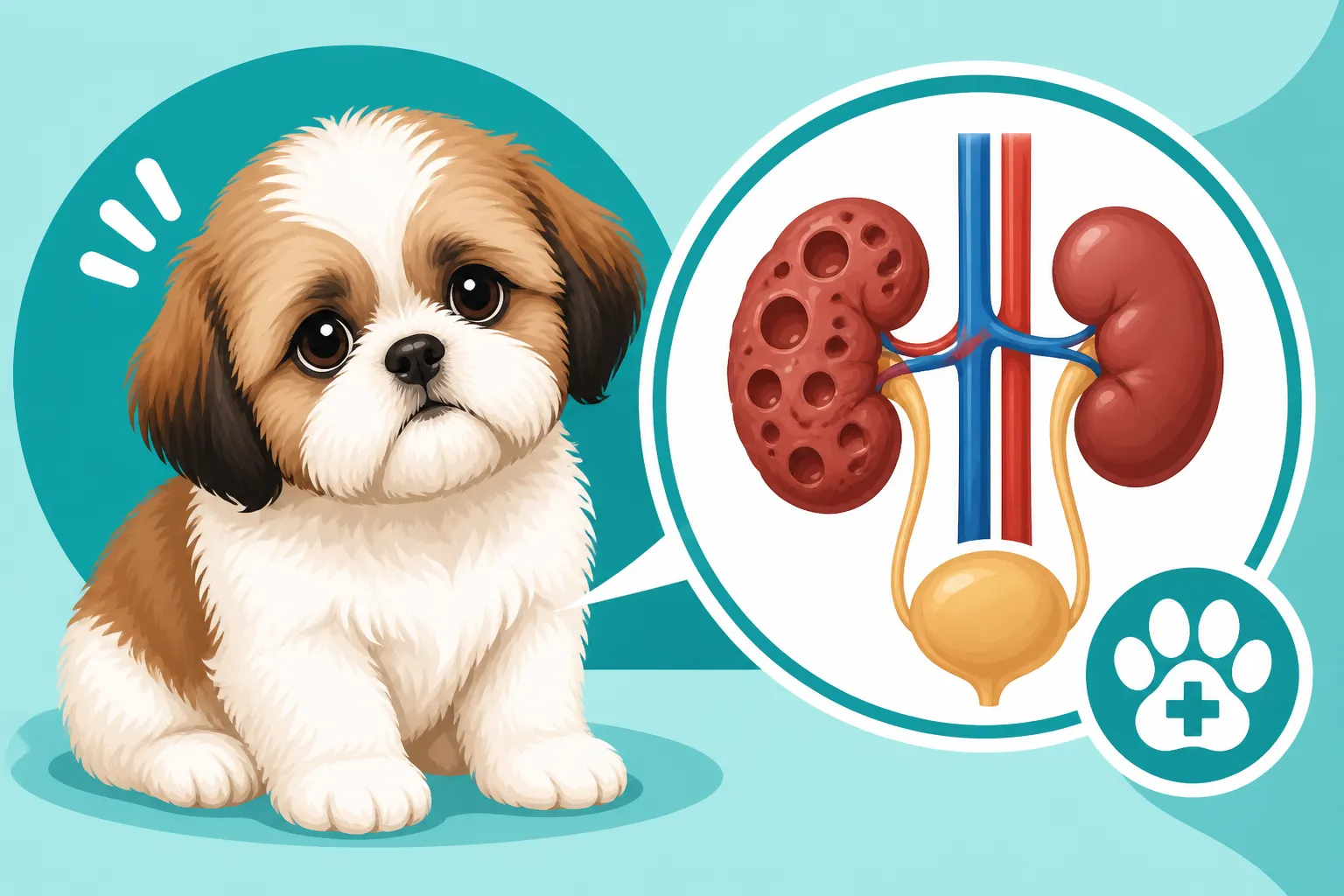
Renal dysplasia is a complex and often devastating inherited kidney condition that affects puppies, including our beloved Shih Tzus. Essentially, it means the kidneys haven't developed properly from birth, resulting in abnormal and immature kidney tissue that can't effectively filter waste from the blood. It’s not something a puppy "catches" later in life; they are born with it, and the severity can vary widely, from mild dysfunction that might allow for a relatively normal lifespan, to severe cases that can be fatal in early puppyhood.
It’s an incredibly frustrating diagnosis for owners because it’s not something you can prevent through diet or lifestyle choices once the puppy is conceived. The roots of this condition lie deep within the genetic makeup, passed down from one or both parents, even if the parents themselves show no signs. This genetic link is why responsible breeding practices, including health testing, are so crucial. When you hear about Renal Dysplasia and the Shih Tzu Kidney, this is often the underlying hereditary issue being discussed.
The Genetic Predisposition in Shih Tzus
Unfortunately, Shih Tzus, along with several other breeds like Lhasa Apsos, are known to have a genetic predisposition to renal dysplasia. This isn't to say every Shih Tzu will develop it, but the breed carries a higher risk factor. The exact mode of inheritance can be complex, involving multiple genes, but in many cases, it's considered an autosomal recessive trait, meaning a puppy needs to inherit the defective gene from both parents to be affected. However, some research suggests it might be more complicated, with variable penetrance, where even puppies with the gene might not show severe symptoms.
This genetic lottery makes choosing a breeder incredibly important. A reputable breeder will be transparent about the health history of their breeding lines and may even perform specific health screenings on parent dogs to minimize the risk. They should be able to discuss Whether Renal Dysplasia Is Inherited in Shih Tzus and what steps they take to prevent it. Without proper screening, it's a silent threat that can unexpectedly surface, leaving families reeling when their cherished new puppy begins to show signs of illness far too early.
How Kidney Malformation Impacts Puppy Health
The kidneys are vital organs, acting as the body's filtration system. They remove waste products, regulate blood pressure, produce hormones, and maintain electrolyte balance. When a puppy has renal dysplasia, these essential functions are compromised because the kidney tissue itself is malformed and lacks the mature structures needed to do its job. Imagine trying to filter water through a sieve with holes that are either too big or completely blocked – it just doesn’t work efficiently.
In a puppy, this means waste products like urea and creatinine can build up in the bloodstream, a condition known as uremia. This toxic buildup can damage other organs and cause a cascade of symptoms affecting nearly every body system. Furthermore, the kidneys might struggle to conserve water, leading to excessive urination and subsequent dehydration, which exacerbates the problem. The impact on a growing puppy, whose body is already working hard to develop, is profound and can manifest in a range of subtle to severe signs.
Subtle Early Signs of Kidney Trouble in Puppies
Detecting renal dysplasia early in a Shih Tzu puppy can be incredibly challenging because the initial signs are often vague, easy to miss, or mimic common puppy ailments. You might dismiss them as "just a puppy thing" or attribute them to the stress of a new home. However, paying close attention to these subtle changes can make a world of difference in getting an early diagnosis and potentially managing the condition to improve your puppy’s quality of life. Don't ever feel like you're overreacting; trust your gut if something feels off.
One of the most insidious aspects of early kidney disease, including renal dysplasia, is that the kidneys often have a significant reserve capacity. This means a puppy might lose a substantial portion of kidney function before overt clinical signs become apparent. This "silent phase" can lull owners into a false sense of security, delaying veterinary consultation until the disease has progressed considerably.
Increased Thirst and Urination
Perhaps one of the earliest and most commonly overlooked signs of kidney issues in a puppy is a noticeable increase in thirst (polydipsia) and, consequently, increased urination (polyuria). It can be tough to spot in a young puppy because all puppies drink and pee a lot! They’re growing, exploring, and often still learning house training. But if you find yourself refilling the water bowl more frequently than seems normal, or if your puppy is having more accidents in the house despite consistent training, it’s worth noting.
This happens because the malformed kidneys struggle to concentrate urine. Instead of producing small amounts of highly concentrated urine, they produce large volumes of dilute urine, essentially flushing out more water than they should. The puppy then drinks more to compensate for this constant water loss. This symptom is so critical that there's even a specific long-tail topic dedicated to it: Excessive Thirst as the First Kidney Sign. Keep a close eye on the water bowl and potty breaks; any significant change in frequency or volume should raise a red flag.
Poor Growth and Lack of Appetite
Another very subtle, yet critical, sign that a Shih Tzu puppy might be struggling with renal dysplasia is a failure to thrive or poor growth compared to its littermates or breed standards. You might notice your puppy seems smaller, lighter, or just not as robust as it should be at its age. This isn’t just about size; it’s about overall vitality. A puppy with renal dysplasia often lacks the vigorous energy you’d expect from a healthy young dog. You may notice your puppy seems a bit behind the curve, not quite reaching milestones, and this is explicitly captured in the discussion around Renal Dysplasia in a Shih Tzu Puppy That Will Not Grow.
Accompanying this can be a finicky appetite or a complete lack of interest in food (anorexia). Puppies with kidney issues often feel nauseous due to the buildup of toxins in their blood. What puppy doesn't adore mealtime? If your Shih Tzu puppy is consistently turning its nose up at food, or eating very little, it's a serious concern. This poor appetite directly contributes to their failure to grow properly, creating a vicious cycle where malnutrition further weakens their already compromised system.
More Obvious Indicators as the Disease Progresses
As renal dysplasia progresses and more kidney function is lost, the signs become less subtle and much more concerning. These symptoms are usually clear indicators that something significant is wrong and require immediate veterinary attention. It’s at this stage that owners often realize their puppy’s vague early signs were indeed pointing to a serious underlying issue.
The advanced stages of renal dysplasia mean that the kidneys are losing their battle to filter toxins effectively, leading to a build-up that starts to impact other organ systems more severely. This can be a very distressing time for owners, as their once playful pup may become visibly ill.
Vomiting, Lethargy, and Weakness
When toxins accumulate in the bloodstream, they can irritate the digestive system and affect brain function. This often leads to persistent vomiting, which can be frequent and not necessarily related to meal times. The puppy might also experience diarrhea. This isn’t just an upset stomach; it’s a systemic response to internal toxicity. You might even notice a distinct, unpleasant ammonia-like odor on their breath, which is another sign of uremic toxins.
Coupled with gastrointestinal upset, a puppy with advancing renal dysplasia will become profoundly lethargic and weak. They won't want to play, may sleep much more than usual, and might struggle with even short walks. Their movements can appear uncoordinated or stiff, and they might seem generally unwell, losing their puppy exuberance. This extreme tiredness isn't just about being sleepy; it's a sign their body is struggling under the load of metabolic waste products. This is a critical time to act quickly.
Oral Sores and Poor Coat Condition
The systemic nature of kidney disease can even manifest in the mouth and on the skin. You might notice painful-looking sores or ulcers on the gums, tongue, or inside the cheeks. These uremic ulcers are caused by the body trying to excrete toxins through other mucous membranes, which then become inflamed and damaged. A puppy with oral ulcers will likely show pain when eating or drinking, further exacerbating their poor appetite.
Additionally, a once vibrant, fluffy Shih Tzu coat can start to look dull, dry, and brittle. It might lose its shine, become coarse to the touch, and the puppy might experience excessive shedding. This poor coat condition is often a reflection of overall poor health and nutritional deficiencies resulting from the disease. While a Shih Tzu's coat requires extensive care like daily brushing, if the coat suddenly declines despite your best efforts, it’s another piece of the puzzle suggesting a deeper health problem.
When to Seek Veterinary Attention
It cannot be stressed enough: if you suspect any of the signs mentioned above, no matter how subtle, it's always best to consult your veterinarian immediately. With kidney disease, time is of the essence. Early intervention, even if only for symptomatic support, can significantly impact your puppy's comfort and potentially extend their quality of life. Never delay out of fear of overreacting.
Remember, veterinarians are trained to spot these subtle cues and will have the diagnostic tools needed to investigate further. It's much better to have peace of mind than to wait until a treatable condition becomes critical. If you have pet insurance, companies like Healthy Paws can often help with the unexpected costs of diagnostic testing and treatment for illnesses like renal dysplasia, but getting those early claims in is important.
Emergency Signs Requiring Immediate Care
Some signs are not just concerning but constitute a genuine emergency that requires immediate veterinary attention, day or night. If your Shih Tzu puppy exhibits any of these, don't wait for regular office hours; head to an emergency vet clinic:
- Sudden collapse or severe weakness: If your puppy suddenly can’t stand or walk.
- Seizures: Uncontrolled shaking, twitching, or loss of consciousness.
- Inability to urinate: This can indicate a blockage, a serious and painful complication. While Shih Tzu Bladder Stones and Urinary Problems are usually distinct from renal dysplasia, a puppy with compromised kidneys can develop secondary urinary issues.
- Severe, persistent vomiting or diarrhea: Leading to rapid dehydration.
- Extreme lethargy or unresponsiveness: If your puppy is difficult to rouse or seems "out of it."
These symptoms indicate a crisis point where the body's systems are severely failing. Emergency care can provide fluids, stabilize electrolytes, and offer medications to help manage the immediate life-threatening effects of kidney failure. Being prepared for this possibility is a good idea for any Shih Tzu owner, especially given their breed-specific health concerns.
Discussing Concerns at Routine Check-ups
Even if your puppy isn't showing emergency signs, it's crucial to openly discuss any and all concerns with your vet during routine check-ups. Don't dismiss a slight increase in thirst, a minor dip in appetite, or slower growth as "nothing." Your vet can perform a thorough physical examination, listen to your observations, and recommend initial screening tests that are relatively non-invasive.
For example, your vet might suggest a complete blood count (CBC) and a biochemistry panel, which includes kidney values like BUN (blood urea nitrogen) and creatinine. They might also recommend a urinalysis to check the urine concentration and for the presence of protein, blood, or crystals. Catching abnormalities in these routine tests early, especially values that reflect Shih Tzu Kidney Values on Routine Bloodwork, can prompt further investigation and potentially lead to an earlier diagnosis of renal dysplasia before the disease progresses too far. Being proactive with your vet is the best strategy for your puppy's long-term health.
Diagnosis and Prognosis for Shih Tzu Puppies
Receiving a diagnosis of renal dysplasia for your Shih Tzu puppy is undoubtedly one of the hardest things a pet parent can go through. It's a moment filled with anxiety, fear, and a desperate desire for answers and solutions. Understanding the diagnostic process and what the prognosis might entail can help you navigate this difficult journey with your vet, allowing you to make informed decisions for your beloved companion.
The diagnostic journey often starts with those routine blood and urine tests, but usually, more advanced imaging and specialized tests are required to confirm renal dysplasia and rule out other conditions that might present with similar symptoms.
Diagnostic Tests for Kidney Disease
Confirming renal dysplasia typically involves a combination of tests that assess kidney function and structural integrity. Your vet will likely perform the following:
- Blood Chemistry Panel: This measures waste products like BUN and creatinine, which are elevated when kidneys aren't filtering properly. It also checks electrolyte levels (like potassium and phosphorus), which can become unbalanced. This is a crucial step in How Vets Diagnose Shih Tzu Renal Dysplasia.
- Urinalysis: This evaluates urine specific gravity (how concentrated the urine is), indicating the kidneys' ability to conserve water. It also looks for protein in the urine, which is abnormal, and signs of infection or inflammation.
- Urine Protein:Creatinine Ratio: A more accurate measure of protein loss through the kidneys.
- Abdominal Ultrasound: This non-invasive imaging technique allows the vet to visualize the kidneys' size, shape, and internal structure. In cases of renal dysplasia, the kidneys might appear smaller than normal, irregular in shape, or have an abnormal internal architecture. This is often the definitive diagnostic tool that reveals the characteristic malformations.
- Kidney Biopsy: In some cases, a small tissue sample from the kidney might be collected and examined under a microscope (histopathology). This provides a definitive diagnosis by identifying the abnormal, immature kidney tissue characteristic of renal dysplasia. However, this is an invasive procedure and is not always performed, especially in fragile puppies.
- Genetic Testing: If available for specific genetic mutations linked to renal dysplasia in Shih Tzus, this can confirm a genetic basis, particularly if parents are also tested.
It's a comprehensive approach, and your vet will guide you through each step. If you've been proactive with pet insurance like Healthy Paws, these diagnostic tests and subsequent treatments can be significantly less burdensome financially, allowing you to focus on your puppy's care.
Understanding the Prognosis
The prognosis for a Shih Tzu puppy diagnosed with renal dysplasia varies dramatically depending on the severity of the malformation and how much functional kidney tissue remains. It's not a one-size-fits-all situation.
- Severe Cases: Puppies with severely underdeveloped kidneys often show signs very early in life, sometimes as young as 2-3 months old. Their condition can progress rapidly, leading to kidney failure within months. The prognosis in these cases is unfortunately guarded to poor, and owners might face difficult decisions about their puppy's quality of life.
- Moderate Cases: Some puppies might have more functional kidney tissue and only show signs later in puppyhood or even young adulthood. With careful management, including dietary changes and regular monitoring, these dogs can sometimes live for several years, though their lifespan is typically shorter than that of a healthy Shih Tzu.
- Mild Cases: In very mild cases, a Shih Tzu might have subtle kidney changes that never progress to overt disease or only cause mild issues in old age. These cases are often only discovered incidentally during routine bloodwork or post-mortem examination for an unrelated cause.
Your veterinarian will discuss the specifics of your puppy's prognosis based on the test results and their clinical assessment. It's a heavy conversation, but knowing what to expect can help you prepare emotionally and practically for the road ahead.
Living with a Shih Tzu Puppy Diagnosed with Renal Dysplasia
A diagnosis of renal dysplasia doesn't necessarily mean an immediate end to hope. For many families, it means adjusting expectations and committing to a lifelong journey of supportive care designed to manage the condition and maintain the best possible quality of life for their beloved Shih Tzu. While it can be challenging, witnessing the resilience of these little fighters is truly inspiring.
The focus shifts from cure to management, aiming to slow the progression of kidney damage, minimize the buildup of toxins, and alleviate symptoms that can make your puppy uncomfortable.
Dietary Management and Fluid Therapy
Diet plays a pivotal role in managing kidney disease. Your veterinarian will likely recommend a prescription renal diet specifically formulated for dogs with kidney issues. These diets are typically:
- Lower in protein: To reduce the workload on the kidneys and minimize the production of nitrogenous waste products. However, the protein included is of high quality to ensure the puppy still gets essential amino acids for growth and muscle maintenance.
- Restricted in phosphorus: High phosphorus levels can worsen kidney disease and cause other health problems.
- Supplemented with omega-3 fatty acids: These can help reduce inflammation in the kidneys.
- Adjusted in sodium content: To help manage blood pressure.
Learning about Kidney Diets for a Shih Tzu is a critical step. Transitioning your puppy to this new food carefully and ensuring they eat it consistently will be vital. Sometimes, puppies with reduced appetite can be picky, so your vet might offer tips or alternative prescription food options.
Fluid therapy is another cornerstone of managing renal dysplasia. Because the kidneys struggle to conserve water, maintaining proper hydration is paramount. This means always having fresh water available, considering elevated bowls to make drinking easier for a flat-faced breed, and sometimes even offering wet food or adding water to kibble. In more advanced cases, or during periods of crisis, your vet might teach you how to administer subcutaneous (under the skin) fluids at home. This can significantly help flush out toxins and keep your puppy hydrated, directly addressing the concerns raised in Water Intake for a Shih Tzu With Kidney Disease.
Ongoing Monitoring and Supportive Care
Living with a Shih Tzu puppy with renal dysplasia requires a commitment to ongoing veterinary care and vigilant observation at home. Your vet will recommend a schedule of regular check-ups, which will include:
- Blood and Urine Tests: Frequent monitoring of kidney values, electrolytes, and urine concentration will help your vet track the disease's progression and adjust treatment plans as needed. This allows them to stay on top of things like Testing a Shih Tzu for Kidney Disease.
- Blood Pressure Monitoring: Kidney disease can affect blood pressure, so regular checks are important to prevent complications like retinal detachment or further kidney damage.
- Medications: Depending on symptoms, your puppy might need medications to manage nausea (antiemetics), stomach acid (antacids), anemia (if present), or to bind phosphorus in their diet.
- Nutritional Supplements: Your vet might recommend supplements, such as B vitamins (which are often lost through increased urination) or specific kidney-support supplements.
At home, you'll need to be observant of any changes in your puppy's drinking, eating, urination, energy levels, and overall demeanor. Keeping a journal of these observations can be incredibly helpful for your vet. While this journey can be emotionally and financially demanding, seeing your Shih Tzu puppy enjoy their days, even with a chronic illness, makes all the effort worthwhile. Companies like Healthy Paws can often alleviate some of the financial burden associated with the long-term management of chronic conditions, making comprehensive care more accessible.
| Symptom Category | Early Signs (Often Subtle) | Progressive Signs (More Obvious) | Emergency Signs (Immediate Vet Care) |
|---|---|---|---|
| Hydration/Urination | Increased thirst (polydipsia) | Frequent, dilute urination (polyuria) | Inability to urinate (blockage) |
| More frequent urination/accidents | Dehydration (sunken eyes, sticky gums) | ||
| Appetite/Digestion | Finicky eating, mild decreased appetite | Nausea, persistent vomiting/diarrhea | Severe, uncontrollable vomiting/diarrhea |
| Weight loss | |||
| Energy/Behavior | Mild lethargy, less playful than littermates | Significant lethargy, weakness, lack of interest in play | Sudden collapse, seizures, unresponsiveness |
| Muscle weakness | |||
| Physical Appearance | Poor growth, smaller size for age | Dull, brittle coat, oral ulcers (sores in mouth), bad breath | |
| Failure to thrive |
Disclaimer
This article is intended for informational purposes only and does not constitute medical advice. Always consult with a qualified veterinarian for any health concerns or before making any decisions about your pet's health or treatment.