What a Shih Tzu Costs Before It Comes Home
Bringing a new Shih Tzu into your life is an incredibly exciting time, full of anticipation for cuddles and companionship. However, it's easy to get swept up in the joy and overlook the practical reality that there are significant financial commitments to consider even before your new fluffy family member walks through your door. This guide is here to help you navigate those often-underestimated upfront costs, ensuring you're fully prepared and can welcome your Shih Tzu home with confidence, not sticker shock.
The Initial Adoption or Purchase Price: More Than Just a Number
The very first expense you’ll encounter is the cost of acquiring your Shih Tzu, whether through a reputable breeder or a rescue organization. This isn't just a simple fee; it reflects a host of factors, from the care the animal has already received to the ethical practices of where it comes from.
Understanding Breeder Costs vs. Rescue Fees
When you look at puppies from a reputable Shih Tzu breeder, their prices often seem substantial. But what exactly are you paying for? A good breeder invests heavily in the health and well-being of their breeding dogs and their litters. This includes extensive health testing on the parent dogs for genetic conditions common in the breed, such as eye certifications, patellar luxation screenings, and potentially DNA panels. They provide high-quality nutrition, regular veterinary care, early socialization, and a clean, safe environment. They are also available to support you throughout your Shih Tzu's life. These are the breeders who can show you Why a Health-Tested Shih Tzu Litter Costs More and will provide health guarantees. Their prices reflect this comprehensive, responsible approach, ensuring you get a healthy, well-adjusted puppy, reducing the likelihood of costly health issues down the line. You'll find a wide range of Shih Tzu puppy prices, often depending on these factors and regional variations.
On the other hand, adopting a Shih Tzu from a rescue organization typically involves a lower adoption fee. These fees are usually set to cover some of the costs incurred by the rescue for spaying or neutering, age-appropriate vaccinations, microchipping, deworming, and any immediate veterinary care the dog needed upon arrival. Rescues often take in dogs from various backgrounds, some requiring extensive medical treatment or behavioral rehabilitation. While the fee might be less than a breeder's price, it's important to remember that you're contributing to the ongoing work of the rescue, giving a second chance to a dog in need. The dog may be an adult or even a senior, which sometimes comes with its own considerations, but rescue groups do thorough evaluations to match dogs with the right families.
What Influences a Shih Tzu's Upfront Price
Several elements can sway the price tag attached to a Shih Tzu. For puppies, a strong pedigree with champion lines or parents that have excelled in conformation shows can increase the price, as the breeder is preserving specific breed traits. The geographical location can also play a role, with prices often higher in areas with greater demand or a higher cost of living. Some breeders might also charge more for specific, "rare" coat colors, though it's important to prioritize health and temperament over aesthetics. Be wary of terms like "Imperial" or "Teacup" Shih Tzus; these are not recognized by official breed standards and often indicate an undersized dog that can come with significant health risks. A healthy Shih Tzu typically weighs between 9 and 16 pounds as an adult, and intentionally breeding smaller dogs can lead to chronic health issues. Remember, a higher price doesn't automatically mean a better dog, and a lower price can sometimes hide neglected health or poor breeding practices. Responsible breeders will always be transparent about their pricing and what it includes. You'll often see general ranges for Shih Tzu Puppy Prices Between $1,000 and $2,500, but this is a broad spectrum, and it's essential to understand what justifies the specific cost.
Essential Supplies for Bringing Your Shih Tzu Home
Once you’ve committed to bringing a Shih Tzu home, your next step is to prepare their new living space. This involves purchasing a range of supplies that are crucial for their safety, comfort, and initial training. Don't underestimate these costs; while seemingly small individually, they add up quickly.
Crate, Bedding, and Containment
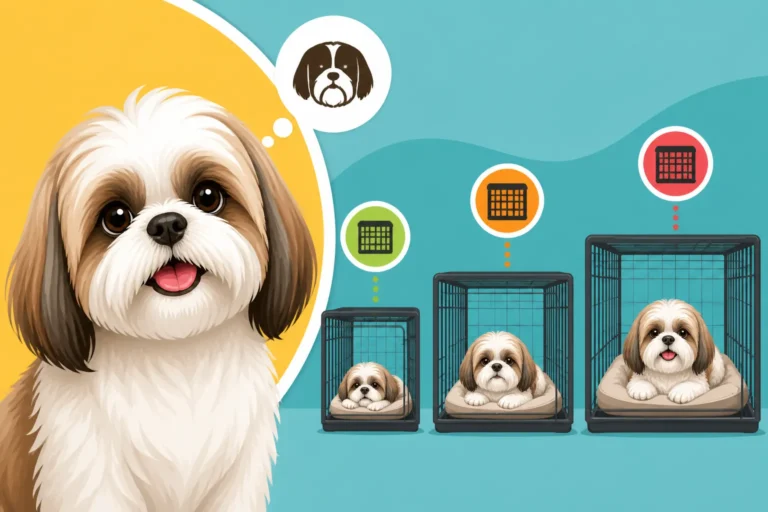
Even if you don't plan on crate training your Shih Tzu long-term, having a crate is invaluable for house training, creating a safe den, and for transportation. A crate should be just large enough for your Shih Tzu to stand up, turn around, and lie down comfortably. For a Shih Tzu, this typically means a small to medium-sized crate. There are wire crates, plastic airline-style crates, and even decorative furniture-style crates, each with different price points. You'll also need soft, washable bedding for the crate to make it cozy. Beyond the crate, consider baby gates or exercise pens to safely confine your Shih Tzu to certain areas of your home, especially during the initial house-training phase or when you can't supervise them directly. This prevents accidents and keeps them safe from household hazards.
Food, Bowls, and Treats
Before your Shih Tzu arrives, you should have their food ready. Ideally, you’ll want to continue feeding the food they were on at the breeder or rescue to avoid an abrupt dietary change, which can upset their stomach. Ask for a small supply or the brand name in advance. You'll need to purchase a bag of high-quality puppy or adult food suitable for small breeds. Pay attention to the kibble size; a Shih Tzu's brachycephalic (flat) face and often undershot jaw mean they need Kibble Small Enough for a Shih Tzu Underbite. You'll also need food and water bowls. Stainless steel or ceramic are often recommended as they are easy to clean and less likely to harbor bacteria than plastic. Some owners opt for elevated bowls or bowls specifically designed to keep a Shih Tzu's beard dry while drinking. Don't forget training treats! Small, soft, high-value treats are essential for positive reinforcement during initial training sessions. Chewy is a fantastic resource for stocking up on these essentials, offering a wide variety of brands and types of food, treats, and bowls that cater to specific breed needs. Many also appreciate the convenience and selection offered by online retailers when preparing for a new pet. If you're considering fresh food options, services like Ollie deliver pre-portioned, human-grade meals directly to your door, which can be an excellent choice for a small breed once they've settled in and you've consulted with your vet.
Grooming Essentials Before the First Professional Visit
The Shih Tzu's iconic long, flowing double coat is beautiful but demands significant upkeep. Even if you plan on regular professional grooming, you'll need a basic set of tools from day one to prevent mats and introduce your puppy to the grooming routine. This includes a slicker brush and a metal comb. Learning The Brush and Comb a Shih Tzu Coat Demands will save you headaches (and money) later. You'll also need a gentle, tearless shampoo and conditioner formulated for dogs, as regular bathing will be a part of their routine, especially if they have a full coat. Ear cleaner, nail clippers or a grinder, and specific wipes for cleaning their face and tear stains are also crucial. Start gently handling and brushing your Shih Tzu daily from the moment they arrive. This acclimates them to the process and makes future grooming sessions, whether at home or with a professional, much less stressful. Pay particular attention to their eyes; products like Shih Tzu Eye Wipes and Tear Stain Products can help manage tear staining and keep the delicate area clean.
Leash, Harness, and Carrier
For your Shih Tzu's safety and comfort, a harness is a must. Due to their delicate trachea (windpipe) and brachycephalic breathing, attaching a leash to a collar can put dangerous pressure on their throat, especially if they pull. A well-fitting harness distributes pressure across their chest and shoulders, protecting their neck. Look for Harnesses That Do Not Mat a Shih Tzu Coat to keep their long hair from tangling. You'll need a lightweight leash, typically 4-6 feet long. Finally, a safe and secure carrier is essential for trips to the vet, travel, and any situation where you need to transport your Shih Tzu safely. Opt for a carrier that is well-ventilated, comfortable, and appropriately sized for your dog, allowing them to stand and turn around.
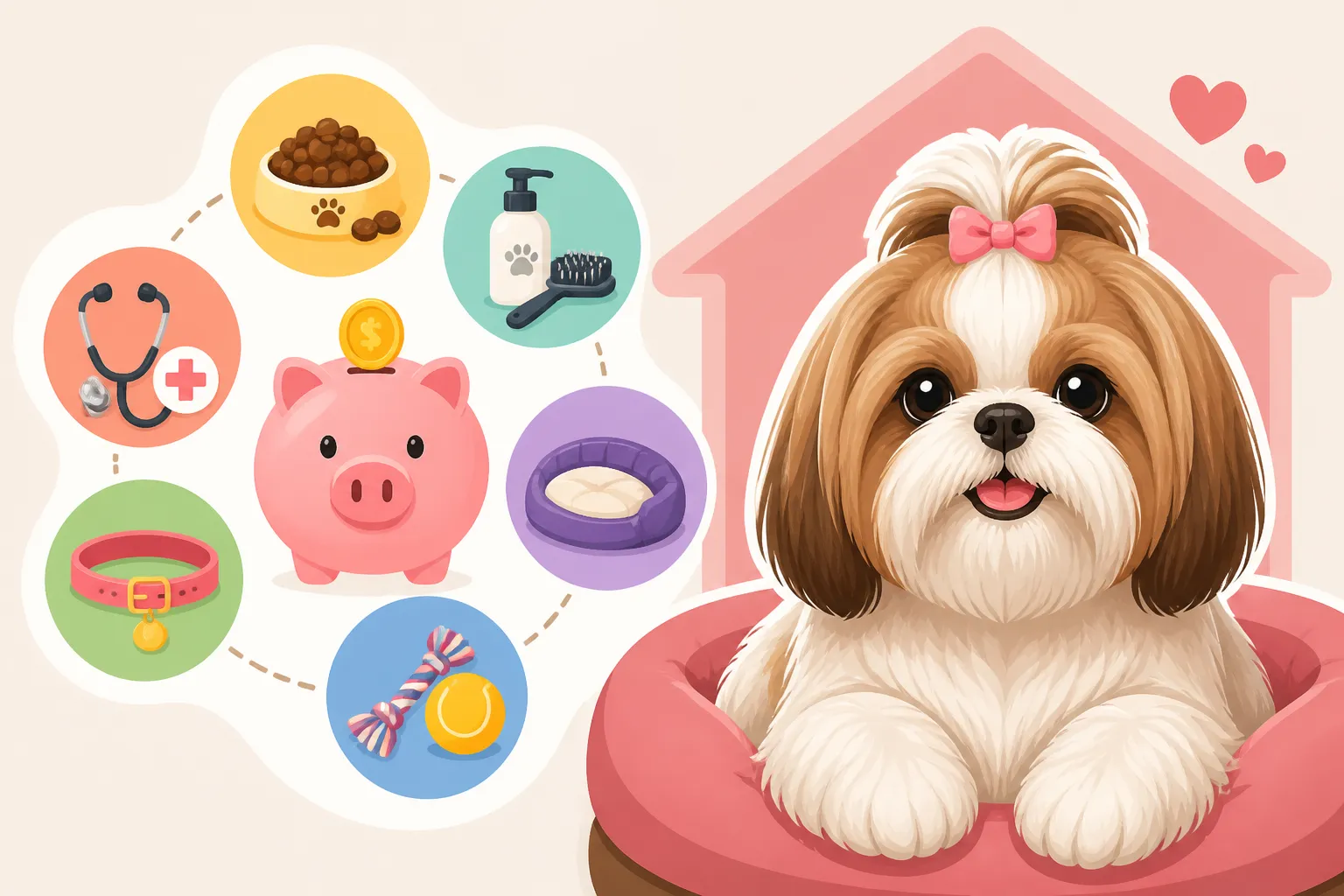
Here's a quick look at some common upfront supply categories:
| Category | Essential Items | Typical Cost Shape (Initial) |
|---|---|---|
| Acquisition | Purchase Price/Adoption Fee | Mid to High |
| Containment | Crate, Bedding, Playpen/Gates | Mid |
| Feeding | Food, Bowls, Training Treats | Low to Mid |
| Grooming (Basic) | Brush, Comb, Shampoo, Ear Cleaner, Nail Clippers, Eye Wipes | Low |
| Walking/Travel | Harness, Leash, Carrier | Low to Mid |
| Initial Vet Visit | Exam, Vaccinations, Deworming, Microchip | Mid to High |
| Miscellaneous | Toys, Collar with ID tag, Poop Bags | Low |
First Vet Visits and Medical Preparations
Even if your new Shih Tzu puppy or adopted adult dog has already seen a vet, a thorough check-up with your chosen veterinarian shortly after bringing them home is non-negotiable. This initial medical care is a significant upfront cost but is absolutely vital for their long-term health.
Initial Health Check-up and Vaccinations
Within the first few days of bringing your Shih Tzu home, schedule an appointment with your veterinarian. This first visit, often referred to as The Puppy Check a Shih Tzu Needs at Eight Weeks for youngsters, is crucial. Your vet will perform a comprehensive physical exam, checking everything from their teeth and ears to their heart and lungs. They'll confirm your Shih Tzu's general health, look for any potential issues, and discuss a vaccination schedule. If your puppy hasn't completed their full series of vaccinations (which is common for young puppies), you'll need to budget for follow-up appointments. These vaccinations protect against common and dangerous diseases. Additionally, a fecal test will be done to check for intestinal parasites, and deworming will be administered if necessary. These initial vet fees encompass the examination, lab tests, and the cost of any initial vaccines or deworming medications.
Parasite Prevention and Microchipping
Beyond the initial deworming, you'll need to start your Shih Tzu on a regular regimen of parasite prevention. This typically includes monthly medication for fleas, ticks, and heartworm. These preventatives are essential for protecting your dog's health and can be a recurring, but critical, cost. Your vet will recommend the best products and dosages based on your Shih Tzu's weight and your local area's parasite prevalence. Many owners consider this a fundamental part of responsible pet ownership.
Another important upfront cost is microchipping, if your Shih Tzu hasn't already been done. A microchip is a tiny device implanted under the skin, offering permanent identification. Should your Shih Tzu ever get lost, a microchip greatly increases the chances of a happy reunion. There's a one-time fee for the implantation, and often a small, separate registration fee to ensure your contact information is linked to the chip in a national database.
If you've adopted a puppy or young adult who hasn't been spayed or neutered, this will be another significant upfront veterinary expense. Most rescues perform this procedure before adoption, but if you've acquired a puppy from a breeder, you'll likely be responsible for it around six months of age.
Pet Insurance Considerations
While not strictly an immediate upfront cost like a bag of food, making an informed decision about pet insurance before your Shih Tzu comes home, or at least in their first few weeks, can save you immense financial heartache down the line. Many owners regret not getting pet insurance sooner when an unexpected illness or accident strikes. The key here is "pre-existing conditions." If your Shih Tzu develops a health issue before you enroll in a policy, that condition will likely be excluded from coverage. Given that Shih Tzus can be prone to certain health concerns like eye issues (such as Shih Tzu Corneal Ulcers and Dry Eye) or brachycephalic airway syndrome, getting coverage early is a smart move. Companies like Healthy Paws offer various plans, and understanding what they cover, especially for a flat-faced breed, is crucial. For instance, knowing what your policy does or doesn't cover regarding Insuring a Shih Tzu Before an Eye Claim can make a huge difference if your Shih Tzu experiences one of the breed's common eye problems. It's an investment in peace of mind, allowing you to focus on your dog's care rather than agonizing over veterinary bills.
Miscellaneous Preparations and "Hidden" Upfront Costs
Beyond the most obvious expenses, there are several other preparations and "hidden" costs that can quickly add to your initial outlay. Being aware of these helps you budget more accurately.
Training Classes or Resources
Even though Shih Tzus are companion dogs, they benefit immensely from early training and socialization. A well-mannered Shih Tzu is a joy to live with, and starting early prevents undesirable behaviors from forming. Puppy kindergarten classes are an excellent investment, providing socialization with other puppies and people, and teaching you fundamental obedience cues. These classes come with a fee, but the benefits are priceless. If group classes aren't for you, consider private training sessions or investing in online courses and books. Understanding how to motivate your specific dog and how to make training fun is key for this intelligent but sometimes stubborn breed. Look for Puppy Classes That Suit a Shih Tzu that focus on positive reinforcement and are sensitive to toy breed dynamics. Even simple things like learning basic cues or practicing polite greetings can prevent future headaches.
Licensing and Identification Tags
Most cities, counties, and states require dogs to be licensed. This is typically an annual fee, but you'll pay for the first year upfront. Licensing ensures that your dog is registered with local authorities and often helps fund animal control services. Along with a microchip, an identification tag on your Shih Tzu's collar (or harness) is another crucial layer of protection. These tags, which usually include your contact information and your dog's name, are a small upfront cost but can be invaluable if your dog ever slips away.
Pet-Proofing Your Home
Bringing a new dog into your home means looking at your environment through their eyes – or nose, rather! What seems harmless to you might be a hazard for a curious puppy or an adult exploring a new space. Pet-proofing your home involves costs for things like baby gates to block off restricted areas, cord covers to protect electrical wires, and ensuring all household chemicals, medications, and toxic plants are well out of reach. You might need to secure cabinets or move valuable items. Additionally, accidents will happen, especially during house-training. Investing in high-quality enzymatic cleaners specifically designed for pet odors is a smart upfront purchase. These cleaners break down odor molecules rather than just masking them, which is essential to prevent your Shih Tzu from repeatedly soiling the same spot. Learning about Cleaning Shih Tzu Accidents Properly will save your floors and your sanity.
Remember, while the initial costs can seem daunting, preparing thoroughly ensures a smooth transition and a happy, healthy start for your new Shih Tzu. These upfront investments are the foundation for many years of love and companionship.
Disclaimer
This article is for general informational purposes only and does not constitute professional advice. Laws, prices and regulations vary by location and change over time. Consult a qualified professional for guidance on your specific situation.