Shih Tzu Entropion Surgery Cost
It's incredibly worrying when you notice something isn't quite right with your Shih Tzu's eyes. These precious little companions are known for their expressive, often prominent eyes, which unfortunately also makes them prone to certain conditions. One of the most common and distressing is entropion, where the eyelid rolls inward, causing constant irritation. The immediate thought for any loving owner is "How much will it cost to fix this?" This guide is here to walk you through the various financial aspects and considerations surrounding Shih Tzu entropion surgery.
Understanding Entropion: Why Your Shih Tzu's Eyelids Turn Inward
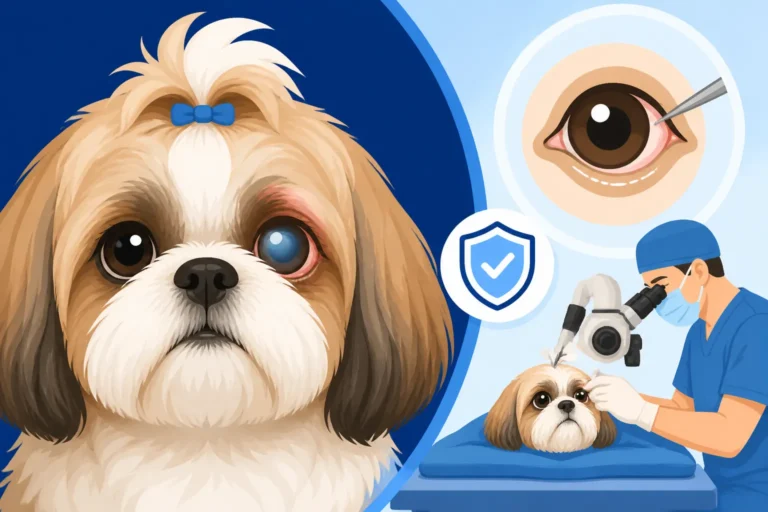
When you look at your Shih Tzu, you probably adore those big, dark eyes framed by their beautiful hair. But sometimes, that unique facial structure, a hallmark of brachycephalic breeds, can lead to trouble. Entropion is a condition that, simply put, means the eyelid — usually the lower one, but sometimes the upper — folds inward toward the eyeball. This isn't just a minor annoyance; it causes constant friction as the eyelashes and fur rub directly against the delicate surface of the cornea.
What Exactly is Entropion?
Imagine having a stray eyelash in your eye, but all the time, and multiply that discomfort by ten. That's essentially what your Shih Tzu experiences with entropion. The inner lining of the eyelid and the surrounding hairs are rough against the smooth, sensitive cornea. This constant irritation can be incredibly painful. Shih Tzus are particularly susceptible due to their facial anatomy; their prominent eyes and loose facial skin can contribute to the eyelid's tendency to roll inward. It's often genetic, meaning it can be passed down through generations, and it's something responsible breeders screen for. Ignoring it isn't an option, as it leads to more severe problems down the line.
The chronic rubbing doesn't just hurt; it starts to damage the eye. You might notice your dog squinting, tearing excessively, or trying to rub their face on furniture or carpets. This self-trauma only makes things worse. Without intervention, this persistent irritation can lead to inflammation, infection, and eventually, the formation of scar tissue on the cornea, which can impair vision. In severe, untreated cases, it can even lead to more serious conditions like corneal ulcers or even the loss of the eye itself. It's a progressive issue that won't simply go away on its own.
Recognizing the Signs and Symptoms
Catching entropion early is crucial for the best outcome and to minimize discomfort for your Shih Tzu. The signs can be subtle at first, often mistaken for allergies or just "being dramatic." However, as the condition progresses, they become more pronounced and impossible to ignore. Keep a close watch on your pup's eyes daily, especially if they have a history of eye issues or if they are a younger dog, as symptoms can emerge as they grow.
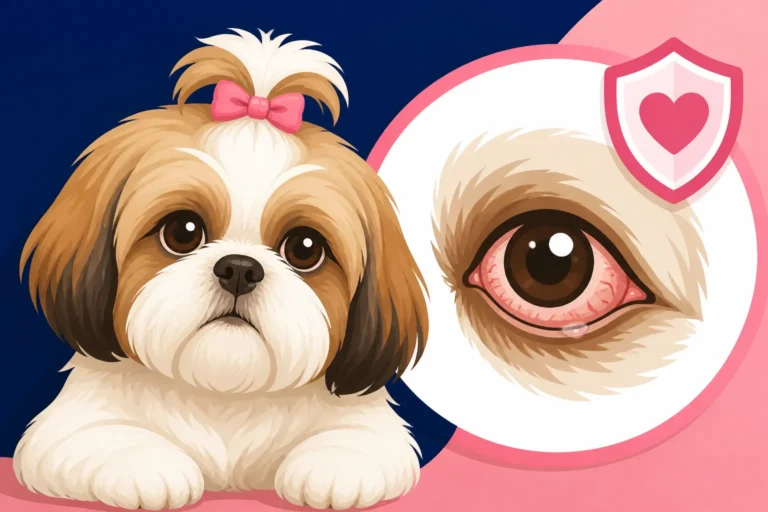
One of the first things you might notice is increased tearing. Your Shih Tzu's eyes might look perpetually wet, and you might see dark tear stains accumulating around the inner corners. This happens because the irritation stimulates tear production. Another common sign is squinting or holding one or both eyes partially closed, especially in bright light. Your dog might also paw at their face, rub their head along the floor, or try to get you to scratch their eyes. The whites of their eyes might appear red or inflamed, and in some cases, you might even see visible discharge. If you gently part the eyelids, you might even be able to observe the inward rolling of the lid margin directly. Don't forget, chronic irritation can also lead to more serious issues like Shih Tzu Corneal Ulcers and Dry Eye or even Pigmentary Keratitis in a Shih Tzu, where dark pigmentation starts to spread across the cornea, further obscuring vision.
The Necessity of Surgical Correction
When it comes to entropion in Shih Tzus, surgical correction isn't just a recommendation; it's almost always a necessity for long-term relief and to prevent irreversible damage. While medicated eye drops or ointments might offer temporary relief from inflammation and pain, they do not fix the underlying anatomical problem. They can manage symptoms, but they won't stop the eyelashes and fur from constantly abrading the cornea. This is why a vet will typically recommend surgery.
The surgery, known as blepharoplasty, aims to correct the eyelid's position, allowing it to sit normally and prevent contact with the eyeball. It’s a precise procedure, usually performed by a general veterinarian or, in more complex cases, by a veterinary ophthalmologist. The goal is to remove a small strip of skin and muscle from the affected eyelid, which creates tension that pulls the lid back into its correct position. Sometimes, temporary tacking sutures are used in puppies or young dogs to see if the issue resolves as they grow, but for most adult Shih Tzus, a permanent surgical solution is required. Delaying surgery only increases the risk of chronic pain, infection, and permanent vision loss. You may want to read more about Shih Tzu Eyelash and Eyelid Problems to understand the full spectrum of challenges these dogs face.
Deconstructing the Cost of Shih Tzu Entropion Surgery
Understanding the total cost of entropion surgery means looking beyond just the surgeon's fee. There are many components, from the initial consultation to post-operative care, and each contributes to the final bill. The overall price can vary quite a bit depending on several factors, including your geographic location, whether your regular vet performs the surgery, or if you need to see a specialist.
Initial Consultations and Diagnostic Fees
Before any surgery happens, your Shih Tzu will need a thorough examination. This initial vet visit will typically involve a general check-up and a detailed eye examination. Your primary veterinarian will confirm the diagnosis of entropion and assess its severity. They might perform a fluorescein stain test to check for corneal ulcers, which is a common secondary complication of entropion. This test involves putting an orange dye in the eye; if an ulcer is present, the dye will stick to the damaged area and glow green under a special light.
If the case is straightforward, your general vet might feel comfortable performing the surgery. However, for more complicated cases, or if your vet prefers, they might refer you to a board-certified veterinary ophthalmologist. This referral means additional consultation fees. A specialist will conduct an even more in-depth examination, possibly using specialized equipment like a slit lamp to get a magnified view of the eye structures. These initial diagnostic visits can range anywhere from $50 to $200 for a general vet, and a specialist consultation could be $150 to $300 or more, not including any specific tests. These are crucial steps, though, as they ensure an accurate diagnosis and appropriate surgical planning.
Pre-Surgical Preparations and Anesthesia Concerns
Any surgery involving anesthesia comes with pre-operative requirements, especially for a brachycephalic breed like the Shih Tzu. Their unique flat-faced structure, while adorable, means they have an increased risk when undergoing anesthesia. This is why thorough pre-anesthetic testing is non-negotiable and adds to the overall cost. Your vet will recommend bloodwork, which typically includes a complete blood count (CBC) and a chemistry panel, to ensure your Shih Tzu's internal organs (like kidneys and liver) are functioning properly and can safely process anesthetic drugs. These tests usually run between $100 and $250.
Beyond the standard blood panel, some vets might recommend additional tests for a Shih Tzu. For instance, an electrocardiogram (ECG) might be suggested to check heart health, especially if your dog is older or has any murmurs detected during a physical exam. The cost of anesthesia itself is also a significant portion of the bill. It’s not just the drug; it includes the monitoring equipment, the trained veterinary technician who monitors your dog's vital signs throughout the procedure, and the time spent under anesthesia. Given the increased risks for brachycephalic breeds, vets often take extra precautions, which can include longer pre-oxygenation times and more intensive monitoring. You might want to explore articles like Anesthesia on a Flat-Faced Shih Tzu and Pre-Anesthetic Testing Before a Shih Tzu Dental to understand the specific concerns and safety measures involved when these dogs go under.
The Surgical Procedure Itself
This is often the largest single component of the overall bill. The cost of the entropion surgery itself encompasses the surgeon's fee, the use of the surgical facility, sterile supplies, and often the immediate post-operative medications administered in the clinic. The specific technique used, the severity of the entropion, and whether one or both eyes require correction will all impact the final price.
A typical entropion surgery can range from $800 to $2,000 per eye, but it's not uncommon for it to be higher in urban areas or with a specialist. If both eyes are affected, which is quite common, the cost will naturally be higher. Some clinics might offer a slight discount for doing both eyes at once, but expect to pay for two distinct procedures. The surgeon's skill and experience, particularly with delicate ophthalmic procedures on small breeds, also play a role in their fees. A board-certified veterinary ophthalmologist, while potentially more expensive, brings a level of expertise that can be invaluable for ensuring the best possible outcome for your Shih Tzu's vision and comfort. This part of the cost covers the actual time spent performing the delicate eyelid reconstruction, ensuring the correct amount of tissue is removed and the eyelid is properly repositioned to prevent future irritation.
| Cost Component | Typical Range (USD) | Notes |
|---|---|---|
| Initial Vet Exam/Diagnosis | $50 – $200 | General vet, includes fluorescein stain if needed. |
| Specialist Consultation | $150 – $300+ | If referred to a veterinary ophthalmologist. |
| Pre-Anesthetic Bloodwork | $100 – $250 | Essential for safety, especially for brachycephalic breeds. |
| Anesthesia Fee | $300 – $700+ | Includes drugs, monitoring, and technician time. Higher for longer procedures. |
| Surgeon's Fee (per eye) | $800 – $2,000+ | Varies by location, vet experience, and complexity. |
| Facility/Supply Fees | $100 – $300 | Use of operating room, sterile drapes, sutures, etc. |
| Post-Op Medications (initial) | $50 – $150 | Pain medication, antibiotics, anti-inflammatory eye drops given at discharge. |
| Total per eye (Estimated) | $1,510 – $3,900+ | This can double if both eyes are done. Complications add to the cost. |
Navigating the Surgical Journey: Pre-Op, Procedure, and Recovery Expenses
The journey doesn't end once the surgery is complete; the recovery phase is just as important for a successful outcome and incurs its own set of costs. Proper post-operative care is vital to prevent complications, ensure healing, and keep your Shih Tzu comfortable. It requires diligence from you, the owner, and continued monitoring by your veterinary team.
Managing Recovery at Home
Once your Shih Tzu is home, you'll be responsible for administering prescribed medications and ensuring they heal properly. You can expect to go home with a regimen of pain medication, antibiotics (oral or topical eye drops), and possibly anti-inflammatory eye drops or ointments. These medications are crucial for preventing infection, managing discomfort, and reducing swelling. The cost of these take-home medications can typically range from $50 to $150, depending on the specific drugs and duration of treatment.
A crucial item for recovery is an Elizabethan collar, often called an "e-collar" or "cone of shame." Your Shih Tzu absolutely must wear this to prevent them from scratching, rubbing, or otherwise traumatizing their healing eyes and sutures. While some vets provide a basic plastic cone, you might consider investing in a softer, more comfortable alternative available from retailers like Chewy, which can cost anywhere from $20 to $50. Your dog will also need follow-up appointments with the vet to check the healing progress and remove sutures, usually one to three times over the course of a few weeks. Each follow-up visit can cost $40 to $80, plus the potential cost of additional medication if needed.
Potential Complications and Additional Costs
Unfortunately, even with the best care, complications can sometimes arise, adding unexpected costs. Infection at the surgical site is a possibility, requiring further antibiotic treatment. In some cases, the initial surgery might not achieve full correction, especially if the entropion was severe or if scar tissue forms during healing. This might necessitate a second, corrective surgery, which means repeating many of the initial costs. While this is less common with experienced surgeons, it's a possibility to be aware of.
Another potential issue is the development or worsening of other eye conditions. For instance, if the chronic irritation from entropion already led to corneal damage, your Shih Tzu might need ongoing treatment for issues like Shih Tzu Corneal Ulcers From a Shallow Socket or Pigmentary Keratitis in a Shih Tzu. These can require specialized drops or even additional procedures. While these aren't direct costs of the entropion surgery itself, they are related expenses that can arise from the condition and its treatment. Being prepared for these possibilities, both emotionally and financially, is part of being a responsible pet parent.
Lifelong Eye Care and Prevention
Even after a successful entropion surgery, it's wise to remain vigilant about your Shih Tzu's eye health. Their predisposition to eye issues due to their brachycephalic features means ongoing care is important. Regular vet check-ups will include an examination of their eyes to ensure no recurrence of entropion or the development of new problems. You'll want to stay on top of daily face cleaning, especially around their eyes, to prevent tear staining and irritation. Maintaining a proper grooming schedule, whether it's full coat maintenance or a practical "puppy cut," is also key to keeping hair from irritating their eyes. For more insights on this, check out our guide on Trimming Face Hair Away From Shih Tzu Eyes.
You might also consider adding eye health supplements to their diet, though always discuss this with your vet first. If your Shih Tzu suffered chronic corneal damage before surgery, they might need lifelong lubricating eye drops to keep their eyes moist and comfortable, especially if they are also prone to dry eye. This ongoing care, while less dramatic than surgery, contributes to their long-term well-being and can help prevent future expensive interventions. Investing in high-quality food, like options from Ollie, ensuring good nutrition can also support overall health, including ocular health, contributing to a stronger recovery and general vitality.
Financial Planning and Support for Your Shih Tzu's Eye Health
The sticker shock of veterinary surgery, especially for something as delicate as eye repair, can be overwhelming. But there are strategies and resources available to help you manage these costs and ensure your beloved Shih Tzu receives the care they need. Taking proactive steps can alleviate some of the financial burden when an emergency or necessary procedure arises.
Pet Insurance and Entropion Coverage
Pet insurance can be a lifesaver for unexpected veterinary bills, but it's crucial to understand how it works, especially concerning pre-existing conditions. If your Shih Tzu is diagnosed with entropion before you enroll them in an insurance plan, it will almost certainly be considered a pre-existing condition and will not be covered. This is why enrolling your pet in a comprehensive pet insurance plan, like those offered by Healthy Paws, when they are young and healthy is often recommended.
If you have an existing policy, check your specific coverage details. Some plans might cover a portion of specialist consultations, diagnostics, surgery, and post-operative medications. You'll typically have a deductible to meet and then the insurance company will reimburse a percentage (e.g., 70-90%) of the remaining costs. Make sure you understand what your policy covers and what exclusions apply. For instance, some plans might have specific limitations for hereditary conditions, though entropion is generally considered a treatable medical condition. Understanding how to Set a Shih Tzu Deductible Against Eye Bills can help you choose the right plan for your needs.
Budgeting and Emergency Funds
Even with insurance, you'll still have out-of-pocket expenses for deductibles and co-payments. For those without insurance, the full cost falls to them. This is where diligent financial planning comes into play. Creating a dedicated savings account for veterinary emergencies can provide immense peace of mind. Even setting aside a small amount each month can grow into a substantial fund over time. Consider it an investment in your Shih Tzu's future health.
If you find yourself facing an immediate, unexpected bill without sufficient savings or insurance, talk to your veterinary clinic. Many practices understand the financial strain of pet care and offer payment plans or work with third-party financing options like CareCredit. These options allow you to break down a large bill into more manageable monthly payments. It's also worthwhile to explore resources on Budgeting for a Shih Tzu With Chronic Eye Disease to get a clearer picture of potential long-term financial commitments.
Seeking Financial Assistance
When costs become truly prohibitive, there are organizations and programs designed to help pet owners. Many national and local animal welfare organizations offer financial aid or resources for low-income pet owners facing significant veterinary expenses. Organizations like the Pet Fund, RedRover, and Waggle often provide grants or assist with fundraising for specific medical procedures.
Additionally, breed-specific rescues, such as Shih Tzu rescues, might have funds or networks that can offer assistance. They often encounter dogs with medical needs and are sometimes able to provide support. Don't hesitate to ask your veterinary team if they know of any local charities or funds that could help. They often have firsthand knowledge of resources available in your community. Exploring all these avenues can provide a crucial safety net when your Shih Tzu needs entropion surgery and you're worried about how to afford it.
Disclaimer
The information provided in this article is for general informational purposes only and is not a substitute for professional veterinary advice. Always consult with a qualified veterinarian regarding your Shih Tzu's specific medical conditions, diagnosis, and treatment options. Costs mentioned are estimates and can vary widely based on location, specific veterinary practice, and individual circumstances.