Shih Tzu Eye Removal Cost
Dealing with a beloved Shih Tzu's eye problems can be one of the most agonizing experiences for a pet parent. From that initial scary moment when an eye might bulge out, to facing chronic pain or irreparable damage, the emotional rollercoaster is intense. And amidst all this worry, the practical question of "how much will this cost?" inevitably surfaces, adding another heavy layer of stress. This guide is here to walk you through the various financial aspects of Shih Tzu eye removal surgery, helping you understand the expenses involved and offering strategies to manage this challenging situation.
Why a Shih Tzu Might Need Eye Removal
It’s never an easy decision to consider eye removal for your furry companion. As Shih Tzu owners, we know their prominent, expressive eyes are a hallmark of the breed, and the thought of one being gone is truly heartbreaking. But sometimes, it becomes the kindest, most responsible choice for their quality of life. Understanding why this step might be necessary can help validate the difficult path you're on.
Severe Proptosis and Irreparable Damage
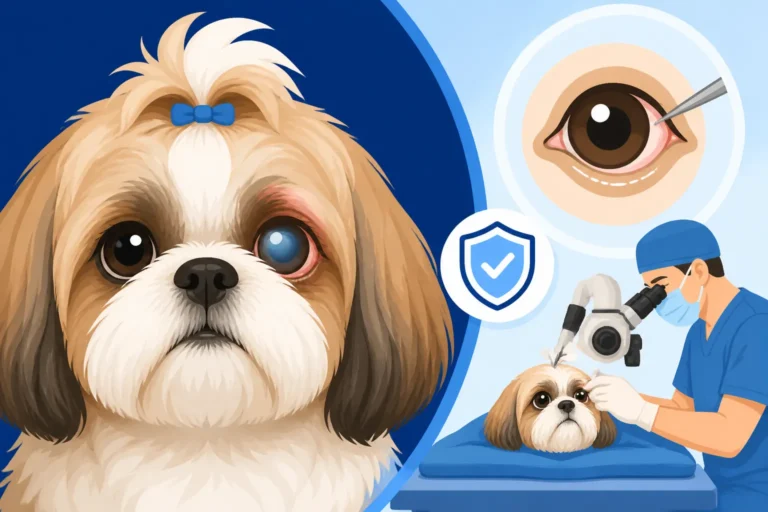
One of the most common and terrifying reasons a Shih Tzu might need eye removal is due to severe proptosis. This is when the eyeball literally pops out of its socket. Because of their shallow eye sockets and bulging eyes, Shih Tzus are incredibly prone to this, often from even mild trauma like rough play, a fall, or even being held too tightly. If you've ever had a scare, you know how quickly panic can set in. While immediate veterinary attention is crucial, sometimes the damage to the optic nerve, muscles, or blood supply is so severe that the eye cannot be saved, or saving it would mean a lifetime of pain and no vision. In these dire cases, the difficult choice of enucleation – eye removal – becomes necessary to prevent further suffering. It's a devastating moment when you realize that despite your best efforts, the eye is beyond repair. If you want to understand more about this specific emergency, you can read about Shih Tzu Eye Proptosis, the Emergency Owners Miss, and what you should What to Do in the First Minutes of a Proptosis. The question of Whether a Proptosed Shih Tzu Eye Can Be Saved often comes down to the extent of the damage and immediate medical intervention.
Chronic Pain from Unmanageable Eye Conditions
Beyond acute trauma, many Shih Tzus grapple with chronic eye conditions that cause immense, persistent pain, even if it's not always obvious to us. Conditions like severe corneal ulcers that refuse to heal, recurrent uveitis, or unresolvable dry eye can make every blink a source of discomfort. Imagine living with a constant ache behind your eye, or the feeling of grit perpetually scratching your cornea. Over time, this can significantly impact your dog's demeanor, energy levels, and overall happiness. They might become withdrawn, less playful, or even show signs of aggression because they're simply in so much pain. When medical treatments – from countless different eye drops to specialized medications – cease to provide relief, or the quality of life is severely compromised, eye removal offers the ultimate solution to eliminate that constant source of agony. It’s a brave decision made out of love, to truly give them peace. You might be familiar with the struggles of Shih Tzu Corneal Ulcers From a Shallow Socket or the lifelong commitment required for Dry Eye in a Shih Tzu and Lifelong Drops.
Uncontrolled Glaucoma and Vision Loss
Glaucoma is another relentless and incredibly painful condition that, sadly, often necessitates eye removal in Shih Tzus. This disease is characterized by dangerously high pressure inside the eye, which can rapidly damage the optic nerve and lead to irreversible blindness. While medications can sometimes manage glaucoma in its early stages, for many Shih Tzus, the pressure becomes impossible to control, leading to unrelenting pain, a bulging, cloudy eye, and complete vision loss. When the eye is no longer functional and is causing constant, throbbing pain, removing it is the only way to grant your dog relief. It's a heartbreaking scenario, especially if you've been diligently administering drops and visiting specialists, only to find the disease progressing. The moment you see A Shih Tzu Eye That Suddenly Turns Blue can be a terrifying indicator of this condition.
Understanding the Components of Shih Tzu Eye Removal Cost
When you're facing the possibility of eye removal for your Shih Tzu, it's natural to wonder about the financial outlay. The cost isn't just a single number; it's a sum of several crucial components, each contributing to the overall price tag. Prices can vary significantly based on your geographic location, the specific veterinary practice, and whether a specialist is involved. Generally, you can expect the total cost for Shih Tzu eye removal (enucleation) to range anywhere from $800 to $3,000 or more, depending on complexity and location. This range is a tough pill to swallow, but breaking down what goes into it helps make sense of the figures.
Pre-Operative Diagnostics and Consultations
Before any surgery, your vet needs to get a complete picture of your Shih Tzu's health to ensure they are a good candidate for anesthesia and to minimize risks. This involves a thorough physical exam, often including a specialist ophthalmology consultation if your primary vet isn't equipped to make the final call on enucleation. These consultations alone can range from $100 to $300. Then comes the diagnostic workup:
- Bloodwork: A full panel to check organ function (liver, kidneys), blood cell counts, and clotting abilities. This is vital to ensure your dog can safely process anesthesia and recover without complications. This usually runs $100-$250.
- Urinalysis: To assess kidney function further. Often included with bloodwork.
- Other Tests: Depending on your dog's age and existing health conditions, X-rays or even an ECG might be recommended, especially if there are concerns about heart health. These can add another $50-$200 per test.
These preliminary steps are absolutely critical, especially for a small, brachycephalic breed like a Shih Tzu, where underlying health issues can complicate surgery. They lay the groundwork for a safe procedure, even if they add to the initial bill.
The Surgical Procedure Itself
This is the core cost: the actual enucleation. The price here covers the surgeon's fee, the use of the operating room, and all the sterile supplies needed for the procedure. The surgery involves carefully removing the eyeball, sealing off blood vessels, and typically closing the eyelids permanently. The surgeon's expertise and the complexity of the case (e.g., if there's extensive infection or tissue damage) will influence this cost.
- Veterinarian vs. Specialist: A general practice veterinarian may charge less (perhaps $500-$1500 for the surgery portion) than a board-certified veterinary ophthalmologist, who might charge $1000-$2500 for their surgical fee alone due to their specialized training and equipment. While the cost is higher, a specialist often offers peace of mind, especially for complex cases.
- Implant Option: Sometimes, owners opt for an intraocular prosthetic (an artificial eye placed within the socket before closing) for cosmetic reasons. This adds significant cost, easily another $500-$1500, and is not always medically advisable depending on the underlying condition. It’s also not suitable for every case.
Anesthesia and Monitoring for Brachycephalic Breeds
This is a critically important, and often higher, component of the cost for Shih Tzus compared to other breeds. Anesthesia on a Flat-Faced Shih Tzu carries inherent risks due to their unique respiratory anatomy, specifically their brachycephalic (flat-faced) syndrome. They are more prone to breathing difficulties during and after anesthesia, requiring specialized care.
- Extended Monitoring: This means longer periods of skilled veterinary technician monitoring during the procedure and in recovery, using advanced equipment to track heart rate, blood pressure, oxygen levels, and carbon dioxide output.
- Specialized Protocols: Brachycephalic breeds often require specific anesthetic protocols, intubation techniques, and vigilant post-anesthetic observation to ensure their airway remains clear. This meticulous care naturally comes with a higher price tag, typically ranging from $300 to $800, but it's an investment in your Shih Tzu's safety. You can also learn more about Brachycephalic Breathing in a Shih Tzu to understand these risks better.
Post-Operative Medications and Follow-Up Visits
Once the surgery is done, the care doesn't stop. Your Shih Tzu will need a regimen of medications to manage pain, prevent infection, and aid healing.
- Pain Medication: Usually oral pain relievers (like NSAIDs or opioids) for several days or weeks. Cost: $30-$100.
- Antibiotics: To prevent post-surgical infection, either oral or sometimes topical if there are external wounds. Cost: $20-$80.
- Anti-Inflammatories: To reduce swelling and discomfort. Cost: $20-$70.
- E-Collar (Cone of Shame): Essential to prevent your Shih Tzu from scratching or rubbing the surgical site, which could lead to complications. Cost: $10-$30.
- Follow-Up Appointments: Typically, one or two follow-up visits are needed to check the incision site, remove sutures (if non-dissolvable), and ensure proper healing. Each visit can cost $50-$150, plus any additional treatments or medications if there are complications.
All these components add up, and it’s important to factor them into your overall budget.
Here’s a simplified breakdown of potential costs:
| Cost Component | General Vet Range (Approx.) | Specialist Vet Range (Approx.) |
|---|---|---|
| Pre-Op Exams & Diagnostics | $150 – $400 | $250 – $600 |
| Surgical Procedure (Enucleation) | $500 – $1,500 | $1,000 – $2,500 |
| Anesthesia & Monitoring | $300 – $600 | $500 – $800 |
| Post-Op Meds & Follow-ups | $100 – $300 | $150 – $400 |
| Total Estimated Cost | $1,050 – $2,800 | $1,900 – $4,300+ |
| Note: These are estimates and can vary significantly. |
Financial Planning for Shih Tzu Eye Surgery
Facing an unexpected and potentially costly surgery like eye removal for your Shih Tzu can feel overwhelming, but there are various financial avenues to explore. Don't let the cost alone deter you from providing the best care for your beloved pet.
Pet Insurance Coverage and Exclusions
Pet insurance can be a lifesaver for unexpected medical emergencies like eye removal. If you enrolled your Shih Tzu in a policy before any eye conditions developed, there's a good chance a significant portion of the surgery cost will be covered. Most comprehensive pet insurance plans, such as those offered by Healthy Paws, typically cover accidents and illnesses, including surgeries like enucleation. However, it's crucial to understand your policy's specifics:
- Deductible: This is the amount you pay out-of-pocket before your insurance starts covering costs.
- Reimbursement Rate: Policies usually reimburse 70-90% of eligible veterinary bills after the deductible is met. So, if your surgery costs $2,000, you have a $250 deductible, and an 80% reimbursement rate, you'd pay $250 + 20% of ($2,000 – $250) = $250 + $350 = $600, and the insurance would cover $1,400.
- Pre-Existing Conditions: This is the biggest catch. If your Shih Tzu had any signs or symptoms of the eye condition before you enrolled in insurance or during the waiting period, it will almost certainly be deemed a pre-existing condition and not be covered. This is why it's so important to get insurance when your pet is young and healthy. Learning about Shih Tzu Insurance Premiums Month by Month can help you budget for this important protection. When considering a policy, understanding Setting a Shih Tzu Deductible Against Eye Bills is key to managing out-of-pocket expenses.
Always review your policy document thoroughly and call your provider to confirm coverage before the surgery. Even if the full surgery isn't covered, some plans might cover diagnostic tests or post-operative medications.
Emergency Funds and Veterinary Payment Plans
If pet insurance isn't an option, or doesn't cover enough, don't despair. Many veterinary practices understand the financial strain of unexpected emergencies and offer solutions:
- Personal Emergency Fund: Ideally, every pet owner should have an emergency fund specifically for pet medical crises. Life happens, and having a few thousand dollars set aside can alleviate immense pressure.
- Payment Plans: Talk to your vet's office. Many clinics work with third-party financing companies like CareCredit or Scratchpay, which offer deferred interest or low-interest payment plans for veterinary expenses. These plans can break down a large bill into manageable monthly payments, often with an approval process similar to a credit card.
- Credit Cards: While not ideal due to high interest rates, a credit card can be a last resort for immediate payment, especially if you have a card with a 0% introductory APR and can pay it off within that period.
- Savings or Personal Loans: Consider dipping into personal savings or exploring a small personal loan from a bank or credit union. Sometimes, borrowing from friends or family might also be an option in a crisis. You can find more information about Vet Credit Lines for a Shih Tzu Emergency which can be a lifeline in these situations.
Considering Financial Aid Options
Beyond direct payment plans, several organizations offer financial assistance for pet owners facing costly veterinary care. It’s worth exploring these, though they often have specific eligibility requirements and limited funds:
- Breed-Specific Rescues: Some Shih Tzu rescues or breed clubs have funds set aside to help owners with emergency medical costs. Even if your dog wasn't adopted from them, they might offer guidance or support.
- Non-Profit Organizations: Organizations like The Pet Fund, RedRover, or provincial/state veterinary medical associations often have programs to help pet owners who demonstrate financial need. Eligibility can be strict, and applications often require proof of income and a diagnosis from your vet.
- Crowdfunding: Platforms like GoFundMe or other social media appeals can rally support from friends, family, and compassionate strangers. While not guaranteed, it has helped many pet owners cover significant medical bills.
- Veterinary School Programs: If you live near a veterinary teaching hospital, they sometimes have compassionate care funds or participate in studies that could reduce costs. Their care is also often state-of-the-art, albeit sometimes requiring longer wait times.
It’s definitely a good idea to start Budgeting for a Shih Tzu With Chronic Eye Disease early, as these conditions can often lead to escalating costs over time.
Life After Enucleation: Recovery and Ongoing Care Costs
The surgery itself is a major hurdle, but the journey doesn't end there. The recovery period and the adjustments your Shih Tzu will make to life with one eye (or no eyes) also involve ongoing care and some potential expenses. Understanding this long-term picture helps you prepare for the full commitment.
Medication and Home Care During Healing
The immediate weeks following eye removal are crucial for proper healing. You'll be responsible for administering medications and carefully monitoring the surgical site.
- Medication Adherence: Continuing pain relief and antibiotics is paramount. Skipping doses can lead to unnecessary discomfort or infection, potentially delaying healing and incurring more vet visits. Your vet will provide clear instructions, and Chewy can be a convenient resource for getting many common prescription medications delivered to your door, especially if they’re long-term.
- Wound Care: You'll likely need to keep the surgical site clean, which might involve gently wiping around the area with a warm, damp cloth, as instructed by your vet. The incision needs to be kept dry and free from debris.
- E-Collar Enforcement: The "cone of shame" is non-negotiable. Your Shih Tzu must wear it to prevent them from rubbing, scratching, or pawing at the healing site, which could pull stitches or introduce bacteria. While a basic plastic cone is typically provided, some owners find softer, more comfortable inflatable cones or recovery suits from pet supply stores like Chewy work better for their dog's comfort and their own sanity.
- Restricted Activity: Your Shih Tzu will need quiet rest. No roughhousing, no jumping on and off furniture, and short, leashed potty breaks only. This might mean extra vigilance and keeping them in a designated safe space or crate for a few weeks to ensure proper healing.
The cost for these post-operative care items is usually included in the initial estimates, but unexpected complications (like an infection requiring a different antibiotic) could lead to additional medication costs or emergency vet visits, each adding $50-$200+.
Adjusting to Life with One Eye or No Eyes
The good news is that dogs are incredibly resilient and adapt remarkably well to vision changes. Most Shih Tzus who undergo eye removal, especially if they've been living with chronic pain or limited vision in that eye already, experience a dramatic improvement in their quality of life.
- Spatial Awareness: Your dog will need a little time to adjust their depth perception. They might bump into things initially, especially on their blind side. Keep furniture in consistent locations and avoid startling them from the blind side.
- Safety Considerations: For a Shih Tzu with vision loss, especially if both eyes are affected, additional safety measures are important. This includes supervising them outdoors more closely, using ramps instead of stairs to protect their back and joints, and ensuring their environment is free of hazards.
- Enrichment: Continue to engage them with toys that squeak, crinkle, or have strong scents. Scent games can be particularly enriching. Even though a portion of their vision may be gone, their other senses will heighten, and they will rely more heavily on hearing and smell. Learning about Vision Loss in a Senior Shih Tzu can provide further insights into helping dogs adjust.
- Emotional Support: Just like us, dogs can have emotional responses to change. Be patient, shower them with affection, and maintain a consistent routine. Their confidence will grow as they learn their new normal. While there aren't direct financial costs for this adjustment, it requires an investment of your time, patience, and love.
Potential for Prosthetics or Ocular Implants
While not common or often medically necessary, some owners explore options for prosthetics for cosmetic reasons.
- Intraocular Prosthesis: As mentioned earlier, this is an artificial eye placed inside the socket after the diseased eye tissue is removed but before the eyelids are permanently closed. It aims to maintain the natural shape of the eye area. This is a specialized procedure that significantly increases the surgical cost and is only suitable if there’s no ongoing infection or risk of inflammation.
- External Prosthesis: Less common, these are like a "shell" that can be placed over a shrunken, non-functional eye. This is usually only an option if the original eye is still present but severely atrophied.
Both options carry higher costs and additional potential for complications, so they should be discussed thoroughly with a veterinary ophthalmologist. Most owners find that letting the eyelids close naturally provides the best long-term outcome for their Shih Tzu's comfort and health, with the fur growing over the area eventually making it less noticeable. For your dog, comfort and pain relief almost always outweigh cosmetic concerns.
Disclaimer
This guide is intended for informational purposes only and should not be taken as veterinary advice. Always consult with a qualified veterinarian or veterinary ophthalmologist for diagnosis, treatment, and accurate cost estimates for your specific Shih Tzu's condition. Medical costs can vary widely, and only a professional can assess your pet's needs.