A Shih Tzu Eye That Suddenly Turns Blue
Waking up to find your beloved Shih Tzu's eye suddenly looking cloudy or taking on a distinct blue hue can send a jolt of panic through any devoted pet parent. It's an alarming sight, and your immediate worry is completely understandable. This guide will walk you through what might cause a Shih Tzu's eye to turn blue, why our flat-faced friends are particularly susceptible to such issues, and crucially, what steps you need to take right away to protect their vision and comfort.
Understanding Corneal Edema in Shih Tzus
When you see a blue cloudiness in your Shih Tzu's eye, what you're likely witnessing is something called corneal edema. The cornea is the clear, outermost layer of the eye, much like a tiny, transparent window. Normally, it's perfectly clear, allowing light to pass through to the retina. Edema means swelling, and in this context, it refers to an accumulation of fluid within the layers of the cornea. This fluid buildup causes the cornea to lose its transparency, resulting in that hazy, bluish appearance you're seeing. It’s a bit like looking through a frosted window.
What Causes the Blue Haze
The blue haze itself isn't a disease but a symptom of an underlying problem. Think of it as your dog's eye sending a very clear distress signal. This fluid accumulation can be triggered by a variety of conditions, ranging from relatively minor irritations to severe, sight-threatening emergencies. For instance, a simple scratch on the eye could disrupt the corneal layers, allowing fluid to enter. More seriously, conditions like glaucoma, a sudden increase in pressure within the eye, can rapidly lead to corneal edema. Other potential culprits include dry eye syndrome, which over time can cause corneal changes, or even inflammation within the eye itself. Pinpointing the exact cause requires a professional diagnosis, which is why a veterinarian's assessment is non-negotiable when this symptom appears.
Why Shih Tzus Are Prone to Eye Issues
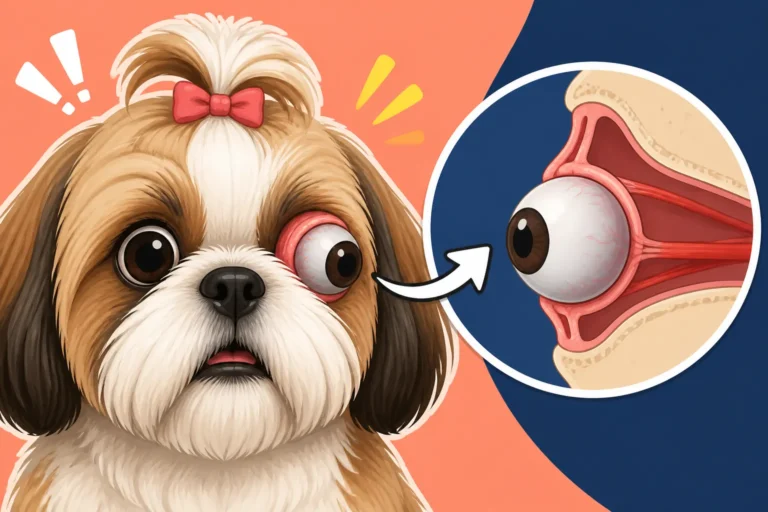
Let's be real, our Shih Tzus are utterly adorable with their big, expressive eyes, but those very features make them particularly vulnerable to a whole host of ocular problems. Their brachycephalic (flat-faced) anatomy means they have shallow eye sockets, which causes their eyes to protrude more than other breeds. This prominence leaves their eyes less protected and more exposed to potential trauma and environmental irritants.
Beyond the physical exposure, Shih Tzus are often predisposed to specific eyelid and eyelash issues. Conditions like entropion, where the eyelid rolls inward causing eyelashes to rub against the cornea, or ectropion, where the eyelid rolls outward, leaving the eye vulnerable, are unfortunately common. Even seemingly benign traits, such as their long facial hair, can become a hazard if not properly managed, potentially irritating the cornea and leading to issues. This constant exposure and structural predisposition mean that any small irritation can quickly escalate into a more serious problem, often manifesting as corneal edema or other forms of damage. For this reason, keeping an eye on things like Shih Tzu Eyelash and Eyelid Problems is crucial for their long-term health.
Differentiating from Tear Stains or Normal Eye Pigment
It’s easy to get worried about any change around your Shih Tzu’s eyes, and sometimes what looks concerning might be something less urgent. However, it's important to differentiate a true blue haze from other common Shih Tzu eye quirks. Tear stains, for instance, are those reddish-brown streaks that often accumulate beneath a Shih Tzu's eyes. These are caused by porphyrin pigments in tears and are usually cosmetic, though excessive staining can indicate other problems like blockages in the tear ducts or Dry Eye in a Shih Tzu and Lifelong Drops. A blue haze, however, is a cloudiness over the actual eyeball, not just staining on the fur or skin around it. It's a fundamental change in the clarity of the cornea itself.
Similarly, some Shih Tzus, especially as they age, might develop benign pigmentary changes on the surface of their eye, often appearing as brown or black spots. This is known as Pigmentary Keratitis in a Shih Tzu, and while it needs monitoring, it’s distinct from the diffuse, hazy blue of corneal edema. The key difference is the texture and location of the discoloration. Tear stains are on the fur. Pigmentary keratitis is typically a dark, sometimes slightly raised, discolored patch on the cornea. A blue haze is a uniform, milky or frosted appearance across the clear part of the eye, indicating fluid accumulation within the corneal layers. If you're unsure, always err on the side of caution and consult your vet.
Common Causes of a Blue Eye and What They Mean
The sudden appearance of a blue tinge to your Shih Tzu's eye is a strong indicator of an issue requiring veterinary attention. The specific underlying cause dictates the severity and the necessary treatment. Understanding these common culprits can help you communicate effectively with your vet and appreciate the urgency.
Corneal Ulcers and Injuries
One of the most frequent reasons for a blue eye in a Shih Tzu is a corneal ulcer or injury. Imagine a tiny scratch or scrape on the surface of your own eye – that’s essentially what a corneal ulcer is, but for our furry friends. These can happen incredibly easily. A playful swat from another dog, a rogue twig during a walk, a speck of dust, or even their own long facial hair rubbing against the eye can cause a superficial abrasion. The eye's natural response to this trauma is to swell, leading to that characteristic blue haze.
Beyond the blue appearance, you'll often notice other tell-tale signs: your Shih Tzu might be squinting or holding the affected eye partially closed, rubbing at their face, or producing excessive tears or discharge. In more severe cases, they might seem visibly uncomfortable or even reluctant to let you touch their face. The danger with corneal ulcers is that they can quickly deepen and become infected if left untreated. Treatment usually involves antibiotic eye drops to prevent infection, pain medication, and sometimes even a protective contact lens or a temporary surgical procedure to allow the cornea to heal. Preventing these injuries means keeping their facial hair trimmed away from their eyes, supervising play, and being mindful of their surroundings. This is also why understanding Shih Tzu Corneal Ulcers and Dry Eye is so essential for owners.
Glaucoma: A Critical Emergency
This is where the term "emergency" truly comes into play. If your Shih Tzu's eye suddenly turns blue, and especially if it also appears enlarged, red, or your dog is clearly in severe pain, glaucoma must be considered a top priority. Glaucoma is a terrifying condition where the pressure inside the eye rapidly increases to dangerous levels. This pressure can quickly damage the optic nerve, leading to irreversible blindness in a matter of hours or days if not addressed immediately.
The blue haze in glaucoma occurs because the high internal pressure forces fluid into the cornea, causing intense edema. Other critical symptoms include a dilated pupil that doesn't respond to light, significant redness in the white of the eye, and often, your dog will be rubbing their eye or holding it shut due to excruciating pain. They might also seem lethargic, lose their appetite, or become withdrawn. This isn't a wait-and-see situation. If you suspect glaucoma, you need to get to an emergency veterinary clinic immediately. While treatment involves medications to reduce eye pressure, sometimes surgery is required to save the eye or relieve pain. Having pet insurance, like a policy from Healthy Paws, can be an absolute lifesaver in these unexpected, high-cost emergencies, helping you focus on your pet's care rather than the daunting vet bill.
Dry Eye Keratoconjunctivitis Sicca KCS
While glaucoma is a sudden emergency, Keratoconjunctivitis Sicca (KCS), more commonly known as dry eye, is a chronic condition that can also lead to a blue or cloudy eye over time. Shih Tzus are particularly prone to KCS due to genetic predisposition. Their tear glands simply don't produce enough tears, or the tears they do produce aren't of the right quality to lubricate the eye properly.
Initially, dry eye might manifest as chronic irritation, redness, and a thick, yellowish-white discharge. However, if left untreated, the chronic dryness and irritation can cause the cornea to become inflamed and scarred. This scarring often appears as a blue, gray, or brown cloudiness, sometimes even with dark pigment spreading across the eye. It's a protective mechanism by the eye, but it severely impairs vision. Treatment for KCS is typically lifelong, involving daily application of specialized eye drops to stimulate tear production and lubricate the eye. Early diagnosis and consistent treatment are key to managing this condition and preventing permanent vision loss.
Anterior Uveitis and Inflammation
Anterior uveitis refers to inflammation of the uvea, the middle layer of the eye, which includes the iris and ciliary body. This inflammation can cause fluid to leak into the cornea, resulting in that bluish, hazy appearance. Uveitis can be triggered by a range of underlying issues, including infections (bacterial, viral, fungal, or parasitic), autoimmune diseases, trauma to the eye, or even certain systemic illnesses that affect other parts of the body.
Symptoms of uveitis often include not just a blue haze, but also redness of the eye, squinting, light sensitivity (your dog might seek darker areas), and sometimes a constricted pupil. The eye might also appear generally uncomfortable. Diagnosing uveitis often involves a thorough eye exam and potentially blood tests or other diagnostics to pinpoint the root cause of the inflammation. Treatment typically focuses on reducing the inflammation and pain with topical or oral medications, and addressing any underlying condition that triggered it. Early intervention is important to prevent complications like glaucoma or Cataracts Behind a Shih Tzu's Bulging Eye that can develop from chronic inflammation.
What to Do Immediately When You Notice a Blue Eye
Seeing your Shih Tzu's eye turn blue is undoubtedly frightening, but knowing how to react immediately can make all the difference in the outcome. Time is often of the essence with eye conditions.
Assessing the Situation at Home
Your first instinct might be to panic, but try to remain calm. Take a moment to observe your Shih Tzu without touching their eye. Are they squinting more than usual? Are they rubbing their face on furniture or with their paws? Is there any discharge coming from the eye, and if so, what color and consistency is it? Does the eye look unusually red, or does it seem to be bulging more than the other? Also, try to recall if there's been any potential trauma, like a rough play session or a tumble, within the last 24 hours.
Crucially, do not attempt to self-treat with over-the-counter eye drops meant for humans, or any old drops you might have lying around from a previous pet ailment. These can often do more harm than good, especially if the issue is a deep ulcer or glaucoma. Avoid rubbing or trying to "clean" the eye aggressively, as this could worsen an injury. Your goal at this stage is calm observation and gathering information for the vet.
Contacting Your Veterinarian Without Delay
Once you've made your initial observations, the next and most critical step is to contact your veterinarian immediately. Do not wait until "tomorrow" or "when they open in the morning" if it's after hours. Eye emergencies, especially those involving a blue haze, can rapidly lead to permanent vision loss if not addressed promptly. Explain clearly that your Shih Tzu's eye has suddenly turned blue and describe any other symptoms you've noticed.
If your regular vet is closed, they should have an emergency number or direct you to an emergency veterinary clinic in your area. Be prepared to go there right away. When you call, give them your Shih Tzu's age, any known medical history, and specifically mention the blue eye and accompanying symptoms. This allows them to prepare for your arrival and prioritize your pet. Remember that conditions like glaucoma can lead to blindness in just a few hours, so prompt action is paramount. Emergency vet costs can be high, and this is where a good pet insurance plan from a provider like Healthy Paws can truly alleviate financial stress in a critical moment. Don't hesitate because of potential costs; your dog's sight might depend on it. This type of situation is precisely why it's wise to consider Shih Tzu Emergency Vet Costs Owners Should Expect.
Preparing for the Vet Visit and Treatment
When you head to the vet, make sure you have as much information as possible: when you first noticed the blue eye, what other symptoms your Shih Tzu is showing, any recent activities that could have caused trauma, and what their normal routine and health status are. The veterinary team will perform a comprehensive eye exam, which usually involves several steps. They might use a special fluorescent dye (called fluorescein stain) to check for corneal ulcers – if an ulcer is present, the dye will stick to the damaged area and glow green under a blue light. They will also likely measure the pressure inside the eye (tonometry) to rule out or diagnose glaucoma. Additionally, they might use an ophthalmoscope to look inside the eye, or a Schirmer tear test to check for dry eye.
Once a diagnosis is made, your vet will prescribe the appropriate treatment. This could range from multiple types of eye drops (antibiotic, anti-inflammatory, lubricating) given several times a day, to oral medications, or in severe cases, even surgery. It's absolutely crucial that you follow the vet's instructions precisely regarding medication dosage and frequency. Administering eye drops can be a bit tricky with a squirmy Shih Tzu, but consistency is key for successful treatment. Don't be afraid to ask for a demonstration or tips on how to best give the drops, and schedule all follow-up appointments as advised.
| Condition | Appearance of Blue Eye | Common Accompanying Symptoms | Urgency of Vet Visit | Potential Treatment | How Healthy Paws Can Help |
|---|---|---|---|---|---|
| Corneal Ulcer/Injury | Hazy, bluish spot or generalized cloudiness | Squinting, rubbing eye, excessive tearing, discharge | High | Antibiotic/pain drops, protective contact lens, sometimes surgery | Covers emergency exam, diagnostics, medications, and potential surgery. |
| Glaucoma | Diffuse, intense blue haze; sometimes bulging | Severe pain, dilated pupil, redness, lethargy, loss of appetite | Immediate Emergency | Pressure-lowering drops, oral meds, emergency surgery to save eye or relieve pain | Crucial for unexpected, high-cost emergency treatments and ongoing medication. |
| Dry Eye (KCS) | Chronic blue/gray cloudiness, often with pigment | Thick discharge, redness, irritation, frequent blinking | High (chronic) | Lifelong tear-stimulating/lubricating drops | Assists with long-term prescription costs and regular check-ups for condition. |
| Anterior Uveitis | Hazy blue, sometimes with a "foggy" appearance | Squinting, light sensitivity, constricted pupil, redness, pain | High | Anti-inflammatory drops/oral meds, treatment of underlying cause | Helps with diagnostic tests, medications, and specialist referrals. |
Disclaimer
The information provided in this article is for educational purposes only and is not a substitute for professional veterinary advice. If your Shih Tzu's eye suddenly turns blue, contact your veterinarian or an emergency veterinary clinic immediately. Only a qualified veterinary professional can diagnose and treat medical conditions.