Rough Play That Puts a Shih Tzu Eye at Risk
As Shih Tzu owners, we adore our furry companions' playful spirit and charming antics. However, many of us aren't fully aware that their unique facial structure, while undeniably cute, also makes their delicate eyes incredibly vulnerable to injury, especially during moments of exuberant, rough play. This guide aims to shed light on the specific risks involved and empower you with practical strategies to protect your beloved Shih Tzu's precious eyes.
The Unique Vulnerability of a Shih Tzu's Eyes
Let's be honest, those big, beautiful, expressive eyes are a huge part of what makes Shih Tzus so endearing. But behind that adorable facade lies an anatomical reality that puts them at a higher risk for certain types of injuries than many other breeds. Understanding this fundamental vulnerability is the first step in prevention.
Shallow Sockets and Protruding Globes
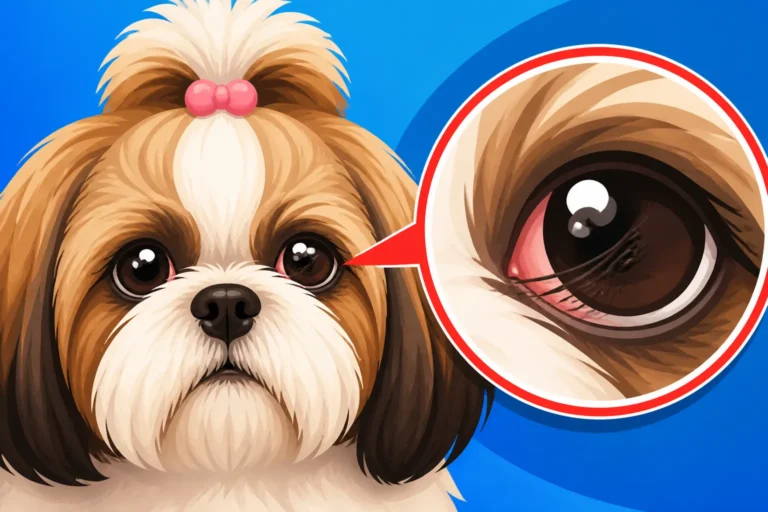
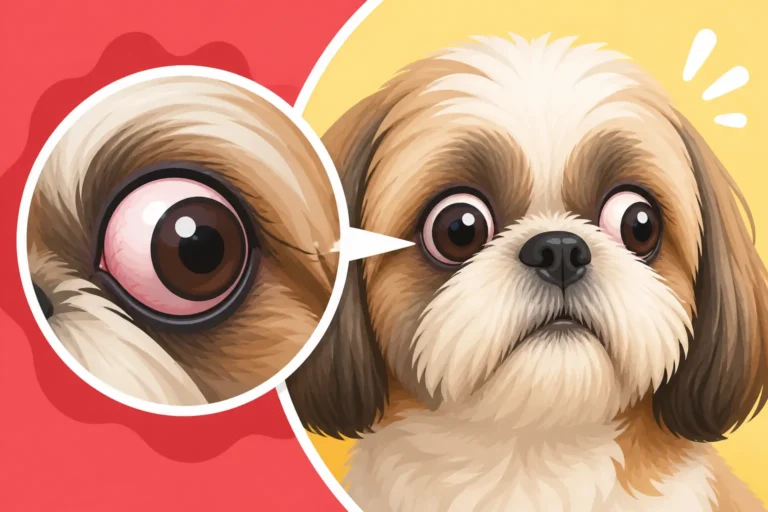
One of the most significant factors contributing to eye vulnerability in Shih Tzus is their brachycephalic, or "flat-faced," skull structure. Unlike breeds with longer muzzles, Shih Tzus have very shallow eye sockets, almost like saucers rather than deep cups. This means their eyeballs, known as globes, protrude much more prominently. Think of it this way: for many dogs, their eye sits snugly and deeply within the bone, offering natural protection. For a Shih Tzu, the eye is much closer to the surface, making it exceptionally exposed.
This shallow socket issue is the primary reason why a relatively minor bump or a wrong move during play can lead to serious trauma. An external force doesn't need to be extreme to impact the eye directly. In severe cases, this anatomical quirk can even lead to a condition known as Shih Tzu Eye Proptosis, the Emergency Owners Miss, where the eyeball actually pops out of its socket. It sounds terrifying, and it is, but knowing why it happens helps us understand how to prevent it. Even less severe impacts can cause significant pain, scratching, or bruising to the exposed surface of the eye.
Eyelid Issues and Facial Hair
Beyond the shallow sockets, Shih Tzus often contend with a combination of eyelid and facial hair issues that further complicate eye protection. Many Shih Tzus have what's called entropion or ectropion, where the eyelids either roll inward or outward, respectively. While not directly caused by play, these conditions can make the eye more susceptible to irritation and injury. An inward-rolling lid, for instance, can cause eyelashes or fine hairs to constantly rub against the cornea, weakening its surface and making it more prone to scratches if impacted.
Then there's the famous Shih Tzu facial hair. While beautiful, if not properly maintained, the long hair around their eyes can become a double-edged sword. Hair constantly brushing against the delicate cornea can lead to chronic irritation, redness, and even corneal ulcers. During play, this loose hair can easily be pulled, tugged, or even driven into the eye if an object brushes against their face. This isn't just uncomfortable; it can act like tiny abrasive wires against the eye's surface. Regular grooming, specifically keeping the hair tied back in a topknot or trimmed short around the eyes, is crucial to mitigate this risk. You can learn more about specific problems like Shih Tzu Eyelashes Growing Into the Eye in dedicated resources.
Brachycephalic Syndrome and Eye Health
The overarching "brachycephalic syndrome" that affects Shih Tzus isn't just about breathing difficulties; it has a profound impact on their overall eye health, making them inherently more prone to issues even without direct trauma. This syndrome often involves a combination of factors: the shallow eye sockets, eyelids that don't close completely over the prominent eyes (leading to dry eye), and tear ducts that may not drain efficiently.
All these elements create an environment where the eyes are already under stress. A Shih Tzu might naturally have drier eyes, making their corneal surface less resilient. They might be more prone to pigmentary keratitis, where dark pigment migrates onto the cornea, partially obscuring vision. When you add rough play into this equation, you're not just dealing with the risk of acute trauma, but also exacerbating pre-existing vulnerabilities. Even minor bumps or prolonged exposure during play could turn into a serious corneal ulcer much faster than in a dog with healthier, better-protected eyes. It's a cumulative effect, where their baseline eye health makes them less forgiving of accidental impacts.
Common Play Scenarios That Pose a Risk
Now that we understand the anatomical predispositions, let's zero in on the kinds of play that can turn risky for your Shih Tzu's eyes. It's not about stopping play altogether – it's about playing smart and safely.
Wrestling and Roughhousing with Owners
Many of us love to get down on the floor and engage in a bit of rough-and-tumble with our dogs. For a Golden Retriever or a Labrador, a wrestling match with soft toys might be perfectly fine. For a Shih Tzu, it's a high-risk activity for their eyes. When you're rolling around, even gently, there's always the chance that an accidental elbow, knee, or even your hand could make direct contact with their prominent eyes.
Imagine a scenario: your Shih Tzu is gleefully "attacking" your hand, nipping and pawing. In their excitement, they might leap towards your face or roll awkwardly. If your hand or arm swings, or they misjudge a jump, their eye could be scratched by a fingernail, poked, or even suffer blunt force trauma. This isn't usually malicious; it's just the inherent clumsiness that can happen during uninhibited play. Even a soft toy thrown carelessly or a head jostle can lead to an eye injury. It's not worth the risk. Instead, redirect their playfulness towards games that don't involve direct physical contact with their delicate facial area.
Interactions with Other Pets, Especially Larger Dogs
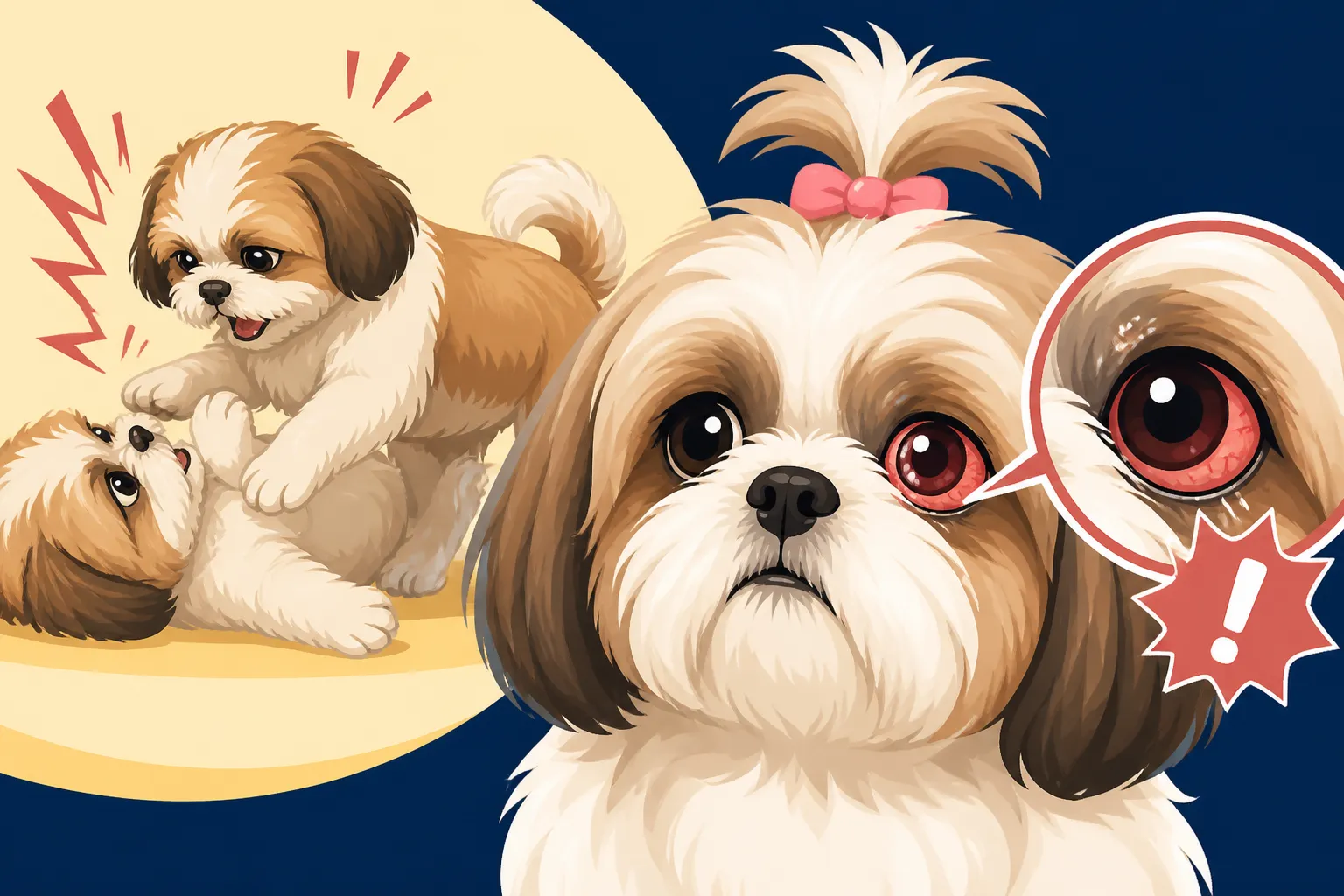
This is perhaps one of the most common and heartbreaking ways Shih Tzu eyes get injured. If you have multiple dogs in your household, especially larger, more boisterous breeds, their play styles can be wildly different. A Labrador might playfully "mouth" another dog, or a terrier might playfully wrestle. While this is normal dog behavior, the size and strength difference can be catastrophic for a Shih Tzu's eyes.
A larger dog might accidentally paw at a Shih Tzu's face while playing, or during a chase, a larger dog could inadvertently step on or knock into their head. Even a playful bite, if it lands anywhere near the eye, can cause severe damage. I've heard too many stories of a Shih Tzu getting a corneal scratch or even a proptosis from a seemingly harmless "play bow" gone wrong, or a quick nip from a larger dog that just didn't realize how vulnerable those eyes are. This isn't about blaming the other dog; it's about recognizing the inherent danger. Supervised play, especially with significant size differences, is non-negotiable. Consider separate playtimes or specialized dog parks if you have a multi-dog household with a large size disparity.
Playtime with Children and Unsupervised Moments
Children and puppies often share an infectious enthusiasm for play. However, young children, especially toddlers, might not understand how fragile a Shih Tzu's eyes are. They might grab, poke, pull at facial hair, or even try to "hug" the dog too tightly, inadvertently pressing on the eye area. What seems like innocent affection or play to a child can quickly turn into a trip to the emergency vet.
It's crucial to educate children on gentle interaction, demonstrating how to pet softly and reminding them to avoid the face. Never leave a Shih Tzu unsupervised with very young children. Even older children, who should know better, can get carried away during a game. A stray toy, a sudden movement, or a child's hand flailing could result in an eye injury. Establishing clear rules, such as "no rough play near the face" and "always sit down to pet the dog," can make a huge difference. These guidelines protect both your dog and teach children valuable lessons about respecting animals.
Toys and Environmental Hazards
Sometimes the danger isn't another living being, but an inanimate object. Certain toys, especially those with hard, sharp, or pointed edges, can be a risk. While a soft, plush toy is generally safe, a hard rubber toy with awkward protrusions, or even a bone that your Shih Tzu is vigorously chewing, could potentially strike their eye if they roll over or shake their head.
Beyond toys, consider your home environment. Low-lying furniture corners, sharp table legs, or even plants with stiff leaves can become hazards during a zoomie session. If your Shih Tzu is racing through the house and misjudges a turn, a direct collision with a hard surface could cause significant eye trauma. Even walking on a leash, an unexpected bump against a bush or a low-hanging branch could scratch an eye. It's about seeing your home and outdoor spaces from your Shih Tzu's perspective, identifying potential eye-level threats, and mitigating them. You might be surprised how often a seemingly benign object could pose a risk to a dog with protruding eyes.
| Play Activity | Risk Level for Shih Tzu Eyes | Specific Risks | Safer Alternatives |
|---|---|---|---|
| Owner Wrestling/Roughhousing | High | Accidental pokes, scratches, blunt force trauma from hands, elbows, or knees. | Gentle fetch, hide-and-seek, brain games, training sessions. |
| Play with Larger Dogs | High | Paws to the face, accidental bites near eyes, bumps/collisions during vigorous play. | Supervised, separate play areas, controlled interactions, only with known gentle dogs. |
| Unsupervised Child Play | High | Poking, grabbing, pulling facial hair, rough handling, dropping toys on the face. | Guided interaction, teaching gentle petting, supervision, clear boundaries. |
| Tug-of-War (forceful) | Medium-High | Toy recoil hitting eye, sudden head movements, increased intraocular pressure. | Gentle tug with appropriate soft toys, focus on "drop it" command. |
| Hard Chew Toys | Medium | Accidental self-inflicted pokes if toy has sharp edges or is dropped/bounced awkwardly. | Soft rubber chews, puzzle toys with hidden treats, dental chews designed for small breeds. |
| Ball Fetch (indoor) | Low-Medium | Collisions with furniture or walls, ball bouncing unexpectedly into the face. | Soft, lightweight balls, clear play areas, supervised throws. |
| Walking in Dense Brush | Low-Medium | Branches or leaves poking the eye. | Clear paths, awareness of surroundings, keeping face hair short/tied. |
Strategies for Safe Play and Prevention
Okay, so we know the risks. But that doesn't mean your Shih Tzu has to live in a bubble! The goal is to create a safe, joyful environment where they can still express their playful nature without undue risk to their eyes. It's all about being proactive and thoughtful.
Modifying Play Styles and Supervising Interactions
The single most important thing you can do is adjust how you play. Instead of wrestling or games that involve a lot of close facial contact, shift to activities that are less risky. Fetch with soft, lightweight toys (that can't bounce back and hit them) is a great option. "Find the treat" games, where you hide small, healthy treats for them to sniff out, engage their minds and noses without putting their eyes in harm's way. Puzzle toys are fantastic for mental stimulation and solo play, reducing the need for direct physical interaction.
When other pets are involved, especially larger dogs, supervision is key. This might mean having separate play sessions, or carefully managing interactions to ensure things don't get too boisterous. If you see play escalating, gently intervene and redirect. For multi-dog households, training each dog a "settle" or "break" cue can be invaluable. This teaches them to pause their play on command, allowing you to calm things down before an accident happens. For more ideas on how to safely manage interactions, consider resources like Restraining a Shih Tzu Without Popping an Eye.
Creating a Safe Play Environment
Your home is your Shih Tzu's world, and making it eye-safe is a big part of prevention. Take a moment to view your home from their perspective. Are there sharp coffee table corners at eye level? Consider soft corner guards. Do they have areas where they love to zoom, but these areas also have hard, immovable objects? Perhaps block off those areas or pad them. Look for low-hanging items that they might run into.
When outside, be mindful of where your Shih Tzu is running. Avoid areas with thorny bushes, low branches, or sharp-edged landscaping. If they're playing in the yard, ensure there are no sticks or debris that could be picked up and accidentally poke an eye. Simple changes, like removing clutter or adding soft rugs to hard floors, can significantly reduce the chances of a run-in that leads to an eye injury. Remember, even a small, seemingly insignificant bump can have major consequences for those delicate eyes.
Regular Grooming and Eye Care
Proper grooming isn't just for looks; it's a critical component of eye protection for a Shih Tzu. That iconic long coat can quickly become a hazard if the hair around the eyes isn't managed. Opt for a regular "puppy cut" that keeps the hair short all over, or commit to keeping the hair on their head in a neat topknot, securely tied back away from their eyes. The goal is to ensure absolutely no hair can fall into or brush against the eye itself.
Beyond trimming, regular eye cleaning is essential. Shih Tzus are prone to tear staining, and the moisture can irritate the skin around the eyes, making them rub their face. Use a veterinarian-approved eye wipe or a soft, damp cloth to gently clean around their eyes daily, removing any debris or tear residue. If you notice persistent redness, discharge, or squinting, don't wait. These could be early signs of irritation or a minor injury that needs professional attention before it escalates. Diligent daily care can significantly reduce chronic irritation and make their eyes more resilient to accidental bumps. For specific concerns, you might want to read about Shih Tzu Corneal Ulcers From a Shallow Socket or Dry Eye in a Shih Tzu and Lifelong Drops.
Responding to an Eye Injury Emergency
Despite our best efforts, accidents can happen. If your Shih Tzu sustains an eye injury, knowing what to do immediately can make a significant difference in the outcome and potentially save their vision. Panic is natural, but acting quickly and calmly is paramount.
Immediate First Aid for Eye Trauma
First and foremost, do not panic. Your Shih Tzu will pick up on your stress, which will only make them more agitated. Gently approach your dog and try to keep them calm. If the eye is visibly injured—squinting, redness, tearing, holding the eye shut, or God forbid, if the eye has proptosed (come out of the socket)—your immediate goal is to prevent further damage.
If something is stuck in the eye, do not try to remove it yourself. You could push it deeper or cause more trauma. If the eye appears to have popped out, the most critical thing is to keep it moist and protected. Gently apply a clean, damp cloth or gauze soaked in sterile saline solution (like contact lens solution or even plain water if saline isn't available) over the exposed eye. Do not try to push it back in. The pressure could cause more harm. If there's blood or visible trauma but the eye is still in the socket, still avoid touching the eye itself. The goal is to stabilize the situation until you can get to a vet. For more detailed instructions on this harrowing emergency, refer to What to Do in the First Minutes of a Proptosis.
When to Seek Emergency Veterinary Care
Let's be very clear: any suspected eye injury in a Shih Tzu warrants an immediate trip to the veterinarian. This is not a "wait and see" situation. Their eyes are far too delicate and prone to serious complications to delay. Even if it seems like a minor scratch, it can quickly become infected or develop into a severe corneal ulcer. If you notice any of the following, drop everything and head to the emergency vet:
- Squinting or holding the eye shut: This indicates pain.
- Excessive tearing or discharge: Could signal irritation, infection, or trauma.
- Redness of the eye or surrounding tissues: Inflammation is a sign of trouble.
- Swelling around the eye: Points to trauma or infection.
- Cloudiness or visible change to the eye's surface: Could be a corneal ulcer or internal damage.
- Visible object in the eye: Never attempt to remove it yourself.
- Protrusion of the eyeball (proptosis): This is a dire emergency requiring immediate veterinary attention.
Time is truly of the essence when it comes to eye injuries. The sooner a veterinarian can assess the damage, the better the prognosis for preserving your Shih Tzu's vision and comfort. Be prepared for potential costs; eye emergencies can be expensive, which is why having pet insurance like Healthy Paws can provide immense peace of mind. They can help cover significant portions of emergency vet bills. For more information on what to expect, check out Shih Tzu Emergency Vet Costs Owners Should Expect.
Understanding Potential Treatment and Recovery
Once at the vet, they will perform a thorough eye exam, which might include staining the eye to check for corneal abrasions or ulcers, checking intraocular pressure, and using an ophthalmoscope to look for internal damage. Treatment will depend entirely on the type and severity of the injury.
For minor scratches, antibiotic eye drops or ointments might be prescribed to prevent infection and promote healing. For more severe corneal ulcers, additional medications, a "therapeutic" contact lens, or even surgery might be necessary. In cases of proptosis, the vet will attempt to carefully replace the eye in its socket, often requiring general anesthesia. This is a delicate procedure, and while successful, the eye may still suffer long-term damage. Unfortunately, sometimes a severely damaged eye cannot be saved and may need to be removed to prevent chronic pain or infection, a painful but sometimes necessary decision.
Recovery can range from a few days of drops to weeks or months of diligent care, including Elizabethan collars to prevent scratching, strict medication schedules, and follow-up vet visits. Throughout this time, your dog will need a quiet, calm environment to heal. The good news is that with prompt, professional veterinary care, many Shih Tzus recover well from eye injuries, though some may have lasting effects or require ongoing management. It's a reminder of why prevention truly is the best medicine, and why investing in pet insurance like Healthy Paws, especially for a breed with such unique vulnerabilities, is a smart decision.
Disclaimer
This article is for general informational purposes only and does not constitute professional advice. Laws, prices and regulations vary by location and change over time. Consult a qualified professional for guidance on your specific situation.