Shih Tzu Rescue Fees and What They Include
When you’re looking to open your heart and home to a Shih Tzu, the idea of rescue often brings a mix of excitement and a little bit of apprehension. One common question that pops up, and often causes a moment of hesitation, is about the adoption fees. Many aspiring pet parents wonder why rescues charge money, what those fees actually cover, and if it's truly a fair exchange when all you want to do is give a loving dog a second chance. This guide aims to clear up all that confusion, giving you a detailed look into Shih Tzu rescue fees and everything they encompass.
Understanding Shih Tzu Rescue Fees
It’s easy to look at an adoption fee as just a price tag, but when it comes to Shih Tzu rescues, it’s so much more than that. These fees are a crucial part of the entire adoption process, reflecting the immense care, resources, and dedication poured into each dog before they even meet their forever family. Think of it less as a purchase and more as a contribution to a critical mission.
More Than Just a Price Tag
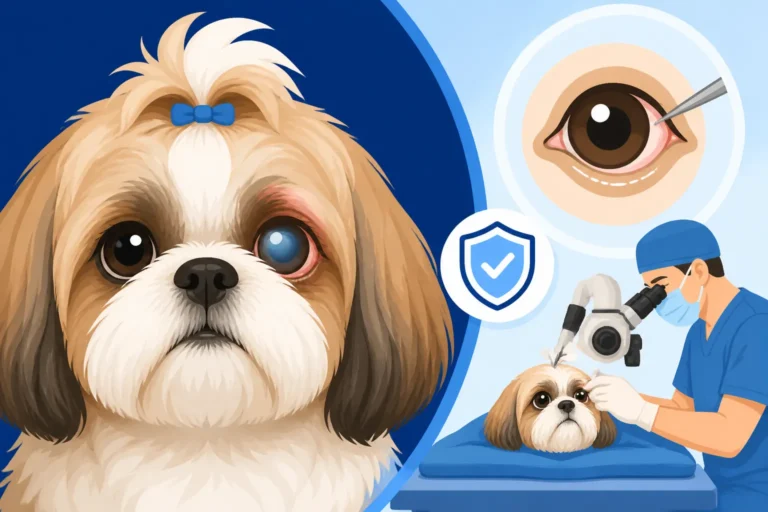
When a Shih Tzu comes into a rescue, they often arrive in various states of neglect or with unknown histories. They might be matted, underweight, battling infections, or suffering from untreated medical conditions that are common to the breed, such as severe dental disease or eye issues. The rescue immediately steps in, providing everything from a warm bath and nutritious food to extensive veterinary care and behavioral assessment. These efforts require significant financial investment, and the adoption fee is a way for new owners to help offset these considerable costs, ensuring the rescue can continue its vital work for other dogs in need. It's truly a pay-it-forward system that keeps the wheels turning.
The Typical Range of Fees
Shih Tzu rescue fees can vary quite a bit, but generally, you can expect them to fall somewhere between $250 and $800. This range isn't arbitrary; it depends on a multitude of factors, including the dog's age, health status, the specific services provided, and even the operational costs of the rescue organization itself. For instance, a young, healthy Shih Tzu puppy, especially one who might be considered highly adoptable, often commands a higher fee. This isn't because the rescue is trying to make a profit, but rather because these higher-demand dogs can help subsidize the care of older, sicker, or more behaviorally challenged Shih Tzus who might require much more expensive interventions and longer stays.
The Critical Reasons Behind Rescue Adoption Fees
Rescue organizations are non-profits, driven by passion and the unwavering commitment to animal welfare. They aren't in the business of selling dogs; they're in the business of saving lives and facilitating loving matches. The fees they charge are fundamental to their existence and effectiveness.
Supporting the Rescue's Mission
Imagine the sheer operational costs involved in running a rescue: rent for facilities (if they have a physical shelter), utilities, administrative expenses, insurance, and the constant need for supplies like food, bedding, and cleaning products. These are the day-to-day realities that most people don't consider when they think about adopting a dog. Every adoption fee helps cover these overheads, allowing the rescue to maintain a safe, clean, and nurturing environment for all the Shih Tzus under their care. Without these fees, many smaller, volunteer-run operations simply wouldn't be able to keep their doors open.
Covering Veterinary Care
This is often the largest single expense for any rescue. A significant portion of your adoption fee goes directly into the comprehensive medical care provided to each Shih Tzu. When a Shih Tzu enters a rescue, they almost always receive a thorough veterinary check-up. This includes routine vaccinations for common canine diseases, deworming, and often spaying or neutering, which is a significant cost in itself. Many Shih Tzus arriving at rescues also have pre-existing conditions. Given that Shih Tzus are prone to issues like Shih Tzu Dental Disease at 13 Percent of the Breed, eye problems, and breathing difficulties, the vet bills can quickly escalate. The rescue covers these costs upfront, providing peace of mind that your adopted dog has received the necessary medical attention to start their new life healthy.
Ensuring a Committed Home
Beyond the financial aspect, adoption fees serve a crucial psychological purpose: they help ensure a serious commitment from prospective adopters. When individuals make a financial investment in their new pet, they are often more likely to be truly invested in the animal's well-being and long-term care. This helps to deter impulse adoptions or situations where a pet might be taken on a whim and then quickly surrendered when the novelty wears off or challenges arise. Rescues are deeply invested in finding permanent, stable homes for their dogs, and the fee acts as a tangible sign of that commitment from the adopter's side.
What Comprehensive Rescue Fees Actually Cover
When you see the adoption fee, it might seem like a lump sum. But break it down, and you’ll realize it's a bundle of essential services and care that would cost you significantly more if you had to arrange and pay for them individually after taking a dog home.
Essential Medical Care
Every Shih Tzu coming through a reputable rescue will have received a baseline of critical medical care. This typically includes:
- Vaccinations: Distemper, Parvovirus, Adenovirus, Rabies, and often Bordetella (kennel cough) are usually administered or updated.
- Spay/Neuter Surgery: Almost all rescues require pets to be spayed or neutered before adoption to help control pet overpopulation. This is a major surgery with recovery time and costs.
- Microchipping: This tiny, permanent identifier is crucial for reuniting lost pets with their owners and is usually included in the fee, along with initial registration.
- Deworming and Parasite Treatment: Most rescued dogs receive treatments for common internal and external parasites like roundworms, hookworms, fleas, and ticks.
- Initial Health Check: A full physical exam by a licensed veterinarian ensures the dog is healthy enough for adoption and identifies any immediate concerns.
Consider the cost of these services if you were to pay for them at a private vet clinic right after acquiring a dog; it would easily exceed the average rescue fee.
Addressing Specific Shih Tzu Health Issues
Shih Tzus, as a brachycephalic (flat-faced) breed, come with their own unique set of health predispositions. A good rescue understands these and often goes the extra mile to address them. This can include:
- Eye Care: Shih Tzus are prone to various eye conditions, such as dry eye, corneal ulcers, and even Shih Tzu Eye Proptosis, the Emergency Owners Miss. Rescues often provide initial treatment for these, which can involve expensive medications or even specialist consultations. They might perform tests for conditions like entropion or pigmentary keratitis.
- Dental Work: These little dogs are notorious for crowded mouths and early onset of Shih Tzu Dental Disease at 13 Percent of the Breed. Many Shih Tzus arrive at rescues with severe dental issues requiring professional cleanings, extractions, and antibiotics. This alone can be one of the most expensive procedures, easily running hundreds of dollars.
- Respiratory Checks: Due to their flat faces, some Shih Tzus may have elongated soft palates or stenotic nares, leading to breathing difficulties. While full surgical correction isn't always performed by rescues, they will assess for these conditions and manage symptoms as needed, sometimes providing advice on ongoing care.
- Joint Assessments: Patellar luxation and other joint problems are not uncommon. While major surgeries for these issues might not always be covered, initial assessments and pain management are often provided. You might want to read about Shih Tzu Joint Problems in a Toy Frame to understand these better.
Beyond Medical: Food, Shelter, Training, and More
The care extends far beyond just veterinary treatment. Think about the daily essentials and the less tangible but equally important aspects:
- Daily Needs: High-quality food, fresh water, comfortable bedding, and a safe shelter are provided for every dog during their stay. Some rescues, for example, might partner with companies like Chewy for discounted supplies, but these still represent a considerable expense.
- Grooming: Shih Tzus require extensive grooming. Many dogs arrive at rescues severely matted, necessitating professional dematting or shaving, which can be costly and time-consuming. Regular brushing, bathing, and nail trims are ongoing requirements. Knowing how to perform tasks like Brushing a Shih Tzu Double Coat Every Every Day can save you money later, but the initial rescue ensures they are clean and comfortable.
- Behavioral Assessment and Training: Many rescued Shih Tzus have had little to no training or socialization. Rescues often invest in behavioral assessments to understand each dog's personality, needs, and potential challenges. Some even work with trainers to address basic manners, house training, or anxiety issues, giving the dog a better chance at successful integration into a new home. This can be particularly helpful if you're concerned about Shih Tzu Behavior Problems That Start Early.
- Foster Care Support: If the Shih Tzu is in a foster home (which is often the case for smaller breeds like the Shih Tzu), the rescue supports the foster family with food, supplies, and medical bills. This allows the dog to decompress and learn to live in a home environment before adoption, providing invaluable insight into their true personality.
Here’s a snapshot of what’s typically included:
| Service/Item | Description | Estimated Cost (if paid privately) |
|---|---|---|
| Veterinary Exam | Full physical check-up | $50 – $150 |
| Vaccinations | Core vaccines (DHPP, Rabies) | $75 – $150 |
| Spay/Neuter Surgery | Necessary surgical procedure | $200 – $600 |
| Microchipping | Permanent ID implant + registration | $30 – $70 |
| Deworming/Parasite Treat. | Treatments for internal/external parasites | $50 – $100 |
| Dental Cleaning/Extractions | Professional dental scaling, polishing, extractions (if needed) | $300 – $1000+ |
| Eye Care/Medication | Initial treatment for common Shih Tzu eye issues | $50 – $300+ |
| Basic Grooming | Bath, brush, nail trim, mat removal (if necessary) | $50 – $150+ |
| Food & Supplies | Cost of feeding and housing during rescue stay | Varies significantly |
| Behavioral Assessment | Evaluation of temperament and training needs | $75 – $200 |
| Total Estimated Private Cost | $960 – $2870+ | (Rescue fee typically $250-$800) |
As you can see, the adoption fee is a fraction of what these services would cost you out of pocket.
Factors Influencing Shih Tzu Rescue Fee Variations
It's natural to wonder why one Shih Tzu rescue might charge $300 and another charges $600. These differences aren't random; they reflect various operational realities and the specific needs of the dogs in their care.
Age and Health Status
One of the biggest determinants of an adoption fee is the age and general health of the Shih Tzu.
- Puppies: Shih Tzu puppies, especially those under six months, often have the highest adoption fees. This is because puppies require their initial series of vaccinations, frequent deworming, and typically get spayed/neutered closer to their adoption date. They are also in high demand, allowing rescues to charge a bit more, which in turn helps offset the costs of caring for other dogs.
- Adults: Healthy adult Shih Tzus (typically 1-8 years old) usually have moderate fees. They've often completed their puppy vaccinations and are already spayed/neutered. Their health needs are generally more predictable, assuming no chronic conditions.
- Seniors & Special Needs: Senior Shih Tzus (over 8-10 years old) or those with chronic medical conditions, disabilities, or significant behavioral issues often have lower adoption fees, or sometimes even a waived fee. Rescues understand that adopters taking on these dogs are committing to potentially higher long-term vet bills and more specialized care. This is an incentive to encourage adoptions for these wonderful dogs who deserve loving homes in their golden years, a concept explored in Senior Shih Tzu Care Past the Age of Ten.
Geographic Location and Local Costs
Just like human healthcare, veterinary costs vary significantly by region. A rescue operating in a major metropolitan area with high overheads and expensive vet clinics will naturally have higher costs than a rescue in a rural area. This directly impacts the adoption fees. Property rents, utility costs, and even the prevailing wages for any paid staff all factor into a rescue's operational budget, which is then reflected in the fees.
Rescue Organization Policies and Resources
Different rescue organizations have different operational models and philosophies.
- All-Volunteer vs. Staffed: Some rescues are entirely volunteer-run, minimizing administrative costs, while others have paid staff, which adds to their budget.
- Size and Scope: Larger, more established rescues might have more extensive facilities, resources, and even in-house vet services, which can impact their cost structure. Smaller, home-based fosters might have lower overheads but might also rely more heavily on donations for large medical bills.
- Level of Pre-Adoption Care: Some rescues provide more extensive pre-adoption care, such as professional training, specialized diagnostics (like x-rays for potential back issues), or consultations with specialists for complex conditions like Renal Dysplasia and the Shih Tzu Kidney. This higher level of investment will, understandably, be reflected in the adoption fee.
The Undeniable Value of Adopting a Rescued Shih Tzu
Beyond the numbers, the value of adopting a rescued Shih Tzu extends into numerous practical and emotional benefits that often go unrecognized until you bring your new companion home. It's an experience that offers a deeper connection and often a smoother transition than you might expect.
A Head Start on Health and Behavior
One of the biggest advantages of adopting from a reputable Shih Tzu rescue is the extensive work already put into the dog's well-being. As we've discussed, they typically come to you fully vetted, spayed/neutered, vaccinated, and microchipped. This means you skip those initial, often overwhelming, vet appointments and associated costs. It also means you're adopting a dog whose initial health concerns have been addressed, giving you a baseline of health that might be uncertain if you were to adopt from a less reputable source.
Furthermore, rescues usually conduct behavioral assessments. This means they can tell you if the Shih Tzu is good with children, other pets, or if they have any quirks or training needs. Many Shih Tzus in rescue have spent time in foster homes, providing invaluable insights into their true personalities, house training status, and how they behave in a home environment. This dramatically reduces the guesswork for you, allowing you to choose a dog whose temperament truly fits your lifestyle. This kind of assessment is often missing when acquiring a dog from a less known source, leaving you to deal with potential Shih Tzu Behavior Problems That Start Early on your own.
Lifetime Support and Community
Many reputable Shih Tzu rescues offer ongoing support after adoption. This can include advice lines for training or behavioral issues, access to their network of vets and trainers, and sometimes even a community of other adopters. Should unforeseen circumstances arise and you can no longer care for your adopted Shih Tzu, most rescues will take the dog back, ensuring they never end up in a shelter again. This safety net provides incredible peace of mind for adopters. It’s not just about finding a dog; it’s about becoming part of a supportive network dedicated to the breed.
When you're considering the potential long-term costs of a dog, this kind of support can be invaluable. The First Year Cost of a Shih Tzu can be significant, and having a resource to turn to for advice can save you both money and stress. For instance, if you're looking into managing ongoing costs, remember that services like Healthy Paws offer pet insurance plans that can help with unexpected veterinary expenses down the road, making that initial health investment from the rescue even more valuable.
The Emotional Reward and Ethical Choice
Beyond the practical benefits, adopting a rescued Shih Tzu offers a profound emotional reward. You are quite literally saving a life and giving a deserving dog a second chance at happiness. Many rescued dogs, despite their past, show incredible resilience and gratitude, forming deep bonds with their new families. There’s an undeniable satisfaction in knowing you’ve made a difference, providing love and security to an animal who truly needs it.
Moreover, choosing adoption is an ethical decision that supports responsible pet ownership and helps combat puppy mills and irresponsible breeding practices. By adopting, you reduce the demand for dogs from commercial breeders and contribute to the cycle of rescue, allowing organizations to save more animals.
Comparing Rescue Adoption with Other Acquisition Methods
When you're looking for a Shih Tzu, you have several options beyond rescue. Understanding the full scope of costs and risks associated with each can help you make an informed decision, highlighting why rescue fees offer such transparent value.
The True Cost of a Puppy from a Breeder
Purchasing a Shih Tzu puppy from a reputable breeder can often come with an initial price tag of $1,000 to $3,000 or even more, especially for puppies with show potential or from highly sought-after lines. While a good breeder provides health clearances for the parents and often the first round of vaccinations and deworming for the puppy, there are many "hidden" costs that quickly add up after you bring the puppy home:
- Completing Vaccinations: You'll need to pay for the remaining puppy shots.
- Spay/Neuter: Breeders usually sell puppies intact, meaning you'll bear the full cost of this surgery.
- Microchipping: Often an additional cost.
- Initial Vet Check: Even if the breeder provides health records, you'll want your own vet to examine the puppy shortly after bringing it home.
- Potential for Undetected Issues: While reputable breeders do health testing, no guarantee is absolute. A puppy might develop issues like Patellar Luxation in a Shih Tzu or other health conditions later, leading to unexpected vet bills.
- No Behavioral History: With a puppy, you're starting from scratch. You won't know their adult personality or if they'll develop certain behaviors until they mature. You also won't have the benefit of a foster family's observations on house training or temperament.
When you factor in these post-purchase expenses, the upfront cost of a well-bred puppy often significantly exceeds the rescue fee, and you still have to put in all the initial work yourself. Many find that Why a Health-Tested Shih Tzu Litter Costs More is a reasonable explanation for the higher price tag, but it still doesn't cover everything a rescue does.
The Risks of Unverified Sources
Then there are the less reputable sources: pet stores, online ads from unknown sellers, or "backyard breeders." While these might seem to offer a lower initial price, they often come with significant risks and hidden costs that can quickly dwarf any savings:
- Health Issues: Dogs from these sources are frequently bred without proper health testing, leading to a higher likelihood of inherited genetic conditions. They are also often raised in unsanitary conditions, making them prone to parasites, infections, and communicable diseases. You could end up with a Shih Tzu that requires extensive and expensive veterinary care right from the start. Issues like severe breathing problems or Shih Tzu Eye Proptosis and How It Happens are more likely with irresponsible breeding.
- Lack of Vaccinations/Care: Puppies from these sources might not have received adequate vaccinations, deworming, or proper nutrition, leaving them vulnerable.
- Behavioral Problems: Dogs from puppy mills or neglectful situations often suffer from poor socialization, leading to significant behavioral issues like anxiety, fear, or aggression. Addressing these problems can require costly professional training and can be emotionally draining.
- No Support: These sellers rarely offer any post-sale support, leaving you completely on your own if problems arise. You won't find the kind of community or safety net that a rescue provides.
- Ethical Concerns: Supporting these types of operations perpetuates the cycle of animal neglect and exploitation.
When considering options for food and supplies, services like Chewy offer convenient delivery, which is great, but they don't solve underlying health or behavioral issues from a poor start. Similarly, for those interested in premium nutrition, companies like Ollie provide fresh dog food tailored to a dog's needs, which can certainly support a healthy Shih Tzu, but it cannot undo the damage of an unhealthy puppyhood. The point is, the initial low price from an unverified source almost always comes with a much higher long-term cost in terms of money, time, and heartache.
Disclaimer
Please remember that the information provided in this article is intended for general guidance and informational purposes only. The specifics of Shih Tzu rescue fees, what they include, and related costs can vary significantly based on the individual rescue organization, geographic location, and the specific needs of each dog. Always consult directly with the rescue organization you are considering for the most accurate and up-to-date information regarding their policies and fees. Veterinary advice should always come from a qualified professional.