Pancreatitis in a Shih Tzu After Table Food
It’s a truly frightening moment when your sweet Shih Tzu, who usually lights up your life with their silly antics and loving gaze, suddenly becomes quiet, refuses their favorite treat, or worse, starts vomiting uncontrollably. The fear that grips you, wondering if something you offered from your plate, a small, seemingly harmless bite of table food, could be the cause of their distress, is absolutely agonizing. This comprehensive guide is here to help you understand pancreatitis in Shih Tzus, especially when triggered by those innocent-looking scraps, and equip you with the knowledge to recognize, react to, and prevent this serious condition.
Understanding Pancreatitis in Shih Tzus
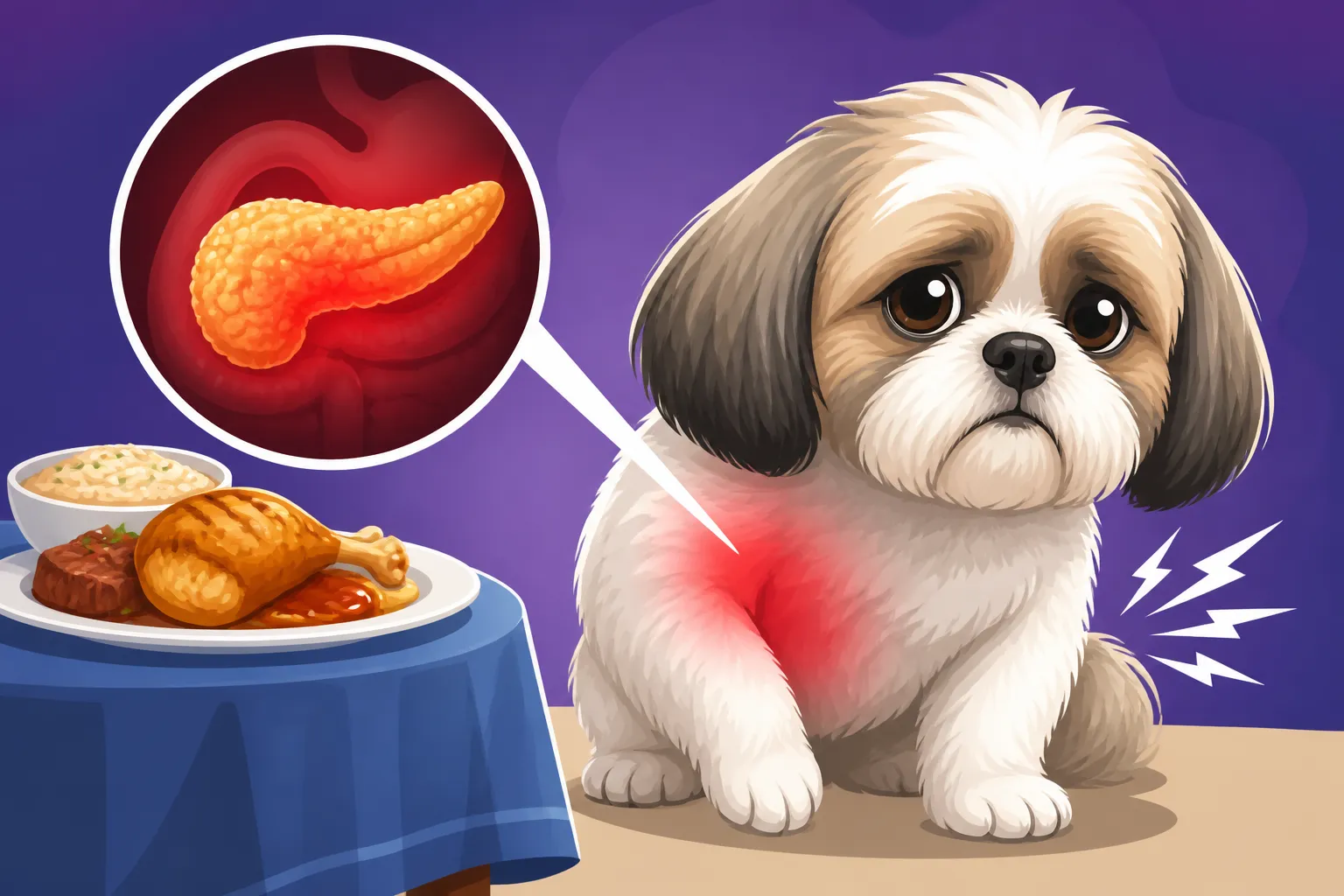
Pancreatitis is essentially an inflammation of the pancreas, a vital organ located near your dog's stomach. This small but mighty gland has two primary jobs: producing enzymes that aid in digestion and hormones like insulin that regulate blood sugar. When the pancreas becomes inflamed, those digestive enzymes, which are meant to break down food in the small intestine, get activated prematurely inside the pancreas itself. This essentially causes the pancreas to start "digesting" itself, leading to severe pain, tissue damage, and widespread inflammation throughout the abdomen. For our beloved Shih Tzus, with their often sensitive systems and tendency to be a bit on the pudgy side, this can be a particularly dangerous condition.
What Makes Shih Tzus Susceptible?
While any dog breed can develop pancreatitis, Shih Tzus, along with other small breeds like Miniature Schnauzers and Yorkshire Terriers, are considered more predisposed. This heightened risk often boils down to a few factors:
- Dietary Indiscretion: Let's face it, those adorable Shih Tzu eyes are masters of persuasion. It's incredibly hard to resist giving them a little piece of whatever you're eating. However, their small bodies are not designed to process rich, fatty human foods. A sudden influx of fat, like that rogue piece of bacon or gravy-soaked potato, can overstimulate the pancreas, leading to inflammation.
- High-Fat Diets: Beyond table scraps, a consistently high-fat commercial diet can also contribute to the risk over time, especially if a Shih Tzu is already prone to the condition.
- Obesity: Many Shih Tzus struggle with their weight. A condition like Shih Tzu Obesity on a Sixteen Pound Frame significantly increases the likelihood and severity of pancreatitis. Excess fat cells can release inflammatory mediators, making the pancreas more vulnerable.
- Other Health Conditions: Existing conditions such as diabetes, Cushing's disease, or even certain medications can increase a Shih Tzu's susceptibility to pancreatitis. Sometimes, even seemingly unrelated health issues like Shih Tzu Heart Murmurs and Valve Disease can complicate treatment if pancreatitis occurs.
The Role of Table Food as a Trigger
It’s easy to dismiss a small bite of your dinner as harmless. After all, it’s "just a little piece." But for a Shih Tzu, that "little piece" can be a massive shock to their system. Foods that are particularly problematic include:
- Fatty Meats: Bacon, sausage, ham, chicken skin, roast drippings, fatty cuts of steak. These are huge culprits.
- Dairy Products: Cheese, ice cream, butter. While some dogs tolerate small amounts, many are lactose intolerant, and the fat content is often high.
- Fried Foods: Anything deep-fried or heavily greased from your plate.
- Rich Desserts: Cakes, pastries, anything with a high sugar and fat content. Even if it’s "dog-friendly" in theory, the richness can be too much.
- Certain Vegetables with Fat: Even healthy vegetables can become a problem if cooked in butter or oil.
Imagine your Shih Tzu, perhaps a bit on the cuddly side, snatching a fallen piece of fried chicken or begging relentlessly for a spoonful of your creamy soup. That sudden, rich, high-fat meal can send their pancreas into overdrive, causing those digestive enzymes to go rogue. This acute flare-up is what often lands them at the emergency vet, leaving you full of regret and worry.
Recognizing the Signs of Pancreatitis
One of the hardest things about pancreatitis is that the initial symptoms can sometimes mimic a simple upset stomach. But don't let that fool you; pancreatitis can escalate quickly and become life-threatening. It's crucial to be hyper-vigilant and know when to seek immediate veterinary attention.
Common Symptoms to Watch For
Shih Tzus, like many dogs, are excellent at hiding discomfort until it becomes unbearable. However, there are several key indicators that should set off alarm bells:
- Vomiting: This is one of the most common signs, often severe and repetitive. It can be accompanied by retching.
- Diarrhea: While not always present, it can occur alongside vomiting.
- Loss of Appetite: Your Shih Tzu might suddenly refuse food, even their favorite treats. A normally food-motivated dog showing signs of A Shih Tzu That Leaves Its Food is a huge red flag.
- Abdominal Pain: This is often severe. Your dog might hunch their back, moan, cry out when picked up, or resist being touched, especially around their belly. They might stand in a "prayer position" with their front paws on the ground and hind end elevated.
- Lethargy and Weakness: They'll be unusually tired, uninterested in play, and may seem generally unwell.
- Dehydration: Due to vomiting and not drinking, their gums might be tacky, and skin elasticity reduced.
- Fever: While not always obvious, they might feel warm to the touch.
- Restlessness or Discomfort: They might pace, unable to get comfortable, or constantly shift positions.
It's important to remember that these symptoms can range from mild to severe. A mild case might just look like a day of vomiting, while a severe case can lead to shock and organ failure.
Differentiating from a Simple Upset Stomach
Here's where it gets tricky. A mild bout of pancreatitis might look just like your Shih Tzu ate something they shouldn't have and got a bit of a tummy ache. The key difference often lies in the severity and persistence of the symptoms, particularly the pain.
| Symptom | Simple Upset Stomach | Pancreatitis (Acute) |
|---|---|---|
| Vomiting | Occasional, usually resolves within 12-24 hours. | Frequent, persistent, can be projectile; often bile. |
| Diarrhea | Mild to moderate, resolves quickly. | Can be severe, watery; may or may not be present. |
| Appetite | May skip a meal or two but usually returns quickly. | Profound refusal of food and water. |
| Pain | Mild discomfort, possibly tender belly. | Severe, agonizing abdominal pain; "prayer position" common. |
| Lethargy | Mild tiredness. | Extreme weakness, listlessness, unwillingness to move. |
| Hydration | Usually maintains hydration. | Rapid dehydration due to vomiting and refusal to drink. |
| Behavior | May seem a bit "off" but otherwise normal. | Hunching, shaking, restless pacing, vocalizing pain. |
| Progression | Improves quickly with bland diet and rest. | Worsens rapidly, requires immediate veterinary intervention. |
If you notice your Shih Tzu is not just throwing up but also showing significant pain, extreme lethargy, or if the vomiting is relentless, do not wait. This isn't something you can "wait and see" with, especially for a small breed. Time is of the essence.
Immediate Steps and Veterinary Care
When you suspect pancreatitis, your immediate actions can significantly impact your Shih Tzu's prognosis. This isn't a situation for home remedies or wishful thinking; professional veterinary care is paramount.
What to Do in the First Moments
The moment you suspect pancreatitis, take these crucial steps:
- Remove All Food and Water: This might seem counterintuitive, but if your Shih Tzu is vomiting, giving them more food or water will likely trigger more vomiting and further irritate the inflamed pancreas. A general rule of thumb is to withhold food for at least 12-24 hours, but only under vet guidance. For water, offer very small sips if they are not actively vomiting, but if they cannot keep it down, stop.
- Observe Closely: Note down all symptoms, when they started, what your Shih Tzu ate, and how frequently they are vomiting or experiencing pain. This information will be vital for your vet.
- Contact Your Veterinarian IMMEDIATELY: Do not delay. Explain your concerns about pancreatitis and mention any recent dietary indiscretion, especially table food. Your vet will advise you on the next steps, which will almost certainly involve bringing your Shih Tzu in for an examination. If it's after hours, head to the nearest emergency veterinary clinic. Pancreatitis is an emergency.
Remember, an emergency vet visit can be costly. Planning ahead with pet insurance, perhaps from a provider like Healthy Paws, can help alleviate some of the financial stress during these difficult times, allowing you to focus on your Shih Tzu's recovery.
What to Expect at the Vet
When you arrive at the vet, they will perform a thorough physical examination, checking for signs of abdominal pain, dehydration, and fever. They will also likely recommend diagnostic tests:
- Blood Work: This is crucial. A complete blood count (CBC) will check for infection and inflammation, while a chemistry panel will assess organ function, electrolytes, and most importantly, specific pancreatic enzymes. The most reliable test for pancreatitis in dogs is often the canine pancreatic lipase immunoreactivity (cPLI) test, which measures lipase produced only by the pancreas.
- Urinalysis: To check for dehydration and kidney function.
- Abdominal Ultrasound: This imaging technique allows the vet to visualize the pancreas, looking for enlargement, fluid accumulation, or other abnormalities consistent with inflammation. It can also help rule out other causes of vomiting and abdominal pain.
- X-rays: While not always conclusive for pancreatitis itself, X-rays can help rule out foreign bodies or other gastrointestinal issues.
Treatment Options for Pancreatitis
The treatment for pancreatitis is primarily supportive and aims to manage symptoms, reduce inflammation, and allow the pancreas to heal.
- Fluid Therapy: This is critical to combat dehydration and maintain electrolyte balance, especially if your Shih Tzu has been vomiting a lot. Intravenous (IV) fluids are often administered for several days in the hospital.
- Pain Management: Pancreatitis is incredibly painful. Your vet will prescribe strong pain medications to keep your Shih Tzu comfortable.
- Anti-Nausea Medication: To stop vomiting and allow your Shih Tzu to feel better and eventually, to eat.
- Dietary Management: Initially, food is often withheld to "rest" the pancreas. Once vomiting is controlled, a very bland, low-fat diet will be introduced in small, frequent meals. This might be a prescription diet or a homemade diet of boiled chicken breast and plain white rice. Your vet will guide you on when and how to reintroduce food, gradually increasing portions as your Shih Tzu improves.
- Antibiotics: May be prescribed if there's a concern for secondary bacterial infection, though not always necessary.
- Nutritional Support: In severe cases, or if your Shih Tzu cannot eat on their own, a feeding tube might be necessary to provide essential nutrients and support healing.
The hospital stay can range from a few days to over a week, depending on the severity of the pancreatitis. It's a challenging time, but with diligent care, most Shih Tzus can recover. Remember, pet insurance like Healthy Paws can be a lifesaver for covering these extensive treatment costs, letting you focus on your pet's recovery rather than worrying about the bill for intensive care.
Preventing Future Pancreatitis Episodes
Once your Shih Tzu has recovered from pancreatitis, prevention becomes your absolute top priority. This often involves a significant lifestyle change for both you and your furry friend.
Strict Dietary Management is Key
This is where the rubber meets the road. No matter how much those big, expressive Shih Tzu eyes beg, you have to be firm and consistent.
- No More Table Scraps: This is non-negotiable. Absolutely no human food. Period. Even seemingly innocent bits can contain hidden fats or ingredients that can trigger another episode. This includes avoiding situations where well-meaning guests might slip them a bite. Make sure everyone in the household, and visitors, understands this strict rule. For dogs that are particularly persistent, you might need to reconsider your approach to Feeding a Shih Tzu at Nine to Sixteen Pounds to ensure they feel satisfied and aren't constantly begging.
- Low-Fat Commercial Diet: Your vet will likely recommend a prescription low-fat diet, either wet or dry. These diets are specifically formulated to be easily digestible and gentle on the pancreas. Stick to it rigorously.
- Measure Food Accurately: Overfeeding, even a low-fat diet, can contribute to weight gain and overall stress on the system. Use a measuring cup or scale to ensure accurate portions.
- Avoid Fatty Treats: Many commercial dog treats are surprisingly high in fat. Look for low-fat options or use small pieces of plain, cooked chicken breast as rewards. Always check the ingredient list.
Healthy Weight Management
Keeping your Shih Tzu at a lean, healthy weight is one of the best defenses against pancreatitis and a host of other health issues, including Shih Tzu Joint Problems in a Toy Frame.
- Regular Exercise: Even though Shih Tzus are low-energy, consistent, gentle exercise is important. This doesn't mean marathons, but regular short walks and indoor play can help burn calories and maintain muscle mass. For a breed that can overheat easily, Keeping a Flat-Faced Shih Tzu Cool is also paramount during exercise.
- Portion Control: As mentioned above, careful measuring of their food and treats is crucial.
- Regular Vet Check-ups: Your vet can help you monitor your Shih Tzu's weight and body condition, adjusting their diet as needed. They can also perform a Senior Panel a Shih Tzu Needs at Ten to catch any underlying issues that might predispose them to pancreatitis.
Vigilance Against Sneaky Culprits
It's not just the food you intentionally give them that can be a problem. You need to be extra careful about what your Shih Tzu might find on their own.
- Secure Trash Cans: Shih Tzus are notorious for being curious. Make sure all trash cans, especially kitchen ones, are securely lidded and inaccessible.
- Counter Surfing Prevention: While most Shih Tzus are too small to counter surf, some might find ways to reach tempting items left within their grasp, especially if you have steps or low furniture.
- Guest Awareness: Inform guests about your Shih Tzu's sensitive stomach and strict dietary needs. A quick, polite "Please don't give Fido any human food; he has a delicate system" can save you a world of trouble.
- Beware of "Toxic" Foods: Beyond just fatty foods, remember that many common Kitchen Foods That Are Toxic to a Shih Tzu can cause severe illness, sometimes with symptoms that overlap with pancreatitis.
By being diligent and consistent with these preventive measures, you can significantly reduce the risk of your beloved Shih Tzu suffering another painful and dangerous episode of pancreatitis. Your commitment to their health means a longer, happier life for them, free from the agony this condition can bring.
Disclaimer
The information provided in this article is for educational purposes only and is not a substitute for professional veterinary advice. If you suspect your Shih Tzu has pancreatitis or any other medical condition, please consult your veterinarian immediately. Always follow your vet's specific instructions for diagnosis, treatment, and ongoing care.