A Shih Tzu That Coughs Only at Night
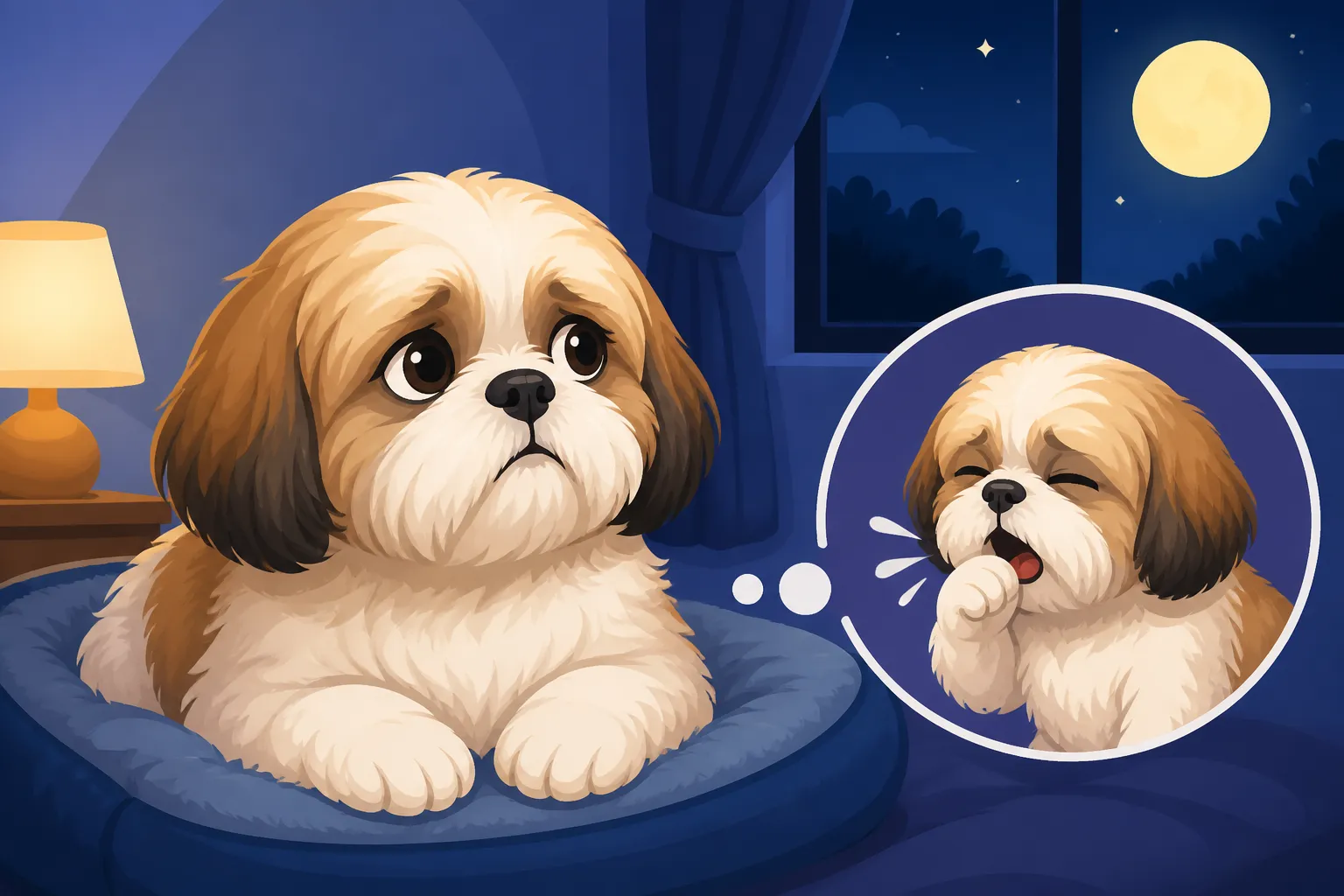
There's nothing quite as unsettling as being jolted awake by your beloved Shih Tzu’s persistent coughing, especially when it seems to happen only in the quiet hours of the night. It’s a specific, frustrating problem that leaves many owners feeling helpless, wondering if their furry friend is truly okay or if something more serious is at play. This guide aims to shed light on why your Shih Tzu might be coughing predominantly at night, exploring the common underlying causes and providing actionable insights on how to help your precious companion find restful sleep.
Understanding Why Nighttime Coughing is Different
When your Shih Tzu starts coughing primarily at night, it's not just a coincidence; there are physiological and environmental factors at play that can exacerbate or trigger coughing episodes specifically when your dog is trying to rest. Understanding these differences is the first step toward figuring out what might be going on.
The Role of Gravity and Position
Think about how your own body feels when you have a cold or allergies and you lie down. Gravity, or rather the lack thereof in an upright position, stops helping with fluid drainage. The same principle applies to your Shih Tzu. When a dog lies down, especially flat on their stomach or side, gravity no longer assists in draining mucus or fluids from the nasal passages, throat, or lungs. These secretions can then pool, irritating the airways and triggering a cough.
For a Shih Tzu, with their unique brachycephalic (flat-faced) anatomy, this can be even more pronounced. Their compacted airways are already prone to issues, and when lying down, any existing inflammation, excess mucus, or even an elongated soft palate can shift, obstructing airflow and leading to increased effort in breathing, which often manifests as a cough. It’s like trying to breathe through a straw while lying down — any small blockage becomes a much bigger deal. If you've ever heard The Snoring That Means a Shih Tzu Airway Problem, you know how critical their airway health is.
Environmental Factors After Dark
Beyond physical positioning, the nocturnal environment itself can contribute to a Shih Tzu’s nighttime coughing. During the day, household activity, open windows, and ventilation might keep irritants moving, but at night, the air often becomes stiller, allowing allergens and dust to settle, particularly in sleeping areas.
Consider common indoor allergens like dust mites, which thrive in bedding, carpets, and upholstered furniture. As your Shih Tzu snuggles into their bed for the night, they might be directly inhaling a higher concentration of these irritants. Similarly, if your home’s humidity levels fluctuate, very dry air at night can irritate sensitive airways, while overly humid air can promote mold growth or worsen congestion. The quiet of the night also means that every little sound, including your dog's cough, becomes much more noticeable, making it seem more frequent or severe than it might be during the bustling day. It's not uncommon for owners to only truly grasp the extent of their dog's issues once the house settles down.
Common Culprits Behind Nighttime Coughing in Shih Tzus
Given their distinct physical characteristics, Shih Tzus are predisposed to certain health issues that can cause coughing, especially when they're settled in for the night. Let's explore some of the most common causes.
Brachycephalic Airway Syndrome
This is often the first place veterinarians look when a Shih Tzu, or any flat-faced breed, presents with respiratory symptoms. Brachycephalic Airway Syndrome (BAS) is a collection of anatomical abnormalities that obstruct the upper airway. These issues are inherent to the breed and can worsen with age, weight, and other factors.
Elongated Soft Palate and Stenotic Nares
An The Elongated Soft Palate in a Shih Tzu is a common component of BAS. This soft tissue, located at the back of the roof of the mouth, extends too far back into the throat, partially blocking the entrance to the trachea (windpipe). When a Shih Tzu lies down, the soft palate can relax and shift further, causing greater obstruction and leading to snorting, gagging, and a distinct "honking" cough as they try to clear their airway.
Stenotic nares, or narrowed nostrils, are another part of BAS. While primarily affecting inhalation, the overall difficulty in breathing can put extra strain on the entire respiratory system, making them more susceptible to irritation and coughing. The combination of these structural issues means that even small amounts of inflammation or mucus can significantly impact their ability to breathe comfortably, particularly during sleep.
Tracheal Collapse
Tracheal Collapse and the Shih Tzu Honk is another serious concern, especially for toy breeds. The trachea, or windpipe, is supported by C-shaped cartilage rings. In tracheal collapse, these rings weaken and flatten, causing the airway to narrow, particularly during inhalation or exhalation. This often produces a distinctive dry, "goose-honk" cough.
While it can occur at any time, a collapsed trachea might cause more frequent or severe coughing episodes at night for several reasons. The recumbent position can alter the pressure dynamics within the chest, potentially putting more strain on the weakened trachea. Additionally, if the dog is sleeping deeply, they might not be as conscious of adjusting their breathing, leading to more pronounced episodes. This condition can be progressive and warrants veterinary attention.
Heart Conditions
As Shih Tzus age, heart disease becomes a more significant concern, and coughing, particularly at night, can be a tell-tale sign. Senior Shih Tzu Care Past the Age of Ten often involves monitoring for such conditions.
Congestive Heart Failure
One of the most common heart conditions in small breeds like the Shih Tzu is mitral valve disease, which can lead to congestive heart failure (CHF). When the heart isn't pumping efficiently, fluid can back up into the lungs (pulmonary edema) or accumulate in the chest cavity. This fluid irritates the airways, triggering a cough as the dog tries to clear it.
The coughing associated with CHF is often worse at night because when a dog lies down, fluid tends to redistribute in the lungs. Gravity no longer helps to keep the fluid settled in the lower parts of the lungs, allowing it to spread and cause more irritation. This cough is typically soft and moist, sometimes described as a "wet" cough. If you suspect A Shih Tzu Coughing From Heart Failure, immediate veterinary care is crucial. Pet insurance providers like Healthy Paws can be incredibly helpful in managing the costs associated with diagnosing and treating chronic conditions like CHF, which often require extensive testing and long-term medication.
Heart Murmurs and Their Progression
A heart murmur is an abnormal sound heard during a heartbeat, indicating turbulent blood flow. While not all murmurs are serious, they can be a sign of underlying heart disease, such as mitral valve disease. A veterinarian might detect Shih Tzu Heart Murmurs and Valve Disease during a routine check-up. As heart disease progresses, a cough can develop. Early detection and management are vital to slow the progression and improve quality of life. Regular veterinary check-ups are key to catching these issues before they become life-threatening emergencies.
Allergies and Irritants
Just like humans, Shih Tzus can suffer from allergies that lead to respiratory symptoms, including coughing. These can often be worse at night when environmental factors change.
Household Allergens and Dust Mites
Your home is full of potential allergens. Dust, pollen brought in from outside, mold spores, and especially dust mites, can all trigger an allergic reaction in your Shih Tzu. As mentioned earlier, dust mites thrive in bedding, and when your dog settles down for the night, they might be exposed to a higher concentration of these microscopic irritants. The resulting inflammation in their airways can lead to sneezing, reverse sneezing (which is different from a cough, but often confused with it, see The Reverse Sneeze Every Shih Tzu Owner Hears), and, of course, coughing.
Using hypoallergenic bedding, frequent washing of pet beds in hot water, and regular vacuuming can help reduce exposure to these allergens. An air purifier in the bedroom can also make a significant difference.
Seasonal and Food Allergies
Shih Tzus are also prone to atopic dermatitis, or environmental allergies, which often manifest as skin itching and ear infections, but can also cause respiratory symptoms. Seasonal allergens like pollen can exacerbate coughing, especially if windows are open during the day and the particles settle inside at night.
Food allergies are less common causes of coughing but can lead to chronic inflammation in the body, which might indirectly affect respiratory health. If you notice other signs like skin irritation, paw licking, or digestive upset alongside the nighttime cough, discussing potential allergies with your vet is a good idea.
Infections and Inflammation
Sometimes, a nighttime cough is simply a symptom of an infection or inflammation within the respiratory system.
Kennel Cough and Respiratory Infections
Kennel cough, or canine infectious tracheobronchitis, is a highly contagious respiratory infection that causes a harsh, dry, hacking cough, often followed by a retch. While it can occur at any time, a dog might cough more intensely or frequently at night simply because they are resting and their body is trying to expel irritants. Other respiratory infections, bacterial or viral, can also cause coughing and may seem worse at night due to positional drainage issues.
If your Shih Tzu has recently been boarded, to a groomer, or around other dogs, and suddenly develops a cough, kennel cough is a strong possibility. Treatment usually involves rest, cough suppressants, and sometimes antibiotics if a secondary bacterial infection is present.
Bronchitis and Asthma-like Symptoms
Chronic bronchitis, an inflammation of the airways, can lead to a persistent cough. In some Shih Tzus, this can present with asthma-like symptoms, where the airways narrow, making breathing difficult and triggering coughing episodes. These conditions often flare up with irritants, temperature changes, or during periods of rest. The inflammation makes the airways more sensitive, and the pooling of mucus when lying down can easily trigger a cough.
Gastroesophageal Reflux Disease (GERD)
Just like humans, dogs can suffer from acid reflux. If your Shih Tzu has GERD, stomach acid can flow back up into the esophagus and sometimes into the back of the throat, irritating the airways. This irritation can trigger a cough. The recumbent position at night makes reflux more likely because gravity isn't helping to keep stomach contents down. The cough from GERD might be accompanied by lip licking, gulping, or discomfort after eating. Feeding smaller, more frequent meals, avoiding fatty foods, and elevating your dog’s head during sleep can sometimes help alleviate GERD symptoms.
When to Worry: Recognizing Red Flags and Seeking Veterinary Care
While a single cough might not be a cause for alarm, persistent nighttime coughing in your Shih Tzu definitely warrants attention. Knowing when to simply observe and when to rush to the vet is crucial.
Beyond a Mild Annoyance: Signs of Distress
If your Shih Tzu's nighttime cough is more than just an occasional clearing of the throat, it’s time to take note. Look for accompanying symptoms that indicate distress or a worsening condition. These include:
- Difficulty Breathing: Is your dog struggling to inhale or exhale? Are their sides heaving excessively? Are they breathing with an open mouth even when not panting from exertion or heat? Brachycephalic Breathing in a Shih Tzu can already be challenging, so any added difficulty is a red flag.
- Blue or Pale Gums: This is a medical emergency. Blue-tinged gums mean a severe lack of oxygen, while pale gums can indicate anemia or shock. Seek immediate veterinary care.
- Lethargy or Weakness: If your normally playful Shih Tzu is unusually tired, sluggish, or reluctant to move, it could signal underlying illness.
- Loss of Appetite or Weight Loss: A sudden disinterest in food or noticeable weight loss are serious concerns that need veterinary investigation.
- Restlessness or Pacing: If your dog can't seem to get comfortable or is constantly shifting positions, they might be in pain or struggling to breathe.
- Foaming at the Mouth or Vomiting: Especially if associated with coughing, this could indicate severe respiratory distress or other internal issues.
- Coughing up Phlegm or Blood: Any discolored discharge or blood is a serious sign that requires immediate veterinary attention.
Diagnostic Steps Your Vet Might Take
When you bring your Shih Tzu to the vet for a nighttime cough, they'll start with a thorough physical examination, listening carefully to your dog's heart and lungs. Be prepared to provide a detailed history of the cough: when it started, how often it occurs, what it sounds like, and any associated symptoms.
To pinpoint the cause, your vet might recommend several diagnostic tests:
- Chest X-rays: These are often the first step to evaluate the heart size, look for fluid in the lungs (pulmonary edema), assess the trachea for collapse, and check for any masses or pneumonia.
- Blood Work: Complete Blood Count (CBC) and biochemistry panels can check for infection, inflammation, organ function (especially kidney function, which can be related, see Renal Dysplasia and the Shih Tzu Kidney), and overall health.
- Urinalysis: Can provide further information about organ function and potential infections.
- Heartworm Test: Although less common for coughing only at night, heartworm disease can cause coughing.
- Echocardiogram (Cardiac Ultrasound): If a heart condition is suspected, an echocardiogram provides a detailed view of the heart's structure and function, confirming conditions like mitral valve disease or congestive heart failure.
- Bronchoscopy: In some cases, a specialist might perform a bronchoscopy, which involves inserting a small camera into the airways to visually inspect them and take samples.
- Allergy Testing: If environmental or food allergies are suspected, your vet might discuss allergy testing or an elimination diet trial.
Diagnostic tests can add up, and having pet insurance from a provider such as Healthy Paws can provide peace of mind, knowing that a significant portion of these costs might be covered, allowing you to focus on your Shih Tzu’s health rather than financial strain.
Emergency Situations
Certain situations warrant immediate emergency veterinary care. If your Shih Tzu exhibits any of the following, do not wait:
- Severe respiratory distress: Open-mouth breathing, gasping for air, exaggerated chest movements.
- Blue or purple gums/tongue (cyanosis): This indicates a critical lack of oxygen.
- Collapse or loss of consciousness.
- Prolonged coughing fits that do not subside, especially if they result in choking or vomiting.
- Sudden onset of extreme weakness or inability to stand.
These are signs that your Shih Tzu needs urgent medical intervention.
Managing Nighttime Coughing at Home
Once a diagnosis is made, your veterinarian will outline a specific treatment plan. However, there are many things you can do at home to help manage your Shih Tzu's nighttime cough and improve their comfort.
Environmental Adjustments: Optimizing Their Sleeping Space
Making a few tweaks to your dog's sleeping environment can often provide significant relief.
Humidifiers and Air Purifiers
If the air in your home is particularly dry, especially during winter months when heating systems are running, it can irritate your Shih Tzu's airways, making them dry and scratchy. A humidifier in the room where your dog sleeps can help moisten the air, soothing irritated throats and potentially reducing coughing. Always use distilled water in humidifiers and clean them regularly to prevent mold growth.
Conversely, if allergens are the suspected cause, an air purifier with a HEPA filter can remove dust, pollen, dander, and other airborne irritants from the air. This can significantly reduce the triggers that lead to nighttime coughing. Placing it near their sleeping area can be particularly effective.
Elevating the Head
For dogs suffering from congestive heart failure, fluid pooling in the lungs, or gastroesophageal reflux (GERD), elevating their head during sleep can make a world of difference. Just like how humans prop themselves up with pillows when they have a cold or reflux, elevating your Shih Tzu's upper body helps gravity work in your favor.
You can achieve this by placing a wedge pillow specifically designed for pets under their bed, or by gently elevating the head end of their crate or sleeping area. Even a rolled-up blanket under their front end can offer some relief. This simple adjustment can help prevent fluids from accumulating in the lungs and reduce the likelihood of acid reflux irritating the throat, thereby minimizing coughing episodes.
Weight Management and Diet: Reducing Strain on the System
Maintaining a healthy weight is paramount for Shih Tzus, especially those prone to respiratory or cardiac issues. Shih Tzu Obesity on a Sixteen Pound Frame can severely exacerbate existing health problems.
Excess weight puts additional strain on the heart and lungs, making breathing more difficult for a breed already challenged by Brachycephalic Breathing in a Shih Tzu. Fat deposits around the neck and chest can further compress their already compromised airways. If your Shih Tzu is overweight, even losing a pound or two can significantly improve their breathing and reduce coughing. Work with your vet to establish a safe and effective weight loss plan.
Dietary choices can also play a role. Avoiding rich, fatty foods can help with GERD. Some veterinarians might recommend specific therapeutic diets for dogs with heart disease or allergies. Additionally, consider how your dog eats; if they gulp food too quickly, they might inhale air, which can contribute to discomfort. Slow feeder bowls can help them eat at a more measured pace.
Medication and Supplements: Vet-Prescribed Solutions
Once your vet has diagnosed the underlying cause of your Shih Tzu’s nighttime cough, they will prescribe appropriate medications. It's crucial to administer these exactly as directed.
- Cough Suppressants: For conditions like kennel cough or tracheal collapse, cough suppressants can reduce the frequency and severity of coughing, allowing your dog to rest.
- Bronchodilators: These medications help open up the airways, making breathing easier for dogs with bronchitis or asthma-like symptoms.
- Diuretics: If congestive heart failure is causing fluid buildup in the lungs, diuretics help the body shed excess fluid.
- Cardiac Medications: For heart disease, specific medications like ACE inhibitors or pimobendan can improve heart function.
- Anti-inflammatories: Steroids or other anti-inflammatory drugs might be used to reduce inflammation in the airways due to allergies or chronic bronchitis.
- Antacids/Prokinetics: For GERD, medications that reduce stomach acid or speed up gastric emptying can be beneficial.
- Allergy Medications: Antihistamines or other anti-allergy medications might be prescribed if allergies are a significant factor.
Discussing all options with your vet, including potential side effects and long-term management, is key. When considering ongoing care, remember that policies from companies like Healthy Paws are invaluable, especially if your Shih Tzu develops a chronic condition that requires continuous management with daily medications or regular vet visits. It’s also wise to ensure your home is kept at a comfortable temperature, as Why a Shih Tzu Cannot Cool Itself Well can lead to respiratory distress in hot environments, which can then trigger coughing. Regular veterinary visits and consistent management are essential for your Shih Tzu’s well-being.
| Cause of Nighttime Coughing | Common Characteristics of Cough | Other Symptoms to Watch For | Potential Home Management | Veterinary Diagnostics & Treatment |
|---|---|---|---|---|
| Brachycephalic Airway Syndrome | Often honking, snorting, gagging sounds, worse with excitement or exercise. | Noisy breathing, exercise intolerance, blue gums (emergency). | Elevate head, weight management, avoid overheating. | X-rays, possibly surgery (e.g., soft palate resection, stenotic nares correction). |
| Congestive Heart Failure | Soft, moist, wet cough; often worse when lying down. | Lethargy, weakness, reduced appetite, fluid retention (swollen belly). | Elevate head, low-sodium diet, weight management. | X-rays, echocardiogram, diuretics, cardiac medications. |
| Tracheal Collapse | Dry, harsh, "goose-honk" cough. | Exercise intolerance, gagging, difficulty breathing. | Harness instead of collar, weight management, cough suppressants. | X-rays, fluoroscopy, medications, sometimes surgery. |
| Allergies/Irritants | Dry, hacking cough, can be seasonal or constant. | Itching, paw licking, sneezing, eye discharge. | Air purifiers, hypoallergenic bedding, frequent cleaning. | Allergy testing, antihistamines, steroids. |
| Respiratory Infections (e.g., Kennel Cough) | Dry, hacking cough, often sounds like something stuck in throat. | Nasal discharge, sneezing, fever, lethargy. | Rest, supportive care, humidifier. | Antibiotics (for secondary infections), cough suppressants. |
| Gastroesophageal Reflux (GERD) | Mild, occasional cough or throat clearing, often after meals. | Lip licking, gulping, discomfort after eating. | Elevate head, smaller frequent meals, avoid fatty foods. | Antacids, prokinetics, dietary changes. |
Keeping Your Shih Tzu Healthy in the Long Run
Nighttime coughing in a Shih Tzu is a symptom that deserves thorough investigation, not just a minor inconvenience. Because their unique anatomy predisposes them to several respiratory and cardiac challenges, proactive care and keen observation are your best tools.
Always partner closely with your veterinarian. They are your most valuable resource in diagnosing the specific cause of your Shih Tzu’s cough and tailoring a treatment plan that will bring them relief. Don't hesitate to seek advice, especially if you notice new symptoms or a worsening of existing ones. Even for routine check-ups and preventative measures that help manage conditions before they become severe, it's worth looking into plans from Healthy Paws to understand what's covered. Remember, an early diagnosis often leads to more effective treatment and a better quality of life for your cherished companion.
Disclaimer
The information provided in this article is for educational and informational purposes only and does not constitute veterinary medical advice. Always consult with a qualified veterinarian for any health concerns or before making any decisions about your pet's health or treatment.