A Shih Tzu Coughing From Heart Failure
Hearing your beloved Shih Tzu hack, gag, or cough can be one of the most frightening sounds a pet parent can experience, especially when it seems to come out of nowhere. It's an immediate worry that something serious is amiss, and unfortunately, a persistent cough can sometimes be a dire signal of heart failure in these small, sweet dogs. This guide is here to walk you through what's happening, what symptoms to look out for, and how you can work with your vet to give your little lion dog the best possible quality of life.
The Unique Vulnerabilities of the Shih Tzu Heart
Our Shih Tzus, with their charming flat faces and luxurious coats, are undeniably delightful companions. However, their genetics and toy breed status unfortunately predispose them to certain health challenges, and heart conditions are high on that list. Understanding these predispositions is the first step in being a proactive and informed owner.
The Most Common Culprit: Mitral Valve Disease
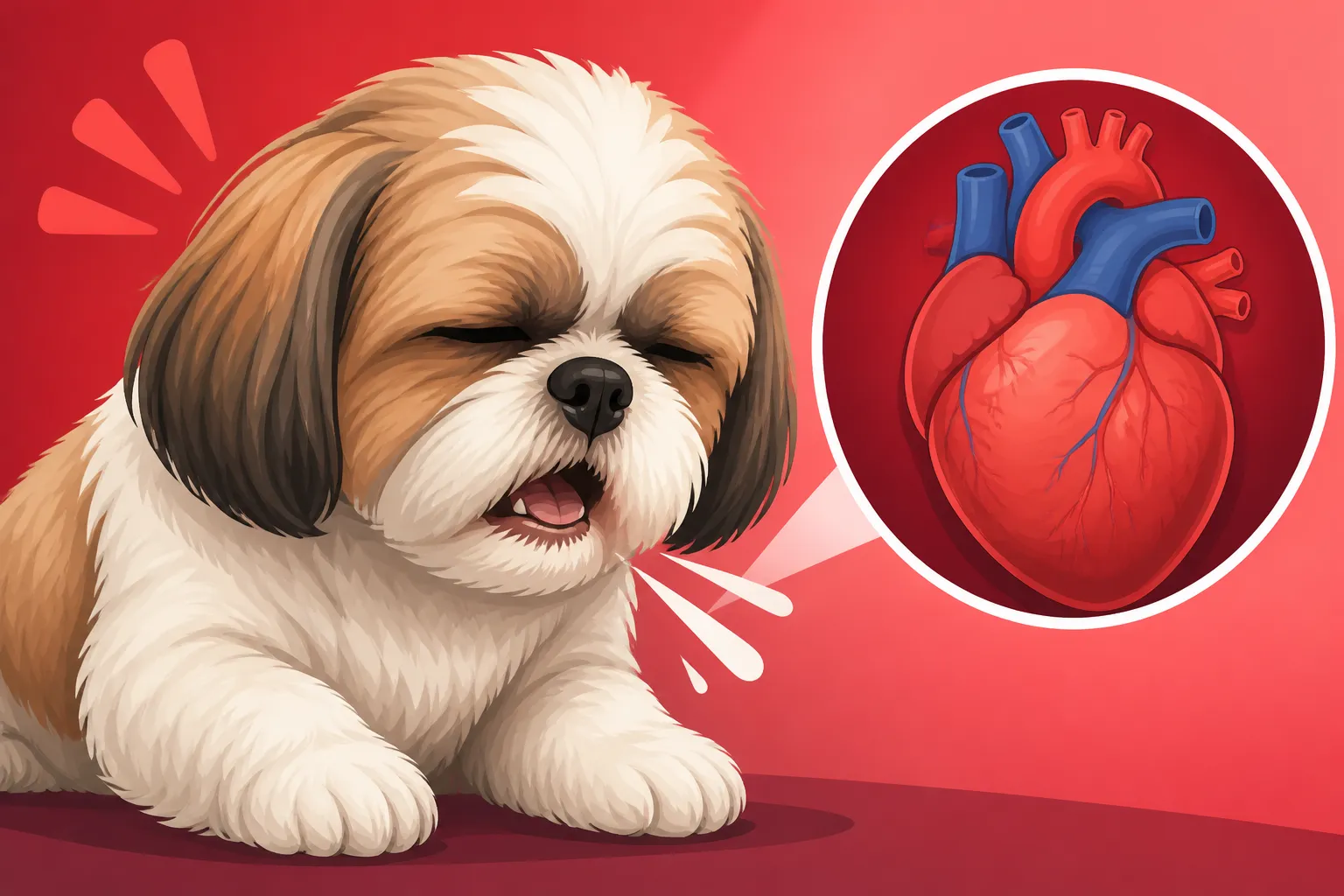
When we talk about heart failure in Shih Tzus, we're almost always referring to a condition called chronic valvular disease, specifically Mitral Valve Disease (MVD). This is by far the most prevalent heart condition in small breed dogs. Imagine the heart as a sophisticated pump with four chambers and four valves that ensure blood flows in the correct direction. The mitral valve sits between the left atrium and the left ventricle, essentially the gateway that allows oxygenated blood to flow into the main pumping chamber before it's sent out to the body.
In MVD, this valve starts to degenerate over time. It thickens, becomes lumpy, and can no longer close tightly. This leads to a "leaky" valve, where some blood flows backward into the left atrium with each heartbeat. This backward flow is what your vet hears as a "heart murmur" when they listen with a stethoscope. As the leakage worsens, the heart has to work harder to push blood forward, and the pressure starts to build up in the left atrium. This chamber then enlarges to accommodate the increased volume and pressure. Over time, this chronic strain can cause the heart muscle to weaken and fail to pump blood effectively, leading to what we call congestive heart failure.
The progression of MVD is often slow and insidious. A puppy might have no murmur at all, only for one to develop in middle age. For many Shih Tzus, this condition can quietly progress for years before any outward signs of illness appear. Regular vet check-ups are crucial for catching these murmurs early, even if your dog seems perfectly healthy. As your Shih Tzu ages, these examinations become even more important, often revealing a developing Shih Tzu Heart Murmurs and Valve Disease.
How a Failing Heart Leads to a Cough
Now, how does a leaky heart valve turn into a cough? When the left side of the heart begins to fail and can no longer efficiently pump blood forward, blood starts to back up. This backup doesn't just stop at the heart; it extends into the blood vessels that supply the lungs. The increased pressure in these vessels forces fluid to leak out of the capillaries and into the lung tissue itself. This condition is called pulmonary edema, or simply, "fluid in the lungs."
Imagine your Shih Tzu's lungs normally being light and airy, perfect for exchanging oxygen and carbon dioxide. Now, picture them becoming waterlogged, heavy, and congested with fluid. This fluid irritates the delicate tissues of the airways, triggering the cough reflex. The body is essentially trying to clear this abnormal fluid from the lungs, much like how we might cough when we have a chest cold. This isn't a productive cough like a human might have with phlegm; it's a dry, hacking cough that signals serious internal congestion. This is why a cough, particularly one that is persistent and deep, is a primary indicator that a Shih Tzu's heart disease has progressed to heart failure. It’s a stark reminder that what sounds like a simple cough can be a sign of a complex and critical internal struggle.
Recognizing the Cough and Other Telltale Signs of Heart Failure
It's truly unsettling when your usually vibrant Shih Tzu starts coughing, and it's even more concerning when you suspect it might be related to their heart. Distinguishing a cardiac cough from other types of coughs common in Shih Tzus can be tricky, but there are definite patterns and accompanying symptoms that can help you understand what's going on.
What the Cough Sounds and Looks Like
A cardiac cough, one stemming from heart failure and fluid in the lungs, typically has a few distinguishing characteristics. It's often described as a soft, wet, gurgling, or bubbly cough. Sometimes it can sound more like a dry hack. What often sets it apart is its persistence and timing. Many owners notice it worsens:
- At night: When your Shih Tzu is lying down, especially on their side, fluid can accumulate more easily in the lungs, making the cough more pronounced.
- During periods of excitement: Increased heart rate and blood flow during play or greeting can exacerbate fluid leakage.
- After exertion: Even mild exercise, like a short walk, can trigger a coughing fit.
It's really important to differentiate this from other common Shih Tzu respiratory noises. For instance, the breed is notorious for "The Reverse Sneeze Every Shih Tzu Owner Hears," which is a sudden, loud, inspiratory gasp that sounds alarming but is usually harmless and brief. A reverse sneeze often occurs when they're excited, drinking water too fast, or experiencing minor throat irritation. It sounds like they're trying to inhale a sneeze. Tracheal collapse, another common issue in toy breeds, typically causes a dry, harsh, honking cough, often described as sounding like a "goose honk," and is usually triggered by excitement, pulling on the collar, or drinking water. The cough from heart failure, however, tends to be deeper and "wetter" in nature, reflecting the fluid in the lungs.
Other Telltale Signs to Watch For
The cough is rarely the only sign of heart failure. A failing heart impacts the entire body, leading to a cascade of other symptoms you'll likely notice if you're tuned into your dog's daily rhythms. These often develop gradually, making them easy to miss until they become quite pronounced.
Here are some critical indicators:
- Increased Resting Respiratory Rate (RRR): This is one of the most vital signs to monitor at home. A healthy Shih Tzu, when calm and sleeping, should take between 15-30 breaths per minute. If you notice your dog's breathing rate is consistently higher than this while they're at rest, it's a huge red flag for fluid accumulation in the lungs. This subtle change can be a lifesaver to catch early.
- Reduced Exercise Tolerance: Has your Shih Tzu, who used to love a brisk walk, started lagging behind or refusing to go as far? Are they panting more heavily after minimal activity? This means their heart can't keep up with the demands of even light exercise. This might lead you to seek advice on Shih Tzu Exercise Intolerance in Summer if you initially mistake it for heat sensitivity.
- Fatigue and Weakness: They might seem less playful, sleep more, or just generally seem "off." Their usual spunky demeanor might be replaced by lethargy.
- Loss of Appetite: As the disease progresses, some dogs may lose interest in food or become nauseous.
- Weight Loss: Despite a good appetite, a dog with advanced heart failure might lose muscle mass, appearing thinner.
- Distended Abdomen (Ascites): In very advanced cases, fluid can also accumulate in the abdomen, causing a pot-bellied appearance. This is a sign of right-sided heart failure.
- Pale or Bluish Gums: This indicates poor oxygenation and is an emergency sign. The mucous membranes in their mouth should be a healthy bubblegum pink.
- Fainting or Collapse (Syncope): This is a severe symptom, meaning the brain isn't getting enough oxygen. It's a medical emergency.
If you observe any combination of these signs, especially a new or worsening cough, it's imperative to contact your veterinarian immediately. Early intervention can significantly impact the management and comfort of your Shih Tzu.
Diagnosis and Treatment Options for Canine Heart Failure
When you bring your Shih Tzu to the vet suspecting heart failure, you’re often feeling a mix of anxiety and hope. You want answers, and you want to know what can be done to help your precious companion. The diagnostic process is thorough, aiming to confirm the diagnosis, assess the severity, and rule out other conditions. While heart failure isn't curable, it is manageable, and modern veterinary medicine offers a variety of treatments to significantly improve your dog's quality of life.
The Vet Visit: What to Expect
Your veterinarian will start with a comprehensive physical examination. They will carefully listen to your Shih Tzu's heart with a stethoscope, specifically checking for a heart murmur, its intensity, and if there are any abnormal heart rhythms. They'll also listen to the lungs for any crackling or wheezing sounds that indicate fluid. They'll check your dog's gum color, feel their pulse, and assess their overall body condition.
Following the physical exam, several diagnostic tests will likely be recommended:
- Chest X-rays (Radiographs): This is often the first and most crucial step. X-rays allow the vet to visualize the size and shape of the heart, look for enlargement (cardiomegaly), and, most importantly, detect fluid accumulation in the lungs (pulmonary edema). They can also assess the trachea and other lung structures to rule out other respiratory causes of coughing, such as Tracheal Collapse and the Shih Tzu Honk.
- Echocardiogram (Cardiac Ultrasound): This is the gold standard for diagnosing and staging heart disease. An echocardiogram uses sound waves to create real-time images of the heart's structures, allowing the vet to see the valves, measure chamber sizes, assess the heart muscle's pumping function, and evaluate blood flow. It precisely quantifies the severity of the mitral valve leakage and how well the heart is functioning. This is usually performed by a veterinary cardiologist.
- Electrocardiogram (ECG): An ECG records the electrical activity of the heart and is used to detect abnormal heart rhythms (arrhythmias) that can sometimes accompany heart failure.
- Blood and Urine Tests: A complete blood count (CBC) and biochemistry panel are typically performed to assess overall organ function, especially kidney function, which can be affected by heart disease and certain medications. A pro-BNP blood test can also be used as a screening tool, as elevated levels indicate cardiac stretch or stress.
Receiving a diagnosis of heart failure can be overwhelming, and understanding the costs associated with these diagnostics and ongoing care is important. Many proactive owners invest in pet insurance. Companies like Healthy Paws offer plans that can cover a significant portion of these diagnostic and treatment costs, providing immense peace of mind during a stressful time.
Medical Management to Improve Quality of Life
The goal of treating heart failure in Shih Tzus is not to cure the underlying valve degeneration, but to manage the symptoms, slow the progression of the disease, and enhance your dog's comfort and lifespan. Treatment typically involves a combination of medications:
- Diuretics (e.g., Furosemide): These are vital for removing excess fluid from the body, especially from the lungs. By reducing pulmonary edema, diuretics alleviate the coughing and improve breathing. They work by increasing urination, so you'll notice your Shih Tzu needs to go potty more frequently. This is where you might also become acutely aware of issues like Shih Tzu Bladder Stones and Urinary Problems if they are prone to them, as increased urination can sometimes exacerbate such conditions.
- ACE Inhibitors (e.g., Enalapril, Benazepril): These medications help dilate blood vessels, reducing the workload on the heart and improving blood flow throughout the body. They essentially make it easier for the heart to pump.
- Pimobendan (Vetmedin): This is a cornerstone of heart failure treatment. Pimobendan is a positive inotrope (it strengthens heart contractions) and a vasodilator (it dilates blood vessels). It helps the heart pump more effectively and reduces the resistance it has to pump against. Studies have shown it significantly extends the life and improves the quality of life for dogs with MVD.
- Spironolactone: Often used in conjunction with furosemide, this is a potassium-sparing diuretic that helps prevent potassium loss and has additional benefits for the heart.
- Other Medications: Depending on specific symptoms, other medications might be used, such as cough suppressants (though often unnecessary once fluid is controlled), anti-arrhythmics for irregular heartbeats, or bronchodilators.
The specific combination and dosage of medications will be tailored to your Shih Tzu's individual needs and the stage of their heart disease. Your vet will regularly monitor their response to treatment, often with follow-up X-rays, blood tests, and re-evaluations to adjust medications as necessary. This ongoing management requires dedication, but it truly makes a world of difference for your beloved companion.
Living with a Shih Tzu with Heart Disease
Receiving a diagnosis of heart failure for your Shih Tzu can feel devastating, but it's important to remember that with proper management, many dogs can continue to live fulfilling, comfortable lives for months or even years. Your role as an observant and proactive owner becomes even more critical in monitoring their condition and making adjustments to their daily routine.
Monitoring Your Shih Tzu at Home
One of the most powerful tools you have as an owner is the ability to monitor your Shih Tzu's resting respiratory rate (RRR) at home. This simple, non-invasive measurement can provide invaluable information about their lung fluid status and help you recognize when a veterinary visit is urgently needed.
How to Measure Resting Respiratory Rate:
- Wait until they are completely calm: Ideally, your Shih Tzu should be fast asleep or very relaxed. Don't measure when they are panting from excitement, heat, or recent exercise.
- Watch their chest or abdomen rise and fall: Count each rise and fall as one breath.
- Count for 15 seconds: Multiply this number by four to get breaths per minute. Alternatively, count for a full minute for accuracy.
- Do this regularly: Aim for a few times a week, or daily if they are newly diagnosed or on new medication, to establish a baseline.
A healthy Shih Tzu will typically have a RRR of 15-30 breaths per minute while at rest. If you consistently find their RRR to be above 30, especially if it's trending upwards, it's a strong indicator that fluid is accumulating in their lungs and you should contact your vet. Keeping a log of their RRR, along with any changes in appetite, energy, or coughing episodes, is incredibly helpful for your veterinary team.
Beyond RRR, simply observing your dog's demeanor is crucial. Is their cough returning or worsening? Are they having more trouble breathing? Are they less interested in food or play? Any significant changes warrant a call to the vet. This kind of diligent observation becomes part of Senior Shih Tzu Care Past the Age of Ten for many Shih Tzus. For unexpected veterinary bills related to such conditions, a robust pet insurance plan like those offered by Healthy Paws can alleviate the financial strain, allowing you to focus purely on your pet's health.
Adjusting Their Routine for Comfort
Living with heart disease means making thoughtful adjustments to your Shih Tzu's daily life to minimize stress on their heart and maximize their comfort.
- Exercise Modifications: While exercise is important, moderation is key. Intense or prolonged exercise should be avoided. Instead, offer short, gentle walks on a harness (never a collar, as it can put pressure on the trachea and exacerbate coughing). Multiple short walks throughout the day are often better than one long one. Watch for signs of fatigue or increased panting and stop immediately if you see them. On hot or humid days, keep walks extra short or stick to indoor play, as Why a Shih Tzu Cannot Cool Itself Well due to their brachycephalic nature makes them particularly susceptible to overheating, which can strain a compromised heart.
- Dietary Considerations: Your vet may recommend a low-sodium diet to help manage fluid retention. Many prescription cardiac diets are specifically formulated for this purpose. Even if not on a prescription diet, avoid table scraps, processed treats, and foods high in salt. Maintaining a healthy weight is also paramount. A Shih Tzu Obesity on a Sixteen Pound Frame can put extra strain on their heart and other joints, making weight management a critical component of their care.
- Stress Reduction: Try to keep their environment calm and predictable. Avoid situations that cause extreme excitement or anxiety, as these can elevate heart rate and blood pressure.
- Comfortable Sleeping Arrangements: Provide soft, supportive beds. If fluid accumulation is an issue, some dogs find it more comfortable to sleep with their head slightly elevated.
- Regular Vet Visits: Your Shih Tzu will likely need more frequent check-ups, potentially every few weeks to every few months, especially when first diagnosed or if medication changes are made. These visits are essential for monitoring their condition, adjusting medications, and performing necessary tests. Your vet can advise on the optimal Vet Visit Frequency for a Shih Tzu Past Ten.
Navigating these changes can be challenging, but focusing on quality of life is paramount. Celebrate their good days, and on the tougher ones, know you are doing everything you can to provide them comfort and love. Discussions about Deciding for a Shih Tzu at Fifteen or earlier, often center around maintaining this quality of life.
Understanding Heart Failure vs. Other Causes of Coughing
It's common for a Shih Tzu to cough, and not every cough indicates heart failure. Knowing the difference, and when to truly worry, can help you act appropriately.
Tracheal Collapse and Respiratory Issues
As a brachycephalic breed, Shih Tzus are prone to several respiratory conditions that can cause coughing, often mimicking heart-related issues.
- Tracheal Collapse: This is incredibly common in toy breeds. The trachea, or windpipe, is made of cartilage rings that can weaken and flatten, making it difficult for air to pass through. The cough associated with tracheal collapse is typically a dry, harsh, "goose-honk" sound, often triggered by excitement, pulling on a collar, or drinking. While alarming, it's a structural problem of the airway, not the heart. However, severe tracheal collapse can sometimes exacerbate heart issues due to increased breathing effort.
- Elongated Soft Palate: Another brachycephalic trait, an elongated soft palate can partially obstruct the airway, leading to snoring, snorting, and sometimes gagging or coughing. This is a common cause of The Snoring That Means a Shih Tzu Airway Problem. This cough is generally related to breathing effort and not fluid in the lungs.
- Allergies or Irritants: Just like people, dogs can cough due to allergies, inhaling irritants (like smoke or strong cleaning fumes), or minor throat irritation. These coughs are usually short-lived and resolve once the irritant is removed.
- Kennel Cough: A highly contagious upper respiratory infection, kennel cough causes a strong, hacking cough, often followed by a gag. It's usually self-limiting but can persist for weeks. It's often accompanied by other signs of illness, like sneezing or nasal discharge.
While these conditions can be distressing, they require different diagnostic and treatment approaches than heart failure. Your vet will carefully evaluate all symptoms and use diagnostic tools like X-rays and physical examination to distinguish between these possibilities.
The Importance of Prompt Veterinary Care
Regardless of the suspected cause, a persistent cough in a Shih Tzu should never be ignored. Delaying veterinary attention can lead to worsening conditions and potentially irreversible damage, especially in cases of heart failure.
Here's why prompt care is essential:
- Early Diagnosis Matters: Catching heart disease in its earlier stages, even before it progresses to overt failure, can allow for interventions that slow progression and extend healthy life. Regular check-ups are key to identifying murmurs.
- Preventing Crises: If your Shih Tzu is already in heart failure, quick action when symptoms worsen can prevent a life-threatening crisis, such as severe pulmonary edema that makes breathing impossible.
- Optimizing Treatment: The sooner an accurate diagnosis is made, the sooner appropriate medications can be started, leading to better outcomes and improved comfort for your dog.
- Quality of Life: Ultimately, prompt and consistent veterinary care ensures your Shih Tzu has the best possible quality of life, minimizing their discomfort and allowing them to enjoy their time with you for as long as possible.
Don't hesitate to reach out to your veterinarian if you notice any changes in your Shih Tzu's breathing or if they develop a cough. They are your best resource for guidance and support.
Disclaimer
This article is intended for informational purposes only and does not constitute medical advice. Always consult with a qualified veterinarian for any health concerns or before making any decisions about your pet's health or treatment.