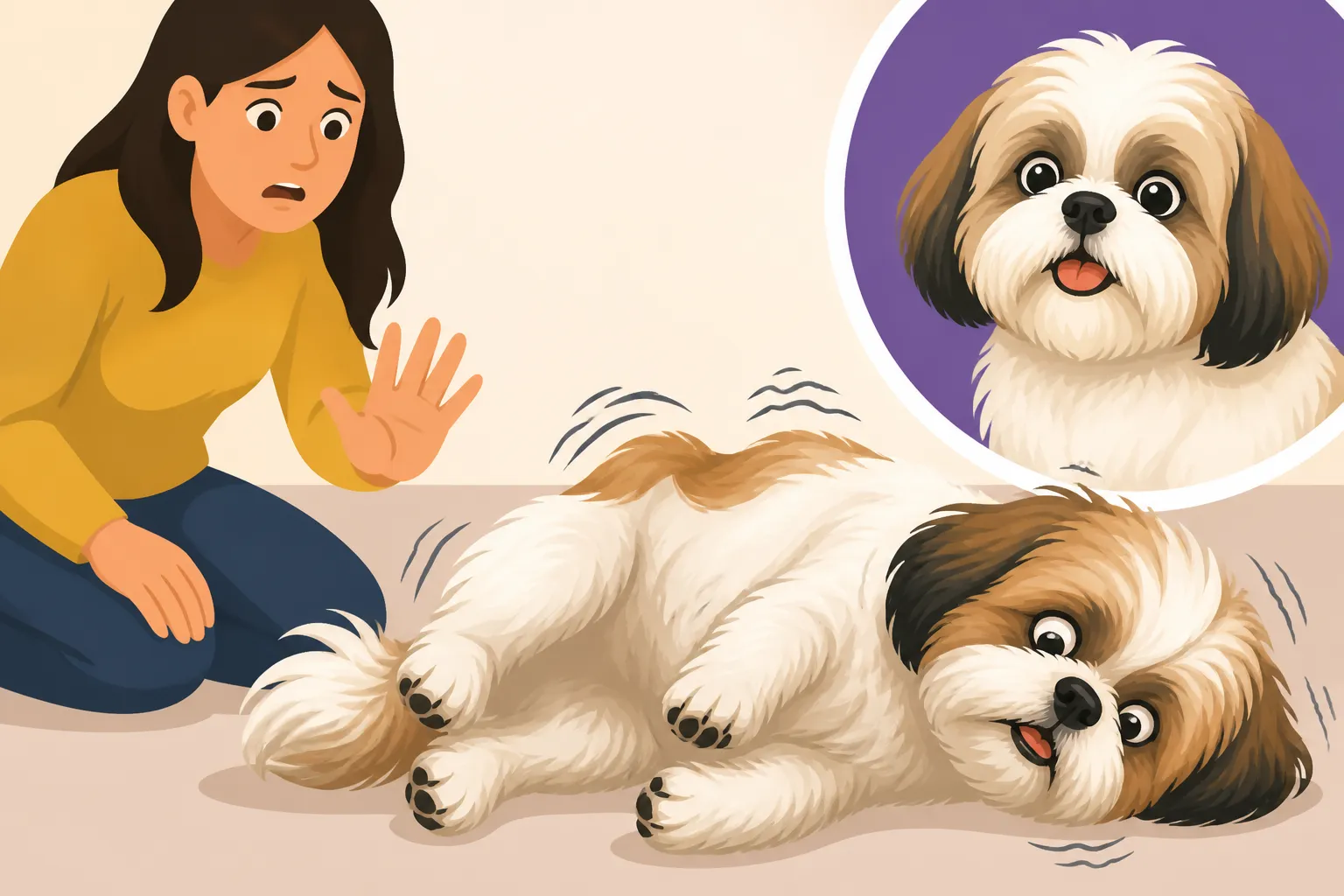
Standing By While a Shih Tzu Seizes
There are few things more terrifying for a Shih Tzu owner than watching your beloved little fluffball suddenly go into a seizure. The frantic thrashing, the vacant stare, the complete loss of control – it’s a moment of pure panic and helplessness, leaving you wondering what just happened and what on earth you’re supposed to do. This guide is here to walk you through understanding Shih Tzu seizures, what to do when they happen, and how to work with your vet to manage this distressing condition.
Recognizing a Seizure in Your Shih Tzu
When we hear the word "seizure," most of us picture a dramatic, full-body convulsion. And while that's certainly one type, seizures in Shih Tzus – or any dog – can manifest in many different ways, some quite subtle. Learning to recognize the various signs is the first step in helping your pup.
The Different Faces of a Seizure
Not all seizures look like something out of a medical drama. Understanding the spectrum of seizure activity can help you identify when something's wrong, even if it's not the classic "grand mal."
A generalized seizure, often called a grand mal seizure, is what most people typically imagine. Your Shih Tzu will likely lose consciousness, collapse, and exhibit rhythmic, uncontrolled muscle activity. This can include paddling motions with their legs, rigid extension of their limbs, champing of the jaws, and excessive drooling. It's not uncommon for them to urinate or defecate uncontrollably during this phase, as they lose all conscious control over their body. Their eyes might be fixed or roll back, and they'll be completely unresponsive to your voice or touch. This type of seizure can be incredibly distressing to witness, making you feel utterly powerless as your little companion thrashes about.
On the other hand, focal seizures (sometimes called partial seizures) are much less dramatic and can be easily mistaken for other behaviors. These seizures affect only a specific part of the brain and, therefore, only a specific part of the body. You might see isolated twitching of a single limb, a facial muscle, or an eyelid. Some Shih Tzus might exhibit repetitive, unusual behaviors like "fly-biting" (snapping at invisible objects), staring blankly, or appearing confused and unresponsive for a few moments. They might drool excessively or even vocalize in strange ways. Because these can be so subtle, many owners don't realize their dog is having a seizure until they've progressed or become more frequent. It's crucial to pay close attention to any odd, repetitive, or unresponsive behaviors, even if they seem minor.
Aura and Post-Ictal Phases: Before and After the Event
A seizure isn't just the main event itself; it often has phases before and after that can offer crucial clues to your vet. These phases are called the aura and post-ictal periods.
The aura refers to the subtle changes in behavior that some dogs exhibit before a seizure actually begins. This pre-seizure phase can last from minutes to hours, or even days in some cases. Your Shih Tzu might become unusually restless, anxious, or clingy, seeking out your attention more than usual. Conversely, some dogs might hide or seem withdrawn. They might pace aimlessly, whine, tremble, or appear confused. While not every dog experiences an aura, if your Shih Tzu suddenly starts acting "off" in a noticeable way, it's worth keeping a close eye on them, especially if they have a history of seizures. Recognizing an aura can give you a moment to prepare and ensure your dog is in a safe space before the seizure itself.
Once the main seizure activity has stopped, your Shih Tzu enters the post-ictal phase. This period can be just as disorienting and frightening for your dog as the seizure itself. They might appear confused, disoriented, or even temporarily blind or deaf. Some dogs will pace frantically, bump into objects, or stand in corners staring at walls. Excessive thirst and hunger are also common, as the brain has expended a tremendous amount of energy. Your Shih Tzu might seem unusually tired, or conversely, be agitated and restless. This phase can last anywhere from a few minutes to several hours, and sometimes even a full day. During this time, it's vital to remember that your dog isn't themselves; they're recovering from a neurological event. Be patient, gentle, and create a calm, quiet environment for them to come back to themselves.
What to Do When Your Shih Tzu Has a Seizure
Witnessing a seizure is incredibly stressful, but how you react in those crucial moments can make a significant difference for your Shih Tzu's safety and your ability to help your vet later. Staying calm is easier said than done, but it’s paramount.
Prioritizing Safety During the Event
Your immediate goal during a seizure is to protect your Shih Tzu from accidental injury and gather information. This isn't easy when your heart is pounding, but try to remain as composed as possible.
First, do not try to restrain your dog or put your hands in their mouth. Despite the old wives' tale, dogs cannot swallow their tongues. Trying to open their mouth or hold their head still could result in you being accidentally bitten, or cause injury to your dog. Instead, gently move any furniture, sharp objects, or anything else your Shih Tzu could hit or injure themselves on during the convulsions. If they are on a high surface like a bed or couch, try to gently guide them onto the floor if it's safe to do so without getting too close to their mouth. The main concern is preventing them from hurting themselves.
Next, and this is crucial for your vet, time the seizure. Grab your phone or a clock and note exactly when the convulsive activity starts and stops. Even seconds can be vital information. Also, try to notice specific details: are all four legs paddling, or just one side? Are their eyes open or closed? Are they drooling, urinating, or defecating? Are they making any sounds? If you have other pets in the home, quietly separate them. Other dogs or cats might become distressed or even try to interfere, which could worsen the situation for your seizing Shih Tzu.
The Critical Role of Timing and Observation
The information you gather during and immediately after a seizure is invaluable to your veterinarian. They weren't there, so your detailed account is their best diagnostic tool.
Beyond simply timing the duration of the seizure activity, try to remember the specifics of what happened. Was there any pre-seizure "aura" behavior? What did the actual seizure look like – was it rigid, clonic (rhythmic jerking), or a combination? Did your Shih Tzu vocalize? What was their level of consciousness, and did they lose bladder or bowel control? These observations help differentiate between various types of seizures and can guide diagnostic steps. If you can safely and calmly do so, recording a short video of the seizure from a distance can be incredibly helpful for your vet. Just ensure your priority remains your dog's safety and your own; don't put yourself in harm's way for a video.
Once the convulsive activity stops, note the start time of the post-ictal phase and observe how long it takes for your Shih Tzu to return to a more normal state. Do they seem blind, confused, or unusually hungry? All of these details, compiled in a timeline, will be a cornerstone of your conversation with the vet and greatly assist them in forming a diagnosis and treatment plan.
After the Seizure: Guiding Your Disoriented Companion
Once the seizure activity subsides, your Shih Tzu will likely be confused and disoriented. This post-ictal period requires a gentle and patient approach.
Speak to them in a soft, reassuring voice, but avoid overwhelming them with too much physical contact initially. Remember, they might not fully recognize you immediately and could react fearfully or defensively due to their disorientation. Keep the environment quiet and calm, dimming lights or reducing loud noises if possible. Offer them a small amount of water once they appear able to swallow safely, as many dogs are extremely thirsty after a seizure. If they seem to settle down, a small, bland meal can sometimes help, but ensure they can walk and appear to have full control before offering food to prevent choking.
It's tempting to want to hold and comfort your dog, but their brain is still recovering, and they need space to process what just happened. Monitor them closely for any signs of another seizure (known as cluster seizures) or for worsening disorientation. Even if it was a short, isolated seizure and your dog seems to recover quickly, it's always wise to contact your veterinarian for advice, especially if it's their first seizure. They can guide you on whether an immediate visit is necessary or if you can monitor at home.
Understanding Why a Shih Tzu Might Seize
Seizures are a symptom, not a disease in themselves. They signal that there's abnormal electrical activity occurring in your dog's brain. Pinpointing the root cause is crucial for effective management, and it can range from genetic predispositions to underlying health issues.
Primary Epilepsy: The Most Common Culprit
For many dogs, especially certain breeds, the cause of seizures is diagnosed as idiopathic epilepsy, often referred to as primary epilepsy. "Idiopathic" simply means that there's no identifiable underlying cause for the seizures, despite thorough diagnostic testing. In these cases, the brain itself is considered to have an inherent defect that lowers the seizure threshold.
While not as prevalent as in some larger breeds, Shih Tzus can certainly be diagnosed with idiopathic epilepsy. It's often suspected when seizures begin in dogs between six months and six years of age, and all other potential causes have been ruled out. There can be a genetic component, so if you're ever considering getting a Shih Tzu puppy, asking about the seizure history of the parent dogs is a responsible step to take. Dogs with idiopathic epilepsy usually lead full, normal lives with appropriate medication, but it's a condition that requires lifelong management and regular veterinary care. Learning about conditions like Health Testing a Shih Tzu Breeder Should Do can help you understand what questions to ask breeders.
Secondary Seizures: Underlying Health Issues
Sometimes, a seizure is a red flag for an entirely different health problem in your Shih Tzu, known as secondary seizures or symptomatic epilepsy. These are caused by issues outside the brain that affect its function.
Metabolic imbalances are a common cause. For instance, low blood sugar (hypoglycemia) can trigger seizures, especially in very young puppies or toy breeds like Shih Tzus if they go too long without food or have an underlying metabolic disorder. Severe liver disease, which can sometimes manifest as a Portosystemic Shunt Signs in a Shih Tzu Puppy, or advanced kidney failure (like that seen in Renal Dysplasia and the Shih Tzu Kidney) can cause toxins to build up in the bloodstream, leading to neurological symptoms including seizures. Thyroid disease, which can sometimes cause a Thyroid Disease Thinning a Shih Tzu Coat, can also have secondary effects that might predispose a dog to seizures, though this is less common.
Toxins are another significant concern. Accidental ingestion of poisons like certain human medications, antifreeze, pesticides, rodenticides, or even common foods toxic to dogs (such as chocolate, xylitol, or certain nuts) can all lead to severe neurological symptoms, including seizures. Given their small size and propensity for exploration, it's vital to be vigilant about what your Shih Tzu has access to.
Finally, issues directly affecting the brain structure can cause seizures. This includes brain tumors (which can be primary or metastatic), inflammation of the brain (encephalitis) due to infection or immune-mediated disease, and past head trauma. Though less common, severe electrolyte imbalances or heatstroke (which Shih Tzus are prone to due to their Why a Shih Tzu Cannot Cool Itself Well) can also sometimes induce seizure activity.
The Link Between Seizures and Other Shih Tzu Health Concerns
While seizures are a distinct neurological event, they can sometimes intertwine with other health predispositions in the Shih Tzu breed, highlighting the importance of a comprehensive health assessment.
For example, severe dental disease, which affects Shih Tzu Dental Disease at 13 Percent of the Breed, typically won't directly cause a seizure, but chronic infection and inflammation can put general stress on the body. More directly, any condition that impacts blood flow or oxygen to the brain could, in severe cases, contribute to seizure activity. While rare, significant Shih Tzu Heart Murmurs and Valve Disease leading to very poor circulation might theoretically play a role, though seizures are usually not the primary symptom in such cases.
Furthermore, issues like Shih Tzu Obesity on a Sixteen Pound Frame can indirectly exacerbate metabolic problems, making a dog more vulnerable to conditions that could, in turn, trigger seizures. For instance, an obese dog might be more prone to conditions like pancreatitis, which can sometimes lead to electrolyte imbalances that contribute to seizure risk. It’s a complex web, which is why a holistic approach to your Shih Tzu's health is always the best strategy.
When to Seek Veterinary Help for Seizures
Knowing when to call the vet immediately versus when to monitor can be tough. When it comes to seizures, it’s often better to err on the side of caution.
Emergency Situations Requiring Immediate Attention
Not every seizure requires an immediate dash to the emergency vet, but some absolutely do. Recognizing these critical situations can be life-saving for your Shih Tzu.
You should seek emergency veterinary care immediately if:
- The seizure lasts longer than five minutes. This is a medical emergency known as status epilepticus. Prolonged seizure activity can lead to hyperthermia (dangerously high body temperature), brain damage, and even death.
- Your Shih Tzu has multiple seizures within a 24-hour period (cluster seizures). This indicates unstable neurological activity and also warrants immediate veterinary attention.
- Your Shih Tzu doesn't regain full consciousness or normal mentation between seizures. If they remain disoriented, blind, or unresponsive after a seizure, it's an emergency.
- Your Shih Tzu injures themselves during the seizure. If they hit their head hard, fall from a height, or incur any other trauma, they need to be checked for secondary injuries.
- It's your Shih Tzu's first seizure, regardless of duration. A first seizure always warrants a vet visit to try and determine the cause and rule out serious underlying conditions. Even a brief first seizure needs attention.
- Your Shih Tzu is pregnant or has other serious health conditions.
Don't delay. In these scenarios, time is of the essence, and prompt veterinary intervention can significantly improve the outcome.
Diagnostic Steps at the Vet's Office
When you bring your Shih Tzu to the vet after a seizure, especially a first one or an emergency, the veterinary team will begin a systematic approach to identify the cause.
The initial steps will likely involve a thorough physical examination, neurological assessment, and detailed discussion about your observations during the seizure. This is where your careful timing and notes come into play. The vet will likely recommend a battery of blood tests, including a complete blood count (CBC) and a biochemistry panel to check organ function (liver, kidneys), blood sugar levels, electrolytes, and thyroid function. A urinalysis may also be performed to assess kidney function and rule out urinary tract infections. These tests are vital for ruling out metabolic causes of seizures.
If these initial tests come back normal, and the vet suspects a brain-related issue (especially if the dog is outside the typical age range for idiopathic epilepsy or shows other neurological signs), more advanced diagnostics might be recommended. This can include imaging tests like an MRI (Magnetic Resonance Imaging) or CT (Computed Tomography) scan of the brain to look for tumors, inflammation, fluid accumulation, or other structural abnormalities. In some cases, a cerebrospinal fluid (CSF) tap might be performed to check for inflammation or infection within the central nervous system. These advanced tests help differentiate between idiopathic epilepsy and other, potentially more serious, brain diseases. Testing a Shih Tzu for Kidney Disease or checking for other metabolic issues will be part of the initial workup.
Long-Term Management and Medication
If your Shih Tzu is diagnosed with epilepsy, the goal of treatment isn't necessarily to "cure" it, but to manage the condition effectively to reduce the frequency, severity, and duration of seizures, thereby improving their quality of life.
The primary method for long-term management is often anti-epileptic drugs (AEDs). Common medications include phenobarbital, potassium bromide, levetiracetam (Keppra), and zonisamide. The choice of medication, dosage, and whether to use a single drug or a combination will depend on your dog's specific case, including the type and frequency of seizures, and any other existing health conditions. It's not uncommon to start with one medication and adjust as needed, or to add a second drug if seizures aren't well-controlled.
Consistency is key with AEDs; they must be given exactly as prescribed, often at specific times each day, to maintain stable drug levels in your Shih Tzu's system. Abruptly stopping or missing doses can trigger seizures. Your vet will schedule regular check-ups and blood tests to monitor the drug levels in your dog's system and assess liver and kidney function, as some AEDs can impact these organs over time. It's a journey, not a sprint, and effective management often involves close collaboration between you and your vet. Pet insurance providers like Healthy Paws can be a real lifeline here, as they often cover the costs associated with ongoing diagnostics, medications, and specialist consultations for chronic conditions like epilepsy. This can make the financial burden of managing a seizure disorder much more manageable for owners.
| Seizure Type | Key Observations | Duration | Emergency? |
|---|---|---|---|
| Generalized (Grand Mal) | Loss of consciousness, full-body convulsions (paddling, rigid limbs), jaw champing, excessive drooling, vocalization, urination/defecation. | Seconds to 3-5 minutes | Yes, if > 5 minutes, clusters, or first time. |
| Focal (Partial) | Localized twitching (face, limb), "fly-biting," staring blankly, appearing confused, unresponsiveness, unusual repetitive behaviors, excessive drooling without full-body convulsions. | Seconds to a few minutes | Yes, if recurrent, progresses to generalized, or first time. |
| Status Epilepticus | Seizure activity lasting continuously for more than 5 minutes, or multiple seizures without regaining consciousness between them. | > 5 minutes (continuous) | ABSOLUTELY YES – LIFE-THREATENING EMERGENCY! Seek immediate vet care. |
| Cluster Seizures | Two or more individual seizures occurring within a 24-hour period, with brief periods of recovery (post-ictal phase) in between. | Multiple events within 24 hours | ABSOLUTELY YES – EMERGENCY! Indicates poor seizure control. |
| Aura (Pre-Seizure) | Restlessness, anxiety, clinginess, hiding, pacing, trembling, unusual quietness, seeking attention. | Minutes to hours (before seizure) | No, but helps prepare. Document for vet. |
| Post-Ictal (Post-Seizure) | Disorientation, confusion, temporary blindness/deafness, excessive thirst/hunger, pacing, lethargy, anxiety, sometimes aggression due to confusion. | Minutes to 24 hours (after seizure) | Yes, if disorientation is profound or prolonged, or if they don't seem to recover. Report to vet regardless. |
Disclaimer
The information provided in this article is for general educational purposes only and is not a substitute for professional veterinary advice. If your Shih Tzu is experiencing seizures or any other health concerns, please consult with a qualified veterinarian immediately. They can provide an accurate diagnosis and appropriate treatment plan tailored to your pet's specific needs.