Kitchen Foods That Are Toxic to a Shih Tzu
It's incredibly tempting, isn't it? Our little Shih Tzus look up at us with those big, soulful eyes, especially when we're enjoying a delicious meal, and it’s so hard to resist sharing a little morsel. But the truth is, many seemingly innocent kitchen foods we enjoy are profoundly toxic to our beloved companions, and because Shih Tzus are so small, even a tiny amount can lead to a devastating emergency. This guide is here to walk you through the most common and surprising dangers lurking in your kitchen and equip you with the knowledge to keep your furry friend safe and sound.
The Most Common Kitchen Culprits for Shih Tzus
We all know the basics, or at least we think we do, but it's astonishing how many common foods that are perfectly fine for us can wreak havoc on a Shih Tzu's delicate system. Their small size means they can't process toxins the same way a larger dog, or a human, might, making them particularly vulnerable.
Chocolate: The Sweet Poison
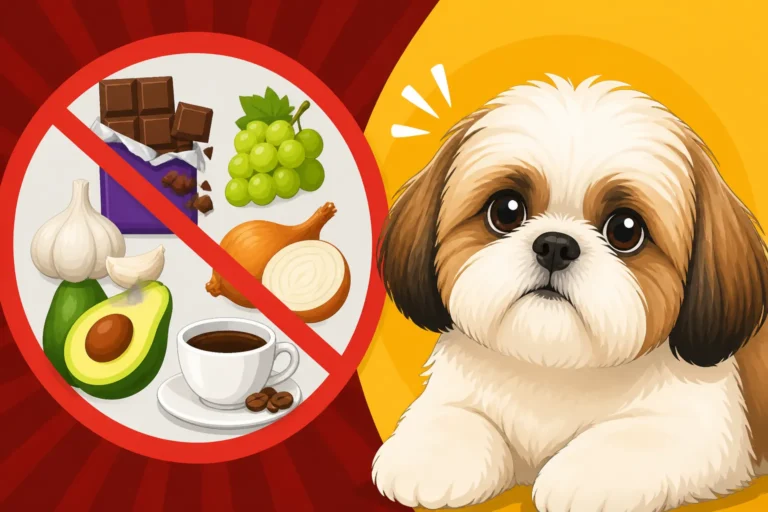
Ah, chocolate. It's a staple in many homes, from baking chips to candy bars, but it's a profound danger to dogs, and especially a small breed like a Shih Tzu. The toxic components in chocolate are theobromine and caffeine, both stimulants. The darker the chocolate, the higher the concentration of these chemicals, making baker's chocolate or dark chocolate far more dangerous than milk chocolate or white chocolate.
Imagine your little Shih Tzu, perhaps sniffing around the coffee table after a party, and finding a dropped piece of a dark chocolate brownie. Even a small square could contain enough theobromine to cause serious issues. Symptoms can range from mild gastrointestinal upset like vomiting and diarrhea to more severe neurological signs such as restlessness, hyperactivity, tremors, and seizures. Their tiny hearts can race, leading to an elevated heart rate and even arrhythmia. It’s a terrifying experience for any owner, seeing their usually placid companion suddenly agitated and sick. If you even suspect your Shih Tzu has ingested chocolate, don't wait to see if symptoms develop. Time is absolutely critical, and a swift call to your vet is paramount.
Grapes and Raisins: A Mysterious Threat
This one often catches people by surprise. Grapes and raisins seem like such natural, healthy snacks, even for us. But for dogs, they are incredibly toxic, and the exact mechanism behind their toxicity isn't fully understood, which is part of what makes them so insidious. What we do know is that ingestion can lead to acute kidney failure.
Picture this: you're making a salad or enjoying a fruit platter, and a single grape rolls off the counter, unnoticed. Your Shih Tzu, ever the curious scavenger, snaps it up. Because their body weight is so low, that one grape could be enough to trigger a severe reaction. Symptoms usually begin with vomiting, often within hours of ingestion, followed by lethargy, dehydration, and a lack of appetite. Over the next few days, kidney failure can develop, leading to reduced urine production or even a complete absence of urination. This is a life-threatening situation. There's no known "safe" amount, and some dogs seem more sensitive than others. It's simply best to consider all grapes and raisins, in any form (fresh, dried, in baked goods), as entirely off-limits for your Shih Tzu.
Onions, Garlic, and Chives: Allium Family Foes
These savory additions to our meals are members of the Allium family, and they contain compounds that can damage a dog's red blood cells, leading to a condition called hemolytic anemia. This means their body starts destroying its own red blood cells, which are vital for carrying oxygen throughout the body.
Think about a discarded onion slice from your sandwich, or a piece of garlic bread dropped on the floor. Maybe even a dash of garlic powder used in cooking that lingers on a pot. For a small Shih Tzu, the dose-response relationship is critical. A large dog might tolerate a small amount without immediate severe effects, but for a 12-pound Shih Tzu, a significant exposure could cause serious illness. Symptoms can be delayed for a few days, which makes diagnosis tricky, but they typically include lethargy, weakness, pale gums, rapid breathing, and dark, reddish-brown urine. These are all signs that their red blood cells are under attack. Always keep these ingredients, and any food containing them, well out of reach. That includes onion rings, garlic bread, and even baby food purees that might contain onion powder.
Xylitol: The Silent Sweetener
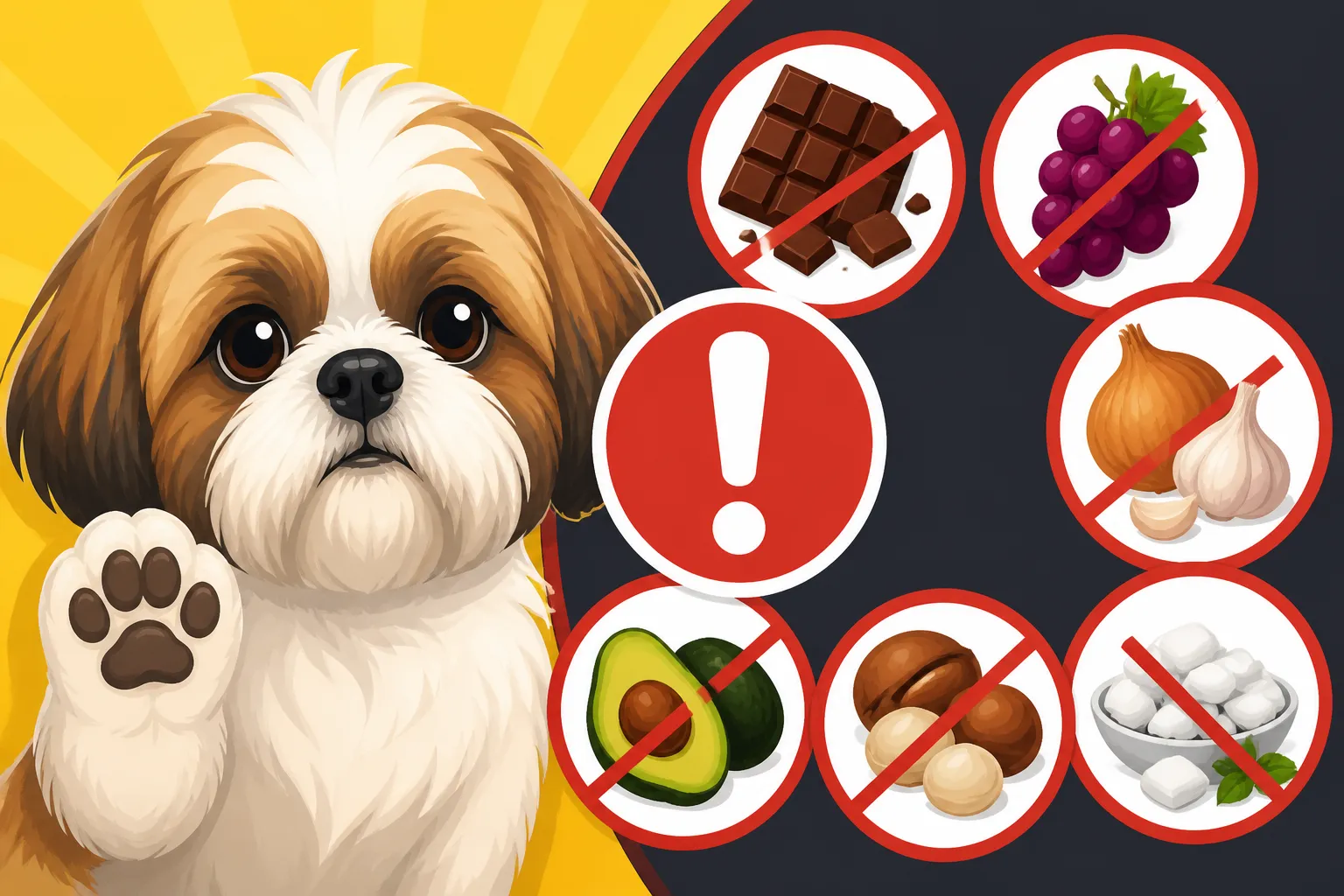
Xylitol is a sugar alcohol commonly used as a sugar substitute in many "sugar-free" or "diet" products, from chewing gum and mints to certain toothpastes, peanut butters, and even some baked goods and medications. For dogs, xylitol is incredibly toxic, causing a rapid and profound release of insulin, which leads to a sudden drop in blood sugar (hypoglycemia). In higher doses, it can also cause acute liver failure.
Imagine your Shih Tzu finding a stick of sugar-free gum dropped from your purse, or perhaps getting into a jar of peanut butter sweetened with xylitol. Even a small piece of gum can be deadly for a small dog. The onset of symptoms is often very fast, sometimes within 15-30 minutes. You might see your Shih Tzu suddenly become weak, disoriented, stagger, collapse, or even have seizures due to the severe hypoglycemia. This is an absolute emergency. Every second counts. If you know or suspect your Shih Tzu has eaten anything containing xylitol, this is a "drop everything and get to the emergency vet" situation. Always check labels on products like peanut butter, which is often used for treats or to hide medication, to ensure it doesn't contain xylitol.
Alcohol and Caffeine: Human Stimulants, Pet Poisons
While less common to intentionally feed, accidental ingestion of alcohol or caffeine can be extremely dangerous for a Shih Tzu. Alcohol, found in alcoholic beverages and some food products, is quickly absorbed into a dog's bloodstream and can cause a severe drop in blood sugar, body temperature, and blood pressure. Caffeine, present in coffee, tea, energy drinks, and some medications, acts as a potent stimulant, similar to theobromine in chocolate.
Consider a spilled cocktail at a party, or an unattended coffee cup left on a low table. A small Shih Tzu can easily lap up enough to cause problems. Alcohol toxicity can manifest as disorientation, incoordination, excessive urination, central nervous system depression, tremors, and even coma or death. Caffeine poisoning leads to hyperactivity, restlessness, elevated heart rate, tremors, and seizures. Both are serious medical emergencies. Keep all alcoholic beverages and caffeinated products strictly out of paw's reach.
Hidden Dangers and Unexpected Toxic Foods
Beyond the usual suspects, there are other items in our kitchens that might not immediately ring alarm bells but pose significant risks to our small Shih Tzus. It’s not always about direct toxicity; sometimes it's about physical harm or nutritional imbalance that their little bodies simply aren't equipped to handle.
Avocado: The Persin Problem
While avocado might be hailed as a superfood for humans, it contains a fungicidal toxin called persin, which can be problematic for some animals. While dogs are generally considered more resistant to persin than birds or horses, large quantities or particularly sensitive individuals could still react. The bigger concern for a Shih Tzu, however, is often the large pit.
If your Shih Tzu manages to get hold of an avocado and gnaws on the pit, it presents a serious choking hazard or could cause an intestinal obstruction, which would require emergency surgery. Their small digestive tracts are simply not built for such an object. Even the flesh, while generally less toxic, is high in fat, and too much fatty food can lead to gastrointestinal upset or, worse, pancreatitis in a Shih Tzu, a painful inflammation of the pancreas. So, it's best to keep avocados entirely out of their diet to avoid both the potential toxicity and the physical risks.
Macadamia Nuts: More Than Just a Stomach Ache
These rich, buttery nuts are another surprising entry on the toxic list for dogs. The exact toxic compound in macadamia nuts is still unknown, but ingestion can lead to a distinct set of symptoms.
Imagine your Shih Tzu sneaking a few macadamia nuts from a bowl of mixed nuts left out during a movie night. Within 12 to 48 hours, they might develop weakness, particularly in their hind legs, leading to difficulty walking, tremors, and joint pain. They might also experience vomiting, lethargy, and a mild fever. While macadamia nut poisoning is rarely fatal, it's incredibly uncomfortable and distressing for your dog, and can sometimes be severe enough to require veterinary support for pain management and symptom control. Given their small size, it doesn't take many macadamia nuts to cause these effects in a Shih Tzu. It's safer to avoid them entirely.
Cooked Bones: The Splintering Hazard
It’s an age-old image: a dog happily gnawing on a bone. But cooked bones are a far cry from raw, safe recreational bones. Cooking changes the structure of bones, making them brittle and prone to splintering into sharp fragments.
Picture your Shih Tzu getting into the trash and pulling out a chicken bone from last night's dinner. That seemingly small, innocuous bone is now a severe hazard. Those sharp splinters can cause damage anywhere from their mouth and esophagus to their stomach and intestines. This could mean choking, lacerations of the digestive tract, or even a perforation, which is a life-threatening emergency. Beyond splintering, cooked bones can also cause obstructions or severe constipation. If you want to give your Shih Tzu something to chew, opt for appropriate, vet-approved dental chews or raw bones specifically designed for dogs, under supervision. Never offer cooked bones.
Yeast Dough: Rising Risks
Raw yeast dough, like that used for bread, can pose two major problems for a Shih Tzu. First, the warm, moist environment of a dog's stomach acts as an incubator, causing the dough to rise and expand. This can lead to a severely bloated stomach, causing pain and potentially a life-threatening condition called gastric dilatation-volvulus (GDV), or bloat, especially in deeper-chested breeds, but even in a small dog, it causes immense discomfort and risk. Second, as the yeast ferments, it produces alcohol, leading to alcohol poisoning, as discussed earlier.
Imagine you're baking a fresh loaf of bread and leave the dough to rise on the counter. Your Shih Tzu, drawn by the smell, manages to jump up or pull it down. The expanding dough in their stomach is a dire situation, causing severe abdominal distension and pain. Symptoms of yeast dough ingestion include a bloated abdomen, retching without vomiting, weakness, disorientation, and signs of alcohol toxicity. This is definitely a call-the-vet-immediately situation. Keep all raw dough well out of reach.
Fatty Scraps and Rich Foods: Pancreatitis Pitfalls
While not directly toxic in the same way as chocolate or grapes, giving your Shih Tzu fatty table scraps can lead to a painful and serious condition: pancreatitis. Their small digestive systems are not designed to handle rich, high-fat foods.
Think about trimming the fat off a steak, or scraping leftover grease into the bin, and your Shih Tzu is right there, hoping for a bite. Even a small piece of fatty meat, bacon, sausage, or even drippings can trigger an inflammatory response in their pancreas. Symptoms of pancreatitis include severe vomiting, diarrhea, abdominal pain (they might hunch their back or resist being touched), lethargy, and loss of appetite. It's an agonizing condition that often requires hospitalization, intravenous fluids, and pain medication. Over time, repeated bouts of pancreatitis can lead to chronic health issues. This is why it’s so important to stick to a balanced dog food and appropriate treats.
| Toxic Food Item | Primary Toxic Component | Common Symptoms in Shih Tzus | Severity for a Shih Tzu |
|---|---|---|---|
| Chocolate | Theobromine, Caffeine | Vomiting, diarrhea, hyperactivity, tremors, seizures, heart issues | Moderate to Severe (can be fatal, especially dark chocolate) |
| Grapes & Raisins | Unknown | Vomiting, lethargy, dehydration, reduced urination, kidney failure | Severe (life-threatening kidney damage) |
| Onions, Garlic, Chives | Thiosulphates, Disulphides | Lethargy, weakness, pale gums, rapid breathing, dark urine, anemia | Moderate to Severe (can lead to red blood cell destruction) |
| Xylitol | Xylitol | Weakness, disorientation, staggering, collapse, seizures | Severe (rapid, life-threatening blood sugar drop, liver damage) |
| Alcohol | Ethanol | Disorientation, incoordination, excessive urination, tremors, coma | Severe (central nervous system depression, potentially fatal) |
| Caffeine | Caffeine | Hyperactivity, restlessness, elevated heart rate, tremors, seizures | Moderate to Severe (similar to chocolate poisoning) |
| Avocado | Persin (flesh), Pit (choking/obstruction) | Vomiting, diarrhea, lethargy (less common from persin), choking, obstruction (from pit) | Low to Moderate (from persin), Severe (from pit) |
| Macadamia Nuts | Unknown | Weakness (especially hind legs), tremors, joint pain, vomiting | Moderate (rarely fatal, but very uncomfortable) |
| Cooked Bones | Splinters, Obstruction | Choking, vomiting, severe abdominal pain, constipation, perforations | Severe (potential for internal injury, obstruction) |
| Yeast Dough | Rising dough, Ethanol | Bloating, retching, severe abdominal pain, weakness, disorientation | Severe (gastric bloat, alcohol poisoning) |
| Fatty Scraps | High Fat Content | Vomiting, diarrhea, abdominal pain, lethargy | Moderate to Severe (pancreatitis, can be life-threatening) |
What Happens When a Shih Tzu Eats Something Toxic and What to Do
The moment you realize your Shih Tzu has eaten something potentially toxic, a wave of panic is entirely natural. Your mind races, you might feel guilty, and the urge to act quickly is overwhelming. It's crucial to channel that energy into calm, decisive action.
Recognizing the Signs: What to Look For
The signs of toxicity can vary wildly depending on what was ingested, the amount, and your individual Shih Tzu's sensitivity. Some symptoms appear almost immediately, while others can be delayed for hours or even days. This is why vigilance is so important.
Common immediate signs might include acute gastrointestinal upset: sudden, profuse vomiting or diarrhea, sometimes repeated. Your Shih Tzu might start drooling excessively, pacing nervously, or showing signs of discomfort in their abdomen, like hunching over. For certain toxins like xylitol or caffeine, you might see neurological signs develop rapidly – this could be extreme hyperactivity, restlessness, disorientation, stumbling, tremors, or even seizures. Their heart rate might be visibly elevated, and their gums could appear pale or even bluish. With delayed toxins like grapes or onions, initial mild GI upset might be followed days later by profound lethargy, weakness, lack of appetite, and changes in urination. Early Shih Tzu Back Pain Signs can sometimes be misinterpreted as toxicity, so paying close attention to specific symptoms is key.
First Aid at Home (When Safe)
In very rare and specific cases, your vet might advise inducing vomiting at home, but this is almost never recommended without direct veterinary guidance. Attempting to induce vomiting incorrectly can cause more harm than good, especially if the substance is corrosive, if your Shih Tzu is already showing severe symptoms, or if there's a risk of aspiration (inhaling vomit into the lungs).
Your primary "first aid" step is to secure any remaining toxic substance and prevent further ingestion. Safely collect a sample of whatever they ate, including the packaging if available. Note the quantity ingested and the approximate time of ingestion. This information is gold for your vet. Do not try to give your Shih Tzu milk, charcoal, or any other home remedy unless specifically instructed by a veterinarian. Many home remedies are ineffective and can delay proper treatment.
When to Call the Vet (Always!)
The answer here is almost always "immediately." If you suspect, even mildly, that your Shih Tzu has ingested a toxic substance, pick up the phone and call your veterinarian or an emergency veterinary hospital right away. Do not wait for symptoms to appear. The sooner treatment is initiated, the better the prognosis.
When you call, be prepared to provide:
- What was ingested: Be as specific as possible (e.g., "three squares of 70% dark chocolate," "a sugar-free gum stick with xylitol").
- How much was ingested: Your best estimate.
- When it was ingested: Approximate time is crucial.
- Your Shih Tzu's weight: This helps calculate dosage for treatment.
- Any symptoms you've observed: Describe them in detail.
They will guide you on whether to come in immediately, or if it's something less severe, what to monitor for. For serious toxins like xylitol, grapes, or a large amount of dark chocolate, they will likely tell you to come in without delay. You might want to consider Who to Ring When a Shih Tzu Eats Something Bad and have those numbers saved in your phone for quick access. This proactive step can save precious time in an emergency. Remember, veterinary emergencies can be costly, so having a plan or understanding options like Vet Credit Lines for a Shih Tzu Emergency can help alleviate financial stress during an already difficult time.
Preventing Accidents: Creating a Safe Kitchen Environment
An ounce of prevention is worth a pound of cure, especially when it comes to keeping our curious Shih Tzus safe from toxic kitchen foods. Their small size makes them adept at squeezing into tight spaces and reaching surprisingly high places, so a truly Shih Tzu-proof kitchen requires a proactive approach.
Secure Storage and Countertop Vigilance
The first line of defense is ensuring all potentially harmful foods are stored completely out of reach. This means more than just putting them in the pantry. Shih Tzus are smart, and some can learn to open low cabinets or drawers. Consider using childproof latches on cabinets that contain toxins or enticing human foods.
Keep all human food, especially snacks and ingredients, off countertops when not actively in use. Never leave food unattended on tables or counters, even for "just a minute." A Shih Tzu can jump surprisingly high, or if they can’t reach, they are masters of pulling down tablecloths or nudging items off lower shelves. It's not uncommon for a determined Shih Tzu to stand on their hind legs and stretch. Store fruits like grapes in bowls well away from the edge, and put chocolate in sealed containers in high cabinets. Even your trash can needs to be secure; many dogs are adept at rummaging through the bin for discarded scraps. Opt for a trash can with a secure lid or one that can be stored in a locked cabinet. This vigilance extends to your purse or backpack—make sure gum, mints, or medications containing xylitol aren't left where a curious snout can sniff them out.
Educating Family Members and Guests
This is a crucial, yet often overlooked, aspect of prevention. You might be meticulous, but if other members of your household or guests aren't aware of the dangers, accidents can still happen. Have an open conversation with everyone who interacts with your Shih Tzu.
Explain simply why certain foods are dangerous and emphasize that a small taste for them could be a life-threatening dose for a Shih Tzu. Post a small, friendly reminder note on the fridge or in a common area listing the top offenders. When guests visit, politely ask them not to feed your dog anything from the table and to be mindful of dropping food. It can feel awkward, but it's essential for your Shih Tzu's safety. For children, teach them early that "human food" is not "dog food." You can offer them safe alternatives to give to your Shih Tzu under supervision, which helps them feel involved without risking your dog's health. Remind them about Shih Tzu Puppy Nipping at Fingers if they are trying to share food.
Safe Alternatives and Approved Treats
The best way to prevent your Shih Tzu from begging for human food is to establish clear boundaries and provide them with plenty of appropriate, healthy alternatives. Stick to dog-specific treats and foods that are formulated for their nutritional needs and won't upset their sensitive stomachs.
Many brands offer high-quality dog treats that are safe and appealing. You can find a vast selection of vet-approved treats on platforms like Chewy or Amazon, making it easy to stock up. Look for treats with limited ingredients and no artificial sweeteners. If you want to give your Shih Tzu something "fresh," consider small pieces of plain, cooked chicken (without skin or bones), lean cooked beef, plain carrots, green beans, or blueberries (in moderation). These can be great training rewards or just special treats. For mealtime, consider fresh food delivery services like Ollie, which provide perfectly portioned, human-grade meals specifically designed for canine health, eliminating the guesswork and risk associated with human food. Feeding a Shih Tzu at Nine to Sixteen Pounds is about ensuring they get the right nutrition without any added dangers. By having these safe options readily available, you can satisfy your Shih Tzu’s treat cravings without putting their health at risk.
Disclaimer
This article is for general informational purposes only and does not constitute professional advice. Laws, prices and regulations vary by location and change over time. Consult a qualified professional for guidance on your specific situation.