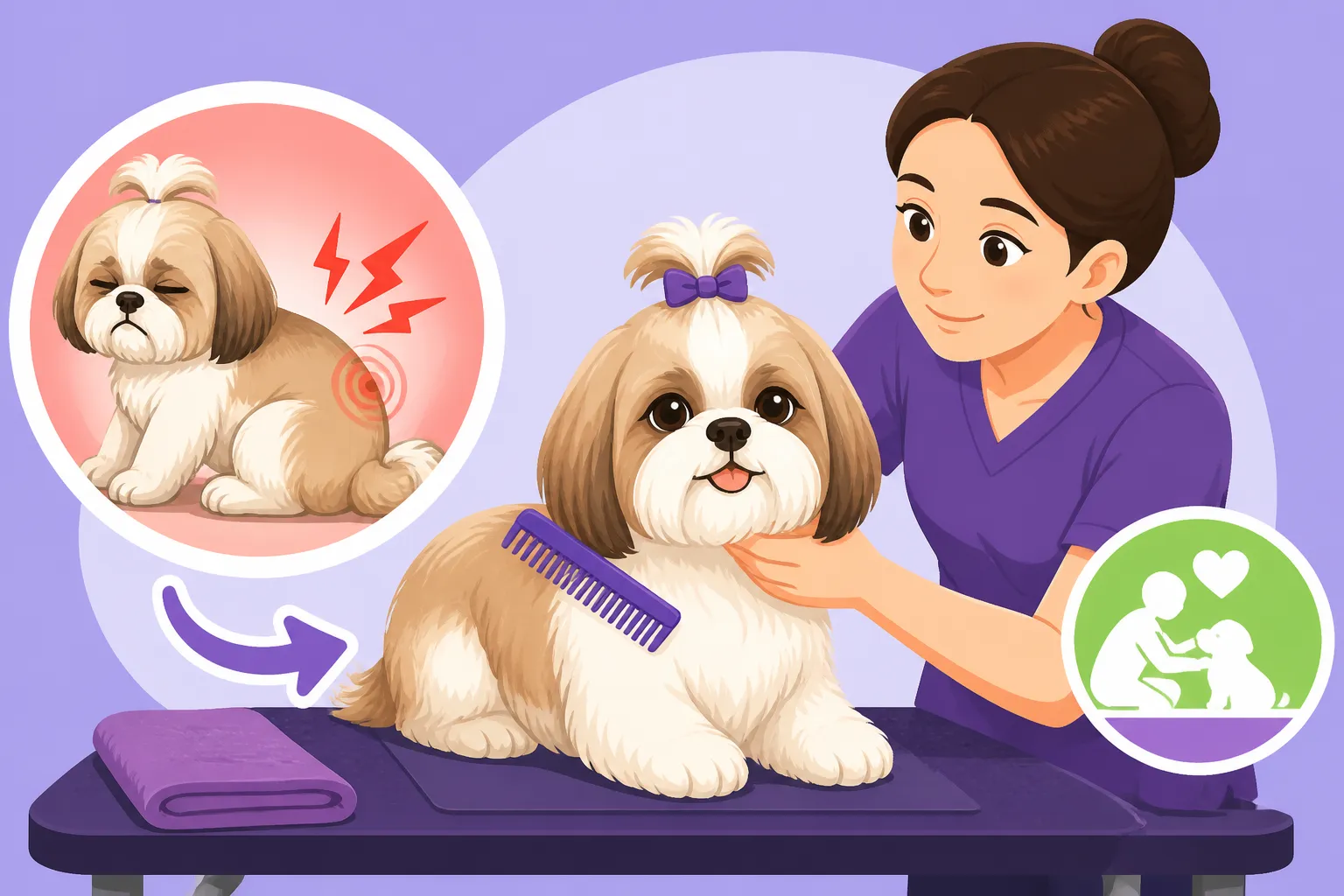
Grooming a Shih Tzu With a Sore Back
It's heartbreaking to see our beloved Shih Tzus in discomfort, especially when something as routine and necessary as grooming becomes a source of pain. Their little bodies, with those long backs and short legs, are prone to certain vulnerabilities, and a sore back can turn what should be a bonding experience into a tense, even fearful, ordeal for both of you. This guide is here to walk you through understanding why your Shih Tzu might be experiencing back pain during grooming, how to adapt your approach, and practical strategies to make grooming sessions as comfortable and stress-free as possible for your precious companion.
Understanding Why Your Shih Tzu Has a Sore Back
Before we dive into adapting our grooming routine, it’s crucial to understand why your Shih Tzu might be feeling pain in their back. This understanding allows us to approach grooming with empathy and make informed decisions that prioritize their comfort and well-being. It’s not just about a temporary ache; it could be a sign of something more significant.
Common Causes of Back Pain in Shih Tzus
Shih Tzus, like many other long-backed, short-legged breeds, are predisposed to certain spinal conditions. Their unique conformation, while undeniably adorable, comes with a set of anatomical challenges.
One of the most common culprits behind back pain in Shih Tzus is Shih Tzu Disc Disease and Sudden Back Pain, specifically intervertebral disc disease (IVDD). This condition occurs when the cushions (discs) between the vertebrae in the spine either bulge or rupture, pressing on the spinal cord. Imagine a jelly donut – if the jelly squishes out, it can hit sensitive nerves. This can cause anything from mild discomfort to severe pain, weakness, and even paralysis. A seemingly innocent jump off the sofa or a quick twist during play can trigger a disc event. This is why it’s so vital to remember that a Why a Shih Tzu Spine Is Built to Slip and why even routine movements, let alone grooming, need to be carefully considered.
Beyond IVDD, other conditions can contribute to back pain. Arthritis, particularly in older Shih Tzus, can lead to chronic stiffness and soreness in the spine and surrounding joints. Just like us, as our dogs age, their joints can degenerate, making movements that were once easy quite painful. Shih Tzu Joint Problems in a Toy Frame can manifest in the hips, knees (patellar luxation), and also affect how they carry their weight, putting extra strain on their back. Muscle strains from overexertion or an awkward movement can also occur, though these are typically less severe and resolve with rest. Even poor posture or being overweight can contribute to general back discomfort, as extra weight puts undue stress on the spine and joints. Shih Tzu Obesity on a Sixteen Pound Frame can be a huge factor.
Recognizing the Signs of Discomfort During Grooming
Sometimes, the signs of back pain can be subtle, especially in our stoic little companions who might try to hide their discomfort. However, during grooming, when you're touching and manipulating their body, these signs can become much more apparent. It's like gently poking a bruise – the reaction tells you everything.
Firstly, watch for any vocalizations. A sudden yelp, whimper, or even a low growl when you touch a specific area of their back or hindquarters is a clear red flag. They are telling you, in no uncertain terms, that it hurts. Secondly, observe their body language. Does your Shih Tzu stiffen up, try to pull away, or even snap when you reach for their back? Are they reluctant to stand still, shifting their weight, or perhaps even trembling? You might notice them hunching their back, tucking their tail tightly, or holding their head in an unusual, rigid position. A dog in pain might also pant excessively, even if the room isn't warm, or have dilated pupils, indicating stress and discomfort.
Consider a scenario: you’re trying to brush a mat from behind their ear, a common spot for tangles. Normally, your Shih Tzu might tolerate it with a bit of grumbling. But now, they flinch violently, perhaps even nip at the air, and suddenly refuse to let you touch that side of their body. This isn’t necessarily aggression; it’s a pain response. Another common sign is an unusual reluctance to get onto the grooming table or into the tub, even if they usually don't mind these routines. If your previously easygoing Shih Tzu starts to resist being lifted, or struggles when being held in certain positions, their back could be the culprit. Paying close attention to these subtle (and not-so-subtle) cues is paramount to preventing further injury and ensuring their safety during grooming. If you notice these signs, it's always best to stop the grooming session and consult your veterinarian.
Essential Adaptations for Grooming a Shih Tzu with Back Pain
Once you've identified that your Shih Tzu is experiencing back discomfort, it's time to adjust your grooming routine to accommodate their needs. This isn't just about making them comfortable; it's about preventing further injury and ensuring grooming remains a positive experience for them.
Creating a Low-Stress Grooming Environment
The environment itself can significantly impact your Shih Tzu's comfort level. Imagine trying to relax at a spa while someone is yelling at you and the music is blaring – not exactly soothing! For a dog with a sore back, a stressful environment can exacerbate their tension and pain.
Start by choosing a quiet, calm space where there are no sudden noises or distractions. If possible, groom them in a familiar room, perhaps where they usually relax. Lay down a soft, non-slip mat on your grooming surface. Whether it's a dedicated grooming table (ideally one that can be lowered or has a ramp for easy access) or even a sturdy table covered with a bath mat, stability is key. A wobbly surface will make a dog with a sore back feel insecure and strain their muscles. Ensure the room temperature is comfortable – not too hot to cause overheating in a Why a Shih Tzu Cannot Cool Itself Well, and not too cold which can stiffen muscles. Soft lighting and a calm, reassuring voice from you can also work wonders. You might even play some calming music or white noise.
Having all your tools laid out before you begin also reduces stress. There's nothing worse than having to stop midway through a brush-out to hunt for a comb, leaving your dog in an awkward position for longer than necessary. Keep treats handy for positive reinforcement, small and soft enough for easy chewing without straining their neck. The goal is to create an atmosphere where your Shih Tzu feels safe, supported, and as relaxed as possible, making them more amenable to the necessary handling.
Gentle Handling Techniques and Positions
This is where your touch becomes paramount. Every movement you make needs to be deliberate, supportive, and gentle. Think of it as handling a fragile antique vase – you wouldn't just grab it any old way!
When lifting your Shih Tzu, always use two hands. One hand should support their chest and front legs, while the other cradles their hindquarters and supports their spine. Never pick them up by their front legs alone, or let their hindquarters dangle, as this puts immense strain on their back. Lift them smoothly and slowly, avoiding any sudden jerks. If they are particularly heavy or reluctant to be lifted, consider using a ramp to help them get onto a low grooming surface or even grooming them on the floor on a thick mat.
During brushing, always keep their body as straight and supported as possible. Avoid twisting their back or forcing them into uncomfortable positions. If you're brushing their side, encourage them to lie down gently, supporting their weight, or have them stand with one hand under their belly to provide counter-pressure and stability. For areas like their tummy or inner thighs, try to have them lie on their side rather than twisting them onto their back. When you're working on their back itself, use flat, open hands to support the area you're not brushing. Use short, light strokes, and always brush with the direction of hair growth first to loosen tangles, then gently against it if needed. For delicate areas, like under the arms or behind the ears, gently hold the skin taut with one hand while you brush with the other.
When it comes to bathing, use a non-slip mat in the tub or sink. Support their body gently as you wash them, avoiding aggressive scrubbing or twisting. Use lukewarm water and a gentle stream from a detachable showerhead, rather than letting them stand directly under a harsh faucet. Towel-drying should be a gentle blotting motion, never a rough rub that could twist their spine. Throughout all these steps, talk to them in a soft, reassuring voice, praising their cooperation. If they show any sign of discomfort, stop, comfort them, and re-evaluate your approach.
Specialized Grooming Tools and Products
Having the right tools can make a significant difference in minimizing discomfort for a Shih Tzu with a sore back. These tools are designed to be gentler, more efficient, and less physically demanding for both dog and owner.
Firstly, consider your brushes and combs. A soft slicker brush with flexible pins is often preferable to one with stiff, unyielding pins, which can pull at mats and skin, causing pain. A wide-tooth metal comb, used gently, is excellent for checking for mats without excessive tugging. For breaking up tangles, a good detangling spray is a lifesaver. Products available from retailers like Chewy or Amazon can help smooth the coat and make brushing much easier, reducing the need for harsh pulling. Look for sprays that are conditioning and suitable for sensitive skin.
Clippers should be quiet and sharp. A noisy clipper can add to your Shih Tzu's anxiety, making them tense up and potentially aggravating their back pain. Sharp blades ensure a clean cut without snagging or pulling the hair, which can be very uncomfortable. Cordless clippers can also offer more flexibility in positioning yourself and your dog. If you're trimming face hair, especially around the eyes, ensure your scissors are blunt-nosed for safety. Trimming Face Hair Away From Shih Tzu Eyes is crucial, but requires extreme care.
For bathing, invest in a good quality, tearless shampoo and conditioner designed for sensitive skin. These will help keep the coat soft and manageable, reducing matting. A grooming dryer that is quiet and has adjustable heat settings is also beneficial. High heat can be uncomfortable and even dangerous for a brachycephalic breed like a Shih Tzu. A low-velocity, cool-air setting is much safer and more comfortable. Remember, you want to dry to the roots to prevent matting, but do it gently.
Finally, consider a grooming harness or sling if your Shih Tzu struggles to stand for extended periods on the table. These devices can provide additional support and stability, allowing them to remain upright without putting excessive strain on their back. Always check that any harness fits well and doesn't rub or put pressure on sore spots.
Strategies for Managing Grooming Sessions and Preventing Further Injury
Grooming a Shih Tzu with a sore back isn't a one-and-done solution; it's an ongoing process that requires patience, consistency, and a proactive approach to their health and comfort.
Breaking Down Grooming into Shorter Sessions
One of the biggest mistakes we can make is trying to do an entire grooming session – brushing, bathing, drying, trimming – all at once. For a dog with a sore back, this is an endurance test they simply cannot pass comfortably. Just like you wouldn't expect someone with a back injury to run a marathon, you shouldn't expect your Shih Tzu to endure a long grooming session.
The key here is to break down the grooming tasks into much shorter, manageable chunks. Instead of one long, potentially painful session, aim for several very brief ones throughout the week. For instance, you might dedicate one five-minute session to brushing their back, another five minutes to their chest and legs the next day, and perhaps tackling their face and topknot on a third day. Five Minute Sessions With a Shih Tzu is a great mantra to adopt. Bathing could be a separate event entirely, perhaps followed by a gentle, partial dry, and then a full dry later.
This approach not only minimizes the physical strain on their back but also reduces their anxiety. Each short session should end on a positive note, with plenty of praise and a special treat. This helps to build a positive association with grooming, rather than them dreading the next session. If they start showing signs of discomfort or restlessness, stop immediately. It’s better to do less than to push them too far and risk injury or a complete refusal to cooperate next time. By spreading out the tasks, you ensure that they get the necessary care without overwhelming their sensitive spine.
Working with a Professional Groomer Who Understands Back Pain
Sometimes, home grooming simply isn't enough, or the task is too daunting given your Shih Tzu's condition. This is where a professional groomer can be an invaluable resource, but not just any groomer. You need someone who truly understands the specific challenges of grooming a dog with back pain.
When looking for a groomer, don’t be afraid to ask detailed questions. Ask about their experience with senior dogs or dogs with mobility issues. Do they use adjustable grooming tables that can be lowered for easy access, or ramps so the dog doesn't have to jump? How do they handle dogs that are reluctant to stand or lie down? Do they offer hand-drying services (which can be gentler than cage dryers that require prolonged standing)? A good groomer will be open to discussing your Shih Tzu’s specific needs and developing a customized plan. They should be willing to communicate with your vet if necessary to ensure the safest approach.
Some professional groomers, especially those specializing in senior or special needs pets, might even offer mobile grooming services. This brings the grooming experience directly to your home, which can be less stressful for a dog with pain and mobility issues, as they avoid car rides and unfamiliar environments. Discuss with them their techniques for Grooming a Shih Tzu With a Sore Back – they might have specific lifting strategies, special non-slip mats, or quieter equipment. They should prioritize comfort over aesthetics, and be able to provide a simple, short cut like a puppy cut, which requires less intense brushing and maintenance for you at home, thereby reducing the stress on your dog's back in the long run.
Post-Grooming Comfort and Ongoing Support
Grooming day isn't over when the last hair is cut. The period immediately following a grooming session, and the ongoing care you provide, are just as important for a Shih Tzu with a sore back.
After a grooming session, even a gentle one, your Shih Tzu might feel a bit tired or stiff. Provide them with a warm, soft, orthopedic bed where they can rest comfortably. A gentle massage around their non-sore areas can also be very soothing, helping to improve circulation and reduce muscle tension. Always avoid pressing directly on any painful spots, of course.
For ongoing support, consider incorporating supplements recommended by your veterinarian. Joint Support for a Shih Tzu Back and Knees is often beneficial, with ingredients like glucosamine, chondroitin, and MSM helping to support joint health and reduce inflammation. Some owners find brands like Ollie offer custom meal plans that can be tailored with joint-supporting ingredients, or you can find high-quality supplements on sites like Chewy or Amazon. Make sure any supplements are vet-approved and dosed appropriately for your Shih Tzu’s weight.
Furthermore, managing their daily environment to prevent injury is crucial. Use ramps or steps to help them get on and off furniture, preventing dangerous jumps that could aggravate their back. Ensure floor surfaces are non-slip to prevent falls. Maintain a healthy weight, as discussed in What Two Extra Pounds Do to a Shih Tzu, to reduce stress on their spine. Regular, gentle exercise, as recommended by your vet, can also help keep their muscles strong and supportive without overstraining them.
Remember, a sore back is often a chronic issue that requires consistent management. Regular vet check-ups are essential to monitor their condition, adjust pain management if needed, and ensure any underlying issues are being addressed. Your veterinarian might suggest specific medications, physical therapy, or other treatments to keep your Shih Tzu as comfortable as possible, making future grooming sessions much more bearable.
| Grooming Task | Standard Approach | Adapted Approach for Sore Back |
|---|---|---|
| Lifting | Quick lift by chest or under arms | Two hands, supporting chest and hindquarters, slow and smooth |
| Standing/Positioning | Assume dog stands still for duration of task | Encourage lying down, use slings/harnesses for support, floor-grooming |
| Brushing | Can be vigorous, long strokes | Short, light strokes; support body with other hand; work in sections |
| Bathing | Place directly in tub/sink, scrub quickly | Use ramp or lift gently, non-slip mat, warm water, gentle blotting |
| Drying | High heat, vigorous towel rub | Low heat, low velocity dryer, gentle blotting, allow air-drying for some areas |
| Clipping/Trimming | May require awkward positions to reach all areas | Prioritize comfort, do only essential trims, frequent breaks, quiet clippers |
| Session Length | One long session | Multiple short sessions (5-10 min each) over days |
Disclaimer
This article is for general informational purposes only and does not constitute professional advice. Laws, prices and regulations vary by location and change over time. Consult a qualified professional for guidance on your specific situation.