An Old Shih Tzu That Leaves Its Food
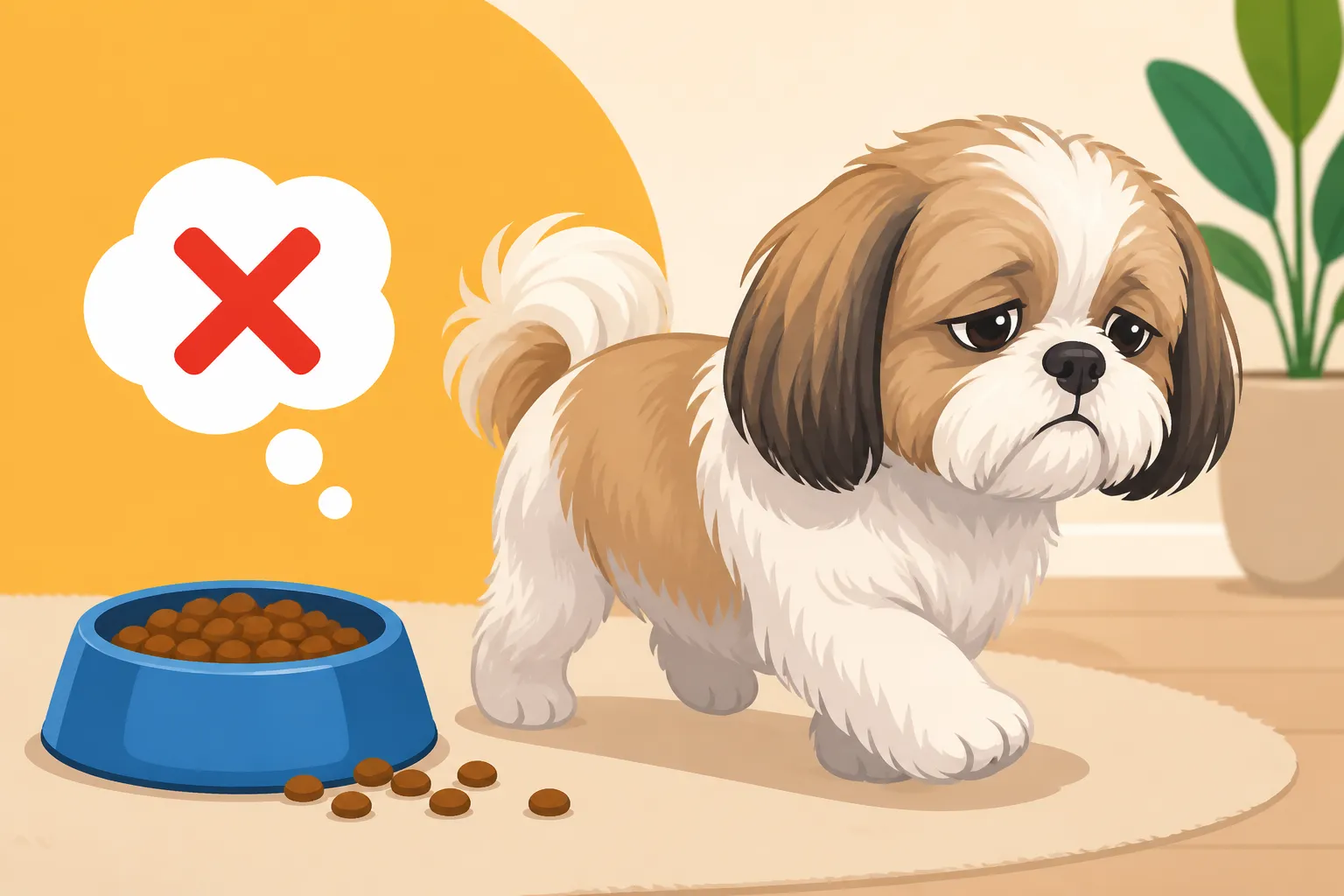
It’s a truly disheartening moment when your beloved senior Shih Tzu, who once greeted every meal with eager enthusiasm, suddenly starts turning their nose up at their food. You’ve noticed they're leaving their bowl untouched, picking at a few morsels, or maybe even outright refusing to eat. This guide is here to help you navigate the common, and sometimes perplexing, reasons behind a senior Shih Tzu's loss of appetite and offer practical steps to help them rediscover the joy of mealtime.
Common Medical Reasons for Appetite Loss in Senior Shih Tzus
When an older Shih Tzu stops eating, the very first thing that should flash through your mind is their health. Our furry friends can’t tell us what’s wrong, so a change in eating habits is often one of the clearest signals that something might be amiss physically. It’s crucial to rule out medical issues before assuming pickiness.
Dental Pain and Oral Health
Imagine trying to eat your favorite crunchy snack with a throbbing toothache or inflamed gums. That's often what a senior Shih Tzu is experiencing. Shih Tzu Dental Disease at 13 Percent of the Breed is incredibly common, and by the time they are seniors, many Shih Tzus have advanced periodontal disease. Their small, crowded mouths are a perfect breeding ground for tartar and plaque, which lead to gum inflammation, tooth decay, and painful abscesses. If your dog approaches the bowl, sniffs, maybe even tries to take a bite, but then backs away, dental pain is a huge suspect. They might also chew on one side of their mouth, drop food, or produce excessive drool. Sometimes, the pain is so severe that even soft foods are unbearable. It’s not just about discomfort; severe dental disease can lead to bacteria entering the bloodstream, affecting vital organs. Your vet can perform an oral exam, often requiring sedation to get a thorough look and identify specific painful teeth that might need extraction or cleaning.
Kidney or Liver Disease
As Shih Tzus age, their internal organs, just like ours, can start to show wear and tear. Kidney disease, including conditions like Renal Dysplasia and the Shih Tzu Kidney, and liver issues are unfortunately prevalent in senior dogs. When these organs aren't functioning optimally, toxins can build up in the body, leading to a general feeling of malaise, nausea, and a complete lack of appetite. Dogs with kidney disease might also show increased thirst, more frequent urination, and weight loss. Liver disease can cause similar symptoms, often coupled with lethargy, vomiting, and sometimes a yellowish tint to their gums or eyes. These conditions make food incredibly unappealing, as their bodies are simply too busy trying to cope with the internal imbalance. A vet visit, including blood work and urinalysis, is essential to diagnose these conditions, as early detection can often lead to management strategies that improve their quality of life and, hopefully, their appetite. Specific Kidney Diets for a Shih Tzu might be recommended to ease the burden on their organs.
Gastrointestinal Upset and Nausea
Just like us, dogs can experience stomach upset. However, for a senior Shih Tzu, this can be more persistent and have more serious implications. Issues such as pancreatitis, inflammatory bowel disease, or even just persistent nausea from other underlying health problems can make eating an unpleasant experience. If your dog is licking their lips excessively, swallowing repeatedly, drooling, or vomiting, these are all signs of nausea. They might also be lethargic and generally "off." Sometimes it's a transient bug, but for a senior, it could be a sign of something more chronic. Pancreatitis, for example, can be excruciatingly painful and is often triggered by fatty foods. It causes severe abdominal pain, vomiting, and complete refusal of food. A bland diet, prescribed medications, or even a short hospital stay might be necessary depending on the severity. It’s important not to try to guess what’s causing the tummy trouble; a vet’s diagnosis is crucial.
Pain and Discomfort Elsewhere in the Body
While not directly stomach-related, pain anywhere in a senior Shih Tzu’s body can significantly impact their desire to eat. Imagine being in constant discomfort and then being expected to stand over a food bowl. Conditions like Shih Tzu Back Problems and Disc Disease or Shih Tzu Joint Problems in a Toy Frame, such as arthritis or patellar luxation, can make the simple act of standing to eat or bending down to a bowl incredibly painful. They might refuse food because they associate eating with discomfort, or simply because they feel too unwell to bother. Other sources of pain, like ear infections or even a chronic headache (yes, dogs can get them too!), can also suppress appetite. Look for subtle signs of discomfort: reluctance to move, whining when touched, limping, or a generally subdued demeanor. Addressing the underlying pain with appropriate medication or joint supplements, which you can often find on Amazon or specialized pet sites, can sometimes bring back their appetite surprisingly quickly.
| Medical Concern | Common Signs to Watch For | Impact on Appetite | Vet Check Needed? |
|---|---|---|---|
| Dental Disease | Dropping food, bad breath, pawing at mouth, visible tartar, swollen gums | Direct pain makes chewing difficult, refusal of hard food, eventually all food. | Urgent |
| Kidney/Liver Disease | Increased thirst/urination, lethargy, vomiting, weight loss, jaundice | Toxin buildup causes nausea and general malaise, making food unappealing. | Yes |
| Gastrointestinal | Vomiting, diarrhea, lip licking, drooling, abdominal pain, lethargy | Nausea and abdominal pain directly inhibit desire to eat. | Yes |
| Pain/Arthritis | Reluctance to move, limping, stiffness, difficulty standing, whining | Discomfort when standing, bending, or moving deters them from approaching or staying at the food bowl. | Yes |
| Thyroid Issues | Weight gain, lethargy, skin changes, dull coat (less common for appetite) | Can sometimes lead to a general slowing of metabolism and disinterest in activities, including eating. | Yes |
| Cancer | Unexplained weight loss, lethargy, lumps, vomiting, pain | Depending on location and type, can cause nausea, pain, or simply a lack of energy and desire. | Urgent |
Age-Related Changes and How They Impact Eating
Beyond specific medical conditions, the natural aging process itself can bring about changes that affect a senior Shih Tzu's appetite and eating habits. It’s not always a crisis, but rather a shift in their needs and sensory experiences.
Decreased Sense of Smell and Taste
Think about how much we rely on our senses to enjoy food. Dogs are even more scent-driven. As a Shih Tzu enters its senior years, their senses of smell and taste can start to diminish. What once smelled irresistible might now seem bland and unappealing. This is incredibly frustrating for them because food just isn't as exciting anymore. They might sniff their bowl for a moment, then walk away, not because they’re sick, but because the delicious aroma simply isn’t there for them. This can be especially noticeable with dry kibble, which often has less potent odors than wet or fresh foods. Suddenly, that premium kibble you've been feeding for years might just not cut it. You might notice they're more interested if you put a strongly scented treat near their nose, but then lose interest in their regular meal.
Slower Metabolism and Reduced Energy Needs
Puppies and young adult dogs burn through calories at an incredible rate, especially active ones. They need a lot of fuel to grow, play, and explore. However, a senior Shih Tzu, especially one past The Age a Shih Tzu Stops Growing, typically has a much slower metabolism. They usually aren't as active; they sleep more, their walks are shorter, and their energetic bursts are fewer and further between. Consequently, their caloric needs decrease significantly. They simply don't need as much food to maintain their body weight and energy levels. If you're still feeding the same amount of food you did when they were five, they might genuinely feel full or overfed, even if they've only picked at it. This isn’t a sign of illness, but rather a natural adjustment to their aging body. It’s important to monitor their weight and body condition closely, as Shih Tzu Obesity on a Sixteen Pound Frame can still be a risk even with reduced intake if their activity is minimal.
Cognitive Decline and Confusion
Just like humans, some senior dogs experience cognitive dysfunction, sometimes referred to as "doggy dementia." This can manifest in various ways, including disorientation, changes in sleep patterns, anxiety, and yes, even forgetting about mealtime or where their food bowl is located. A senior Shih Tzu with cognitive decline might wander aimlessly, stare blankly at walls, or seem confused about their surroundings. They might stand by their bowl but not seem to realize it's time to eat, or they might eat a little and then wander off, forgetting they haven't finished. This isn't stubbornness; it's genuine confusion. They might also experience increased anxiety, which can further suppress appetite. Cognitive Decline in a Shih Tzu Past Twelve can be heartbreaking to witness, and while there's no cure, management strategies and certain supplements can help slow its progression and improve quality of life. Maintaining a consistent routine becomes even more vital for these dogs.
Environmental and Behavioral Factors to Consider
Sometimes, a senior Shih Tzu's reluctance to eat isn't rooted in medical issues or even direct aging processes, but rather in their environment or their own learned behaviors. These factors can be more subtle but just as impactful.
Stress and Anxiety
Shih Tzus are sensitive little souls, and changes in their environment can deeply affect them. A senior Shih Tzu, especially, might become more susceptible to stress and anxiety. Have you recently moved? Is there a new pet or person in the house? Are there new loud noises nearby, like construction? Even subtle changes in your routine, like working longer hours or different family members feeding them, can cause stress. Anxiety often manifests as a loss of appetite. They might be too worried or unsettled to focus on eating. Some Shih Tzus also develop separation anxiety as they age, making them refuse food when left alone. Observe their body language: are their ears back, tail tucked, are they pacing or panting excessively? Addressing the source of stress, if possible, or providing a calm, predictable environment can make a huge difference. Sometimes, a safe, quiet feeding spot away from the hustle and bustle is all they need.
Food Aversion and Pickiness
Let’s be honest, some Shih Tzus are just inherently picky eaters, and this can become more pronounced with age. If they’ve been fed the same food for years, they might simply get bored. Imagine eating the same dry cereal every day for a decade! Also, a negative experience associated with a particular food, such as eating it right before a vet visit or an upset stomach, can create a food aversion. They might genuinely still like the type of food, but not that specific brand or flavor anymore. This is where owners often fall into the trap of constantly switching foods, which can sometimes exacerbate the problem or lead to tummy upset. However, for a senior who has truly lost interest, a strategic change can be helpful. They might also be getting too many treats or table scraps between meals, filling them up on less nutritious items, which diminishes their appetite for their main food. It's a fine line between catering to their preferences and encouraging unhealthy habits.
Mealtime Routine Changes
Shih Tzus thrive on routine, and senior dogs even more so. They find comfort and security in predictability. Any disruption to their mealtime schedule can throw them off and reduce their desire to eat. Are you feeding them at different times each day? Has their feeding location changed? Is there more commotion during mealtime than there used to be? Even things like using a different bowl or cleaning it with a new, strong-smelling soap can deter a sensitive senior. Imagine if your dinner table suddenly moved to a noisy corner of the house, or if your favorite plate smelled faintly of chemicals – you wouldn’t be too keen on eating either. Consistency in when, where, and how they are fed is paramount for a senior Shih Tzu. Sometimes, just bringing back that familiar structure can help bring their appetite back.
Practical Strategies to Encourage Eating in an Old Shih Tzu
Once you’ve had your veterinarian rule out any serious underlying medical conditions, and you’ve considered the natural changes of aging and environmental factors, it’s time to get creative and implement some practical strategies to make mealtime appealing again for your senior Shih Tzu.
Making Food More Appealing
This is often the first line of defense once medical issues are out of the way. If your senior Shih Tzu’s sense of smell and taste is diminishing, you need to boost the appeal of their food.
- Warm it Up: Gently warming wet food or adding a bit of warm water or low-sodium chicken broth to kibble can release more of its aroma, making it much more enticing. Think of how much better soup smells when it’s hot!
- Add Flavor Boosters: A tiny dollop of plain, unsweetened yogurt, a spoonful of canned pumpkin (make sure it's plain, not pie filling!), some cooked unseasoned chicken, or a sprinkle of a reputable food topper can work wonders. Be mindful of introducing too many new things at once, especially for sensitive stomachs.
- Try Different Textures: If your Shih Tzu is struggling with hard kibble due to dental issues (even if minor), consider switching to a softer wet food or rehydrating their kibble fully. For senior dogs with Feeding an Old Shih Tzu With Missing Teeth, soft food is almost always easier to manage.
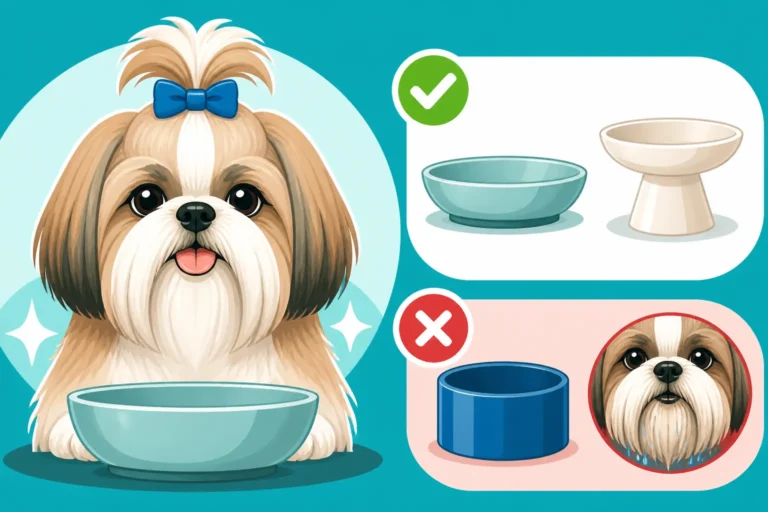
- Elevated Bowls: For dogs with neck, back, or joint pain, bending down to a floor-level bowl can be uncomfortable. An elevated feeder can make eating a much more comfortable experience. You can find various styles on platforms like Amazon.
Adjusting Meal Schedules and Portions
For senior Shih Tzus with reduced energy needs or cognitive issues, a few adjustments to their meal routine can be incredibly beneficial.
- Smaller, More Frequent Meals: Instead of two large meals, try offering three or four smaller meals throughout the day. This can be less overwhelming for their digestive system and can also help if they tend to forget to eat, as you're providing more opportunities.
- Consistent Schedule: Stick to a strict feeding schedule. Dogs are creatures of habit, and knowing when to expect food can help stimulate their appetite.
- Quiet, Designated Feeding Spot: Ensure they have a peaceful, distraction-free area to eat. If your home is busy, consider feeding them in a quiet room or their crate. This minimizes stress and allows them to focus on their food.
- Monitor Intake: Keep a log of how much they eat at each meal. This helps you track patterns and provides valuable information for your vet. Don’t just assume they’re eating; actively observe.
Consulting Your Veterinarian and Diet Options
Even if a major illness has been ruled out, your vet is your best resource for ongoing management of a senior Shih Tzu’s appetite.
- Senior Wellness Panels: Regular The Senior Panel a Shih Tzu Needs at Ten blood work and check-ups are critical for seniors. They can catch subtle changes in organ function or other issues before they become severe. Your vet can provide tailored advice based on your dog's specific health profile.
- Appetite Stimulants: In some cases, if other strategies aren't working and your dog is losing too much weight, your vet might prescribe an appetite stimulant. These are usually short-term solutions to kickstart eating, not a long-term fix for an undiagnosed problem.
- Prescription Diets: If your Shih Tzu has early kidney disease, diabetes, or other conditions, your vet might recommend a specific prescription diet. These are formulated to support organ function and manage symptoms, and sometimes they come in highly palatable versions.
- Nutritional Supplements: Discuss with your vet if any supplements, such as B vitamins (which can stimulate appetite) or omega-3 fatty acids (good for overall health and joint support), might be beneficial for your particular dog. Many reputable brands found on Chewy offer senior-specific supplements.
Trying New Food Textures and Flavors
Sometimes, a complete change of pace is necessary to reignite their interest.
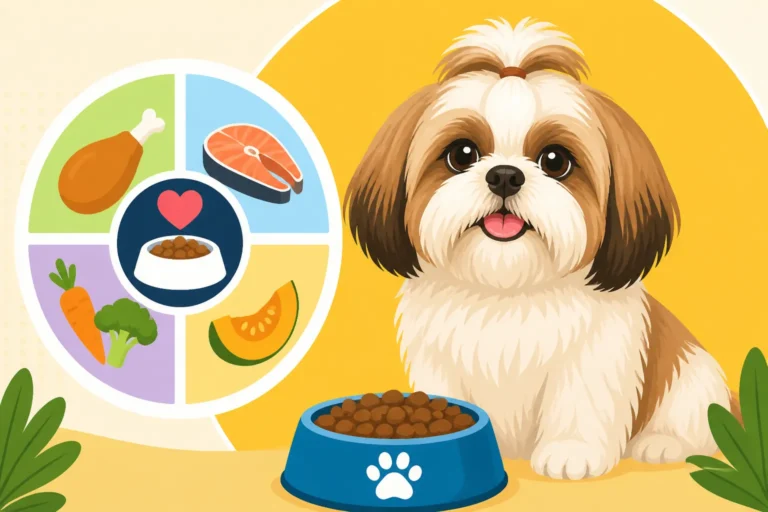
- High-Quality Wet Food: Wet foods are often more palatable, have a stronger scent, and are easier to eat than dry kibble. Look for senior-specific formulas if possible.
- Fresh Food or Gently Cooked Diets: Many owners report great success with fresh, gently cooked dog food services. Brands like Ollie deliver pre-portioned, human-grade meals that are often much more appealing to picky or senior dogs due to their fresh ingredients and natural aromas. The transition should be gradual, as with any new food, to avoid stomach upset.
- Rotate Flavors: If you find a food they like, try rotating between two or three different flavors or protein sources within that brand. This can keep things interesting and prevent boredom-induced pickiness.
- Avoid Table Scraps (Mostly): While a tiny, healthy, unseasoned piece of chicken might entice them, avoid turning to constant table scraps to get them to eat. This can create an unhealthy cycle where they hold out for human food, refusing their more balanced dog food. If you use human food as a topper, ensure it’s very minimal and vet-approved.
Remember, patience and persistence are key. It can be frustrating, but your senior Shih Tzu relies on you to help them through this stage of life. Finding the right combination of medical care, environmental adjustments, and palatable food options can make all the difference.
Disclaimer
This article is for general informational purposes only and does not constitute professional advice. Laws, prices and regulations vary by location and change over time. Consult a qualified professional for guidance on your specific situation.