Whether Wet Food Suits a Shih Tzu
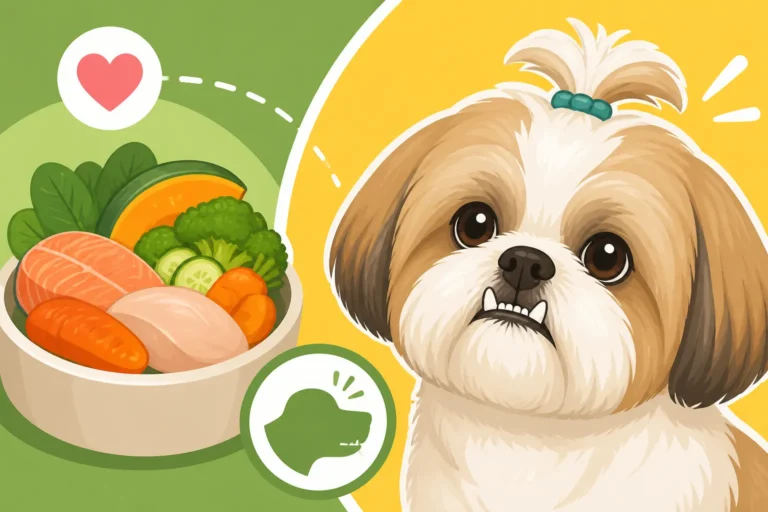
One of the most common dilemmas Shih Tzu parents face is figuring out the best food for their beloved companion, especially when considering the variety available. Many owners wonder if wet food is a suitable option, given their Shih Tzu's distinctive flat face, often crowded teeth, and sometimes finicky eating habits. This guide will thoroughly explore whether wet food genuinely suits a Shih Tzu, diving into the pros and cons, nutritional aspects, and practical considerations for integrating it into their diet.
Understanding Your Shih Tzu's Unique Dietary Needs
Before we even get to the can opener, it's essential to understand that a Shih Tzu isn't just a small dog; they come with a very specific set of anatomical quirks that directly impact how they eat and what food types work best. Their adorable "smushed" faces and compact jaws are part of their charm, but they also dictate particular feeding considerations.
The Flat Face and Eating Challenges
That sweet, flat face that melts your heart comes with a unique challenge: it's called brachycephalic. This term refers to breeds with short, broad skulls, and it means their facial structure can make eating certain types of food a bit more of a production. Imagine trying to eat a wide, flat cracker with very short nose and a slightly undershot jaw – it can be tricky!
For a Shih Tzu, this often translates to difficulty picking up small, round kibble or even large, chunky pieces of food. They might struggle to get a good grasp, pushing food around the bowl rather than efficiently scooping it up. This isn't just a messy eating habit; it can lead to frustration for your dog, or even them not getting enough nutrients if eating becomes too much work. Wet food, with its softer texture, can sometimes make it easier for them to scoop, lick, and swallow, reducing the physical effort involved in mealtime.
Crowded Mouths and Dental Health Implications
Another critical aspect of your Shih Tzu's anatomy is their mouth. Despite being a toy breed, they are meant to have 42 teeth, just like larger dogs. However, their small, compact jaws simply don't have enough space for all those pearly whites to sit comfortably. This often leads to Shih Tzu Tooth Crowding in a Tiny Jaw, with teeth frequently rotated, overlapping, or too close together. This crowding creates prime hiding spots for food particles and bacteria, making them highly susceptible to dental disease.
While it might seem counterintuitive, soft wet food can sometimes exacerbate dental issues if not managed properly. Dry kibble is often touted for its "scrubbing" action, though many vets agree this effect is minimal compared to actual brushing. Wet food, by its very nature, doesn't offer any mechanical cleaning. This means that if you're feeding wet food, daily dental care, including regular brushing, becomes even more paramount. Neglecting dental hygiene can lead to severe issues like Periodontal Disease in a Five Year Old Shih Tzu or even tooth loss, which is both painful for your dog and costly for your wallet.
Picking the Right Calorie Count for a Small Breed
Shih Tzus are tiny, and their calorie needs are relatively low compared to larger, more active breeds. It's easy for them to gain weight, especially if they're not getting enough exercise or if their food portions aren't carefully managed. A few extra pounds on a small Shih Tzu frame can put significant strain on their joints and back, potentially leading to issues like Shih Tzu Disc Disease and Sudden Back Pain.
Wet foods often contain more moisture and fewer calories per cup than dry kibble, which can be both a blessing and a curse. For dogs prone to weight gain, the higher moisture content can make them feel fuller with fewer calories. However, some wet foods are incredibly rich and calorically dense, especially those marketed as "gourmet" or "fresh." It's crucial to pay close attention to the calorie count on the label and portion sizes. You need to be diligent in measuring out your Shih Tzu's food to ensure they're getting the right amount for their size and activity level, especially since Why a Full Coat Hides Shih Tzu Weight Gain can make it hard to spot those extra pounds.
The Pros and Cons of Wet Food for Shih Tzus
Just like with any dietary choice, there are distinct advantages and disadvantages to feeding your Shih Tzu wet food. Understanding these can help you make an informed decision that best suits your dog's health and your lifestyle.
Hydration and Palatability Benefits
One of the most significant benefits of wet food is its high moisture content. Canned or fresh wet foods can be up to 75-80% water. This is fantastic for a Shih Tzu's overall hydration, especially if they aren't enthusiastic water drinkers. Good hydration supports kidney function, urinary health, and helps maintain overall bodily processes. For dogs that might be prone to urinary issues or those needing extra fluid intake, wet food can be a simple, effective solution.
Beyond hydration, wet food is often far more palatable and aromatic than dry kibble. The rich smells and soft textures can be a huge draw for picky eaters, and let's face it, many Shih Tzus have earned a reputation for being quite particular about their meals. If your Shih Tzu turns up their nose at kibble, switching to or adding wet food might make mealtime much more exciting, ensuring they consume the necessary nutrients. Brands like Ollie offer fresh, human-grade options that are naturally more appealing due to their texture and aroma, often tempting even the fussiest eaters.
Potential Downsides: Dental Impact and Mess
While delicious, wet food does have its drawbacks. As mentioned earlier, the lack of abrasive action means it does little, if anything, to help clean teeth. This makes your commitment to Daily Toothbrushing in a Crowded Shih Tzu Jaw absolutely critical. Without diligent brushing, plaque and tartar can accumulate rapidly, leading to gum disease, infections, and potentially expensive vet visits for dental cleanings and extractions.
Another common complaint from Shih Tzu owners is the mess. Their long facial hair, beautiful beards, and sometimes floppy ears are magnets for wet food. After every meal, you might find food stuck in their whiskers, on their chin, and even smeared on their chest. This not only looks untidy but can also lead to skin irritation or bacterial growth if not cleaned promptly. Washing a Shih Tzu Face After Every Meal becomes a routine task when feeding wet food. Some owners opt for shorter "puppy cuts" around the face or use snoods to keep the beard contained during meal times to minimize the mess.
Addressing Picky Eaters and Food Motivation
If you live with a Shih Tzu, you probably already know that they can be incredibly discerning about their food. Some days they love it, the next they stare at you as if you've offered them poison. This isn't just them being "stubborn" – sometimes it's genuinely about texture, smell, or even just boredom. Wet food, with its intense aroma and softer texture, can often be a game-changer for these particular pooches.
For Shih Tzus that lack a strong food drive, wet food can provide the motivation needed to eat a full meal. It can also be very useful for administering medication, as pills or liquids can often be easily hidden within the moist, flavorful food. However, be cautious not to inadvertently create an even pickier eater by constantly rotating foods. While a little variety can be good, establishing a routine with a high-quality wet food they enjoy is often the best long-term strategy. If your Shih Tzu has become extremely picky, consider consulting your vet to rule out any underlying health issues that might be affecting their appetite.
Choosing a High-Quality Wet Food for Your Shih Tzu
With so many options on the market, choosing the right wet food for your Shih Tzu can feel overwhelming. It's not just about what looks good; it's about what provides balanced nutrition for their specific needs.
Key Ingredients and Nutritional Considerations
When selecting a wet food, always look for whole, identifiable ingredients at the top of the list. High-quality animal protein, such as chicken, beef, or salmon, should be the first ingredient. Avoid foods that list "meat by-products" as the primary protein source, as these can be of lower quality. You also want to see healthy fats, like omega fatty acids, which are great for their skin and those luxurious coats. Chewy and Amazon offer a vast array of brands, making it easy to compare ingredient lists and nutritional panels online.
While grains often get a bad rap, quality grains like brown rice or oats can be excellent sources of carbohydrates and fiber. However, if your Shih Tzu has suspected allergies, a grain-free option might be explored under veterinary guidance. Fruits and vegetables are also beneficial for vitamins, minerals, and antioxidants. Steer clear of foods with excessive fillers, artificial colors, flavors, or preservatives. Remember, your Shih Tzu's diet plays a direct role in their overall health and vitality, influencing everything from their energy levels to the luster of their coat.
Formats and Textures That Work Best
Wet foods come in various formats: paté, chunky stews, shredded meats, or even fresh, gently cooked meals. For a Shih Tzu with its brachycephalic challenges, paté or shredded varieties might be easier to manage than large chunks. These softer textures are simpler for them to lap up or gently scoop into their mouth without a lot of chewing effort.
Fresh food options, which often resemble human meals in consistency, can also be excellent. They are typically soft and moist, making them highly palatable and easy to eat. Brands that offer portion-controlled, fresh meals can also help you manage your Shih Tzu's calorie intake more precisely. The goal is to find a texture that your individual Shih Tzu can eat comfortably and enjoyably, reducing any frustration at mealtime.
How to Introduce Wet Food Safely
Whether you're switching entirely to wet food or just adding it as a topper, a gradual introduction is key. Sudden dietary changes can upset your Shih Tzu's sensitive digestive system, leading to stomach upset, vomiting, or diarrhea. This is especially true for toy breeds.
Start by mixing a small amount of the new wet food with their current food. Over the course of 7-10 days, slowly increase the proportion of wet food while decreasing the old food. Keep a close eye on your Shih Tzu for any signs of digestive distress or changes in stool quality. If you notice any issues, slow down the transition or consult your veterinarian. Remember that even a slight change in diet can sometimes trigger a temporary upset, so patience is essential.
Integrating Wet Food into a Mixed Diet or for Specific Health Needs
Wet food doesn't have to be an all-or-nothing proposition. Many owners find a mixed diet to be the perfect balance, combining the benefits of both wet and dry options. Furthermore, wet food can be particularly advantageous for Shih Tzus with specific health challenges.
Combining Wet and Dry Kibble for Balance
A popular approach is to feed a mixed diet, often referred to as "combination feeding" or "topping." This involves offering a portion of dry kibble alongside or topped with a smaller amount of wet food. This method can provide the best of both worlds: the perceived dental benefits (albeit minor) and caloric density of kibble, combined with the hydration and palatability of wet food.
When mixing, ensure the total calorie intake remains appropriate for your Shih Tzu's size and activity level. If you're adding wet food, reduce the amount of kibble proportionally to prevent overfeeding. This strategy can also help make mealtime more exciting and can be a good way to use high-quality kibble that your Shih Tzu might otherwise ignore. For example, you might use a specific Chewy kibble and top it with a complementary canned food to entice a picky eater.
Wet Food for Senior Shih Tzus or Those with Health Issues
As Shih Tzus age, their needs change. Senior Shih Tzu Care Past the Age of Ten often involves addressing declining appetite, dental issues, or other health conditions. Older Shih Tzus might struggle to chew hard kibble, especially if they have missing or painful teeth. Wet food, with its softer consistency, becomes much easier for them to consume.
For Shih Tzus with certain health conditions, wet food can also be therapeutically beneficial. For example, dogs with kidney disease often require a diet higher in moisture and lower in specific minerals, and many prescription renal diets are available in wet formulations. If your Shih Tzu has been diagnosed with Renal Dysplasia and the Shih Tzu Kidney or other chronic illnesses, your veterinarian might specifically recommend a wet food diet tailored to their medical needs. Similarly, for dogs recovering from surgery or illness, the increased palatability and moisture of wet food can encourage them to eat and stay hydrated during recovery. Feeding an Old Shih Tzu With Missing Teeth becomes much less of a struggle with soft, moist food.
Monitoring Your Shih Tzu's Response and Adjusting
Regardless of the dietary path you choose, continuous monitoring of your Shih Tzu is paramount. Pay close attention to their weight, coat condition, energy levels, stool quality, and overall demeanor. These are all indicators of how well their food is working for them.
If your Shih Tzu is thriving on wet food – maintaining a healthy weight, having a shiny coat, showing good energy, and producing consistent, healthy stools – then you've likely found a good fit. However, if you notice any negative changes, such as weight gain, dull coat, lethargy, or digestive upset, it's time to reassess. Small adjustments to portion sizes, frequency, or even the specific brand or flavor might be necessary. Always consult your veterinarian if you have concerns about your Shih Tzu's health or dietary needs, as they can provide tailored advice based on your dog's individual situation.
| Feature | Wet Food for Shih Tzus | Dry Kibble for Shih Tzus |
|---|---|---|
| Hydration | Excellent due to high moisture content (75-80% water) | Lower, relies on external water intake |
| Palatability | High, strong aroma, soft texture, appealing to picky eaters | Varies, generally less aromatic, crunchier texture |
| Dental Health | No mechanical cleaning action, requires diligent brushing | Minimal mechanical cleaning, can contribute to plaque if not brushed |
| Ease of Eating | Easier for brachycephalic breeds to lap/scoop | Can be challenging for flat-faced dogs to pick up small pieces |
| Mess Factor | Higher, can get stuck in facial hair and beard | Lower, less prone to sticking to coat |
| Calorie Density | Generally lower per volume due to high water content | Higher per volume, can be easy to overfeed |
| Shelf Life | Shorter once opened, needs refrigeration | Longer once opened, easy to store |
| Cost | Typically more expensive per serving | Generally more cost-effective per serving |
| Portion Control | Often comes in pre-portioned cans/pouches | Requires measuring cups for accurate serving |
Disclaimer
This article is for general informational purposes only and does not constitute professional advice. Laws, prices and regulations vary by location and change over time. Consult a qualified professional for guidance on your specific situation.