Where a Shih Tzu Mats First
If you've ever run your fingers through your Shih Tzu's glorious, flowing coat only to be met with a sudden, unyielding lump of tangled fur, you know the particular frustration that comes with matting. It's a common battle for Shih Tzu owners, and it often feels like these knots appear out of nowhere, seemingly overnight. This guide will walk you through the most notorious spots where matting first takes hold on your Shih Tzu, helping you understand why these areas are prone to tangles and what you can do to keep their beautiful coat flowing freely.
Understanding the Shih Tzu Double Coat and Matting
The Shih Tzu's coat is undeniably one of its most defining and beautiful features, a legacy from its ancient Tibetan and Chinese lineage. But this exquisite fur, designed to keep them warm in harsh climates, is also a double-edged sword when it comes to grooming. Understanding its structure is the first step in tackling the dreaded mat.
The Double-Layered Truth of Their Fur
Unlike some single-coated breeds, your Shih Tzu boasts a luxurious double coat. This means they have two distinct layers of hair working in tandem: a soft, downy undercoat that provides insulation, and a longer, silkier outer coat that gives the breed its characteristic flowing appearance. It's truly a marvel of nature, giving them that adorable "walking rug" look we all love. However, this dual-layer system is a magnet for tangles. The finer, denser undercoat is incredibly prone to catching shed hairs and intertwining with the coarser outer coat, especially when not brushed regularly. Think of it like a fine wool sweater trying to untangle itself from a silk scarf – it just doesn't happen easily. When these two layers mesh together, particularly with loose, dead hair trapped within, the result is a mat. This unique coat structure means that while it looks stunning, it demands diligent care. Brushing a Shih Tzu Double Coat Every Day isn't just a suggestion; it's a necessity to prevent these layers from becoming a single, felted mess.
How Quickly Matting Can Form
It’s truly astounding how quickly a beautiful, well-groomed Shih Tzu can go from pristine to problematic. Many owners can attest to brushing their dog one day, only to find a significant mat forming the very next. This isn't an exaggeration; for a Shih Tzu, matting can develop at an alarming rate. Factors like humidity, static electricity, and even a playful romp can contribute to a tiny tangle escalating into a stubborn mat in a matter of hours. A single stray hair caught in the undercoat can act like an anchor, gathering more loose hair and friction, rapidly condensing into a solid clump. If your Shih Tzu gets wet and isn't thoroughly dried and brushed, the speed at which mats set in is even faster. Damp Shih Tzu Hair and How Fast It Knots explains just how critical complete drying is. It’s this rapid onset that often catches owners off guard, making them feel like they're constantly fighting an uphill battle against the inevitable.
Common Matting Hotspots: The Usual Suspects
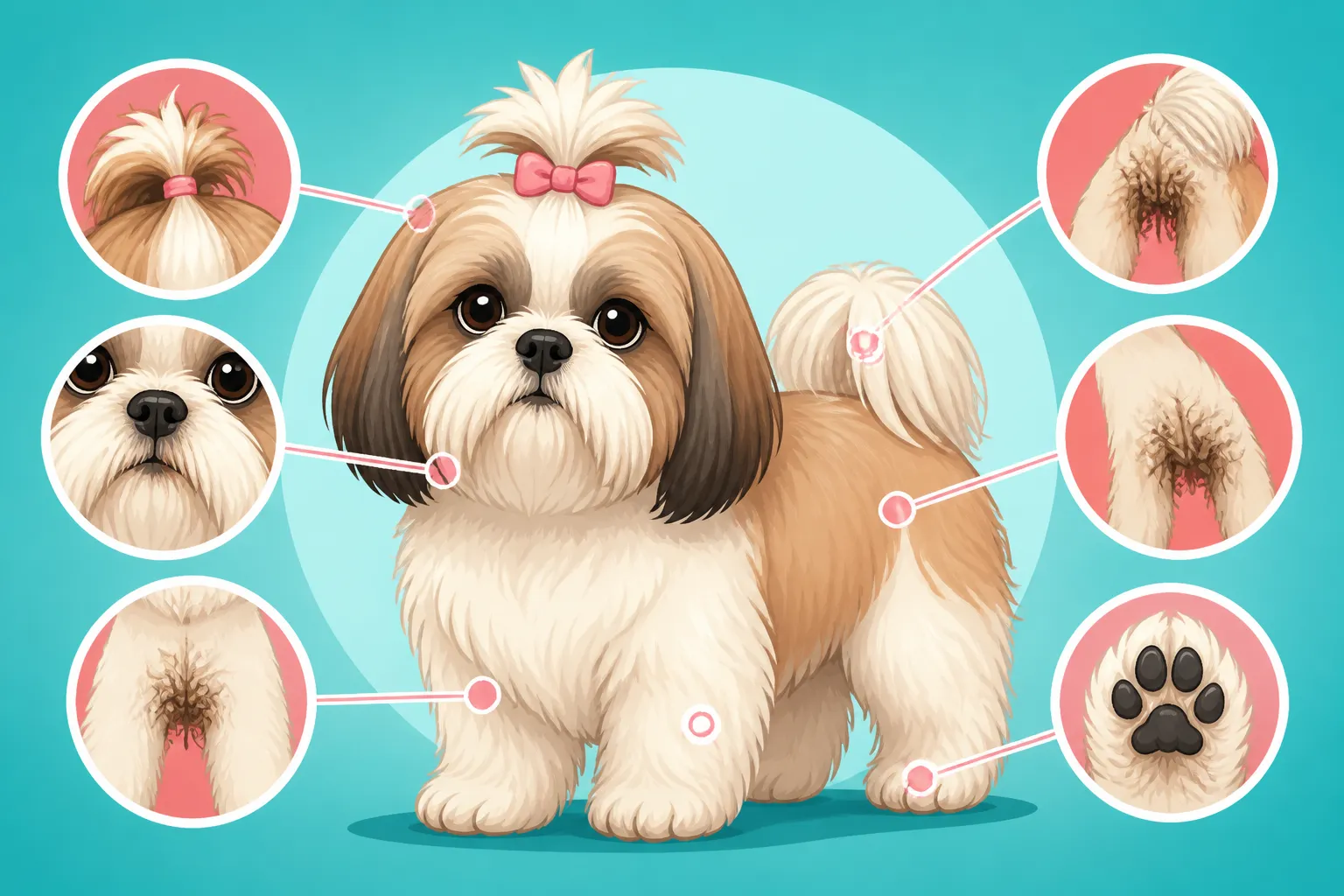
While a Shih Tzu's coat can mat virtually anywhere, certain areas are notorious for being the first places these stubborn tangles appear. These are the zones that often experience the most friction, are frequently overlooked, or simply have hair that's finer and more prone to felting. Knowing these hotspots is key to proactive grooming.
Behind the Ears: A Silent Tangle Zone
One of the absolute first places many Shih Tzu owners discover mats is, frustratingly, right behind those adorable, fluffy ears. It's a silent tangle zone because these areas are often out of sight, tucked beneath heavy ear leather, and can easily be missed during a quick brush-over. The hair behind the ears is typically much finer and softer than the rest of the coat, making it incredibly susceptible to matting. Add to that the constant movement of the head, the friction from collars or harnesses, and even just casual scratching, and you have a perfect storm for knots. Many times, you'll feel a small, hard lump there that started as a tiny tangle and, unchecked, grew into a significant mat. The Mats That Form Behind Shih Tzu Ears can feel incredibly painful for your dog when pulled, so gentle, consistent care in this area is paramount. When grooming, make sure to lift the ear leather and systematically comb through the hair directly behind it, working from the tips of the hair to the skin.
Under the Legs and Armpits: Friction Magnets
Another extremely common area for mats to form, often quickly and severely, is in the "armpit" regions—underneath the front legs and also in the groin area where the hind legs meet the body. These spots are prime matting territory for a few critical reasons. Firstly, they are areas of high friction. Every step your Shih Tzu takes, their legs rub against their body, creating constant movement that encourages hairs to intertwine. Secondly, these areas are often forgotten or difficult to reach with a standard brushing routine. Many owners focus on the back and sides, inadvertently skipping these sensitive zones. Thirdly, the hair here can be quite fine and wispy, similar to the hair behind the ears, making it extra prone to knotting. Mats Under a Shih Tzu's Front Legs are particularly problematic because they can restrict your dog's movement, causing discomfort or even pain. It's a tough spot to tackle, requiring your Shih Tzu to be comfortable lying on its back or side so you can properly access these hidden areas with a comb and slicker brush.
The Belly and Groin: Hidden and Sensitive
Just like the armpits, the belly and groin area are frequently neglected territories that become hotspots for mats. The hair on the underside of a Shih Tzu can grow quite long, especially if you prefer a fuller coat, and it's constantly brushing against the ground, bedding, and even their own legs. This constant friction is a primary culprit for mat formation. Moreover, these areas are often damp from urine splashes or simply from lying on moist ground, which further exacerbates tangling. The skin here is incredibly delicate and sensitive, making any attempt to brush out mats particularly uncomfortable for your dog. A good grooming routine includes regularly lifting your Shih Tzu and carefully combing through the hair on their belly, paying close attention to the area around their private parts. This not only prevents painful mats but also helps with hygiene.
Matting Around the Face and Tail: High-Maintenance Areas
Beyond the usual suspects, the Shih Tzu's face and tail present their own unique challenges when it comes to matting. These areas, while visually prominent, are also subject to specific conditions that make them highly susceptible to tangles, demanding extra vigilance from owners.
The Shih Tzu Topknot and Eye Area: A Daily Battle
Ah, the Shih Tzu topknot – a signature look that's both charming and a constant grooming challenge. The hair on a Shih Tzu's head, particularly between the eyes and on the forehead, is another area where mats love to set up shop. This is due to a combination of factors: the hair is long and fine, it's constantly exposed to eye discharge and food residue, and it's always in motion as your dog explores the world. Without a properly tied topknot, this hair can fall into their eyes, causing irritation, corneal ulcers, and, yes, matting. The tear stains around their eyes, if not regularly cleaned, can also cause the fine hair there to become crusty and matted. Tying a Shih Tzu Topknot That Holds is an essential skill for any Shih Tzu owner, not just for aesthetics, but for the health and comfort of your dog. You can find specialized bands and grooming supplies for this task on platforms like Amazon or Chewy, making it easier to manage this daily necessity. Regularly wiping their eyes with a damp cloth or specialized eye wipes is also crucial to prevent crusty mats from forming.
The Plumed Tail and Hindquarters: Often Overlooked
The Shih Tzu's beautifully plumed tail, carried proudly over their back, and the hair on their hindquarters are frequently overlooked areas that can surprise owners with stubborn mats. The tail hair, much like the rest of the body, is a double coat, and its constant wagging and contact with surfaces can create friction that leads to tangles. Furthermore, the hair around the hindquarters and under the tail can get soiled easily, especially after bathroom breaks, and if not cleaned promptly and thoroughly, this can lead to uncomfortable and unsanitary mats. These are areas many dogs resist having groomed, making it even more challenging for owners. Regular, gentle brushing, lifting the tail to get to the underside, and carefully combing through the hindquarters are all part of a complete grooming routine. Maintaining a clean sanitary trim can also significantly reduce matting in this region.
Factors That Accelerate Matting
It's not just the unique coat structure or specific body parts that contribute to matting; several external factors and owner practices can dramatically accelerate the process. Understanding these can help you better manage your Shih Tzu's grooming needs.
Moisture, Friction, and Neglect
The triumvirate of moisture, friction, and neglect is a mat's best friend. Let's break it down. Moisture, whether from a bath, rain, or even just high humidity, causes the hair shaft to swell. If this damp hair isn't thoroughly dried and brushed out, as it dries, the swollen hairs shrink and intertwine, effectively "felting" together. This is why a simple bath without proper drying can leave your Shih Tzu with new mats in places that were clear just hours before. Why a Shih Tzu Coat Needs Conditioner and proper drying techniques are vital here. Friction is another major culprit. Think about the areas we've already discussed: armpits, groin, behind the ears. These are all high-friction zones. But also consider collars, harnesses (Mats Where a Harness Sits on a Shih Tzu), clothing, rubbing against furniture, or even just shaking their head. All these actions contribute to hairs knotting together. Finally, neglect is perhaps the biggest factor. Missing even a couple of days of brushing, especially during peak shedding times or after getting wet, can allow tiny tangles to snowball into major mats that are difficult and painful to remove.
Improper Brushing Techniques
Many Shih Tzu owners, despite their best intentions, might inadvertently be contributing to mat formation through improper brushing techniques. The most common mistake is simply brushing over the top coat, making it look neat, but failing to reach the dense undercoat. This only compacts the loose undercoat hairs closer to the skin, creating hidden mats that grow larger and tighter with each passing day. Another pitfall is using the wrong tools or brushing too harshly. A stiff wire slicker brush used improperly can scratch the skin, while a comb dragged through tangles can cause pain and resistance from your dog. The key is to use a systematic approach: always brush in sections, using a Which Brush Reaches a Shih Tzu Undercoat and working from the ends of the hair, slowly moving towards the skin. Always hold the hair at the base with one hand (called line brushing) to prevent pulling on the skin as you work out tangles. If you encounter a knot, don't yank! Gently work it apart with your fingers or use a detangling spray available from pet stores like Chewy.
Seasonal Changes and Coat Blows
Just like many other double-coated breeds, Shih Tzus experience seasonal coat changes, often referred to as "blowing coat." While they are considered a low-shedding breed, they do still shed their undercoat, typically more heavily in spring and fall. During these periods, your Shih Tzu will be shedding more of that fine, downy undercoat. If these dead hairs are not meticulously brushed out, they become prime candidates for tangling with the coarser outer coat and quickly forming mats. It's like having a constant supply of tiny threads ready to knot up. This means that during certain times of the year, your grooming routine might need to become even more rigorous than usual. What might be sufficient brushing in the summer might not cut it during a spring coat blow. Being aware of these natural cycles helps you anticipate increased matting potential and adjust your grooming efforts accordingly.
Prevention Strategies: Stopping Mats Before They Start
The old adage "an ounce of prevention is worth a pound of cure" couldn't be more true for Shih Tzu grooming. Once a mat sets in, it's a far more difficult, time-consuming, and potentially painful process to remove. Proactive, consistent care is your best defense.
Daily Brushing as Your First Line of Defense
This cannot be stressed enough: daily brushing is the single most effective strategy against matting. For a Shih Tzu with a full coat, a quick, superficial brush just won't cut it. You need to commit to a thorough, systematic brushing session every single day. This means working in sections, layer by layer, starting from the extremities and moving towards the body, always ensuring your brush and comb can glide through the coat all the way to the skin. Focus on those notorious hotspots we've discussed – behind the ears, under the legs, the belly, and the tail. If you can make brushing a positive, calm experience for your Shih Tzu from a young age, they will be much more cooperative. Even if your Shih Tzu has a shorter The Shih Tzu Puppy Cut and Its Upkeep, daily brushing is still incredibly beneficial for coat health and preventing smaller tangles from forming. It's a commitment, but it saves you and your dog from painful de-matting sessions down the line.
Choosing the Right Tools for the Job
Having the right grooming tools is just as important as the technique itself. You wouldn't try to sculpt a masterpiece with a dull chisel, and you shouldn't try to maintain a Shih Tzu coat with subpar brushes. Here's a breakdown of the essentials:
- Slicker Brush: A good quality slicker brush with fine, angled pins is your workhorse for removing loose undercoat and surface tangles. Make sure the pins aren't too sharp to avoid irritating the skin.
- Metal Comb: A sturdy metal comb with both wide and narrow teeth is indispensable for line brushing and checking your work. After using the slicker, always follow up with the comb to ensure there are no hidden tangles. The Comb Test on a Brushed Shih Tzu is crucial for verifying that you've reached all layers.
- Pin Brush: While not as effective for de-matting, a good pin brush can be used for general fluffing and finishing.
- Detangling Spray: A high-quality detangling spray can make a world of difference when encountering stubborn knots, helping the comb glide through. Detangler Sprays That Work on a Shih Tzu can often be found at pet supply retailers like Chewy or on Amazon.
- Scissors with Blunt Tips: For carefully cutting out very tight, small mats that cannot be brushed out. Always use extreme caution and never cut close to the skin.
| Matting Hotspot | Why It Mats First | Essential Grooming Action | Tools to Have on Hand |
|---|---|---|---|
| Behind the Ears | Fine hair, head movement, friction from collars | Lift ear, comb from tips to skin daily | Fine-toothed metal comb, detangling spray |
| Under Legs (Armpits/Groin) | High friction, overlooked, thin skin | Have dog lie on side, comb carefully in sections | Small slicker brush, wide-toothed metal comb |
| Belly | Constant friction with surfaces, dampness | Gently roll dog, brush belly hair upward and outward | Soft slicker brush, detangling spray |
| Topknot/Eye Area | Long, fine hair, eye discharge, food residue | Tie topknot daily, wipe eyes, trim around mouth | Small comb, topknot bands, eye wipes |
| Tail and Hindquarters | Friction, soiling, often missed during brushing | Lift tail, brush entire plume; sanitary trim | Medium slicker brush, wide-toothed comb |
Regular Grooming Appointments or Home Maintenance
While daily brushing is paramount, sometimes it's simply not enough, or life gets in the way. That's where professional groomers come in. Scheduling regular grooming appointments, typically every 4-6 weeks, is an excellent way to ensure your Shih Tzu's coat is professionally managed. Groomers have the tools, expertise, and often the patience to tackle those tougher tangles and maintain proper coat length. They can also provide a fresh Shih Tzu Puppy Cut Costs which can significantly reduce daily grooming demands, especially for owners who struggle with the full coat.
However, if you're committed to keeping a longer coat or prefer to save on professional grooming costs, then home maintenance needs to be thorough and consistent. This might involve dedicating specific time each week for a more extensive grooming session, in addition to your daily brush. Learning how to properly bathe, dry, and line brush your Shih Tzu will be crucial. Remember, if a mat becomes too tight and close to the skin, it can be extremely painful to remove and may require a professional or even veterinary intervention. When a Shih Tzu Mat Has to Be Shaved Out is sometimes the only humane option, but diligent prevention can usually avoid this. Ultimately, whether you opt for professional help or become a home grooming pro, consistency is the non-negotiable ingredient for a happy, tangle-free Shih Tzu.
Disclaimer
This article is for general informational purposes only and does not constitute professional advice. Laws, prices and regulations vary by location and change over time. Consult a qualified professional for guidance on your specific situation.