Bathing a Shih Tzu Every Two to Three Weeks
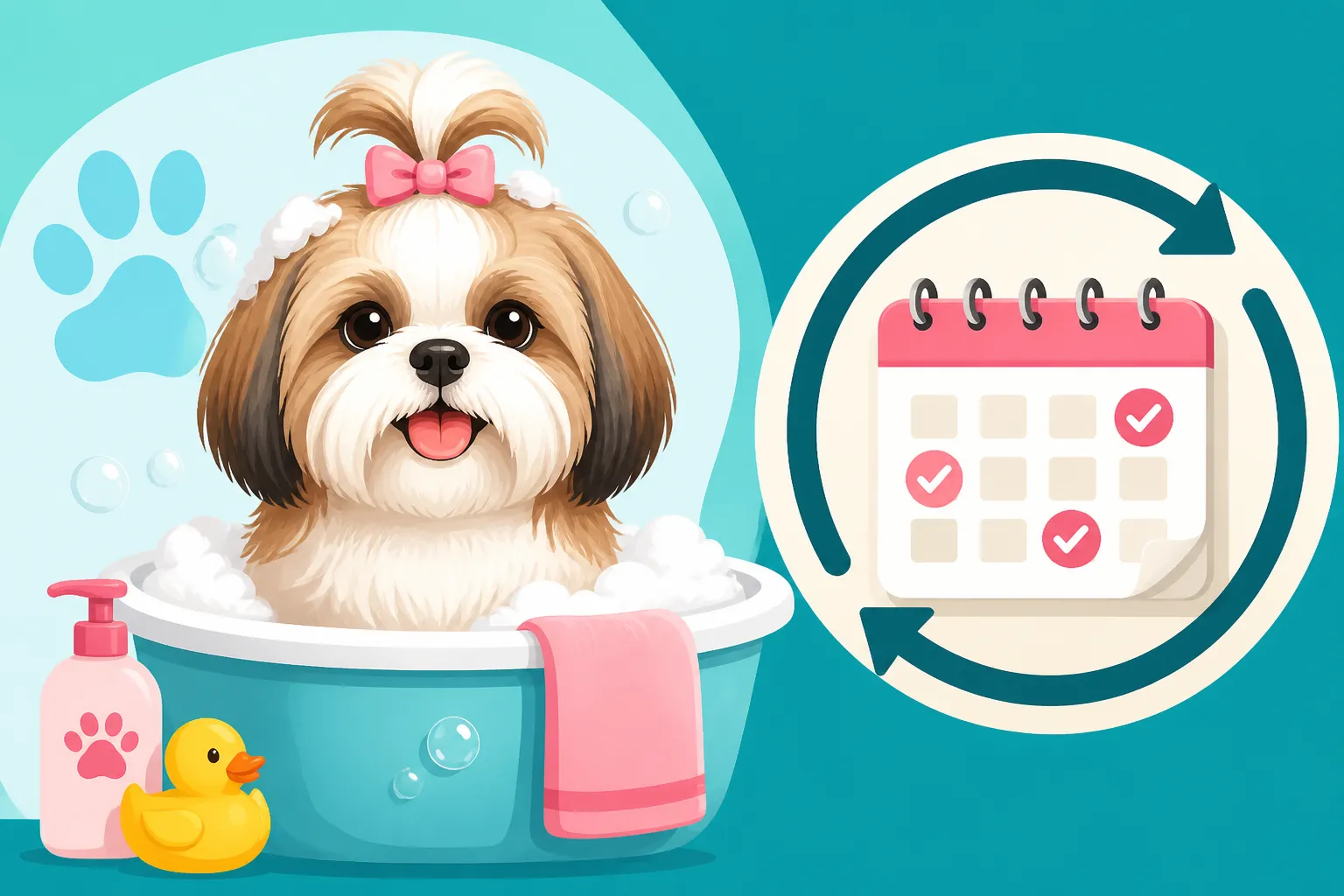
It can feel like a never-ending battle to keep your beloved Shih Tzu looking and smelling fresh, especially with that magnificent, flowing double coat they are famous for. Many owners find themselves in a quandary: how often is too often to bathe, and how do you ensure their delicate skin isn't irritated while still tackling dirt, dander, and those inevitable little puppy smells? This guide aims to clear up the confusion, providing a comprehensive look at why a two-to-three-week bathing schedule is often ideal for Shih Tzus, and how to make bath time a positive, effective experience for both of you.
Why a Regular Bathing Schedule is Crucial for Shih Tzus
Let's be real, owning a Shih Tzu is a commitment to grooming. Their beautiful, dense double coat isn't just for show; it serves a purpose. But it also means they require consistent care to stay healthy and comfortable. Ignoring regular baths can lead to a host of problems that are not only uncomfortable for your furry friend but can also become costly to remedy down the line. It's not just about looking good; it's about their overall well-being.
Unique Coat Needs
The Shih Tzu's double coat is a marvel, but it's also a magnet for debris, dirt, and anything else they might encounter on their adventures, whether that's a romp in the yard or just a trip to the food bowl. This breed has a luxurious outer coat and a soft, woolly undercoat. While stunning, this combination is particularly prone to matting and tangling if not cared for diligently. A regular bathing schedule helps to keep the coat clean, making daily brushing much easier and more effective. It loosens up dirt and dead hair, allowing brushes to glide through rather than snagging.
Think about it: if you went weeks without washing your own hair, how quickly would it become greasy, tangled, and unpleasant? Your Shih Tzu's coat is no different, especially given its length and density. Without routine washing, natural oils can build up, attracting even more dirt and creating a perfect storm for knots that can quickly turn into painful mats. These mats pull at the skin, restrict movement, and can even hide skin infections.
Moreover, the act of bathing itself, when done correctly, helps to hydrate the coat and skin. This is particularly important for preventing breakage and keeping that signature Shih Tzu luster. It also removes environmental allergens and pollutants that can get trapped in the coat, which might otherwise cause your dog to itch and scratch.
Preventing Skin Issues
Beneath that gorgeous coat lies sensitive skin that needs just as much attention as the hair itself. Shih Tzus, like many long-haired breeds, can be susceptible to various skin issues, and infrequent bathing can exacerbate them. Dirt, bacteria, and yeast can accumulate on the skin, especially in areas where moisture gets trapped, like under their floppy ears or in their delicate paw pads. Shih Tzu Ear and Skin Infections Under the Coat are no fun for anyone.
When the skin isn't cleaned regularly, these microorganisms can multiply, leading to itchy, inflamed skin, hot spots, or even full-blown infections. You might notice your Shih Tzu scratching excessively, licking their paws, or rubbing against furniture more than usual. These are often early signs of skin irritation or a brewing infection that could have been mitigated with a consistent bathing routine.
Proper bathing using a gentle, dog-specific shampoo helps to cleanse the skin, remove irritants, and maintain a healthy skin barrier. It's a proactive step in preventing the discomfort and potential veterinary visits that come with unchecked skin problems. A healthy skin means a happier, more comfortable Shih Tzu, free from the constant urge to scratch.
Addressing Odor
Let's face it, no one wants a smelly dog, no matter how cute they are. Shih Tzus, especially with their dense coats and facial folds, can develop odors pretty quickly if not bathed regularly. These smells aren't just from playing in the mud; they can be caused by the buildup of natural oils, yeast, bacteria, or even food particles trapped in their beard.
That "dog smell" isn't always just dirt. Sometimes it's yeast overgrowth on the skin, which thrives in warm, moist environments and can produce a distinct, somewhat yeasty odor. Regular bathing helps to keep these microbial populations in check, reducing the likelihood of your Shih Tzu developing an offensive smell. It also washes away environmental odors from your home, keeping your dog smelling fresh and clean.
Imagine coming home to a sweet-smelling, freshly bathed Shih Tzu instead of one whose scent precedes them into the room. A consistent bathing schedule ensures your dog is always pleasant to cuddle, making them an even more integrated and delightful member of your household. It's a simple, yet effective way to enhance the bond you share.
The "Two to Three Weeks" Rule: Understanding the Rationale
So, why the specific recommendation of every two to three weeks? It's not a magic number pulled out of thin air, but rather a balance struck between cleanliness, skin health, and the practicalities of owning a Shih Tzu. This frequency is generally considered optimal for managing their unique grooming needs without overdoing it.
Balancing Oil Production
Just like human skin, a dog's skin produces natural oils that are essential for maintaining a healthy coat and skin barrier. These oils provide moisture, protection, and a natural sheen. Bathing too frequently can strip these beneficial oils, leading to dry, flaky, and itchy skin. This can paradoxically make the skin overproduce oils in an attempt to compensate, leading to a greasy coat and even more odor.
The two-to-three-week window allows enough time for the skin's natural oils to replenish without becoming excessive. It cleanses away dirt and old oils, making way for fresh, healthy oil production. This balance is key to preventing both dryness and greasiness, ensuring your Shih Tzu's coat remains soft, supple, and naturally protected. It’s about finding that sweet spot where their skin can do its job without interference.
This rhythm also gives their skin a chance to recover from any minor environmental stressors between baths. It’s a gentle approach that supports their physiological needs rather than constantly disrupting them. Skipping baths for too long, however, can lead to pores getting clogged and the oils turning rancid, which is also detrimental to skin health.
Preventing Matting
As mentioned, the Shih Tzu's double coat is highly susceptible to matting. Even with daily brushing, dirt and dead hair can accumulate and start to weave together, forming stubborn tangles. A bath every two to three weeks is a crucial weapon in the fight against mats. Warm water helps to loosen dirt and shed hair, and a good shampoo and conditioner will make the coat more pliable and easier to brush through.
Regular baths prevent minor tangles from becoming major mats that require painful, time-consuming dematting sessions or, worse, professional shaving. When you bathe your Shih Tzu frequently, you're not just cleaning the coat; you're actively preparing it for effective brushing. The conditioner in particular helps to smooth the hair shaft, reducing friction and making it harder for hairs to intertwine and knot.
Consider a scenario where your Shih Tzu goes six weeks without a bath. By the time you get to them, you might find solid sheets of felted fur, especially behind the ears, under the legs, and around the tail. Trying to brush these out dry is a nightmare for both you and your dog. A regular bath keeps these minor tangles at bay, making daily maintenance more manageable and less stressful. Why a Shih Tzu Double Coat Mats So Fast details just how quickly this can happen.
Mitigating Allergens
Many Shih Tzus, and their owners, suffer from environmental allergies. Pollen, dust mites, and other allergens can cling to their long coats, causing your dog to itch, sneeze, or develop skin rashes. A regular bathing schedule helps to wash these irritants away before they have a chance to trigger a severe allergic reaction.
Think of your Shih Tzu's coat as a walking filter for your home's environment. If your dog has been playing outside during allergy season, they're bringing all that pollen indoors with them. A bath every two to three weeks can significantly reduce the allergen load on their coat and, by extension, in your home. This benefits not only your Shih Tzu but also any human family members who might have allergies.
This preventative measure is particularly important for Shih Tzus who spend time outdoors or live in areas with high allergen counts. It's a simple yet powerful way to manage their discomfort and create a more comfortable living environment for everyone. It’s another reason why this consistent schedule is so beneficial for this particular breed.
Preparing for Bath Time: Gathering Your Supplies
Successfully bathing a Shih Tzu isn't just about getting them wet and lathering up. Preparation is key to a smooth, stress-free experience for both you and your dog. Having everything ready beforehand minimizes splashing, fumbling, and the chance of your Shih Tzu making a dramatic escape mid-bath. A little planning goes a long way to making bath time a calm, almost spa-like event.
Essential Grooming Tools
Before you even think about turning on the water, ensure you have all your grooming tools within arm's reach. You'll need a good quality slicker brush and a metal comb to thoroughly brush out any mats before the bath. Getting a The Brush and Comb a Shih Tzu Coat Demands will make a huge difference here. Water tightens mats, making them nearly impossible to remove once wet, and you certainly don't want to attempt brushing out wet mats, as it can be incredibly painful for your dog and lead to coat damage. You might also want some detangler spray on hand for particularly stubborn knots, perhaps one found easily on Chewy or Amazon.
Other essentials include cotton balls to gently place in your Shih Tzu's ears to prevent water from getting in (this helps prevent ear infections, a common woe for breeds with floppy ears), and a soft washcloth for cleaning their face and around their eyes. Have a few plush, absorbent towels ready, and if you use a forced-air dog dryer (highly recommended for thoroughly drying that double coat), make sure it's plugged in and ready to go. You don't want to be scrambling for these items once your dog is dripping wet.
Having these tools prepped isn't just about efficiency; it's about making the process as comfortable as possible for your Shih Tzu. A well-groomed and tangle-free coat before the bath means less pulling and tugging, which fosters a more positive association with bath time. A dedicated bathing area, like a laundry tub or a sink with a non-slip mat, can also make a world of difference.
Choosing the Right Shampoo and Conditioner
Selecting the right shampoo and conditioner for your Shih Tzu is paramount. Human shampoos are too harsh and can strip their skin of essential oils, leading to dryness and irritation. Always opt for a dog-specific shampoo that is pH-balanced and formulated for sensitive skin or long coats. Many brands offer oatmeal-based shampoos for soothing itchy skin or hypoallergenic formulas for dogs with allergies.
For a Shih Tzu, a good conditioner is almost as important as the shampoo. It helps to rehydrate the coat, detangle, and make brushing after the bath much easier. Look for conditioners designed to add moisture and reduce static. You might even consider a leave-in conditioner or detangling spray to use after the bath. Some owners swear by specific professional grooming lines, while others find excellent options on Amazon or Chewy from popular pet brands.
When choosing, read the labels carefully for ingredients that might be beneficial (like aloe vera, colloidal oatmeal) or potentially irritating (harsh detergents, strong artificial fragrances). If your Shih Tzu has specific skin conditions, your vet might recommend a medicated shampoo. Always do a patch test if trying a new product, or consult your vet if you're unsure which product is best for your dog's unique needs.
Pre-Bath Brushing and Dematting
This step cannot be stressed enough: thoroughly brush and demat your Shih Tzu before the bath. As we mentioned, water will tighten any existing mats, turning small tangles into impenetrable, painful knots that will be incredibly difficult, if not impossible, to remove without resorting to shaving. This can cause significant discomfort for your dog and lead to unnecessary stress and pain.
Use your slicker brush to work through the coat in sections, then follow up with your metal comb to ensure you've removed every last tangle. Pay extra attention to common matting areas: behind the ears, under the armpits, on the belly, and around the sanitary areas. If you encounter a mat, gently work it out with your fingers, a detangling spray, and the comb, taking your time. Do not pull! If a mat is too tight or large, it's better to carefully clip it out with blunt-nosed scissors (pointing away from the skin) or take your dog to a professional groomer, rather than putting your dog through pain.
This pre-bath ritual isn't just about mat prevention; it's also a chance to check your Shih Tzu's skin for any abnormalities like bumps, rashes, or parasites. It makes the entire bathing process smoother, safer, and much more enjoyable for your furry companion. Skipping this step is a common mistake that can turn bath time into a dreaded chore.
The Step-by-Step Shih Tzu Bathing Process
Alright, you're prepped, your tools are ready, and your Shih Tzu has been brushed within an inch of their life (in a good way!). Now it's time for the actual bath. While it might seem straightforward, there's an art to bathing a Shih Tzu to ensure they get truly clean without stress or residual shampoo. Consistency in your technique will help your dog feel more secure and cooperative over time.
Wetting Thoroughly
Start by gently placing your Shih Tzu in the tub or sink. Use a hand-held shower sprayer or a pitcher to thoroughly wet their coat, starting from the neck and working your way down to the tail and legs. The key word here is thoroughly. A Shih Tzu's double coat is dense and can be surprisingly water-repellent, especially the undercoat. You need to ensure every single hair, right down to the skin, is saturated before applying shampoo.
Use lukewarm water – not too hot, not too cold. Test the temperature on your wrist first, just as you would for a baby. While wetting, speak in a calm, soothing voice to reassure your dog. Many dogs find the sound and feel of running water intimidating, so a gentle approach is vital. Avoid spraying water directly into their face, as this can be startling and uncomfortable. Remember those cotton balls? Pop them gently into their ears now to prevent water from entering the ear canal, which can lead to infections.
It might take a few minutes to get their coat completely wet. You'll know it's ready when the water runs clear and the hair feels heavy and fully saturated, rather than shedding water. This thorough initial wetting is crucial for the shampoo to effectively penetrate the coat and cleanse the skin. If the coat isn't fully wet, the shampoo will just sit on top, doing very little cleaning.
Lathering Gently
Once thoroughly wet, apply a small amount of your chosen dog shampoo. Start at the neck and work your way down their body, using your fingers to gently massage the shampoo deep into the coat and down to the skin. Pay special attention to areas that tend to get dirtier or smellier, like their belly, paws, and around their tail. Use the soft washcloth you prepared for their face, gently wiping around their eyes and muzzle, avoiding getting shampoo directly in their eyes or nose. Washing a Shih Tzu Face After Every Meal is a good daily practice, but bath time is for a deeper clean.
Remember, you're not scrubbing laundry. Use gentle, circular motions, ensuring the shampoo works into all layers of the coat. Don't rub vigorously, as this can tangle the coat and create new mats. A good quality shampoo should create a nice lather without needing excessive amounts. If your dog is particularly dirty, you might need to do a second, lighter shampooing.
While lathering, continue to talk to your Shih Tzu in a reassuring tone. This is also a good opportunity to check their skin for any new bumps, rashes, or other issues you might have missed during your pre-bath brush. If your shampoo requires a short "sit time" for medicated purposes, ensure you follow the instructions, but otherwise, move quickly to the rinsing stage to prevent skin irritation from prolonged contact.
Rinsing Completely
This is arguably the most critical step in bathing a Shih Tzu, and often the most overlooked. Residual shampoo left in the coat can lead to skin irritation, dryness, and a dull, sticky coat that attracts dirt and mats even faster. You need to rinse, rinse, and then rinse again until you are absolutely certain all shampoo is gone.
Using your shower sprayer, begin rinsing from the neck down, just as you did when wetting them. Work your fingers through their coat, feeling for any slippery residue. Lift their legs, separate their tail, and ensure the water penetrates every nook and cranny. You'll know you're making progress when the water running off your Shih Tzu looks clear and their coat no longer feels slick.
A common trick is to continue rinsing for at least five minutes after you think all the shampoo is out. Seriously, it takes that long! Don't forget their belly and underarms – these are common spots where shampoo can hide. Once you're confident all shampoo is gone, apply a suitable dog conditioner, focusing on the mid-lengths and ends of their coat. Allow it to sit for a few minutes as per the product instructions, then rinse it out just as thoroughly as the shampoo. If you struggle with this step, professional groomers often use powerful rinse nozzles for a reason! It’s vital for skin health.
Post-Bath Care: Maintaining Freshness and Preventing Mats
The bath is just the beginning! What you do immediately after bath time and in the days that follow is crucial for locking in that fresh, clean feeling, preventing new mats, and ensuring your Shih Tzu's comfort. This post-bath routine is where the real grooming commitment shines through. Don't let all your hard work in the tub go to waste by skipping these vital steps.
The Importance of Drying
Drying a Shih Tzu thoroughly is absolutely non-negotiable. Their dense double coat can hold a surprising amount of moisture, and if left to air dry, it creates a breeding ground for yeast and bacteria, leading to skin infections and that dreaded "wet dog" smell. Furthermore, a damp coat will mat faster and more severely than a dry one. Drying a Shih Tzu Right Through the Undercoat is key to a healthy coat.
Start by gently squeezing excess water from their coat, then wrap them in a highly absorbent towel and pat them dry. Avoid rubbing vigorously, as this can tangle their hair. Once towel-dried, it's highly recommended to use a forced-air dog dryer on a low, cool setting. These dryers blow water out of the coat rather than just drying it with heat, which is much more efficient and less damaging to the hair. If you don't have one, a human hairdryer on the lowest, coolest setting, held at a safe distance, can work, but be extremely careful not to overheat their skin. Shih Tzus are prone to overheating due to their brachycephalic (flat) faces.
As you dry, use your slicker brush to continuously brush through the coat, separating the hairs and ensuring the air reaches all layers. Continue drying and brushing until every single hair, from root to tip, is completely dry. This might take a good 30-60 minutes, depending on the length and density of their coat, but it's time well spent to prevent skin issues and matting. A truly dry coat will feel light and fluffy, not damp or cool to the touch.
Post-Bath Brushing
Immediately after drying, perform another thorough brushing and combing session. The bath and conditioning should have made their coat soft and easy to work with, allowing your brushes and combs to glide through. This final brush-out ensures any last-minute tangles that might have formed during the drying process are removed, and it also helps to distribute the natural oils and conditioner evenly through the coat, leaving it silky smooth and shiny.
Work in sections, using your slicker brush first, then following with your metal comb to confirm there are no missed knots. Pay particular attention to all the usual mat-prone areas. This is your chance to really perfect their look, fluffing up their coat and ensuring it lays beautifully. If you're maintaining a long show coat, this post-bath brush is where the real artistry happens.
This isn't just about aesthetics, though. This thorough brushing helps to fully deshed any loose undercoat that the bath loosened, further preventing future mats. It also stimulates the skin, promoting healthy blood flow and a vibrant coat. It should be a pleasurable experience for your Shih Tzu, reinforcing that bath time leads to feeling good and looking great.
Eye and Ear Cleaning
With your Shih Tzu clean and dry, it's the perfect time to give their eyes and ears a final once-over. Gently remove the cotton balls from their ears. Use a dog-specific ear cleaner (recommended by your vet) on a fresh cotton ball or pad to carefully wipe the visible parts of their ear canal and around the ear flap. Shih Tzus are prone to ear infections due to their floppy ears, which trap moisture and limit airflow. The Weekly Shih Tzu Ear Routine is an essential practice.
For their eyes, gently wipe away any lingering tear stains or discharge with a soft, damp cloth or a dedicated eye wipe. Many Shih Tzus experience tear staining, and a clean face after a bath makes subsequent daily face cleaning much easier. Trimming the hair around their eyes can also help prevent irritation and tear stains. Always use blunt-nosed scissors and exercise extreme caution when trimming near their delicate eyes.
Regular attention to these areas not only keeps your Shih Tzu looking tidy but also helps prevent common health issues. Clean ears are less likely to get infected, and clean eyes are less prone to irritation and infection. This comprehensive post-bath care ensures that your Shih Tzu is not just clean, but truly healthy and comfortable from nose to tail.
When to Adjust Your Bathing Schedule
While the two-to-three-week guideline is excellent for most Shih Tzus, it's important to remember that every dog is an individual. Various factors can influence how often your particular Shih Tzu truly needs a bath. Being observant and flexible will ensure you're providing the best possible care tailored to their specific lifestyle and health needs. There's no one-size-fits-all, and adapting is part of being a good pet parent.
Environmental Factors
Your Shih Tzu's lifestyle and environment play a significant role in how quickly they get dirty. A Shih Tzu that spends most of its time indoors, rarely venturing out for more than a quick potty break on a paved path, will likely stay cleaner for longer than one who enjoys romping in muddy parks, digging in the garden, or playing with other dogs. If your Shih Tzu is a little adventurer, you might find yourself needing to bathe them closer to the two-week mark.
Seasonal changes also come into play. During rainy or muddy seasons, your Shih Tzu might pick up more grime, necessitating more frequent baths. In contrast, during dry spells or colder months when outdoor adventures are limited, you might be able to stretch baths closer to three or even four weeks, assuming their skin isn't dry. Pay attention to how quickly their coat starts to feel greasy or smell less than fresh.
Even things like living in a dusty area, or if you have children who frequently interact with your dog, can influence how often a bath is needed. Ultimately, your Shih Tzu's daily life dictates how much external dirt and debris they accumulate. Observing these external factors will help you fine-tune your schedule.
Specific Skin Conditions
If your Shih Tzu has known skin allergies, a prescribed medicated shampoo, or a chronic skin condition, your veterinarian might recommend a different bathing schedule. For instance, dogs with certain types of dermatitis or yeast infections may benefit from more frequent bathing (sometimes even weekly) with a specific medicated shampoo to manage their condition. Conversely, a dog with extremely dry or sensitive skin might need less frequent bathing with an ultra-moisturizing, hypoallergenic shampoo.
Always follow your vet's advice regarding bathing frequency and product choice if your Shih Tzu has a diagnosed skin issue. They can guide you on how to best support your dog's skin health without causing further irritation. Sometimes, the goal isn't just to clean the dog, but to deliver active ingredients to the skin or to remove specific allergens.
It's also important to distinguish between routine bathing and therapeutic bathing. If you're using a medicated shampoo, ensure you follow the instructions for contact time (how long the shampoo should stay on the skin) and rinse thoroughly to prevent residue. Your vet might also suggest specific supplements or dietary changes to support skin health, alongside your bathing routine.
Puppy vs. Senior Needs
The age of your Shih Tzu can also influence their bathing needs. Shih Tzu puppies, especially during their early months, may get into more mischief, exploring their world with their mouths and paws, which can lead to more frequent small messes. However, puppies also have very delicate skin, so any bathing needs to be done with extra gentle, puppy-specific shampoos and careful drying to prevent chilling. Socializing them to baths early is crucial, but don't overdo it. Shih Tzu Puppy Training Month by Month should definitely include bath exposure.
As Shih Tzus age, their skin can become thinner and more fragile, and their coat might change in texture. Senior Shih Tzus might also be less mobile, making bath time more challenging and potentially uncomfortable if they have arthritis or Shih Tzu Back Problems and Disc Disease. For older dogs, you might need to use softer brushes, warmer water, and be extra gentle when handling them. While cleanliness remains important, the comfort and safety of a senior Shih Tzu during bathing become even more paramount.
Additionally, senior dogs might be more prone to certain health conditions that affect their skin or mobility, which could necessitate adjustments to their bathing routine. Always prioritize their comfort and consult with your vet if you're unsure about the best bathing practices for your senior companion.
Bathing Checklist for Your Shih Tzu
To help you keep track of everything, here’s a handy checklist for your Shih Tzu’s bath day. This ensures you’re prepared and don’t miss any crucial steps, making the process as smooth as possible for both of you.
| Step | Item / Action | Notes |
|---|---|---|
| Pre-Bath Prep | Slicker brush | Thoroughly brush out all mats before wetting the coat. |
| Metal comb | Follow up brushing to check for any hidden tangles. | |
| Detangler spray (optional) | For stubborn knots during pre-bath brushing. Many good options available on Chewy or Amazon. |
|
| Cotton balls | Gently place in ears to prevent water entry. | |
| Non-slip mat for tub/sink | Ensures safety and prevents slipping during bath. | |
| Dog-specific shampoo (pH-balanced) | Choose one for sensitive skin or long coats. | |
| Dog-specific conditioner | Essential for detangling and rehydrating the coat. | |
| Soft washcloth | For gently cleaning face, especially around eyes and muzzle. | |
| Bath Time | Lukewarm water | Test temperature on wrist; use a hand-held sprayer or pitcher. Avoid face. |
| Gentle lathering | Massage shampoo deep into coat, avoid harsh scrubbing. | |
| Thorough rinsing (shampoo & conditioner) | Rinse for several minutes after you think all residue is gone. Residue causes irritation! | |
| Post-Bath Care | Absorbent towels (2-3) | Gently squeeze and pat dry, do not rub vigorously. |
| Forced-air dog dryer (recommended) | Use on low/cool setting. Brush continuously while drying until completely dry to the skin. If using human dryer, use lowest/coolest setting and keep moving. | |
| Slicker brush & metal comb | Final brush-out post-drying to ensure no new tangles and to fluff the coat. | |
| Dog-specific ear cleaner & cotton pads | Clean visible parts of the ear canal. | |
| Eye wipes or damp cloth | Gently wipe away tear stains and discharge. | |
| Treats (optional, but highly recommended!) | Offer positive reinforcement during and after the bath. Maybe a small Ollie treat as a reward for being a good sport! (Ensure treats are appropriately sized and healthy for your Shih Tzu). |
Disclaimer
This article is for general informational purposes only and does not constitute professional advice. Laws, prices and regulations vary by location and change over time. Consult a qualified professional for guidance on your specific situation.