Taking a Shih Tzu From Eighteen Pounds to Fourteen
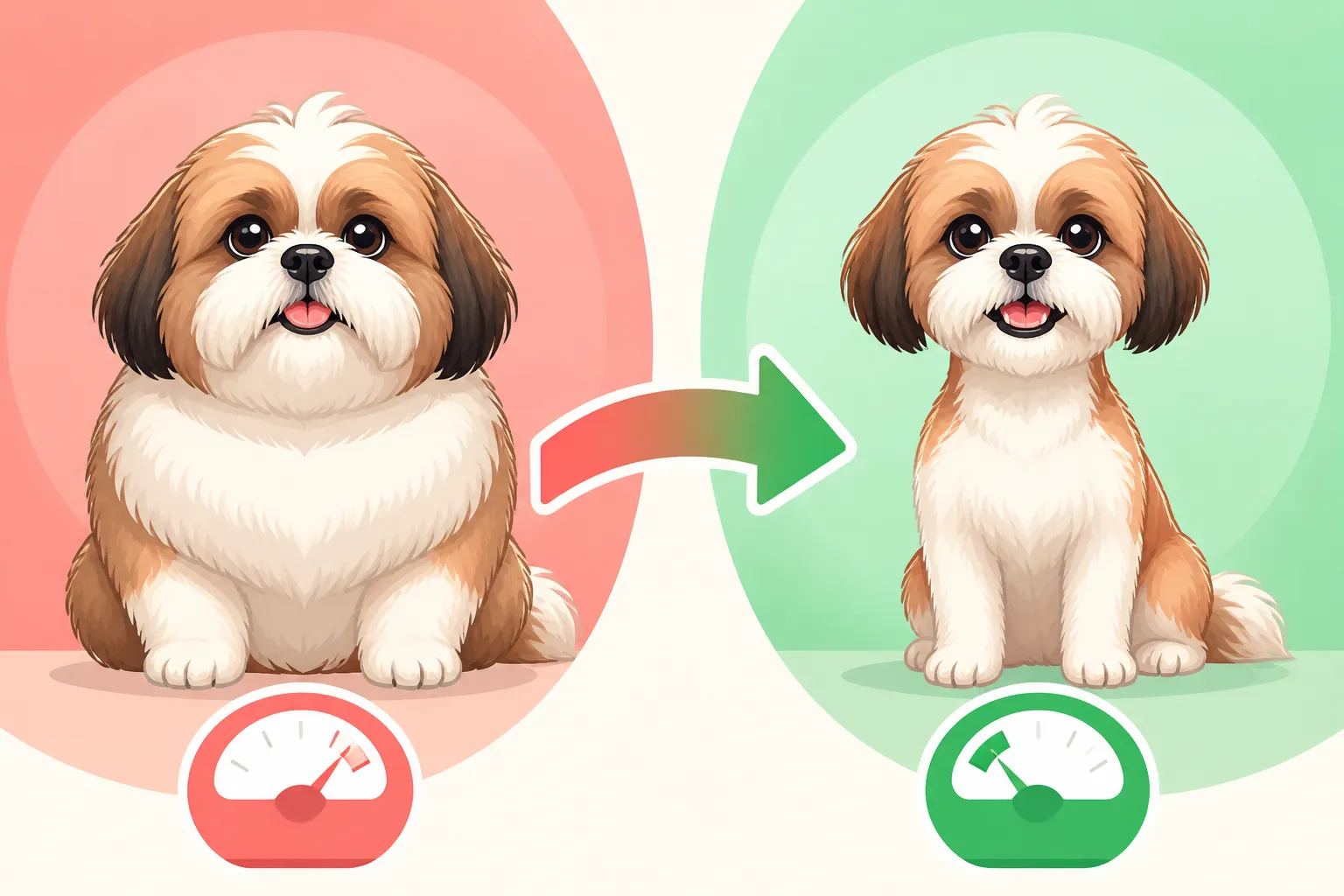
It's incredibly common for our beloved Shih Tzus to slowly pack on a few extra pounds over the years, and before you know it, you’re looking at an eighteen-pound fluffball when their ideal weight is closer to fourteen. Don't feel bad, it happens to the best of us! This guide is here to walk you through the practical, empathetic, and most importantly, healthy steps to help your Shih Tzu shed those extra pounds and get back to a comfortable, energetic fourteen-pound self.
Understanding Why Your Shih Tzu Gained Weight
Seeing your Shih Tzu at eighteen pounds, when they really should be closer to fourteen, can be a bit of a shock, and it’s easy to feel guilty or confused about how it happened. But trust me, you're not alone. There are very specific reasons why our little lion dogs tend to put on weight, and understanding them is the first step toward helping them slim down.
The Deceptive Shih Tzu Coat and Weight Gain
One of the biggest culprits in unnoticed weight gain for a Shih Tzu is, ironically, one of their most charming features: their magnificent double coat. That luxurious, flowing hair and dense undercoat can hide a multitude of sins, making it incredibly difficult to visually assess their body condition. You might be brushing them daily, admiring their beautiful fur, all while a few extra pounds are quietly accumulating underneath, completely out of sight.
Unlike a short-coated breed where you can easily see if their waistline is disappearing or if their ribs are becoming harder to feel, a Shih Tzu’s fur acts like a furry blanket, obscuring their true shape. It’s hard to tell if they’re getting rounder until the weight gain is significant, often pushing them beyond a healthy range before an owner even realizes there’s an issue. This can lead to a feeling of surprise or even frustration when the vet points out your dog is overweight, because you might have felt like you were doing everything right. It's truly a silent creep that many Shih Tzu owners face. Why a Full Coat Hides Shih Tzu Weight Gain
Common Culprits: Treats, Table Scraps, and Portion Creep
Let's be honest, who can resist those adorable, pleading Shih Tzu eyes? They've mastered the art of manipulation when it comes to food, and it's so easy to give in. However, those seemingly innocent extra treats, a few bites of table scraps, or even a slight overfill of their kibble scoop can quickly lead to weight gain for a small breed like a Shih Tzu.
Think about it: an extra cracker here, a bite of chicken there, or a couple of extra dog biscuits throughout the day might seem negligible to us, but for a dog that only needs a few hundred calories a day, these small additions add up dramatically. We call it "portion creep" – gradually, over time, the amount of food in the bowl gets a little bigger, or the number of treats increases. For a Shih Tzu, which typically thrives on a modest amount of food, even a small calorie surplus daily will manifest as weight gain over weeks and months. It's a tough habit to break, especially when your furry friend acts like they're starving, but it’s crucial to their health.
Low Activity Levels and Brachycephalic Challenges
Shih Tzus, by their very nature, were bred as companion dogs – lap warmers, if you will. They aren't generally known for being high-energy athletes, and that's perfectly fine! However, their predisposition for a more sedentary lifestyle, coupled with their unique physical characteristics, can contribute to weight gain.
Their brachycephalic, or flat-faced, anatomy means they can struggle with strenuous exercise. They often have The Elongated Soft Palate in a Shih Tzu or Shih Tzu Stenotic Nares and Noisy Breathing, making it harder for them to breathe efficiently, especially when they get excited or hot. This means that long walks, intense playtime, or running around at the dog park might not be suitable or safe for them. This reduced capacity for exercise directly impacts how many calories they burn, making it easier for any excess food intake to turn into stored fat. Owners often feel trapped, wanting their dog to be active but also fearing they might overheat or struggle to breathe. It’s a delicate balance, and it means we have to be extra vigilant with their caloric intake.
Setting a Realistic and Healthy Weight Loss Goal
Once you've realized your Shih Tzu has put on some weight, the next step is often to panic and drastically cut their food. But hold on! A healthy weight loss journey for a Shih Tzu needs to be slow, steady, and most importantly, guided by a professional. Just like with humans, crash diets can be dangerous and ineffective for dogs.
Why 14 Pounds is a Good Target for Many Shih Tzus
When your Shih Tzu is at eighteen pounds and ideally should be closer to fourteen, you're looking at a four-pound difference. This might not sound like a lot in human terms, but for a small dog, it’s a significant percentage of their body weight and can have a huge impact on their health. A healthy weight range for a Shih Tzu generally falls between nine and sixteen pounds, with many flourishing closer to the lower or middle end of that scale depending on their individual frame.
Bringing your Shih Tzu down to fourteen pounds from eighteen is a fantastic and achievable goal. It represents a substantial reduction that will alleviate strain on their joints, improve their breathing, and generally boost their quality of life, without pushing them into an underweight category. It's a target that allows for a noticeable improvement in their mobility and overall well-being, getting them closer to their natural, energetic selves. This goal allows for a sustained, healthy approach rather than a drastic, potentially harmful one.
Consulting Your Veterinarian for a Tailored Plan
Before you change a single thing about your Shih Tzu's diet or exercise routine, the very first step must be a visit to your veterinarian. This isn't just a suggestion; it's absolutely crucial. Your vet can accurately assess your Shih Tzu’s current body condition score, which is a more objective measure than just looking at the number on the scale, especially with that thick coat.
More importantly, they can rule out any underlying medical conditions that might be contributing to weight gain or making weight loss difficult, such as Thyroid Disease Thinning a Shih Tzu Coat or other metabolic issues. They can also help you determine the exact ideal weight for your individual Shih Tzu, taking into account their frame, age, and any existing health concerns. They'll also be able to provide a specific, safe daily caloric target and recommend appropriate food types or a Kidney Diets for a Shih Tzu if needed. Trying to do it alone is like navigating a maze blindfolded – your vet has the map and compass.
Slow and Steady Wins the Race: The Pace of Weight Loss
When it comes to weight loss for a Shih Tzu, patience is truly a virtue. Rapid weight loss is not only unhealthy but can also lead to muscle loss rather than fat loss, which is counterproductive. The general recommendation for safe canine weight loss is about 1-2% of their body weight per week.
For your eighteen-pound Shih Tzu, this means aiming for a loss of roughly 0.18 to 0.36 pounds per week. Yes, that's a tiny amount! It means it will take several months to go from eighteen pounds down to fourteen, and that’s perfectly okay. This gradual approach allows your dog’s body to adjust, minimizes stress, and makes the new habits more sustainable for both of you. It's about making lifestyle changes that stick, not just a temporary fix. Don't get discouraged if the scale doesn't move dramatically each week; consistency over time is what matters most.
Implementing a Safe and Effective Diet Plan
Once you've had that crucial conversation with your vet and established a safe, healthy target weight and timeline, it's time to get serious about their diet. This is where most of the weight loss magic happens, and it requires diligence, accuracy, and a bit of creativity.
Calculating Caloric Needs Accurately
This is arguably the most critical step in successful weight management. Your vet will provide you with a specific daily caloric intake target for your Shih Tzu to safely lose weight. This isn't a random number; it's calculated based on their ideal weight, activity level, and metabolic rate. It's so tempting to just "guess" or simply reduce their current food by a quarter, but this can lead to inadequate nutrition or, conversely, not enough of a deficit to lose weight effectively.
Once you have that number, every single calorie your Shih Tzu consumes needs to be accounted for. That means their kibble, any wet food additions, and all treats. Don't rely on the "feeding guide" on the back of a bag of food, as these are often designed for intact, highly active dogs and can significantly overestimate the needs of a spayed or neutered, moderately active companion Shih Tzu. Daily Calories for a Twelve Pound Shih Tzu
Choosing the Right Food: Weight Management Formulas or Prescription Diets
With your vet's guidance, you'll need to select the most appropriate food for your Shih Tzu's weight loss journey. There are generally two main categories:
- Commercial Weight Management Formulas: Many reputable brands offer specific "weight management," "light," or "healthy weight" formulas. These foods are typically lower in calories and fat, but higher in fiber to help your dog feel fuller without consuming excess energy. Brands like Purina Pro Plan, Hill's Science Diet, or Royal Canin often have excellent options in this category. You can find a good selection of these on platforms like Chewy or Amazon. When looking at these, make sure they are appropriate for small breeds.
- Prescription Weight Loss Diets: For Shih Tzus with significant weight to lose or those with stubborn cases, your vet might recommend a prescription diet. These foods are scientifically formulated for maximum effectiveness in weight loss and are only available through a veterinary office. They typically have very precise calorie counts, high fiber, and often contain specific nutrients to support lean muscle mass during weight loss. These aren't just "diet" foods; they're therapeutic tools designed to help dogs reach a healthy weight under medical supervision.
Discuss the pros and cons of each with your vet to determine the best fit for your Shih Tzu's individual needs and health.
The Art of Portion Control and Measurement
This is where many owners unintentionally sabotage their Shih Tzu's diet. Scoops are notorious for their inconsistency. A "cup" of kibble can vary wildly depending on how tightly you pack it or the size of the kibble itself. To achieve precise calorie control, you must use a kitchen scale to weigh your Shih Tzu's food.
Invest in a simple digital kitchen scale and weigh out their daily ration in grams or ounces. This ensures that every meal provides the exact caloric intake your vet prescribed. It might feel a bit tedious at first, but it makes a huge difference.
Once you've measured the total daily amount, consider splitting it into two or even three smaller meals throughout the day. This can help your Shih Tzu feel more satisfied, prevent long periods of hunger, and keep their metabolism ticking over. For example, if your vet recommends 250 calories per day, divide it into 125-calorie meals twice a day, or even 80-90 calorie meals three times a day.
Smart Snacking: Healthier Treat Alternatives
Those yummy dog treats are often calorie bombs, and cutting them out entirely can feel harsh. The good news is, you don't have to! You just need to be smarter about your snacking choices and ensure they are counted in the daily caloric intake.
- Low-Calorie Dog Treats: Look for dog treats specifically marketed as low-calorie. Many brands offer small, crunchy options designed for training or frequent treating without adding many calories. Again, check Chewy or Amazon for options.
- Vegetable Snacks: Many vegetables are fantastic, healthy, low-calorie treat alternatives. Small pieces of raw carrots, green beans, cucumbers, or apple slices (without seeds) can be wonderful for your Shih Tzu. Always introduce new foods slowly and ensure they are safe for dogs.
- Frozen Treats: For a refreshing and long-lasting treat, try freezing small amounts of plain pumpkin puree (not pie filling) or a dab of plain, unsweetened yogurt (check for xylitol, which is toxic).
- Measure All Treats: No matter what treat you choose, ensure its caloric content is factored into your Shih Tzu's daily allowance. A good rule of thumb is that treats should make up no more than 10% of their total daily calories. Absolutely eliminate all table scraps – it's crucial for their health and for resetting their expectations around food.
Increasing Activity Levels Safely for Your Shih Tzu
While diet is the primary driver of weight loss, increasing your Shih Tzu's activity level plays a vital supporting role. It helps burn extra calories, builds lean muscle mass, and improves their overall cardiovascular health and mood. However, with a brachycephalic breed like a Shih Tzu, safety is paramount.
Gentle, Consistent Exercise is Key
Forget long, strenuous hikes or jogs. For a Shih Tzu, especially one that is currently overweight, "exercise" means gentle, consistent activity. Think of it as incremental gains.
- Short, Frequent Walks: Instead of one long walk, aim for several shorter walks throughout the day. For an eighteen-pound Shih Tzu, start with perhaps two or three ten-minute walks. Once they've built up a bit more stamina and lost some weight, you can gradually extend these to fifteen or twenty minutes. The key is consistency – make it a daily routine. Remember that Twenty Minutes of Walking for a Shih Tzu can be a great goal.
- Leash Manners: Ensure your Shih Tzu is walking on a comfortable, well-fitting harness, not a collar, to avoid putting pressure on their delicate trachea. Why a Shih Tzu Should Wear a Harness Not a Collar
- Pace Yourself: Always let your Shih Tzu set the pace. If they start panting heavily or lagging behind, it's time to slow down or take a break.
- Avoid the Hottest/Coldest Parts of the Day: Shih Tzus are prone to overheating. In warmer climates, walk them early in the morning or late in the evening when temperatures are cooler. In winter, ensure they are comfortable and not overly exposed to harsh cold. Walking a Shih Tzu in Warm Weather
Indoor Play and Mental Stimulation
On days when outdoor exercise isn't possible due to weather (too hot, too cold, or too rainy), or if your Shih Tzu isn't up for much walking, indoor play and mental stimulation are excellent alternatives for burning calories and engaging their minds.
- Indoor Fetch or Chase: A short game of fetch down a hallway or gentle chase can get their heart rate up without overdoing it. Use soft toys that are easy for them to pick up.
- Puzzle Toys: These are fantastic for mental stimulation and can also encourage a bit of movement as your dog works to get treats out. Many puzzle feeders require them to push, roll, or manipulate the toy. Just remember to account for the calories in the treats you put inside!
- Hide-and-Seek: Hide small, low-calorie treats (like those small pieces of carrot or kibble) around the house and encourage your Shih Tzu to find them. This engages their nose and provides some gentle movement. Games That Keep a Shih Tzu Busy Indoors
- Training Sessions: Short, positive reinforcement training sessions for basic cues (sit, stay, come) or even fun tricks like "spin" or "bow" can burn mental and physical energy. These are excellent for bonding and keeping their minds sharp. Five Minute Sessions With a Shih Tzu
Monitoring for Overheating and Breathing Issues
This cannot be stressed enough: always be vigilant for signs of distress in your brachycephalic Shih Tzu, especially during exercise. Their flat faces make them highly susceptible to respiratory issues and overheating.
Watch for these warning signs:
- Excessive Panting: More than usual, especially if it seems labored or involves significant effort.
- Loud, Snorting, or Wheezing Breaths: This is often a sign of Brachycephalic Breathing in a Shih Tzu and indicates they are struggling.
- Blue or Purple Gums/Tongue: A critical emergency sign that they are not getting enough oxygen.
- Drooling: Especially if thick and ropey.
- Lethargy or Stumbling: If they seem wobbly or suddenly lose energy.
- Bright Red Gums: Can be a sign of heat distress.
If you observe any of these signs, stop the activity immediately. Move your Shih Tzu to a cool, quiet place, offer water, and if the symptoms don't improve rapidly or worsen, seek emergency veterinary attention. It’s always better to err on the side of caution when it comes to their breathing and heat tolerance. What to Do in the First Minutes of a Proptosis
Here's a quick comparison of healthy versus unhealthy weight loss strategies for your Shih Tzu:
| Feature | Healthy Weight Loss Strategy | Unhealthy Weight Loss Strategy |
|---|---|---|
| Approach | Gradual, consistent changes over weeks/months. | Drastic food cuts, sudden increase in intense exercise. |
| Veterinary Input | Essential for diagnosis, tailored calorie goals, and monitoring. | Self-prescribed diet, no vet check, relying on internet advice. |
| Calorie Control | Precise measurement of all food and treats using a scale. | Guessing portions, not accounting for treats or table scraps. |
| Food Choice | Vet-recommended weight management or prescription diets. | Any "diet" food, or simply feeding less of regular high-calorie food. |
| Treats | Low-calorie options, vegetable snacks, strictly portioned and counted. | Regular high-calorie treats, table scraps, given freely. |
| Exercise | Short, frequent, low-impact walks; indoor games; careful monitoring. | Long, strenuous walks; forced running; ignoring signs of overheating. |
| Monitoring | Weekly weigh-ins, regular vet checks, body condition scoring. | Infrequent weighing, only noticing visual changes (often too late). |
| Goals | Sustainable lifestyle changes, improved health and mobility. | Quick fix, aesthetic changes, potentially risking health. |
Bringing your eighteen-pound Shih Tzu down to a healthy fourteen pounds is a marathon, not a sprint, but it is one of the most loving and impactful things you can do for their long-term health and happiness. It takes dedication, patience, and a close partnership with your veterinarian, but the reward – a more energetic, comfortable, and potentially longer-lived furry companion – is absolutely priceless. Stick with it, celebrate the small victories, and know that every healthy choice you make is contributing to a better life for your precious Shih Tzu.
Disclaimer
This article is for general informational purposes only and does not constitute professional advice. Laws, prices and regulations vary by location and change over time. Consult a qualified professional for guidance on your specific situation.