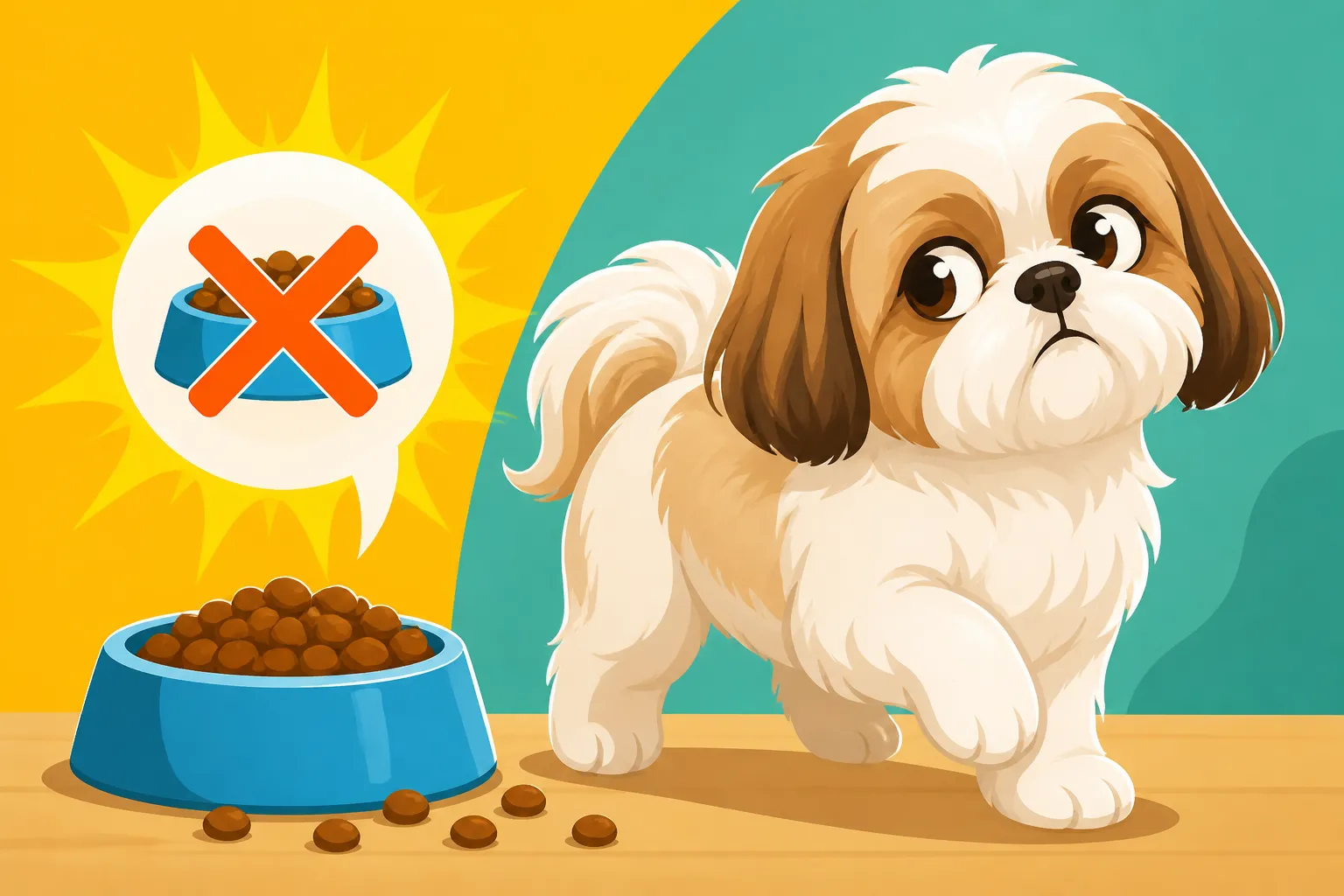
When a Shih Tzu Leaves Puppy Food Behind
Figuring out the exact moment to transition your precious Shih Tzu puppy from their specially formulated puppy food to adult kibble can feel like navigating a minefield. You don't want to stunt their growth by switching too soon, but you also don't want to contribute to unhealthy weight gain or imbalanced nutrition by sticking with puppy food for too long. This guide will help you understand the perfect timing and process for moving your Shih Tzu to an adult diet, ensuring they stay healthy and happy as they grow.
The Puppy Phase Isn't Just About a Birthday
It's tempting to think that once a Shih Tzu hits a certain age, say one year old, they automatically graduate to adult food. But for our adorable little lion dogs, it's a bit more nuanced than simply counting candles on a cake. Their unique growth trajectory means we need to pay closer attention to their physical development rather than just the calendar.
Why Growth Rates Dictate Food Needs
Shih Tzus, like most small breeds, mature at a much faster rate than their larger canine counterparts. While a Great Dane might still be considered a puppy well into its second year, a Shih Tzu is typically reaching its full physical size and skeletal maturity much earlier, often between 9 to 12 months of age. Puppy food is specifically designed to fuel this intense period of rapid growth. It’s packed with higher protein, fat, and calories, along with a carefully balanced ratio of calcium and phosphorus to support the development of strong bones and healthy muscles. Imagine trying to build a skyscraper without enough steel and concrete – that's what happens if a growing puppy doesn't get the right nutrients.
However, once that rapid growth spurt slows down, those extra nutrients become a liability. Continuing to feed a "fully baked" Shih Tzu puppy food can lead to them packing on unnecessary pounds, which is a serious concern for a breed already prone to joint issues and breathing difficulties. Moreover, an excess of certain minerals, particularly calcium, can actually contribute to skeletal problems rather than preventing them, especially if their growth plates have already closed. So, it's not just about energy; it's about providing precisely what their body needs at each stage of life.
The Dangers of Switching Too Soon or Too Late
Making the switch prematurely can rob your Shih Tzu of vital nutrients crucial for their still-developing body. If they're still in a significant growth phase and suddenly move to a less calorie-dense adult food, they might not gain weight properly, their bones might not develop optimally, and their energy levels could suffer. It could manifest as a lethargic puppy or one that just isn't thriving the way they should be. It's truly a delicate balance to strike.
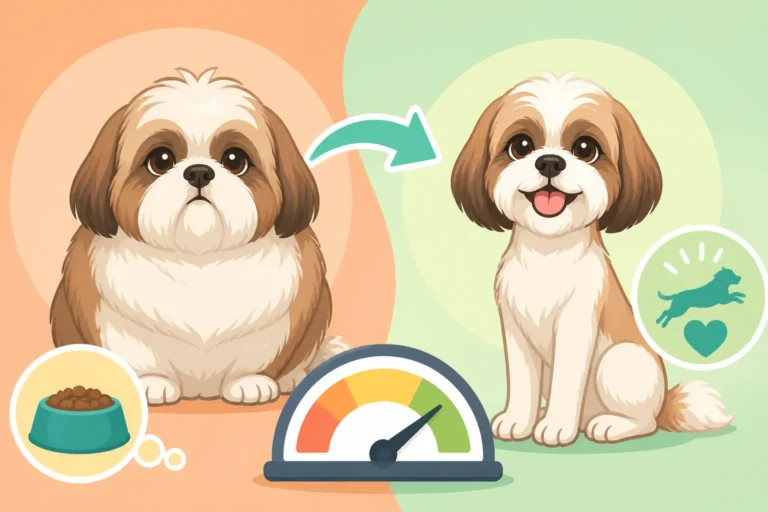
On the flip side, delaying the switch for too long carries its own set of risks. The most common issue is obesity. Those extra calories and fats meant for growing puppies quickly add up in a physically mature Shih Tzu who isn't burning them off. Obesity can exacerbate existing health conditions common in Shih Tzus, such as Brachycephalic Breathing in a Shih Tzu and Shih Tzu Joint Problems in a Toy Frame, putting extra strain on their little bodies. It can also contribute to dental issues and simply make them less active and comfortable overall. An adult Shih Tzu doesn't need the same high levels of certain vitamins and minerals, and too much can even be detrimental to kidney health or lead to bladder stones over time. It’s a classic case of too much of a good thing becoming harmful.
Reading the Signs: When Your Shih Tzu is Ready for Adult Food
Knowing the "why" is one thing, but pinpointing the "when" can still be tricky. Fortunately, your Shih Tzu will give you some pretty clear clues when they're ready to leave their puppy days and puppy food behind. It's all about observing their physical development and changes in their behavior.
Reaching Full Size and Weight
For most Shih Tzus, the window for transitioning from puppy to adult food is typically between 9 and 12 months of age. By this point, most have reached their full adult height and length. You can usually tell they've stopped growing upwards when their legs no longer seem to be getting longer, and their body appears to have filled out. While they might put on a little more muscle or fill out slightly in their chest over the next few months, the major growth spurts are generally over. This is when you know they are reaching their mature weight. For more on this, check out The Age a Shih Tzu Stops Growing.
It's important to remember that a Shih Tzu's luxurious double coat can sometimes play tricks on you, making them look fluffier and possibly heavier or rounder than they actually are. This is why a hands-on assessment is crucial. Run your hands along their ribs; you should be able to feel them easily, but not see them protruding. If you can't feel their ribs without pressing, they might already be carrying a bit too much weight. This observation is key, as Why a Full Coat Hides Shih Tzu Weight Gain is a very real problem for our breed. Your veterinarian can also give you a definitive answer on their ideal adult weight and body condition score during a routine check-up, offering professional guidance on whether they're ready for the dietary shift.
Behavioral and Energy Level Shifts
Beyond the physical, there are often subtle behavioral cues that signal your Shih Tzu is maturing. Puppy energy, while utterly charming, can be relentless. They zoom around, play endlessly, and crash hard. As they approach their first birthday, you might notice a gradual settling down of this frantic energy. They still love to play, of course, but their play sessions might be less prolonged, and they might be more content to curl up for a nap at your feet rather than constantly demanding attention. This shift in energy means their caloric needs are naturally decreasing.
Another sign can be their interest, or lack thereof, in their current puppy food. Sometimes, a puppy who is ready for adult food might start to pick at their meals or show less enthusiasm. This isn't always the case, but combined with other signs, it can be a clue. On the other hand, if you have other adult dogs, you might find your Shih Tzu puppy trying to sneak bites of their food. This curiosity can indicate their system is ready for the change. Pay attention to any changes in their stool consistency; a healthy, firm stool indicates good digestion, and any sudden changes during the transition period warrant a closer look.
The Transition Process: Slow and Steady Wins the Race
Once you've determined your Shih Tzu is ready to make the leap to adult food, the keyword is gradual. A sudden switch can wreak havoc on their digestive system, leading to upset stomachs, diarrhea, or even vomiting. Their gut biome needs time to adjust to the new ingredients and nutrient profile. Think of it like acclimating yourself to a new climate – you wouldn't just jump off a plane in the tropics and expect your body to be fine immediately!
The Gradual Mix-In Method
The most recommended approach is a slow, phased transition over 7 to 10 days, sometimes even two weeks for very sensitive pups. This allows their digestive system to adapt without shock. Here’s a typical schedule:
- Days 1-2: Start by replacing about 25% of their puppy food with the new adult food. Keep the remaining 75% as their regular puppy kibble.
- Days 3-4: Increase the adult food to 50% of the meal, with the remaining 50% being puppy food.
- Days 5-6: Now, it's 75% adult food and just 25% puppy food. You're almost there!
- Days 7-10: By this point, your Shih Tzu should be eating 100% adult food.
Throughout this process, it's crucial to closely monitor your Shih Tzu for any signs of digestive upset, such as diarrhea, vomiting, or a decrease in appetite. If you notice any of these, slow down the transition. You might need to revert to the previous ratio for a few more days or even extend the overall timeline to 14 days. Every dog is an individual, and some Shih Tzus simply have more sensitive tummies than others. Patience is definitely a virtue here!
Choosing the Right Adult Food for Your Shih Tzu
Selecting the perfect adult food for your Shih Tzu is just as important as the timing of the switch. Given their small size and unique facial structure, certain considerations are paramount. Always opt for a high-quality adult formula specifically designed for small breeds. These foods often feature smaller kibble sizes, which are much easier for a Shih Tzu with its characteristic underbite to pick up and chew. For more on this, consider Kibble Small Enough for a Shih Tzu Underbite.
When you're looking for food, prioritize reputable brands that list a named meat source (like chicken, lamb, or salmon) as the first ingredient. You want a balanced nutritional profile, not just fillers. Many owners find great options from trusted online retailers like Chewy, which offers a vast selection of small-breed specific formulas, or Amazon, where you can read reviews and compare ingredients easily. Some Shih Tzu parents even consider fresh food subscriptions, such as Ollie, which can be an excellent choice for finicky eaters or those with particular dietary needs, as the food is often softer and precisely portioned for their size. If your puppy showed any sensitivities or Food Allergy Itching Under a Shih Tzu Coat, look for limited ingredient diets or novel protein sources to minimize the risk of a flare-up in adulthood. Consulting your vet about their recommendations is always a smart first step, as they know your individual dog's health history best.
Common Pitfalls and Troubleshooting
Even with the best intentions and a gradual approach, the transition from puppy food to adult food isn't always perfectly smooth. There are a few common hurdles Shih Tzu owners encounter, but don't worry, there are ways to navigate them.
Picky Eaters and Refusal to Switch
Shih Tzus can, at times, be rather particular about their food. If your little one turns up their nose at the new adult food, even when mixed in, it can be frustrating. They might just be expressing a preference for their old puppy kibble, or perhaps they're not keen on the texture or flavor of the new food. Don't immediately give in and switch back to 100% puppy food. Try a different brand or protein source for the adult food. Sometimes, a simple change in flavor can make all the difference. You can also try adding a little warm water to the kibble to create a gravy-like consistency, which can enhance the aroma and make it more appealing.
Another tactic is to not leave the food down all day. Offer meals at specific times, say 15-20 minutes, and then pick up any uneaten food. This teaches them that food is available at certain times and encourages them to eat when it's offered. Avoid free-feeding, especially during a transition, as it makes it harder to monitor consumption and creates a lack of urgency. Remember, a healthy dog won't starve themselves, and a little "tough love" can sometimes be necessary to establish good eating habits.
Digestive Upset During Transition
Despite a slow transition, some Shih Tzus might still experience a bit of an upset stomach. This can manifest as loose stools, diarrhea, mild vomiting, or gas. It's a sign that their digestive system is still struggling to adapt. If this happens, don't panic. The first step is to slow down the transition even further. Revert to the previous ratio of puppy to adult food for a few more days, or even reduce the adult food portion to a smaller amount, like 10%, for a longer period.
You can also add a canine-specific probiotic supplement to their food, which can help support gut health and ease the transition. A small amount of plain canned pumpkin (not pumpkin pie filling!) can also help firm up loose stools. However, if the vomiting is frequent, diarrhea is severe, or your Shih Tzu seems lethargic or in pain, it's time to call your veterinarian. They can rule out any underlying issues and provide guidance or medication to help settle their tummy. It's always better to be safe than sorry when it comes to your pet's health.
Monitoring Weight and Body Condition
Once your Shih Tzu is fully transitioned to adult food, the job isn't over. You'll need to continuously monitor their weight and body condition to ensure they're maintaining a healthy physique. Remember, Daily Calories for a Twelve Pound Shih Tzu can vary based on activity level, metabolism, and individual needs, so the feeding guidelines on the food bag are just a starting point. Adjust the amount you feed based on how your Shih Tzu looks and feels.
As mentioned, feel for their ribs. You should be able to palpate them without a thick layer of fat. You should also see a subtle waistline when viewed from above and a slight tuck-up when viewed from the side. Regular weigh-ins, even monthly, can be a great way to catch any unwanted weight gain early. Even a couple of extra pounds can put significant stress on a small Shih Tzu's joints and organs, as detailed in What Two Extra Pounds Do to a Shih Tzu. If you notice them gaining weight, reduce their food portions slightly and increase their physical activity. If they're too thin, increase their food slightly. Consistent monitoring is key to keeping your Shih Tzu at their optimal weight throughout their adult life.
Here's a simple guide for transitioning your Shih Tzu's food:
| Day | Puppy Food Ratio | Adult Food Ratio | Observation Notes | Action if Upset Stomach |
|---|---|---|---|---|
| 1-2 | 75% | 25% | Check stool consistency, appetite, energy. | Revert to 100% puppy. |
| 3-4 | 50% | 50% | Continue monitoring for any changes in digestion. | Revert to 75% puppy. |
| 5-6 | 25% | 75% | Ensure continued good digestion and enthusiasm for meals. | Revert to 50% puppy. |
| 7-10+ | 0% | 100% | Fully on adult food; monitor weight and overall well-being. | Revert to 25% puppy. |
Disclaimer
This article is for general informational purposes only and does not constitute professional advice. Laws, prices and regulations vary by location and change over time. Consult a qualified professional for guidance on your specific situation.