Why Hair in the Eye Damages a Shih Tzu Cornea
One of the most heart-wrenching things a Shih Tzu parent can experience is seeing their beloved furry friend squinting, pawing at their face, or worse, with a visibly irritated or damaged eye. It's a common, often frustrating, problem that stems from their unique breed characteristics: that gorgeous, flowing hair and those endearing, prominent eyes. This guide aims to thoroughly explain why that seemingly harmless hair can cause significant damage to your Shih Tzu's delicate cornea and, most importantly, equip you with the knowledge and practical steps to prevent and address these issues.
The Delicate Shih Tzu Eye and Its Vulnerabilities
Our Shih Tzus are adored for their charming, expressive faces, but these very features come with inherent vulnerabilities, especially concerning their eyes. Understanding the anatomy and why hair becomes such a constant challenge is key to preventative care.
The Anatomy of a Shih Tzu Eye Socket
Unlike many other breeds, Shih Tzus possess what veterinarians call "brachycephalic ocular syndrome." This fancy term essentially means they have flatter faces and shorter snouts, which results in their eyes being more prominent and, critically, having shallower orbits (eye sockets). Think of it like a beautiful, delicate gem that sits a little too far out of its protective casing. These shallow sockets mean the eyes are much more exposed to the world – and all the potential irritants in it.
This inherent lack of protection leaves the cornea, the clear outer layer of the eye, highly susceptible to trauma. A minor bump that another dog might barely register can cause a serious issue for a Shih Tzu. But beyond accidental bumps, this exposed position also means that their eyes are constantly at the mercy of environmental factors, and for our long-haired companions, that includes their own magnificent coats. It’s a design flaw, in a way, that we, as their guardians, need to actively manage.
Why Hair is a Constant Irritant
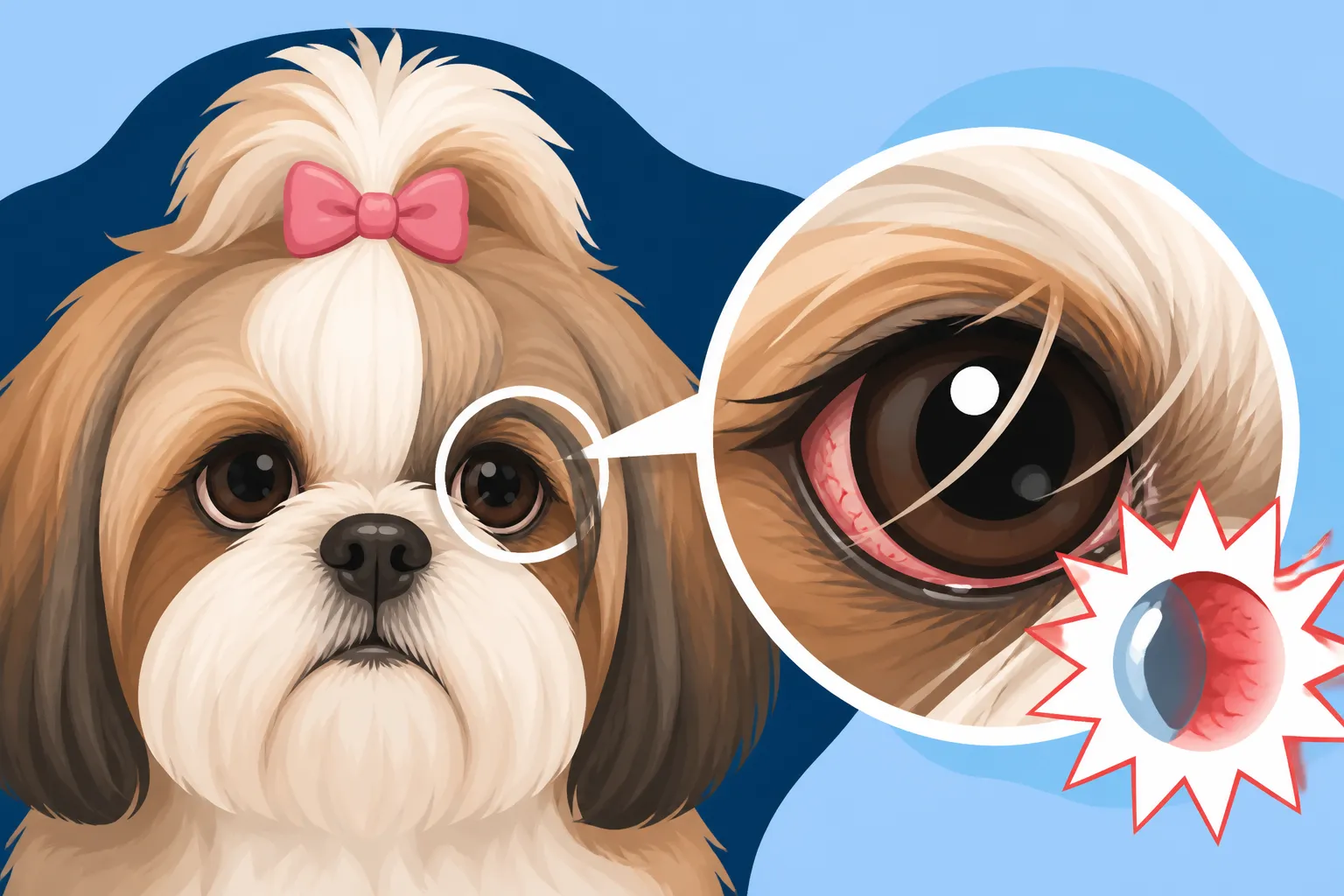
Now, let's talk about that signature Shih Tzu hair. It's beautiful, yes, but it's also incredibly fine, fast-growing, and often quite stiff at the ends, especially when it's been trimmed. Imagine having dozens of tiny, prickly needles constantly brushing against your eyeball. That's essentially what happens to a Shih Tzu whose facial hair isn't meticulously managed. The hair around their eyes, nose, and even the longer beard hair can easily curl inwards or be pushed into the eye by a gust of wind, a playful shake of the head, or even just gravity.
This isn't just a fleeting annoyance for them; it's a chronic source of irritation. The more hair that comes into contact with the delicate surface of the eye, the higher the risk of continuous friction. This friction can lead to a cascade of problems, starting with simple discomfort and escalating to serious medical conditions. It’s a constant battle against nature, and without diligent care, their beautiful hair becomes their eye's worst enemy.
How Hair Leads to Corneal Damage
The constant contact between your Shih Tzu's facial hair and their eye isn't just an uncomfortable sensation; it's a direct pathway to significant corneal damage. Understanding the progression of this damage can help you appreciate the importance of rigorous preventative measures.
Scratches and Abrasions: The Direct Impact
The most immediate and obvious danger of hair in the eye is physical abrasion. Those fine, sometimes stiff, strands of hair act like tiny brushes, constantly rubbing against the delicate surface of the cornea. Each time the hair touches the eye, especially during blinking, playing, or head shaking, it can cause microscopic scratches or abrasions. These aren't usually visible to the naked eye initially, but they are absolutely felt by your dog.
Think of it like getting a tiny speck of dust in your own eye – it's irritating, you blink, you rub, and it causes discomfort. For a Shih Tzu, this "speck of dust" is omnipresent if their hair isn't managed. These constant, tiny injuries can break down the protective outer layer of the cornea. Once that barrier is compromised, the eye becomes an open door for more serious problems, paving the way for infections and deeper damage. Early Shih Tzu Corneal Ulcers From a Shallow Socket are often the result of just this kind of persistent, unmanaged irritation.
Moisture, Bacteria, and Ulcer Formation
When the eye is irritated by hair, it naturally tries to flush out the irritant by producing more tears. While tears are meant to be protective, excessive tearing creates a constantly moist environment around the eye. This dampness, combined with trapped hair and the warmth of your dog's face, becomes an ideal breeding ground for bacteria and yeast. Bacteria, normally present on the skin and hair, can then easily migrate into those tiny scratches and abrasions on the cornea.
Once bacteria enter a corneal abrasion, an infection can quickly set in. This infection can rapidly develop into a corneal ulcer – a much more serious condition where deeper layers of the cornea are eroded. Corneal ulcers are incredibly painful for your Shih Tzu and, if not treated promptly and aggressively, can lead to severe vision impairment or even loss of the eye. The cycle is cruel: hair irritates, tears flow, bacteria multiply, and ulcers form. This is why addressing the hair is paramount, not just the symptoms it causes.
Pigmentary Keratitis: A Long-Term Consequence
Beyond immediate scratches and infections, chronic irritation from hair can lead to a long-term, irreversible condition called pigmentary keratitis. This is a common and particularly insidious issue in Shih Tzus. When the cornea experiences prolonged inflammation or irritation – such as from hair constantly rubbing against it – the eye responds by laying down dark pigment. This pigment starts as a small, brownish spot, often near the corner of the eye closest to the nose where hair frequently makes contact.
Over time, if the irritation continues, this pigment can spread across the entire corneal surface, gradually turning the clear window of the eye opaque. As more pigment covers the cornea, your Shih Tzu's vision becomes increasingly compromised. It's like looking through a perpetually dirty, darkening window. While the initial irritation might be treatable, the pigment itself is largely permanent. Management then shifts to preventing further progression and addressing the underlying irritation. Pigmentary Keratitis in a Shih Tzu is a stark reminder of the cumulative damage persistent hair in the eye can cause, emphasizing why consistent, diligent care is non-negotiable for this breed.
Practical Solutions for Protecting Your Shih Tzu's Eyes
Preventing eye problems in a Shih Tzu is an ongoing commitment, but it's one of the most vital aspects of their care. Proactive measures can save your furry friend a lot of pain and you, a lot of worry and vet bills.
Regular Grooming: The First Line of Defense
This is, without a doubt, the single most important thing you can do for your Shih Tzu's eye health. Their gorgeous double coat requires daily attention, and nowhere is it more crucial than around their face. Daily brushing helps remove loose hairs that could stray into the eyes and prevents matting that can pull hair painfully towards the eye.
Professional grooming every 4-6 weeks is essential. A skilled groomer understands the specific needs of a Shih Tzu's face and can expertly trim the hair around their eyes to a safe, comfortable length. Discuss with your groomer the best style to keep the hair away from the eyes, whether that's a neat, short fringe or a carefully tied Shih Tzu Topknot and Keeping Hair Out of the Eyes. You might even opt for a full The Shih Tzu Puppy Cut and Its Upkeep which dramatically reduces the amount of hair around the face, making daily maintenance at home much easier. For owners who prefer to handle some grooming themselves, investing in a good pair of blunt-nosed grooming scissors (many excellent options are available on Amazon or Chewy) for careful face trims between professional appointments can make a huge difference. Regular Trimming Face Hair Away From Shih Tzu Eyes is a simple yet effective practice.
Daily Eye Care Routine
Beyond regular grooming, establishing a daily eye cleaning routine is incredibly beneficial. Even with the best trims, environmental dust, pollen, or just stray hairs can still irritate the eyes. Gently wiping around your Shih Tzu's eyes with a soft, damp cloth or a specially formulated canine eye wipe can help remove irritants and prevent tear staining, which can also contribute to bacterial growth. Always wipe away from the eye, starting from the corner near the nose outwards.
It's also a good idea to routinely check your Shih Tzu's eyes for any signs of redness, discharge, or squinting. If you notice any changes, don't hesitate to contact your vet. Sometimes, persistent dryness can also make the eye more susceptible to irritation, so if your vet has prescribed drops for Dry Eye in a Shih Tzu and Lifelong Drops, make sure to administer them diligently. Consistency is key when it comes to daily eye care.
Considering Protective Measures
While grooming and daily cleaning form the foundation of eye protection, there are additional measures you can consider, particularly for Shih Tzus prone to eye issues or those who spend a lot of time outdoors. Dog goggles, often playfully called "doggles," or even visors, can provide a physical barrier against wind, dust, debris, and UV rays. These are especially useful for car rides with the window down, trips to the beach, or walks on very windy days.
It might take some time and positive reinforcement to get your Shih Tzu accustomed to wearing them, but the protection they offer can be invaluable. Think of it like wearing sunglasses and safety glasses yourself – you wouldn't head out into a dust storm without eye protection, and neither should your exposed-eyed companion. You can find a range of sizes and styles of doggles designed for small breeds like the Shih Tzu on Chewy or Amazon.
Recognizing and Responding to Eye Problems
Even with the most diligent preventative care, eye issues can sometimes occur. Knowing what to look for and how to respond quickly is crucial for minimizing damage and ensuring your Shih Tzu's comfort and long-term vision.
Signs of Corneal Irritation or Damage
Your Shih Tzu can't tell you in words that their eye hurts, so it's up to you to be a keen observer of their behavior and physical signs. Any change in your dog's eye or behavior related to their eyes warrants immediate attention. Common signs of irritation or damage include:
- Squinting or holding one eye shut: This is a clear indicator of pain or discomfort.
- Excessive tearing: More than usual wetness around the eye, sometimes leading to visible tear staining.
- Redness: The whites of the eyes or the conjunctiva (inner eyelids) may appear inflamed.
- Pawing or rubbing at the face/eyes: Your dog might try to alleviate the discomfort themselves.
- Discharge: Clear, watery, yellowish, or greenish discharge can indicate infection.
- Cloudiness or visible changes to the cornea: The surface of the eye might look hazy, bluish, or have a visible white or dark spot.
- Sensitivity to light: Your dog might shy away from bright areas.
- Reluctance to play or lethargy: General discomfort can impact their overall demeanor.
If you notice any of these symptoms, don't try to self-diagnose or treat with over-the-counter remedies. What looks like a minor irritation can quickly escalate into something serious due to the delicate nature of their eyes.
When to Seek Veterinary Attention
Eye problems in Shih Tzus should always be treated as an emergency. The longer you wait, the higher the risk of permanent damage or vision loss. If you observe any of the signs listed above, contact your veterinarian immediately. If it's after hours, seek out an emergency veterinary clinic. Waiting "until morning" can be the difference between a treatable condition and a severe, complicated one.
At the vet, they will conduct a thorough eye examination. This typically includes:
- Fluorescein stain test: A special dye is applied to the eye. If there's an abrasion or ulcer, the dye will stick to the damaged area, making it glow under a blue light. This is a definitive way to diagnose corneal damage.
- Ophthalmoscopic examination: Using specialized lights and lenses to look deep into the eye.
- Schirmer Tear Test: To check for dry eye, which often complicates other issues.
- Tonometry: Measuring the eye pressure to rule out glaucoma.
Depending on the diagnosis, treatment might range from antibiotic eye drops or ointments for infections, pain relief, protective collars (Elizabethan collars), or even surgery for severe ulcers. Remember, a healthy body heals better, so ensuring your Shih Tzu receives high-quality, balanced nutrition – perhaps from a fresh food provider like Ollie – can support their overall health and immune system, aiding in recovery from any health challenge, including eye issues. Maintaining a good relationship with your vet and prioritizing their recommendations for your Shih Tzu's eye health is absolutely paramount.
Common Shih Tzu Eye Problems and Their Causes
Understanding the specific eye conditions our Shih Tzus are prone to, and how hair plays a role, can help in recognizing and preventing them. Here's a quick overview:
| Eye Problem | Common Symptoms | Primary Causes (Hair Involvement) | Urgency of Vet Visit |
|---|---|---|---|
| Corneal Ulcers | Squinting, redness, tearing, cloudy spot, pain | Direct hair abrasion, bacterial infection of hair-induced scratches | Immediate |
| Pigmentary Keratitis | Brown/black discoloration on cornea, vision loss | Chronic irritation from hair, dry eye | Urgent |
| Conjunctivitis | Redness, swelling, discharge (clear/pus) | Irritation from hair, allergies, bacterial infection | Moderate to Urgent |
| Dry Eye (KCS) | Thick discharge, red eyes, chronic irritation | Inherited, but hair exacerbates irritation without sufficient tears | Urgent |
| Entropion | Eyelid rolls inward, causing lashes/hair to rub | Inherited structural defect; hair rubbing on cornea causes severe pain | Urgent |
| Proptosis | Eyeball pops out of socket | Severe trauma (not hair-related), but shallow socket is a huge risk | EMERGENCY |
This table isn't exhaustive, but it highlights how many common Shih Tzu eye woes are either directly caused or significantly worsened by hair irritation. This underscores the need for constant vigilance and proactive care. Shih Tzu Eyelash and Eyelid Problems can also contribute to discomfort and corneal damage, often working in tandem with loose facial hair.
Disclaimer
This article is for general informational purposes only and does not constitute professional advice. Laws, prices and regulations vary by location and change over time. Consult a qualified professional for guidance on your specific situation.