Explaining a Shih Tzu Cut to a New Groomer
Taking your beloved Shih Tzu to a new groomer can feel like a high-stakes adventure. You love your furry companion, and you want them to look their absolute best and feel comfortable, but articulating your vision to someone new can be daunting. So many times, owners pick up their Shih Tzu hoping for that perfect "teddy bear" or "puppy cut" and instead find a dog that's been shorn too short, left too long, or styled in a way that just isn't quite right. This guide will walk you through exactly how to communicate your desired Shih Tzu cut to a new groomer, ensuring a happy outcome for both you and your little lion dog.
The Importance of a Detailed Grooming Consultation
Think of the initial conversation with a new groomer as the foundation of your dog's entire grooming experience. It's not just a casual chat; it's a vital information exchange that prevents misunderstandings and ensures your Shih Tzu's unique needs are met. Many owners feel a bit awkward over-explaining, assuming the groomer "knows best" or will instinctively understand what they mean by common terms like "puppy cut." However, these terms can be incredibly subjective, and what one groomer envisions might be vastly different from another's interpretation, leading to disappointment and sometimes even discomfort for your dog.
It’s completely understandable to feel a bit anxious, especially if you’ve had a less-than-perfect experience in the past. Your Shih Tzu's coat is a defining feature, and its proper care is crucial not just for aesthetics but for their health and comfort. A good groomer welcomes clear, specific instructions because it helps them do their job better and ensures you leave satisfied. This initial dialogue is your opportunity to set expectations, share your preferences, and address any concerns you might have about your dog's coat, skin, or temperament. Without this thorough groundwork, you're essentially leaving your dog's haircut up to chance, which isn't fair to anyone involved.
Why a New Groomer Needs More Than "Just a Trim"
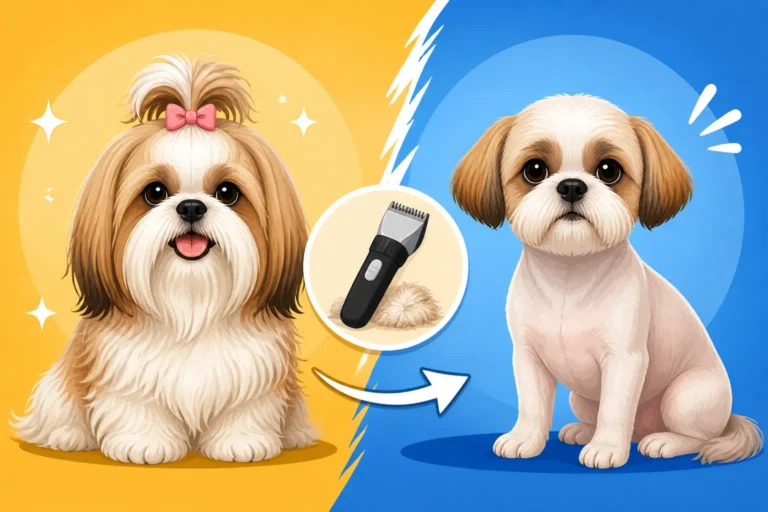
When you say, "just a trim" or "a puppy cut," you're using terms that are open to a wide range of interpretations. For instance, a "puppy cut" might mean shaving the body down to a quarter-inch on one groomer's table, while another might interpret it as leaving an inch of hair all over, simply tidying up the lines to give a youthful appearance. This isn't a reflection of their skill, but rather the inherent ambiguity of language when it comes to something as nuanced as dog grooming. Shih Tzu coats, with their luxurious double layer, can also vary in texture and thickness, further complicating things. One Shih Tzu might have a silky, flowing coat that takes well to length, while another might have a cottony, mat-prone coat that requires a shorter, more practical style to prevent Why a Shih Tzu Double Coat Mats So Fast.
The goal here isn't to micro-manage the groomer, but to provide them with enough specific details that they can execute a cut that aligns with your expectations. Remember, they don't know your dog's history, your personal preferences, or any specific health concerns that might influence the cut, like a tendency for mats in certain areas or sensitive skin. By giving detailed instructions, you're equipping them with the knowledge to deliver a great result and demonstrating that you take an active role in your dog's care. It builds trust and ensures that everyone is on the same page from the start.
Preparing for Your Consultation
Before you even step foot into the grooming salon, a little preparation on your part can make all the difference. The more visual and descriptive information you can provide, the better. Think of yourself as an architect providing blueprints to a builder—you wouldn't just say "build me a nice house," would you?
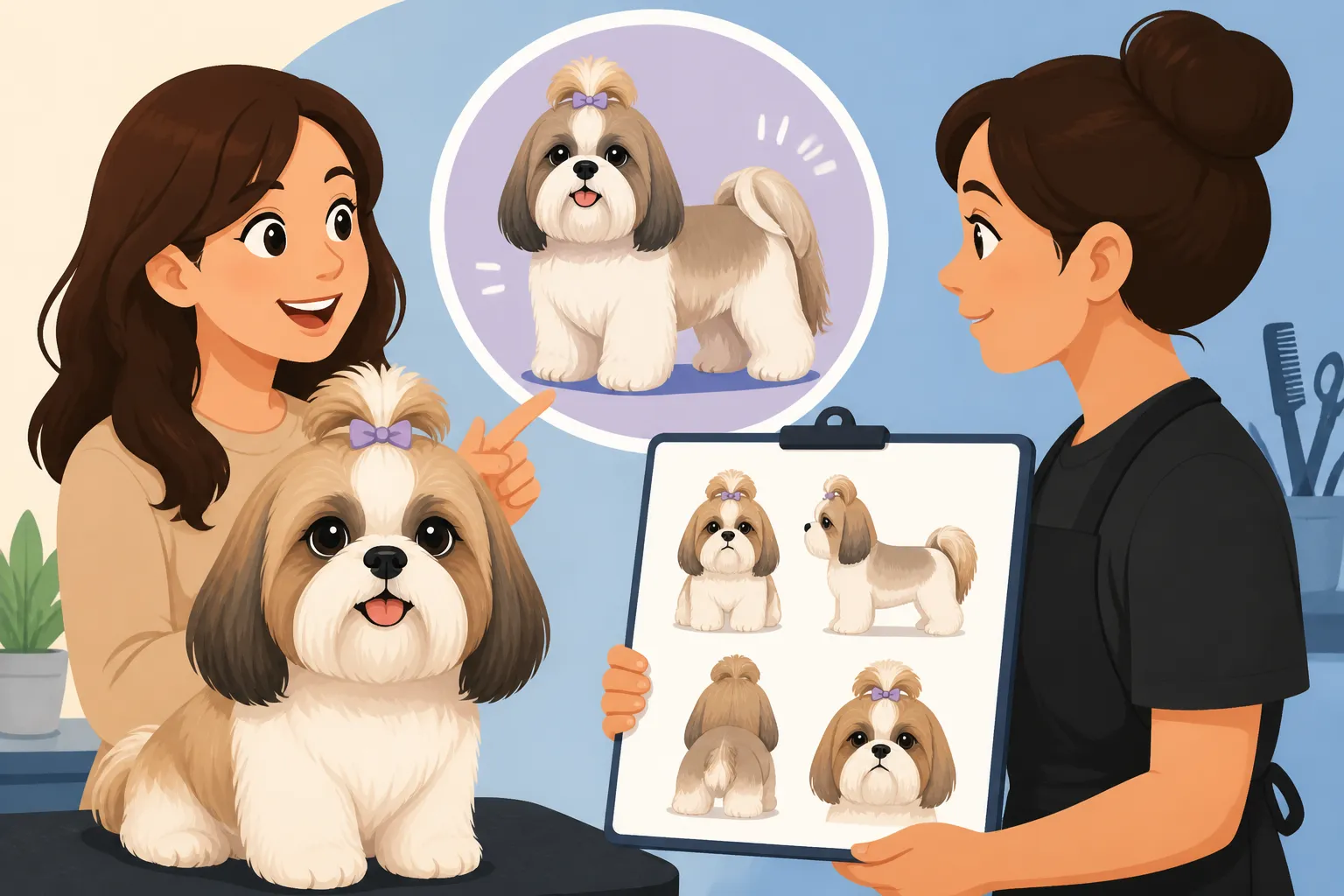
First and foremost, gather photos. This is the single most effective way to communicate your desired look. Bring pictures of your Shih Tzu when they've had a fantastic groom in the past. Show them from the front, sides, and back. If you don't have good pictures of your dog, find images of other Shih Tzus online with the kind of cut you admire. You can browse pet grooming pages on social media or even look up different Shih Tzu styles on sites like Amazon, which often feature detailed product photos of specific clippers or grooming tools that show different coat lengths. Just be sure the dog in the photo has a similar coat texture to your Shih Tzu, as this can dramatically impact how a cut will look.
Next, make notes. Write down specific instructions for different areas of the body:
- Body: "Leave about one inch on the body," "shave down to a half-inch to prevent matting," or "keep it short but not clipped completely."
- Legs: "Straight and cylindrical," "flared at the bottom like bell-bottoms," or "trimmed to match the body length."
- Face: "Round face," "short muzzle," "keep the eyelashes," or "clean around the eyes" (which is vital given how Hair Falling Into a Shih Tzu's Eyes can cause irritation).
- Ears: "Feathered," "trimmed to the length of the ear leather," or "blended smoothly with the head."
- Tail: "Plumed and long," or "trimmed neatly."
- Paws: "Clean and tidy, shaved between the pads" (important to prevent slipping and improve hygiene).
Finally, be ready to discuss your Shih Tzu's personality and any health quirks. Does your dog get anxious with loud noises? Do they have sensitive skin? Are they prone to Shih Tzu Skin Allergies and Hot Spots? This information helps the groomer tailor their approach, ensuring a safer and less stressful experience for your furry friend. Don't hesitate to ask questions about their process, what tools they use, and how they handle dogs who might be a bit nervous. This two-way conversation builds confidence and sets the stage for a positive relationship.
Communicating Specific Cut Details for Your Shih Tzu
Once you have your photos and notes, it's time to convey these details clearly and concisely to your new groomer. The more precise you can be, the less room there is for misinterpretation. Remember, the groomer wants to make you happy, but they can't read your mind! This section will break down how to discuss the various parts of your Shih Tzu's cut, from their overall body shape to those all-important facial details.
Describing the Overall Body Length and Style
This is where many misunderstandings occur because terms like "puppy cut" are so broad. Instead of relying solely on a generic term, try to combine it with a more specific length or descriptor.
For example, if you like the youthful, easy-to-maintain look, you might say: "I'd like a 'puppy cut,' but specifically, I want the body clipped to about 1/2 inch or 5/8 inch. I want enough hair to still be soft and fluffy, but short enough that it doesn't mat easily." If you're going for a specific length to help prevent tangles, knowing the clipper guard size can be immensely helpful. You could even show them a clipper guard illustration you've seen on a site like Amazon to give a visual reference. This gives the groomer a concrete measurement to work with.
If you prefer a slightly longer, fluffier look, you could ask for a "teddy bear cut" but specify: "For the 'teddy bear cut,' I'm looking for about an inch of hair on the body, kept even all over. I want them to look soft and rounded, not sharply angled." This clarifies that while you want length, you still desire a neat, sculpted appearance. Discussing The Puppy Cut and What It Saves is a great way to talk about maintenance and how it influences your choice of length. If your Shih Tzu has a particularly thick undercoat, mention that you want them thoroughly brushed and possibly even de-shedded before clipping to ensure an even cut. The goal is always to communicate both the aesthetic and the practical considerations behind your choice of length.
Navigating Face, Ears, and Tail Details
These areas are often the most defining features of a Shih Tzu's appearance and require extra attention in your instructions. A small difference in trimming the face or ears can completely change your dog's look.
For the Face: This is arguably the most crucial area. Shih Tzus are known for their adorable "chrysanthemum" faces. If you want a round, fluffy face, emphasize: "I'd like a very round, full face, keeping plenty of hair on the cheeks and around the muzzle to maintain that classic Shih Tzu 'teddy bear' look." If you prefer a cleaner look, you might say: "Please trim the hair around the eyes quite short to keep it out of their vision, and trim the beard to a manageable length so it doesn't drag in their food and water." Always ask them to be diligent about Trimming Face Hair Away From Shih Tzu Eyes, as long hair can cause irritation and even corneal ulcers. If your dog gets tear stains, you might specifically ask for a very clean trim around the tear ducts and under the eyes.
For the Ears: Shih Tzu ears can be left long and feathered, or trimmed shorter to match the body. Be clear: "I'd like the ear hair left long and feathered, just tidied up at the ends," or "Please trim the ear hair to the same length as the body, blending it smoothly so it looks natural and doesn't stand out." If you tie a topknot, discuss Tying a Shih Tzu Topknot That Holds with the groomer to ensure they leave enough hair for it. If you don't typically do a topknot, specify whether you want the hair trimmed short or blended into the rest of the face.
For the Tail: A Shih Tzu's tail is naturally plumed and carried over the back. Most owners prefer to keep this feature. You can say: "Please leave the tail full and plumed, just tidying up any scraggly ends," or "I prefer the tail to be trimmed a little shorter, but still full and fluffy." Again, photos are invaluable here to show the desired fullness and length.
Special Considerations for Your Shih Tzu's Health and Behavior
Beyond the aesthetics, a good grooming session also considers your Shih Tzu's overall well-being. Their unique physical characteristics and temperament can significantly impact how they experience grooming, and communicating these aspects to a new groomer is a mark of a truly caring owner.
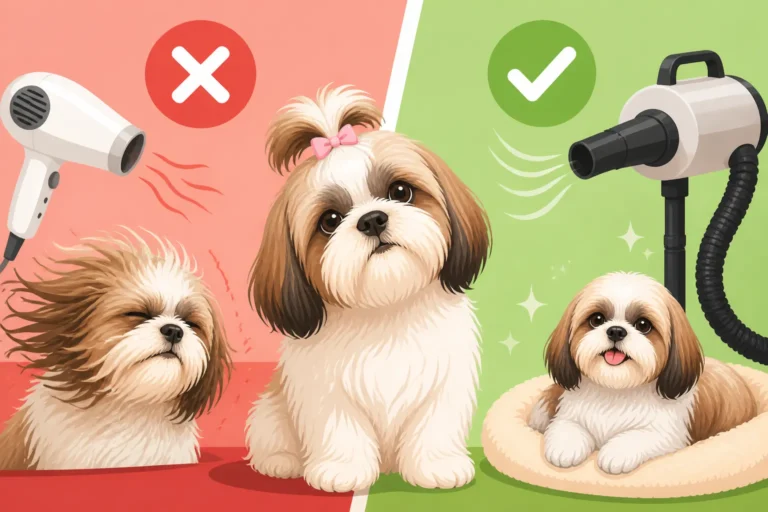
First, consider their brachycephalic (flat-faced) nature. Shih Tzus can struggle with Brachycephalic Breathing in a Shih Tzu, especially during stressful situations or if they get too warm. A thoughtful groomer can help by keeping the neck and chest area a bit shorter to aid in cooling, or by recognizing signs of respiratory distress. You might say, "My Shih Tzu can get a bit winded, so please take extra breaks and ensure they don't get overheated, especially under the dryer." Ask about their drying methods; cage dryers with proper airflow are generally preferred over excessive heat.
Second, many Shih Tzus are prone to Shih Tzu Joint Problems in a Toy Frame, particularly issues with their spine or kneecaps. They are small and delicate, and rough handling can cause pain or injury. Inform your groomer: "My dog has a sensitive back, so please be very gentle when lifting and positioning them on the table. They might yelp if their back is stressed." This gives the groomer a heads-up to use extra care and support when maneuvering your dog. You can also mention if your dog has any skin sensitivities or allergies, requesting specific hypoallergenic shampoos if you use them, perhaps a brand you regularly get from Chewy for at-home baths.
Finally, discuss your Shih Tzu's temperament. Are they a nervous Nelly? A feisty little firecracker? Or a calm, sleepy Buddha? "My Shih Tzu is a bit nervous with new people and loud noises, so gentle handling and a quiet spot would be really appreciated." Or, "He tends to be a bit squirmy for nail trims, so please be patient." This proactive communication allows the groomer to adjust their approach, making the experience less stressful for your dog and safer for everyone. A stress-free dog is more likely to cooperate, leading to a better, more even cut.
What to Look For and How to Follow Up
The grooming appointment isn't truly over until you've picked up your Shih Tzu and assessed the work. It's perfectly acceptable, and frankly, expected, for you to take a moment to look over your dog's new do. Don't feel rushed or embarrassed to perform a quick check; this helps ensure you're satisfied and allows for immediate adjustments if necessary. Building a good relationship with a groomer involves open communication even after the initial cut.
Checking the Groom Upon Pickup
When you pick up your Shih Tzu, take a few minutes to examine the cut carefully. Don't just glance; actively feel and look.
- Overall Length and Evenness: Run your hands over their body. Does the length feel consistent everywhere? Are there any choppy spots or uneven patches? Check both sides of the body for symmetry.
- Face and Head: Is the face roundness or shortness as you requested? Is the hair around the eyes sufficiently clear to prevent irritation (a crucial point for preventing Shih Tzu Corneal Ulcers and Dry Eye)? Are the ears blended nicely? Check the topknot area if you requested length there.
- Paws and Sanitary Areas: Lift each paw and check between the pads. Is the hair trimmed short and neat? This is important for traction and hygiene. Also, check the sanitary areas to ensure they are clean and trimmed short to prevent mats and accidents.
- Cleanliness: Your Shih Tzu should smell fresh and be completely dry. Damp hair, especially in a double coat, can quickly lead to matting.
If something isn't quite right, politely point it out immediately. For instance, "I really love how fluffy his face is, but it looks like the hair on his left ear might be a bit longer than the right, could we just even that up?" Most professional groomers are happy to make small adjustments on the spot. Remember, it's easier to fix a minor issue then and there than to be unhappy for weeks until the next appointment. This also gives the groomer valuable feedback for your next visit.
Establishing a Long-Term Relationship
Finding a groomer who truly understands your Shih Tzu and consistently delivers the cut you desire is a treasure. Once you've had a successful appointment, try to stick with that groomer if possible. Consistency benefits both you and your dog. The groomer gets to know your Shih Tzu's coat texture, personality quirks, and your specific preferences over time, leading to even better results. Your Shih Tzu, in turn, becomes more comfortable with a familiar face and routine, making future grooming sessions less stressful.
Regular grooming is not just about looking good; it's a vital part of your Shih Tzu's health regimen. Consistent appointments help prevent severe matting, keep their skin healthy, and allow for early detection of potential issues like Shih Tzu Ear Infections Under Heavy Ear Leather or skin problems that might be hidden under a long coat. Schedule your next appointment before you even leave the salon to maintain a regular cycle, typically every 4-6 weeks for a Shih Tzu, depending on the length of cut.
Finally, continue to provide feedback, both positive and constructive. "He looks amazing! The length on his body is perfect, and his face is exactly what I wanted." Or, "Next time, could we try just a tiny bit shorter around his paws? They still seem to get a little dirty too quickly." This ongoing dialogue fosters a strong, productive relationship with your groomer, ensuring your Shih Tzu always looks and feels their best.
| Shih Tzu Cut Term | General Meaning | Key Questions to Ask the Groomer |
|---|---|---|
| Puppy Cut | Short, easy-to-maintain all over | What length (in inches or guard size) do you consider a "puppy cut"? Do you blend it or keep it uniform? |
| Teddy Bear Cut | Fluffy, rounded look, slightly longer than a puppy cut | How much length do you leave for this? How do you achieve the rounded face? |
| Lion Cut | Shaved body, full mane/face, plumed tail | What length will the body be shaved to? How full will the mane and tail remain? |
| Comfort Cut | Practical, shorter cut for hygiene and ease, often for older dogs or those prone to mats | What specific areas will be shorter? How short will the body be? Will the face remain full? |
| Show Cut | Long, flowing coat, expertly styled | Are you experienced with full coat maintenance? How do you protect the coat length? |
| Clean Face | Shorter hair around eyes and muzzle | How short will the hair be around the eyes and muzzle? Will the eyebrows be trimmed? |
| Fluffy Face | Retaining length and fullness on the face | How much length will be kept on the cheeks and chin for fullness? |
Disclaimer
This article is for general informational purposes only and does not constitute professional advice. Laws, prices and regulations vary by location and change over time. Consult a qualified professional for guidance on your specific situation.