Cooking for a Shih Tzu at Home
It’s such a heartfelt gesture, isn't it? The idea of cooking for our beloved Shih Tzus at home often springs from a place of deep love and concern for their well-being. We want to give them the very best, to ensure every morsel is packed with goodness, and perhaps even to avoid ingredients we’re unsure about in commercial foods. However, stepping into the world of homemade dog food can feel like navigating a minefield, fraught with questions about nutritional balance and hidden dangers. This guide is here to walk you through the practicalities, benefits, and crucial considerations of cooking for your Shih Tzu, helping you make informed decisions that keep your furry friend healthy and happy.
The Lure and the Risks of Home-Cooked Meals for Your Shih Tzu
For many Shih Tzu parents, the journey into home cooking for their furry companions begins with the best of intentions. There’s a certain satisfaction that comes from preparing a meal from scratch, knowing exactly what goes into it. But this path, while rewarding, isn't without its potential pitfalls, especially when dealing with a tiny breed like the Shih Tzu.
Why Owners Consider Cooking for Their Shih Tzus
Let's be honest, the ingredient lists on some commercial dog foods can be a bit intimidating. Unpronounceable chemicals, vague "meat meals," and a host of fillers can leave us wondering what we're truly feeding our precious pups. Many Shih Tzu owners turn to home cooking because they want complete control over the quality and source of their dog's food. Perhaps your Shih Tzu has developed a sensitivity to common dog food ingredients, leading to persistent itching or digestive upset. Suddenly, the idea of an elimination diet with home-prepared ingredients seems like a sensible solution, offering a direct way to identify and avoid triggers that might be causing issues like Food Allergy Itching Under a Shih Tzu Coat.
Beyond health concerns, some Shih Tzus are notoriously picky eaters. You put down a bowl of kibble, and they eye it with suspicion before wandering off. Cooked chicken and rice, on the other hand, might get wolfed down with gusto. This desire to see our dogs enjoy their meals, coupled with the emotional bond we share, often fuels the motivation to spend time in the kitchen creating bespoke dishes. It's a way of nurturing, a tangible expression of our love, and for many, it feels like a healthier, more natural alternative to processed foods.
The Hidden Dangers of an Unbalanced Homemade Diet
While the intentions are pure, the reality of canine nutrition is far more complex than simply boiling some chicken and rice. Dogs, and especially small breeds like the Shih Tzu, have very specific nutritional requirements that differ significantly from humans. They need a precise balance of proteins, fats, carbohydrates, vitamins, and minerals. Crucially, these nutrients must be present in the correct ratios.
One of the biggest risks of an improperly balanced homemade diet is nutritional deficiency, particularly calcium and phosphorus. Too much of one, or too little of the other, can lead to severe skeletal problems over time, which are devastating for a small dog. Trace minerals like zinc, copper, and iodine, along with essential vitamins such as D, E, and B vitamins, are often overlooked or under-supplied in home-cooked meals unless carefully calculated. What might seem like a healthy meal for you could be critically deficient for your Shih Tzu. For example, a diet primarily of meat and grains, without adequate supplementation or variety, will lack the necessary calcium for strong bones or the full spectrum of vitamins needed for proper metabolic function. These deficiencies don't show up overnight; they manifest gradually, often leading to irreversible health issues down the line. It's a subtle but insidious danger that can undermine your dog's long-term health, despite your best efforts.
Essential Ingredients and Nutritional Balance for Your Shih Tzu's Plate
Crafting a nutritionally sound homemade diet for your Shih Tzu requires careful consideration of each component. It’s not just about cooking human-grade food; it’s about understanding what your tiny companion truly needs to thrive.
Protein Sources Your Shih Tzu Needs
Protein is the cornerstone of any dog's diet, vital for muscle maintenance, tissue repair, and overall health. For a Shih Tzu, lean, high-quality protein sources are paramount. Good options include:
- Chicken: Boneless, skinless chicken breast or thigh, boiled or baked. Remove all skin and visible fat before cooking.
- Turkey: Similar to chicken, lean ground turkey or turkey breast is excellent.
- Lean Beef: Ground beef with a low-fat content (90% lean or higher), or cuts like sirloin, cooked and drained of any excess grease.
- Fish: Plain, cooked fish like cod, salmon (boneless, skinless), or whitefish, provides omega-3 fatty acids which are great for skin and coat, but should be given in moderation due to potential for rich fat content.
Always cook meats thoroughly to eliminate bacteria like Salmonella. Avoid adding any seasonings, salt, or sauces meant for human consumption. Bones, especially cooked bones, are a huge no-no as they can splinter and cause internal damage. When preparing, think small. Your Shih Tzu has a tiny mouth, so all protein should be chopped or shredded into small, easily digestible pieces. The goal is to provide a concentrated source of amino acids without overwhelming their small digestive system with excess fat.
Carbohydrates and Healthy Fats for Energy and Coat Health
Carbohydrates provide essential energy, while healthy fats are crucial for nutrient absorption, cell function, and maintaining that glorious Shih Tzu double coat.
-
Complex Carbohydrates:
- Brown or White Rice: Cooked thoroughly, these are easily digestible and a good energy source.
- Oats: Plain, cooked oatmeal (not instant, and without sugar or flavorings) can be a gentle carbohydrate option.
- Sweet Potatoes: Cooked and mashed, sweet potatoes are packed with vitamins and fiber.
- Pumpkin: Plain, canned pumpkin (not pie filling) is excellent for digestive health and can be a good carb source.
- Quinoa: Cooked quinoa is another nutritious grain that can be included.
-
Healthy Fats:
- While much of the fat will come from the protein source, adding a small amount of healthy oil can be beneficial.
- Flaxseed Oil or Fish Oil: These provide essential omega-3 fatty acids. A few drops mixed into their food, especially fish oil, can contribute to skin health and a shiny coat. However, be mindful of the calories and discuss appropriate dosing with your vet. Fish Oil for a Shih Tzu Double Coat can make a noticeable difference in their fur quality and overall skin health, but moderation is key.
Remember, portion control for these ingredients is crucial, especially for a small dog like a Shih Tzu. Too many carbs can lead to unnecessary weight gain, adding strain to their tiny joints and overall system. You'll need to figure out the Daily Calories for a Twelve Pound Shih Tzu to ensure you're not overfeeding.
Vitamins, Minerals, and the All-Important Supplement
Here's where homemade diets become tricky. Even with the best intentions and a variety of whole foods, it's incredibly difficult to hit every single vitamin and mineral requirement in the precise ratios a Shih Tzu needs without professional guidance or supplementation.
- Vegetables: Many vegetables offer a boost of vitamins and fiber. Safe options include:
- Carrots: Cooked and mashed or finely chopped.
- Green Beans: Steamed or boiled.
- Spinach and Kale: Cooked and finely chopped.
- Broccoli and Cauliflower: In small, cooked amounts.
However, vegetables alone won't provide a complete nutrient profile. This is why a veterinary-approved canine vitamin and mineral supplement is absolutely essential when feeding a homemade diet. This isn't optional; it's a non-negotiable step to prevent critical deficiencies. Your vet or a board-certified veterinary nutritionist can recommend a specific brand and dosage formulated to complement a homemade diet. Without it, you're essentially gambling with your dog's long-term health. Think of it as their safety net, ensuring they get all the microscopic elements they need that might be missing from your home-cooked meals. You can often find reputable canine supplements on online retailers like Chewy or Amazon.
Here’s a quick overview of essential nutrient categories and some safe sources:
| Nutrient Category | Importance for Shih Tzus | Common Safe Food Sources (Cooked) | Why Supplement is Needed |
|---|---|---|---|
| Protein | Muscle growth, repair, enzymes, antibodies, energy | Chicken, turkey, lean beef, cod, eggs | Ensures adequate amino acids for small dogs. |
| Carbohydrates | Primary energy source, fiber for digestion | Rice, sweet potato, oats, pumpkin, quinoa | Provides energy without overloading digestive system. |
| Fats | Concentrated energy, skin/coat health, vitamin absorption | Lean meat fats, fish oil, flaxseed oil | Crucial for cell function and coat lustre; must be balanced. |
| Calcium & Phosphorus | Bone and teeth health, nerve function, blood clotting | Dairy (small amounts), some vegetables, bone meal | Critically difficult to balance ratios without supplementation. |
| Vitamins (A, B, D, E) | Vision, immunity, metabolism, skin, bone health | Liver (small), eggs, veggies, fish oil, grains | Essential for myriad bodily functions; often insufficient in varied amounts. |
| Trace Minerals (Zinc, Iron, Selenium) | Enzyme function, oxygen transport, immunity | Meats, specific vegetables, whole grains | Vital in tiny amounts; easy to under- or over-supply. |
Recipes and Preparation: Making it Safe and Appealing
Once you understand the nutritional components, the next step is to prepare meals that are both safe and palatable for your tiny companion. This involves more than just cooking; it’s about understanding their unique needs.
Basic Principles for Shih Tzu Home Cooking
When you're cooking for a Shih Tzu, attention to detail is paramount. Their small size and specific breed characteristics demand a different approach than cooking for a larger dog, or even a human.
First and foremost, cook all meats thoroughly. This is non-negotiable for food safety, eliminating bacteria that could cause severe gastrointestinal upset. Imagine your little Shih Tzu battling food poisoning – it’s not something you want them to experience. After cooking, all meat should be completely cooled before being added to their meal or stored.
Secondly, chop all food into bite-sized pieces. A Shih Tzu's mouth is tiny, and they often have an undershot bite, which can make it challenging for them to grasp and chew larger pieces of food. This is particularly important for preventing choking hazards and aiding digestion. If you've ever watched a Shih Tzu struggle with a piece of kibble that's just a tad too big, you'll understand why this matters so much. A good rule of thumb is that no piece of food should be larger than your Shih Tzu's thumbnail. For more on their unique mouth structure, you can read about the Shih Tzu Underbite in the Standard.
Finally, and perhaps most critically, avoid seasonings, salt, garlic, onions, and other human-specific ingredients. While delicious for us, many common kitchen staples are toxic or harmful to dogs. Garlic and onions, for example, can cause red blood cell damage. Xylitol, a common artificial sweetener found in many human foods, is highly toxic. Grapes, raisins, and chocolate are also absolute no-gos. Stick to plain, unseasoned ingredients. If you want to dive deeper into what common kitchen items are off-limits, check out Kitchen Foods That Are Toxic to a Shih Tzu. It's a lifesaver.
Sample Meal Ideas and How to Introduce Them
Let’s put these principles into practice with a basic, vet-approved (with supplementation!) sample meal idea. This isn't a complete recipe, but a template to show the components:
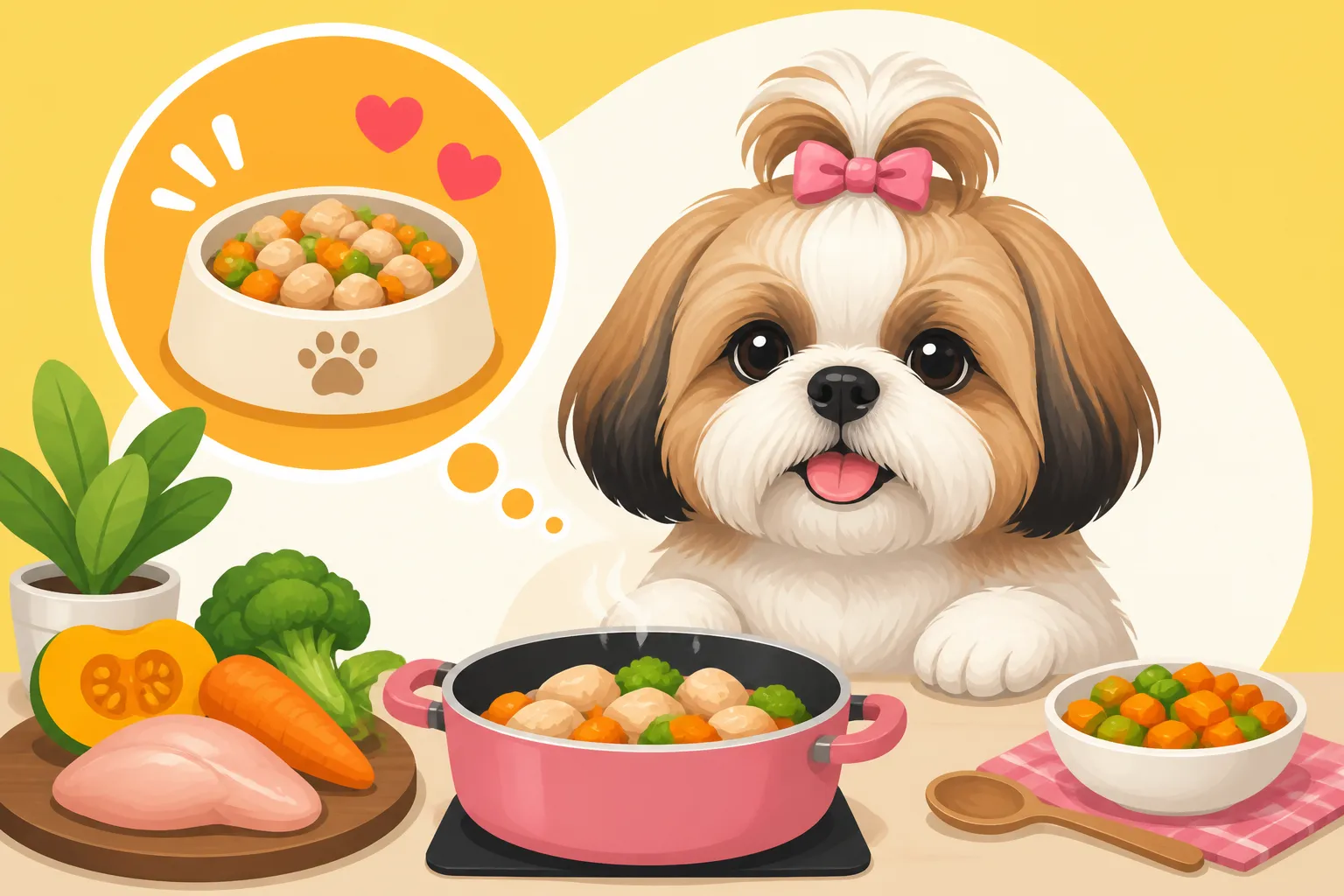
Basic Chicken & Rice Bowl for Shih Tzus
- Protein: 1/4 to 1/2 cup cooked, shredded, boneless, skinless chicken breast.
- Carbohydrate: 1/4 to 1/2 cup cooked white or brown rice.
- Vegetable: 1/8 to 1/4 cup steamed and finely chopped green beans or carrots.
- Healthy Fat: A few drops of fish oil (as directed by your vet).
- Supplement: The daily dose of a vet-approved canine multi-vitamin/mineral supplement.
Remember, portion sizes will vary based on your Shih Tzu's age, weight, activity level, and any specific dietary needs as determined by your vet.
When introducing any new food, especially a homemade diet, stress gradual introduction. Sudden changes can upset your Shih Tzu’s sensitive digestive system. Start by replacing a small portion of their current food with the new homemade meal, increasing the amount slowly over 7-10 days. Observe for any signs of digestive upset, such as vomiting, diarrhea, or changes in appetite.
Homemade meals, particularly bland ones like boiled chicken and rice, are often recommended by vets for a Settling a Shih Tzu Stomach After Medication or during periods of mild digestive upset. This is a great way to use your home cooking skills for therapeutic purposes, but remember this is for short-term use and not a nutritionally complete long-term diet without proper supplementation and balancing.
Storage, Portion Control, and Consistency
Cooking for your Shih Tzu at home can be time-consuming, so batch cooking and freezing are your best friends. Prepare larger quantities of cooked protein and carbs, then portion them into individual meal containers or freezer bags. This saves you daily cooking time. Cooked food can typically be stored in the refrigerator for 3-4 days or frozen for up to 2-3 months. Just be sure to thaw frozen portions safely in the refrigerator before serving.
Accurate portioning is absolutely critical, especially for a small breed like the Shih Tzu. A few extra calories for a large dog might be negligible, but for a Shih Tzu, even a small excess can quickly lead to weight gain. What Two Extra Pounds Do to a Shih Tzu can be significant, putting undue stress on their delicate joints and spine. Use a kitchen scale to measure ingredients precisely if your vet provides exact weight recommendations. This takes the guesswork out and ensures your pup is getting exactly what they need without over- or under-eating.
Finally, consistency in diet is key to preventing digestive upset. Once you've settled on a balanced homemade meal plan that your Shih Tzu thrives on, stick with it. While variety in ingredients within a balanced plan is good, constantly changing the core components can lead to stomach issues. Your Shih Tzu's digestive system appreciates a routine!
Working with Your Vet and Considering Commercial Alternatives
Embarking on a homemade diet journey for your Shih Tzu is a significant undertaking, and it’s one you absolutely shouldn’t do alone. Your veterinarian is your most valuable partner in ensuring your furry friend gets the best nutrition possible.
The Absolute Necessity of Veterinary Consultation
I cannot stress this enough: a consultation with your veterinarian or a board-certified veterinary nutritionist is not optional; it's absolutely crucial when considering a home-cooked diet for your Shih Tzu. These professionals have the knowledge and tools to formulate a truly balanced diet tailored to your dog's specific needs. They can assess your Shih Tzu's age, weight, activity level, any existing health conditions, and even lifestyle factors to create a recipe that meets all their nutritional requirements.
Simply finding a "recipe" online is incredibly risky. Most online recipes are not nutritionally complete and can lead to serious health problems over time. Your vet can recommend the correct balance of macronutrients (protein, fat, carbs) and micronutrients (vitamins, minerals) and, crucially, advise on the necessary supplements. For instance, if your Shih Tzu has an underlying condition like early-stage kidney disease, a homemade diet would need to be very carefully formulated to control protein and phosphorus levels. Trying to manage something as complex as Kidney Diets for a Shih Tzu on your own without expert guidance could be detrimental. They can also perform blood work to check for any existing deficiencies or to monitor your Shih Tzu's health after transitioning to a homemade diet. This ongoing partnership ensures you're not missing any vital pieces of the nutritional puzzle.
When Commercial Fresh Food or Prescription Diets are Better
Let’s be realistic: not everyone has the time, resources, or expertise to consistently prepare nutritionally balanced homemade meals for their dog, even with vet guidance. For many busy owners, or for Shih Tzus with complex medical needs, commercially prepared diets offer a safer, more convenient, and often equally healthy alternative.
There's been a surge in "fresh food" subscription services, for example, that deliver pre-portioned, human-grade, and nutritionally balanced meals directly to your door. Brands like Ollie offer formulations developed by veterinary nutritionists, taking the guesswork out of home cooking while still providing the quality ingredients many owners desire. These can be a fantastic middle-ground solution, giving you the peace of mind that your Shih Tzu is getting a complete and balanced diet without you having to spend hours in the kitchen every week.
Furthermore, for Shih Tzus with specific health challenges, such as severe allergies, advanced kidney disease, or certain gastrointestinal issues, prescription veterinary diets are often the best, and sometimes only, option. These diets are meticulously formulated by veterinary scientists to manage specific medical conditions and are available through your veterinarian or authorized retailers like Chewy with a vet's prescription. Attempting to replicate the complex balance of a prescription diet at home is virtually impossible and could negatively impact your Shih Tzu's health. For instance, an older Shih Tzu with Feeding an Old Shih Tzu With Missing Teeth and kidney issues would require a very specific diet that home cooking would struggle to match in consistency and nutrient profile.
Incorporating Homemade Elements into a Commercial Diet
Just because a fully home-cooked diet might not be feasible or advisable for your Shih Tzu doesn't mean you can't incorporate some homemade goodness into their meals! Many owners find a happy medium by using safe, home-prepared ingredients as treats or meal toppers.
This approach allows you to:
- Add moisture and palatability: A spoonful of plain, cooked pumpkin or boiled chicken can make dry kibble more appealing, especially for picky eaters or dogs needing extra hydration.
- Boost certain nutrients: Adding a few finely chopped, steamed green beans or carrots can provide extra fiber and vitamins without disrupting the overall balance of their commercial diet.
- Provide variety and mental enrichment: A small amount of cooked, plain fish can be a special treat, offering new flavors and textures.
- Maintain control over some ingredients: You can still source fresh ingredients yourself from your local grocery store or order online via services like Amazon Fresh, knowing exactly what you're adding.
The key here is moderation. These homemade additions should make up no more than 10% of your Shih Tzu's daily caloric intake to ensure their primary, balanced commercial diet still provides the bulk of their nutrition. Always stick to the safe ingredients we discussed earlier, ensuring they are cooked plain and in appropriate small sizes. This way, you get the satisfaction of preparing something special for your Shih Tzu, while confidently knowing their core nutritional needs are being met.
Disclaimer
This article is for general informational purposes only and does not constitute professional advice. Laws, prices and regulations vary by location and change over time. Consult a qualified professional for guidance on your specific situation.